

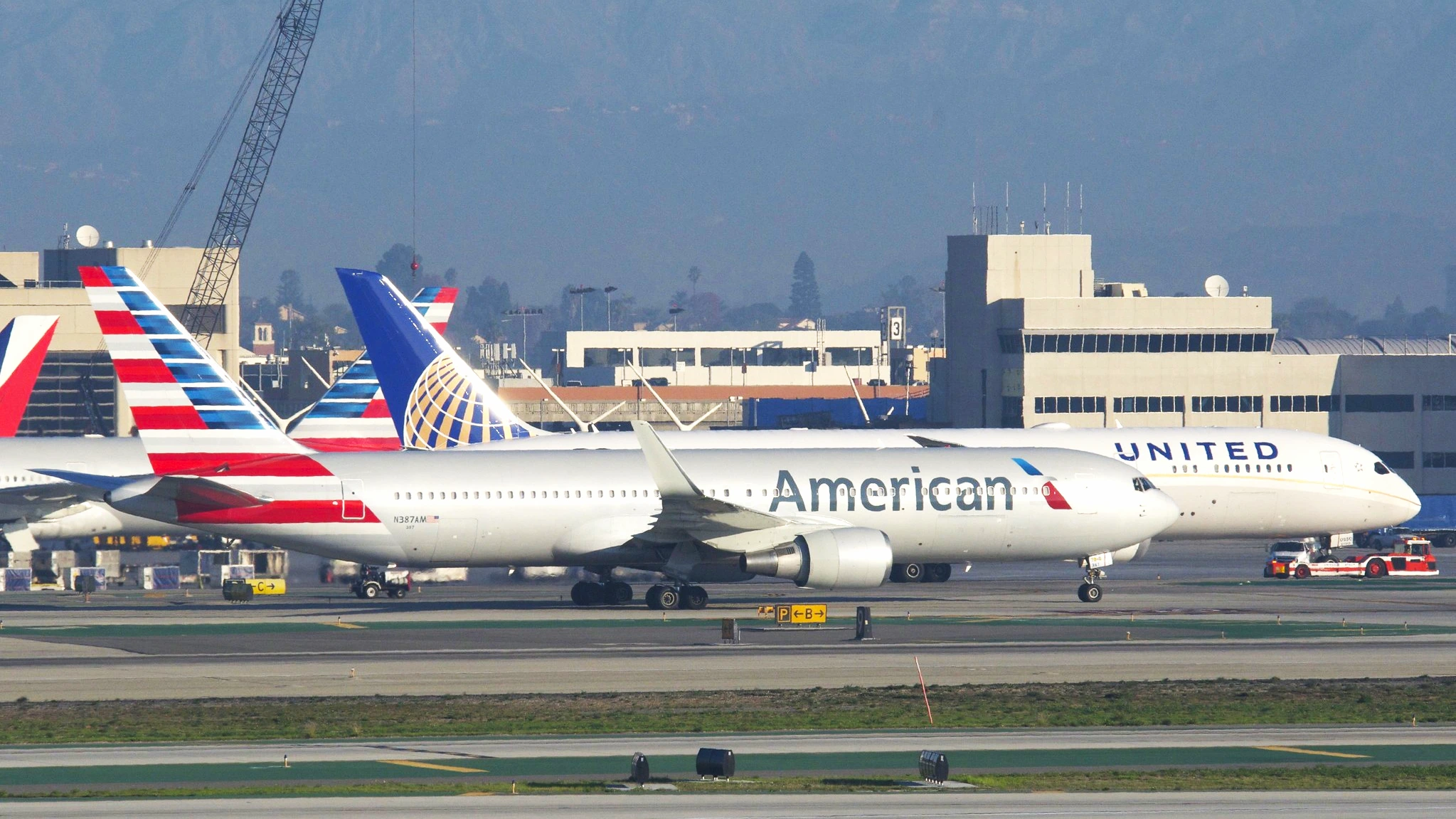
FORT WORTH- American Airlines (AA) has expanded aggressively at Chicago O’Hare International Airport (ORD), increasing flights, protecting gate access, and enhancing on-time performance despite repeated public criticism from its primary competitor.
The carrier remains confident that O’Hare will continue generating long-term strategic value and profitability.
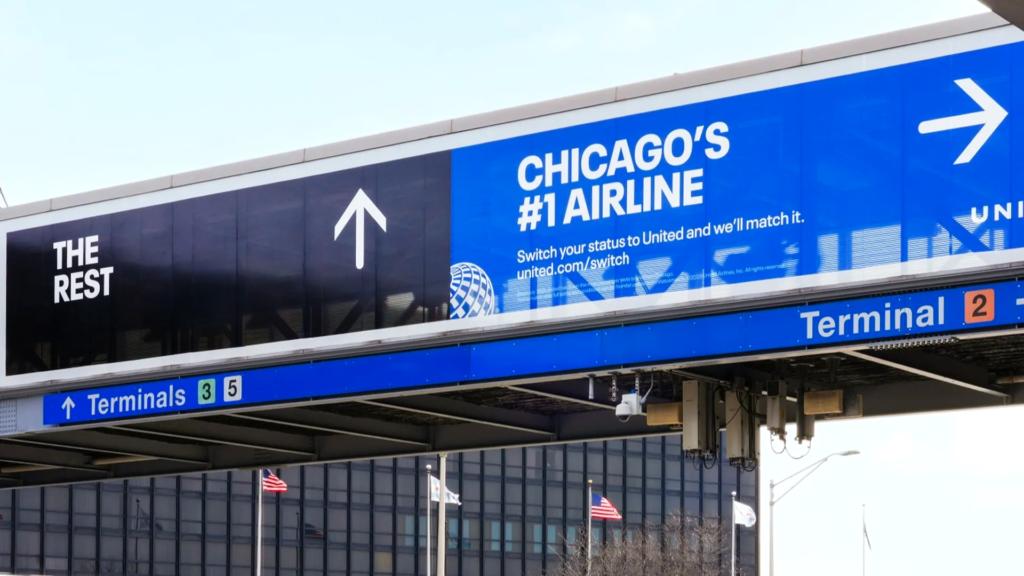
United Airlines (UA) continues to operate the largest schedule at O’Hare, yet rising traffic and balanced demand support two full scale hub systems.
Competitive rhetoric has not prevented American from accelerating its growth in Chicago and reinforcing its operational and financial commitments to the market.
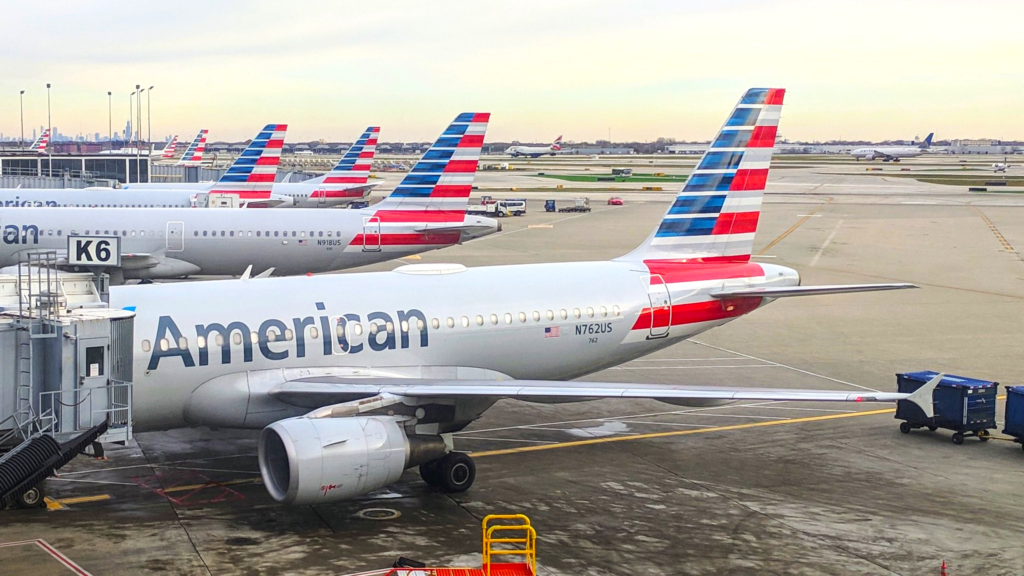
American Airlines Chicago O’Hare Hub
Chicago O’Hare has emerged as a defining battleground for legacy carriers, with both American and United directing resources toward fleet deployment, schedule expansion, and premium-travel revenue.
American has 20 percent more ORD flights today than one year ago, representing the highest growth rate of any legacy hub that Vice President for Chicago O’Hare Ben Humphrey has observed in his 30-year airline career.
Humphrey previously spent 27 years at Delta, most recently as vice president of operations at Minneapolis–St. Paul, before joining American.
The growth follows a strategic shift from a post-pandemic focus on Southeastern destinations to renewed investment in Northern hubs.
Even as flight numbers surged, American achieved the best on-time departure rate among hub carriers at Chicago over the past 12 months.
Humphrey highlighted that the D-Zero metric evaluates departures at scheduled time, compared with the federal on-time standard of departures within 14 minutes.
American leadership argues this performance demonstrates disciplined execution rather than over-expansion.
United CEO Scott Kirby has repeatedly suggested that American cannot sustain competitiveness at O’Hare, stating in recent industry conversations that the airline loses approximately $800 million per year at the airport.
He has also told United pilots that American might be forced to dehub ORD and told the Airline Confidential podcast, “I would not want to play the other hand at cards; I know when to hold them and I know when to fold them.”
American rejected those claims internally. Vice Chairman and Chief Strategy Officer Steve Johnson told Chicago-based employees that Kirby’s frustration stems from American’s progress in the local market and that United’s performance at ORD would improve significantly if American left the airport.
Johnson reaffirmed the long-term commitment: “We’ve been here nearly 100 years, and we’re going to be here another 100 years.”
Financial and Loyalty Revenue
Industry analysts frequently characterize commercial aviation as “credit card companies with fleets.”
United and Delta formed premium revenue partnerships earlier than American, while the American–Citibank agreement took longer than expected to finalize.
The deal officially activates on January 1 and aligns American with a segment expected to generate $10 billion annually per major carrier from selling miles to credit card partners by the end of the decade.
According to Forbes, loyalty based revenue and underlying demand at O’Hare suggest that both airlines can remain profitable while competing at scale.
Network Scale, Schedules, and Destination Depth
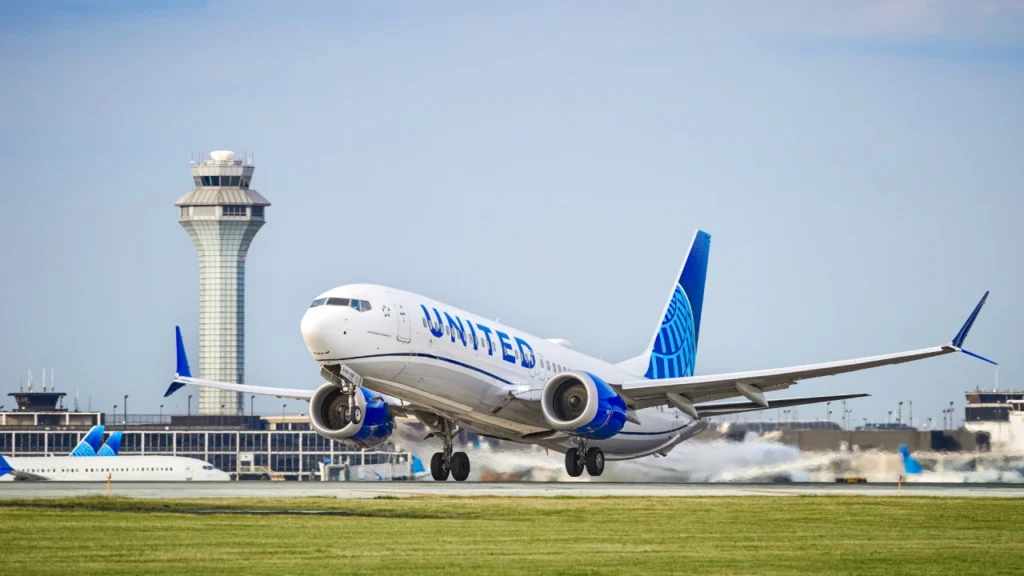
American currently operates about 453 daily winter departures at ORD to 160 destinations and peaked at 482 in the summer schedule, projected to increase to roughly 500 next summer.
United flies about 600 daily summer departures to 200 destinations, increasing to 212 next summer. United also flew 10 percent more Chicago-originating passengers in Q2 2025 compared with Q2 2019.
American’s originating traffic ranges between 45 and 65 percent depending on route structure.
Destination portfolios illustrate the reach of the dual-hub model. United plans to add Santa Barbara, Eugene, Paducah, and Lynchburg next summer.
American flew seasonal routes to Hyannis and Naples, Italy in summer 2025 and is scheduled to return both in 2026.
Passenger volume supports robust schedules: O’Hare traffic through September rose 7 percent year to date to approximately 64 million travelers, with both American and United contributing.
Gate Allocation and Ongoing Legal Dispute
Control of ORD gates remains a crucial competitive lever. United operates about 95 gates compared with about 60 for American.
A recent five gate reallocation awarded to United prompted legal action from American, which argued the change was premature under a 2018 airport expansion agreement.
American filed for a preliminary injunction but lost and is now appealing. With each gate supporting roughly 6 daily departures, the allocation directly influences future growth opportunities.

Operational Resilience and Seasonal Demand
O’Hare’s central location offers high connecting and originating value but exposes airlines to harsh winter weather.
During the Thanksgiving period, Chicago experienced more snow in three days than in all of the previous year.
American’s leadership reported that expanded staffing, de-icing equipment, trucks, and fluid inventories prevented resource constraints and enabled the airline to finish ahead of major competitors in departures to zero.
The carrier also doubled warm Caribbean destinations this season to match demand for winter leisure travel.
Stay tuned with us. Further, follow us on social media for the latest updates.
Join us on Telegram Group for the Latest Aviation Updates. Subsequently, follow us on Google News
