

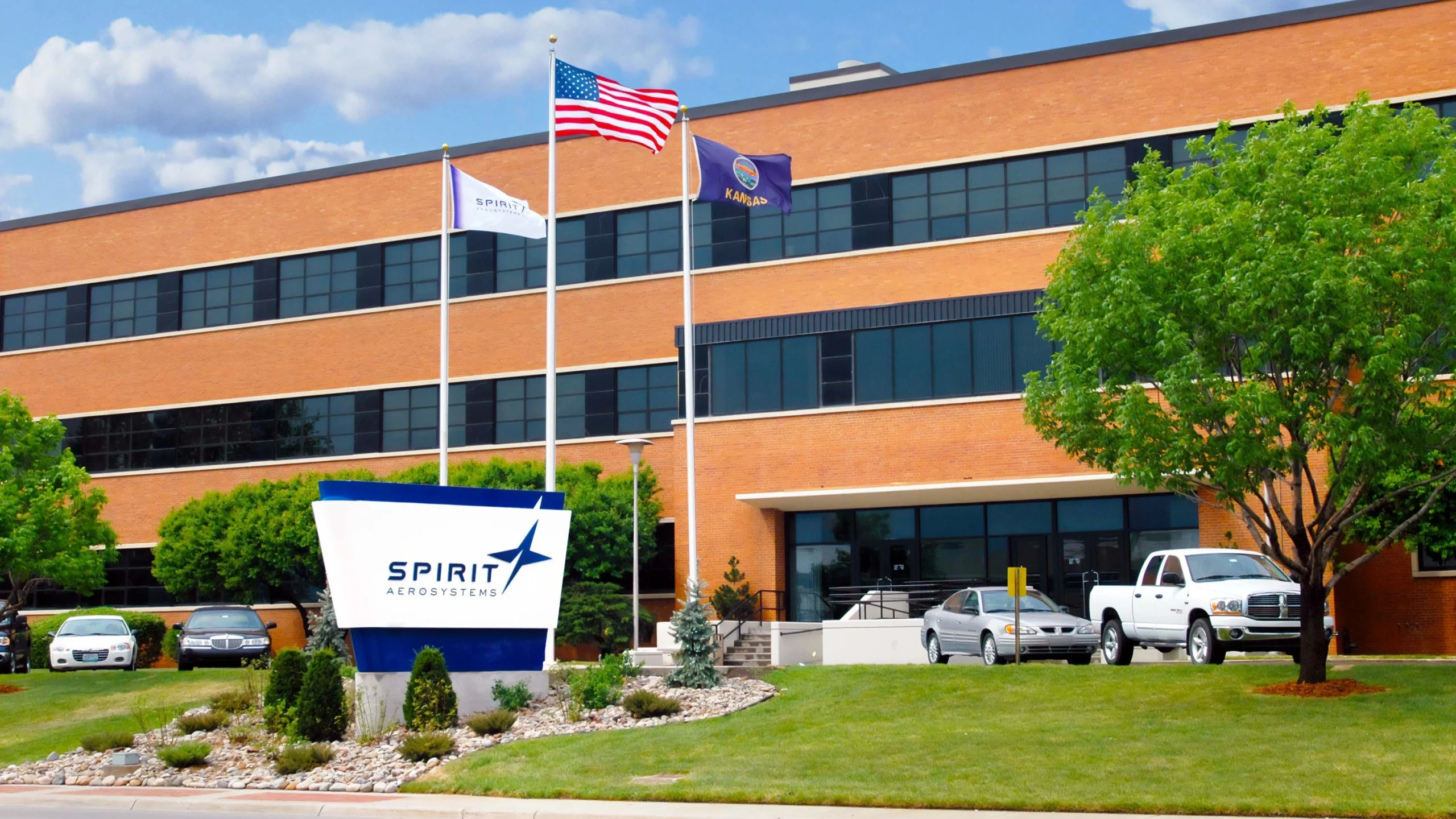
ARLINGTON- The Federal Trade Commission (FTC) has approved The Boeing Company’s $8.3 billion Spirit AeroSystems merger, but only after ordering the divestiture of core Spirit assets that affect aircraft production for carriers.
The action is focused on preserving fair access to reliable aircraft components for commercial aviation.
The FTC determined that protecting competition in commercial and military aircraft markets is essential for passengers flying on airlines.
The ruling prevents Boeing from gaining structural control over aerostructure supply chains in a way that would limit component access for competing aircraft manufacturers.
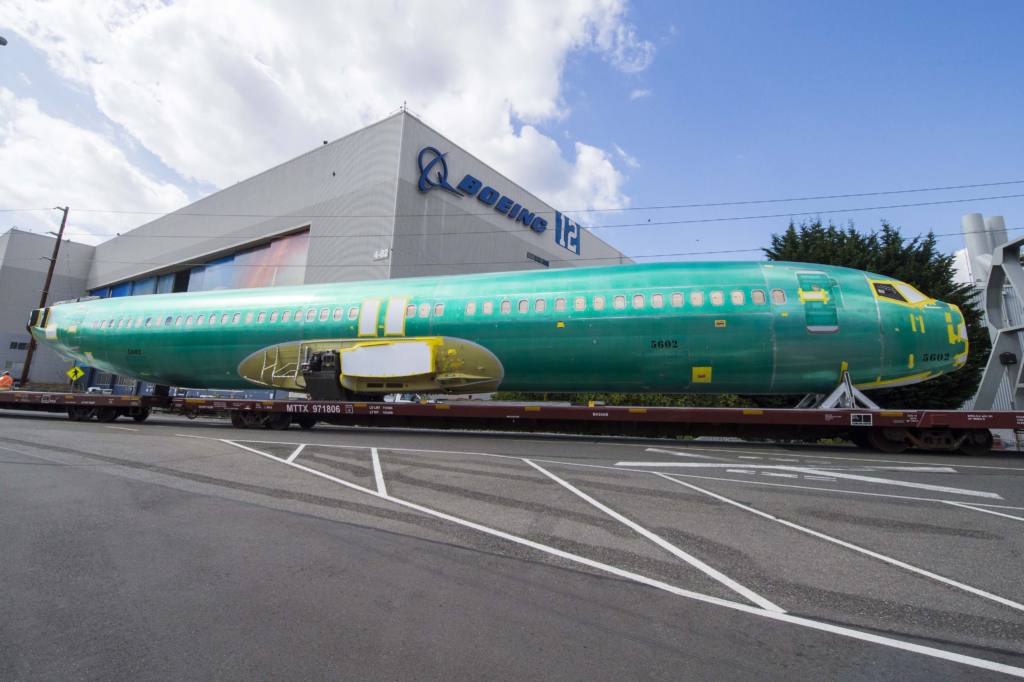
Boeing Spirit Merger Divestiture
The order requires Boeing to divest major Spirit AeroSystems businesses that currently supply critical aerostructures to Airbus SE.
These include all necessary assets and personnel attached to those production facilities and will be transferred directly to Airbus.
Boeing must also divest Spirit’s Subang, Malaysia aerostructures business, which supplies both Boeing and Airbus, to Composites Technology Research Malaysia Sdn. Bhd.
To avoid supply disruption, Boeing is obligated to provide transitional manufacturing services to Airbus and CTRM during the transfer period.
These measures ensure Airbus maintains uninterrupted access to fuselages, wings, and other vital structural components.
Safeguarding Military Supply Contracts
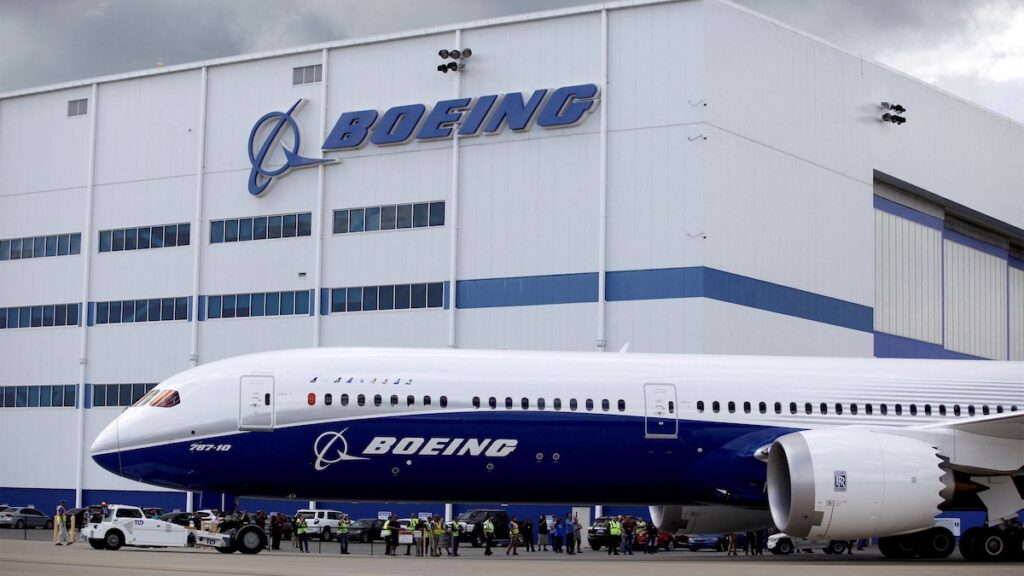
The order directs Boeing and Spirit to continue supplying aerostructures and related services to competing contractors for military aircraft programs.
Spirit must uphold all current contracts with other defense manufacturers and remain available to support future military competitors.
The company is prohibited from any preferential treatment toward Boeing and is required to secure all confidential information shared by competing defense contractors. This condition protects national security needs tied to supply chain plurality.
The FTC alleged that without these requirements, Boeing would have the ability and incentive to raise costs or degrade Airbus’ access to essential aircraft components.
It further alleged that Boeing could gain access to sensitive proprietary information about competing aircraft programs and use it to its advantage.
To prevent such risks, the consent order restricts information sharing and establishes monitoring controls. An independent monitor has been appointed to oversee divestitures and ensure full compliance by both Boeing and Spirit.
Global Regulatory Coordination and Approval Process
The investigation was coordinated with competition agencies in the European Union and the United Kingdom, reflecting the international implications of the proposed acquisition.
FTC staff also worked with the US Department of War to evaluate how the transaction could affect national security and the defense industrial base. The Commission stated its appreciation for this collaborative regulatory effort.
The Commission voted 2-0 to issue the complaint and approve the proposed consent agreement for public comment.
The public will have 30 days to submit feedback on the agreement package. Submission instructions are available on the docket, and all processed comments will be posted on Regulations.gov.
Stay tuned with us. Further, follow us on social media for the latest updates.
Join us on Telegram Group for the Latest Aviation Updates. Subsequently, follow us on Google News
