

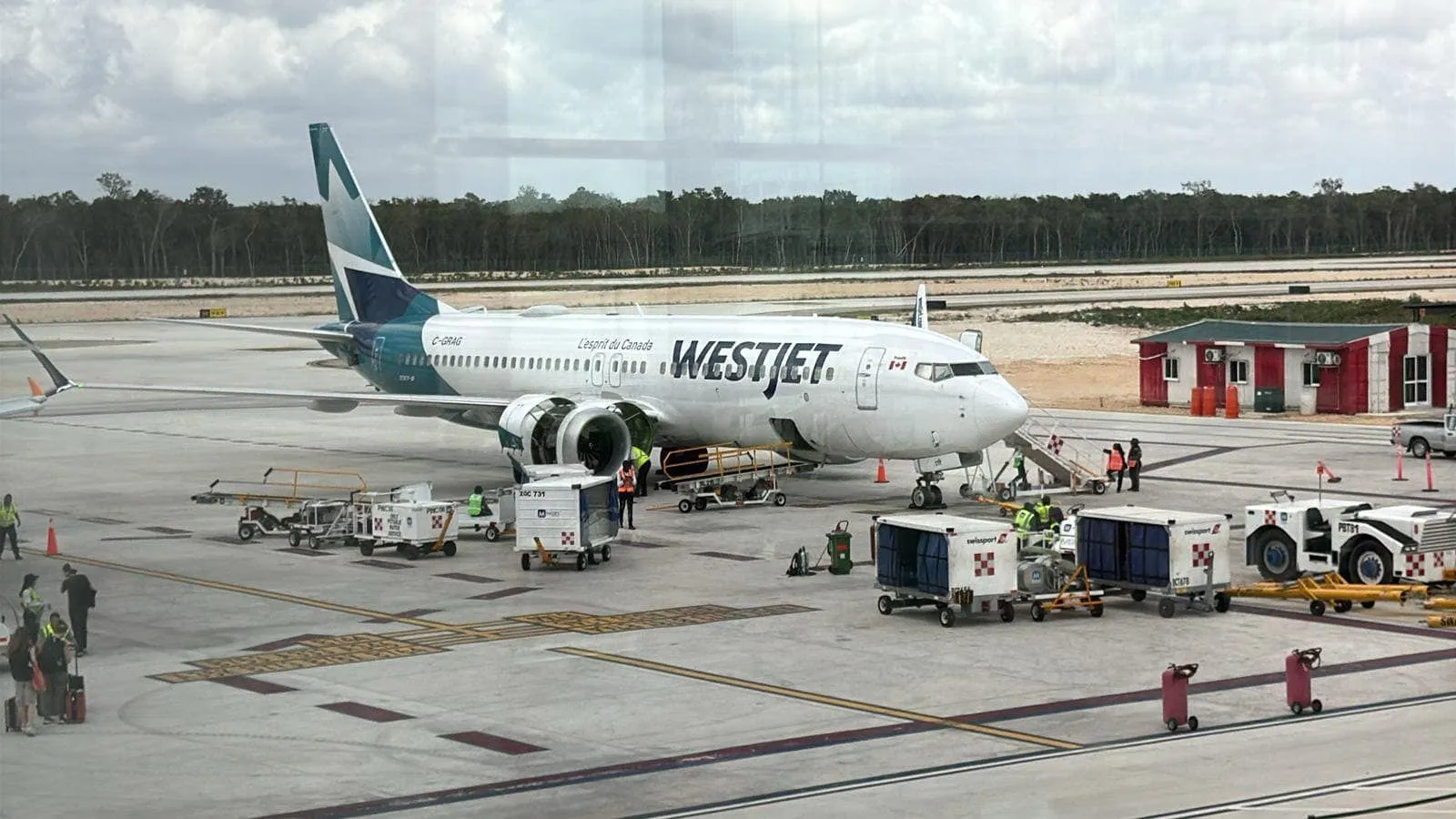
CALGARY- Passengers on WestJet (WS) and Air Transat (TS) record disputes at Edmonton International Airport (YEG) and Punta Cana International Airport (PUJ). Airlines wrongly claim travelers cannot film interactions, yet Canadian law permits it under one-party consent.
Legal experts and court rulings confirm that recordings serve as vital evidence. Airlines face compensation awards and staff changes after videos expose poor service.
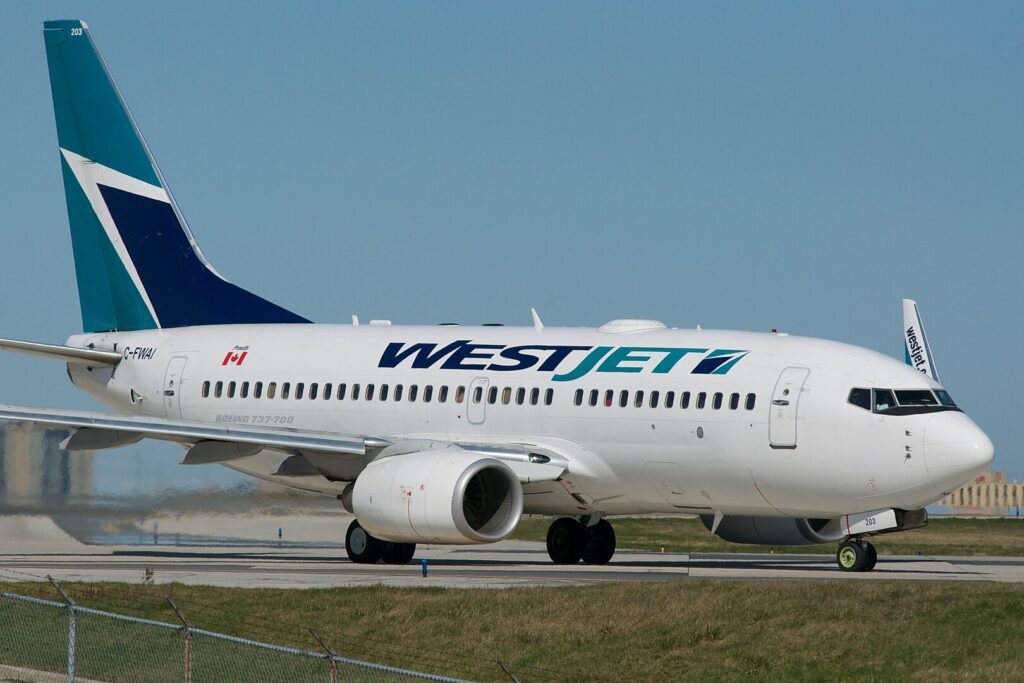
WestJet and Air Transat Passengers Denied Boarding
Jason Huang and three older relatives ended a trip to Banff, Jasper, and Calgary in August. They checked in online, printed boarding passes, and aimed to fly WestJet (WS) from Edmonton International Airport (YEG) to Toronto (YYZ).
A WestJet (WS) agent issued new passes for a later flight without explanation. Huang learned the original aircraft had been downsized, bumping his family several hours. He started audio recording the agent’s response for a compensation claim.
The agent threatened to call the police and said, “You’re not flying today.” He grabbed Huang’s phone and tore the boarding passes. Huang’s 73-year-old father, Jingan Huang, then recorded a video.
The agent snatched that phone, hit the father’s eye, and left it red and swollen. The agent yelled, “Get this phone down!” and “You have no right to record.”
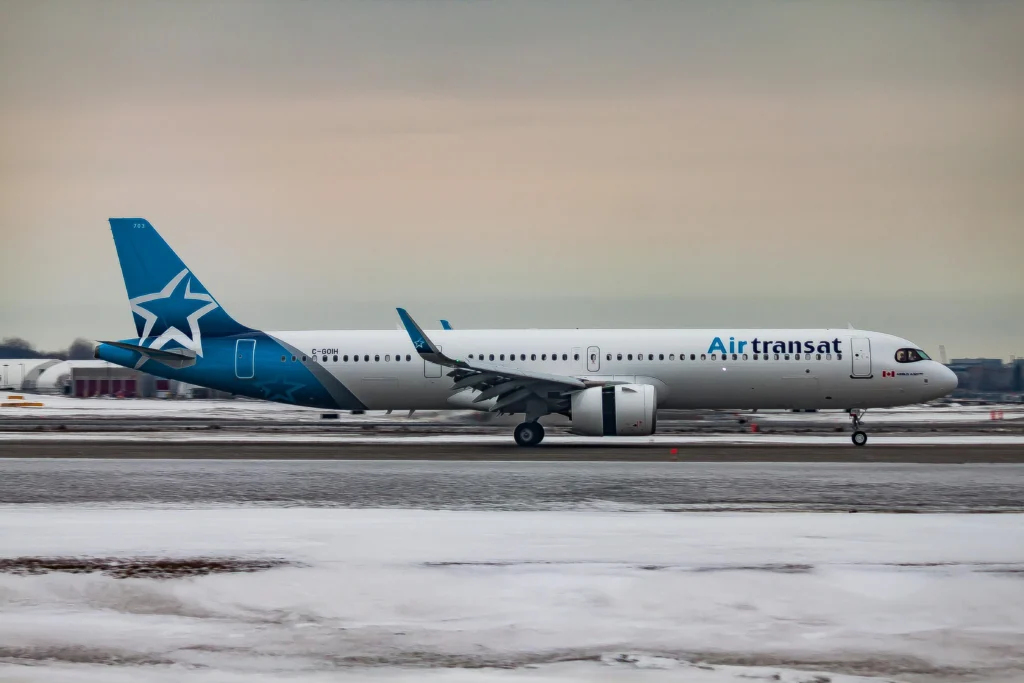
Midhun Haridas and wife, Parvathy Radhakrishnan Nair, flew Air Transat home from Punta Cana International Airport (PUJ) in March 2024. An agent claimed they stood in the wrong check-in spot and grew irritated. He refused check-in.
Haridas recorded the exchange. The agent demanded, “Delete all pictures and all videos for check-in.” As departure neared, the couple pleaded to board.
The agent required them to delete videos and sign a form admitting to disruptive and abusive behavior. They refused. The plane left, so they booked a later flight with another carrier.
One-Party Consent Protects Recordings
Canada’s Criminal Code allows recording if one participant consents. Tamir Israel, director of the Privacy Surveillance Technology Program at the Canadian Civil Liberties Association, explains that passengers need only their own consent for service interactions.
According to CBC, such evidence strengthens claims under the Air Passenger Protection Regulations.
Israel notes employees resist recording to avoid becoming memes online. He warns, “Things are going to escalate” without systemic training, especially as holiday travel disputes rise.
Courts Uphold Passenger Evidence
Haridas consulted the Air Passenger Rights group and filed a small claim. He submitted videos. The judge called the recordings essential to reveal “how terrible the customer service” was. He labeled Air Transat (TS) conduct egregious and awarded $7,000 for denied check-in without reason.
Air Transat initially tied boarding to video deletion but later claimed the couple posed a security risk. Israel says recordings counter shifting airline stories.
Huang seeks compensation from WestJet (WS) via the Canadian Transportation Agency after denial.
Airlines Respond and Train Staff
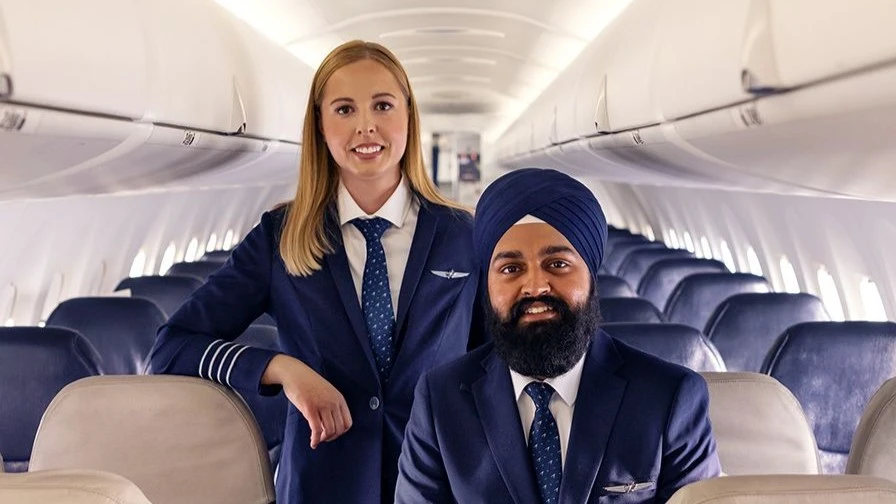
WestJet declined on-camera interviews. A spokesperson said the airline investigated promptly, apologized, and conducted internal follow-up. Personnel matters remain confidential under privacy laws.
Air Transat regrets that the experience fell below standards. The involved employee no longer staffs flights.
Huang states, “If it can happen to us, it can happen to anyone.” He urges better staff training on rights.
Stay tuned with us. Further, follow us on social media for the latest updates.
Join us on Telegram Group for the Latest Aviation Updates. Subsequently, follow us on Google News
