


LONDON- The United Kingdom government has selected Heathrow Airport’s (LHR) proposal for a long, 3,500-metre third runway—requiring the rerouting of the M25 motorway—as the preferred scheme for expansion. This marks a significant policy shift in favour of Heathrow’s ambitious, privately financed development.
The decision comes amid a broader review of the Airports National Policy Statement (ANPS), with Transport Secretary Heidi Alexander backing Heathrow’s plan as the “most deliverable” option. A final planning application is expected after this review, possibly leading to a decision by around 2029.
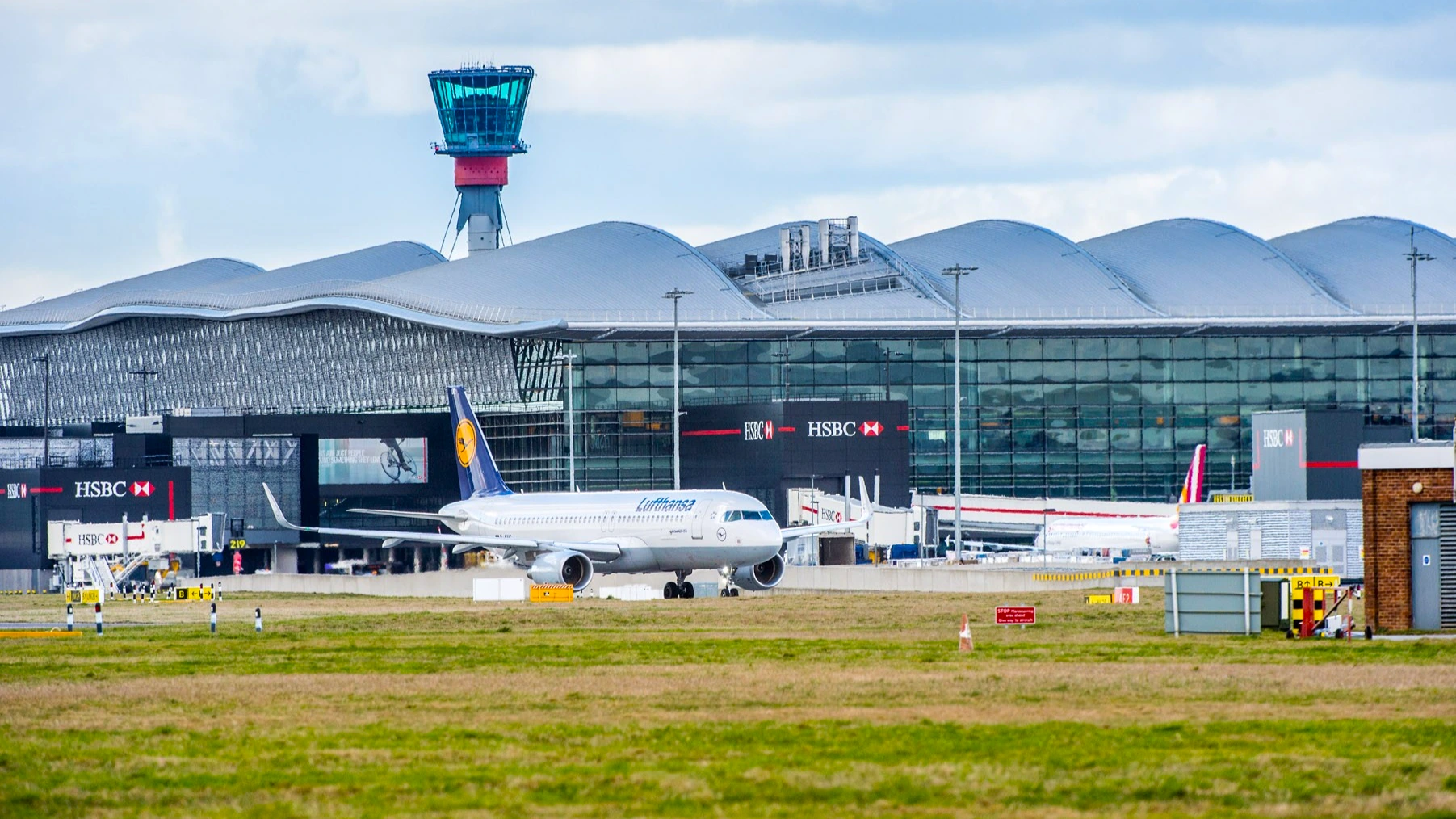
London Heathrow Can Finally Get a Third Runway
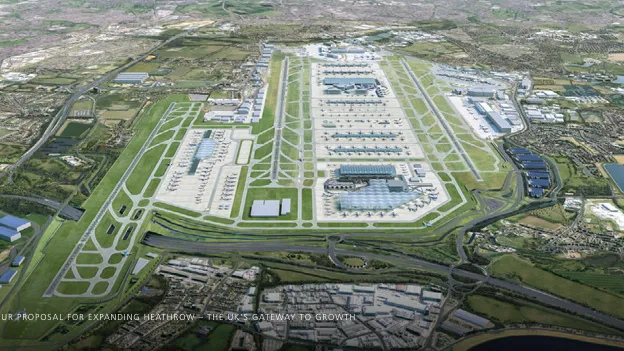
Heathrow’s scheme involves constructing a full‑length runway and creating a new road tunnel beneath the airport to divert a section of the M25.
The airport estimates the development costs at around £21 billion for the runway infrastructure, with the total project – including new terminals – likely to reach £49 billion. The plan is fully privately financed.
By contrast, its rival proposal by the Arora Group, led by Surinder Arora, called for a shorter 2,800-metre runway that would avoid moving the motorway. The government ultimately rejected that option in favor of Heathrow’s larger‑scale scheme.
The government argues that expanding Heathrow is critical for boosting trade, international connectivity, and job creation.
Transport Secretary Alexander called Heathrow the UK’s only true hub airport and said the third runway would support long-term economic growth.
Heathrow, meanwhile, projects that once expanded, it could handle up to 150 million passengers a year and more than 750,000 flights annually, bringing substantial benefits for both airlines and the wider economy.
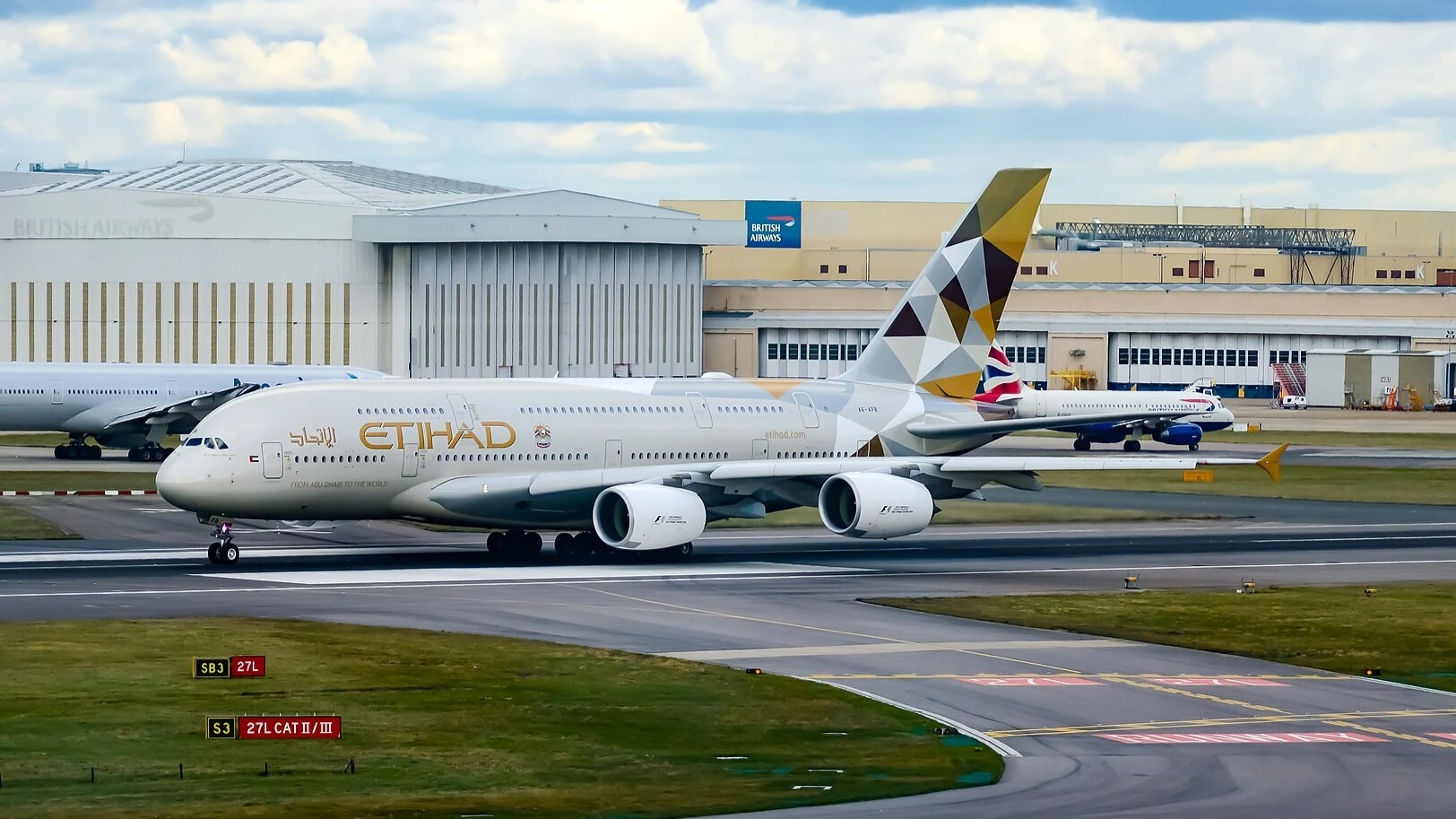
Planning & Timeline
Following the government’s backing, the updated Airports National Policy Statement (ANPS) will now undergo a further review; the Transport Secretary says she expects a revised ANPS to be published for public consultation by summer 2026.
Once the ANPS is finalised, Heathrow plans to submit a formal planning application. Company projections suggest a decision by 2029, with runway operations potentially beginning by 2035.
Opposition, Concerns, and Infrastructure Challenges
Not everyone welcomes the decision. Environmental groups, local communities, and some politicians argue the expansion will harm air quality, increase noise, and conflict with the UK’s climate targets.
British Airways (IAG) has also voiced caution. Its CEO, Sean Doyle, has urged the government to reconsider moving the M25, warning that higher landing fees could make Heathrow less competitive.
Heathrow, for its part, has called for clarity over how the new terminal and runway will be regulated, especially around its ability to raise charges to recover costs.
Building the runway will require a major civil engineering effort. Heathrow’s plan includes tunneling the motorway and redirecting traffic during construction.
Critics warn this could pose logistical and environmental challenges, including the compulsory purchase of homes and the impact on nearby communities.
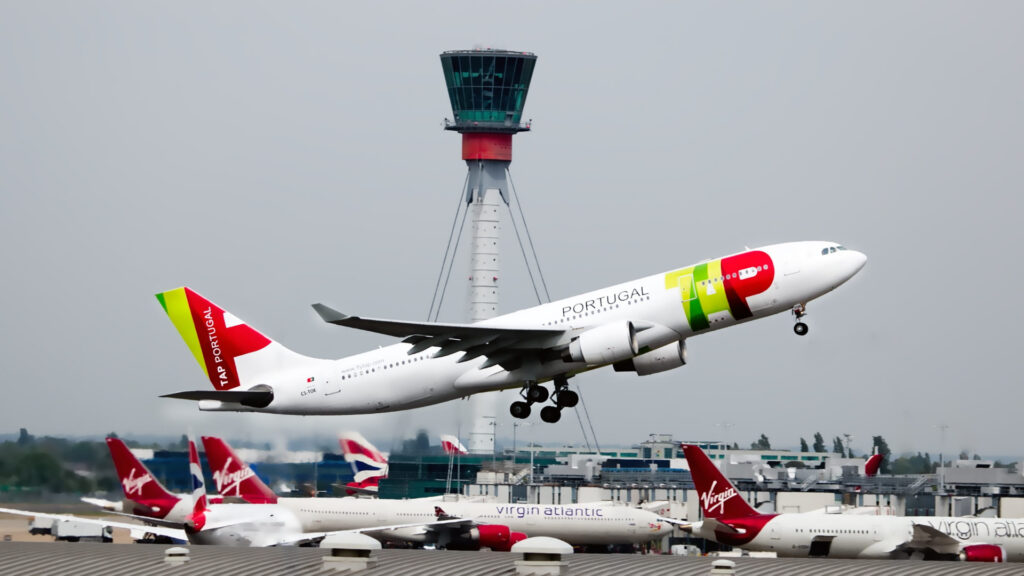
Bottom Line
The UK government’s choice of Heathrow’s full‑length third runway signals a firm commitment to expanding its major hub airport.
The plan, requiring the M25 to be rerouted, is projected to cost tens of billions but promises major economic returns and capacity growth.
Still, significant planning, regulatory, and environmental hurdles lie ahead before the runway can become operational.
Stay tuned with us. Further, follow us on social media for the latest updates.
Join us on Telegram Group for the Latest Aviation Updates. Subsequently, follow us on Google News
