

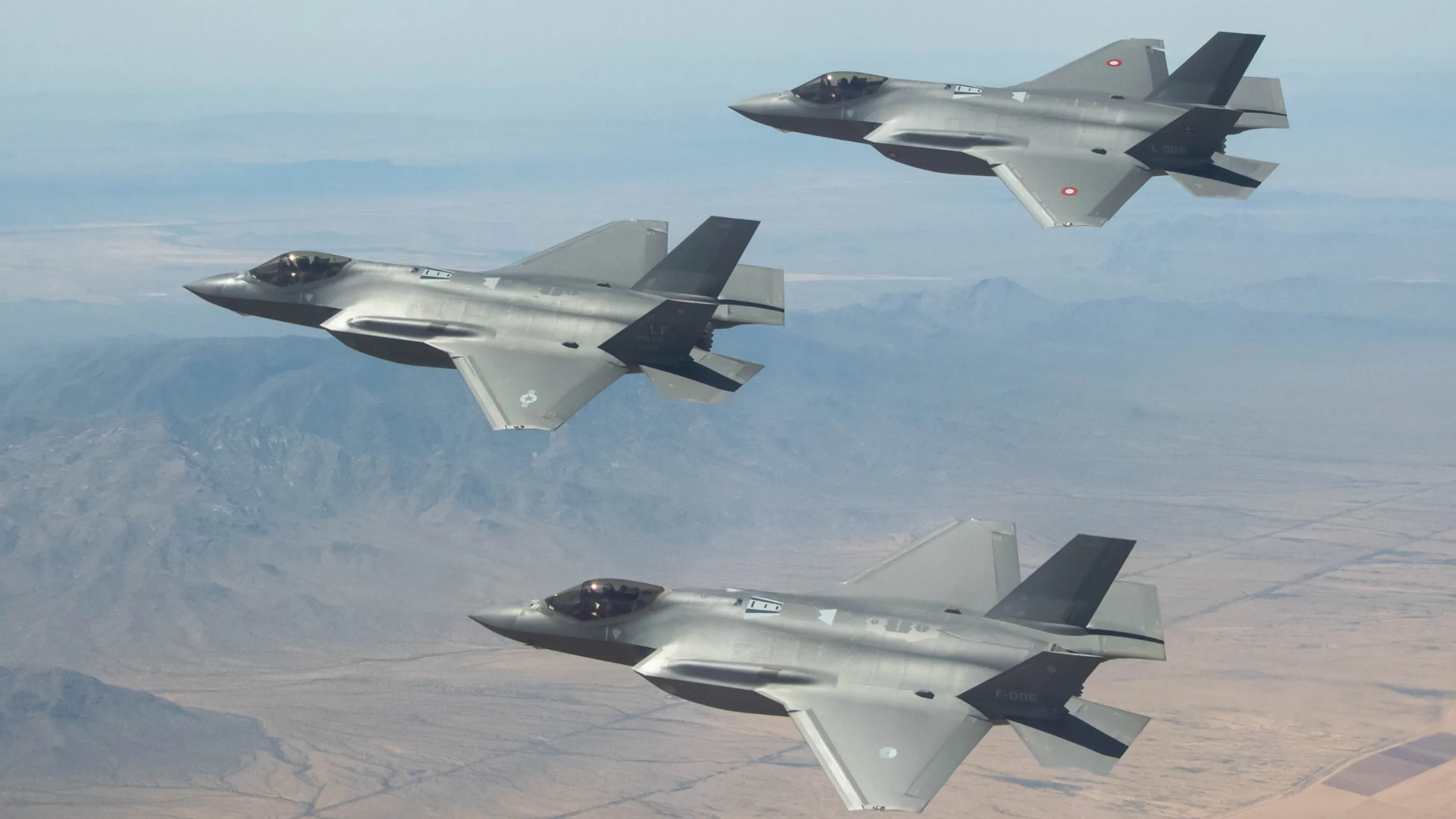
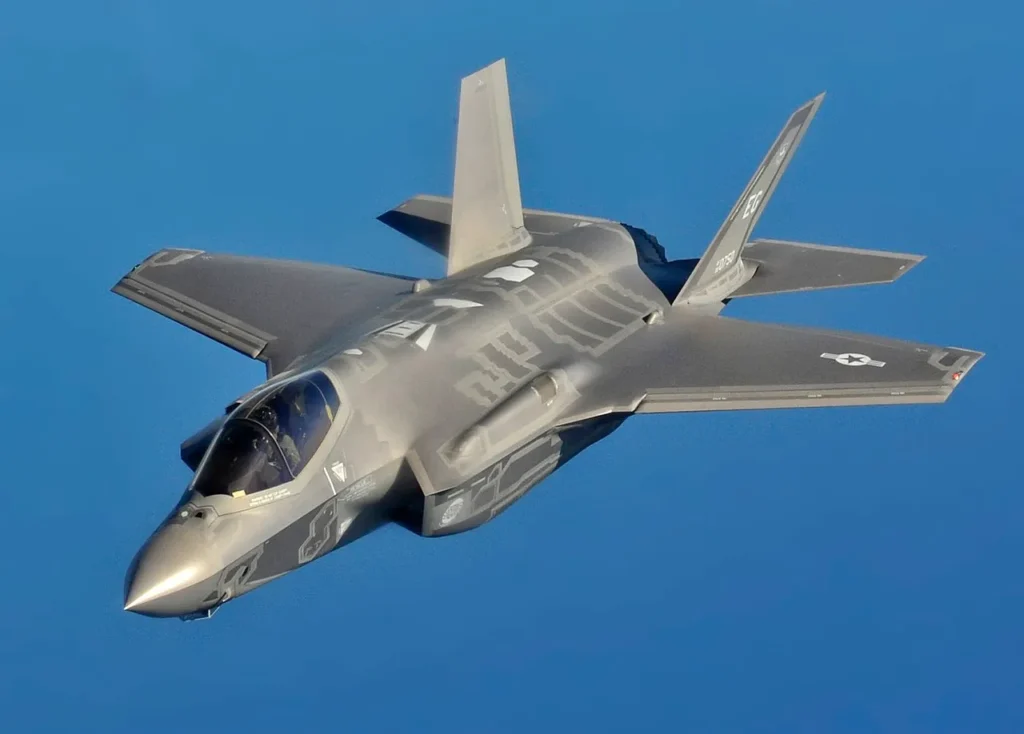
NEW MEXICO- The US Air Force carried out the first and so far only tests of dropping inert B61-12 nuclear gravity bombs from the F-35A at Tonopah Test Range near Las Vegas (LAS).
These tests used aircraft and personnel from Hill Air Force Base near Salt Lake City (SLC) and confirmed the fighter’s compatibility with the updated weapon system.
The Energy Department and Air Force conducted the drops between August 19 and August 21, using unarmed joint test assemblies identical to operational bombs without nuclear warheads. According to Defense News, this event marked a major validation milestone for the B61-12 integration effort.
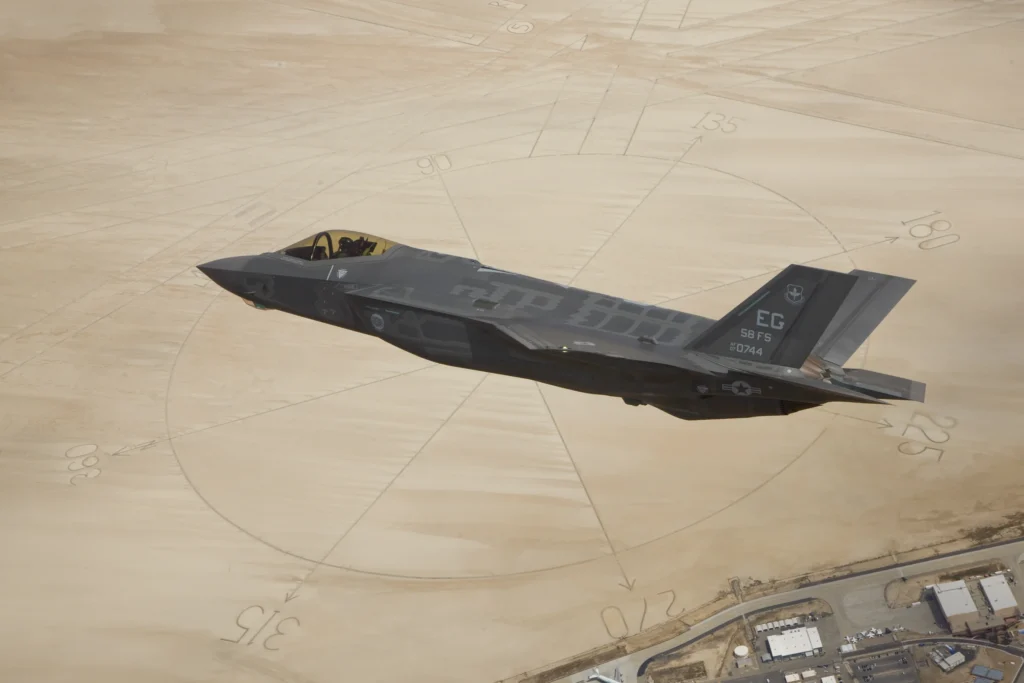
US Air Force Tests B61-12 Bombs
Sandia National Laboratories and the National Nuclear Security Administration oversaw multiple flight tests across the August 19 to August 21 window.
Sandia confirmed that these tests were the first and only B61-12 releases from an F-35 to date.
The campaign included both drop tests and captive carry flight tests that ensured the aircraft and weapon could operate reliably in mission conditions.
Jeffrey Boyd, Sandia surveillance lead for the B61-12 and B61-13, called the effort a capstone accomplishment following extensive interagency planning.
He stated that the series represented the greatest B61-12 flight testing surveillance volume completed in a single year and the most expected for the foreseeable future.
The team conducted the first thermal preconditioning of a joint test assembly before loading it onto an F-35, confirming real-world environmental performance.
Video released by Sandia showed personnel transporting the bomb across the Hill Air Force Base flightline in the early morning hours of August 19 and loading two units into the jet’s internal weapons bays before departure for Tonopah.
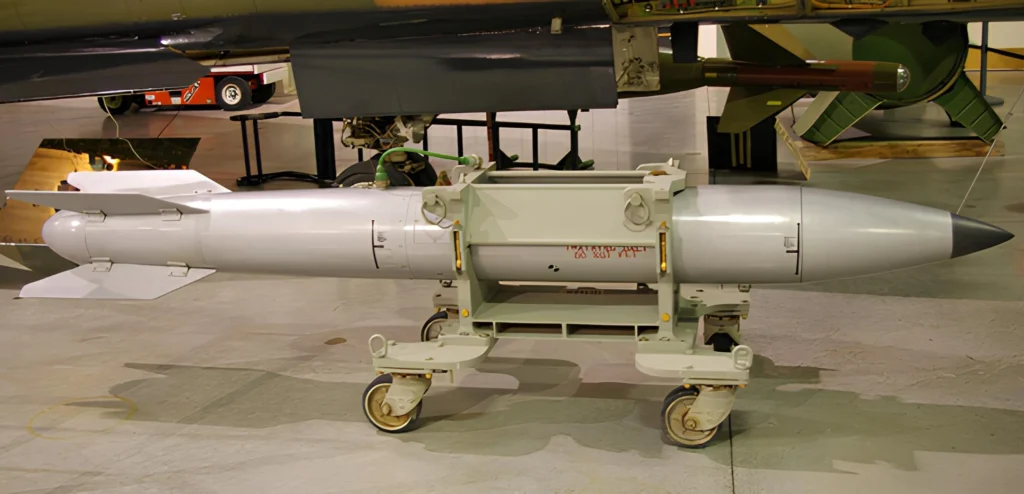
Modernization Efforts Within the B61 Family
The B61 nuclear gravity bomb family has supported US and NATO bases for more than fifty years. The National Nuclear Security Administration recently concluded a life extension program that will keep the B61-12 in service for at least twenty more years.
This work refurbished, reused, or replaced key nuclear and non-nuclear components and consolidated three older variants. The B61-12 now replaces the B61-3, B61-4, and B61-7 models.
This modernization effort marked the first major upgrade to an Air Force nuclear warhead in more than three decades.
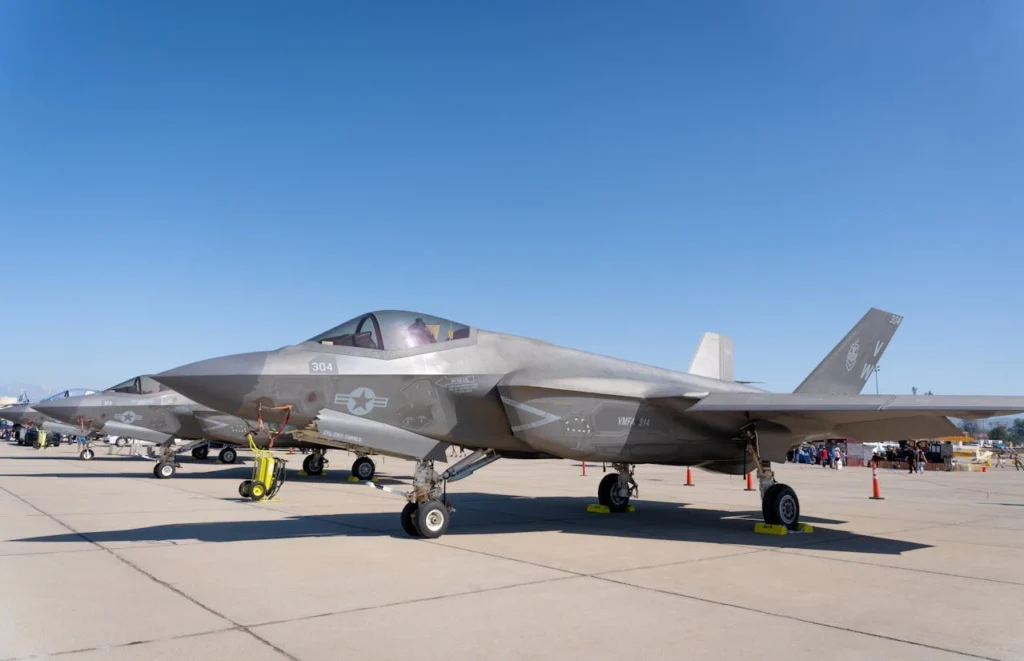
Enhanced Integration and Aircraft Compatibility
The Air Force Nuclear Weapons Center directed the development of the Boeing produced guided tail kit that provides improved accuracy for the B61-12.
The weapon has been integrated with the B-2 Spirit, F-15E Strike Eagle, F-16 Fighting Falcon, and now the F-35A.
At Tonopah, test range manager Brian Adkins oversaw two successful days of evaluation involving three distinct test assets.
Policy Context and Remarks
These tests occurred well before President Donald Trump posted statements in late October alleging that other nations were secretly conducting nuclear tests and urging the United States to test on an equal basis.
Energy Secretary Chris Wright clarified in early November that ongoing subsystem tests for new weapons would not involve any full nuclear detonation.
Stay tuned with us. Further, follow us on social media for the latest updates.
Join us on Telegram Group for the Latest Aviation Updates. Subsequently, follow us on Google News
