


CHICAGO- Tata Group-owned Air India (AI) flights from Chicago O’Hare Airport (ORD) are drawing attention after a viral video showed an unusually large queue of wheelchairs at the gate. The clip has renewed debate about whether passengers are misusing wheelchair assistance or whether the issue reflects something more complex.
The first reaction online framed the situation as abuse of the system, but the reality is shaped by legal requirements, passenger demographics, and the structure of airport mobility services in the United States.
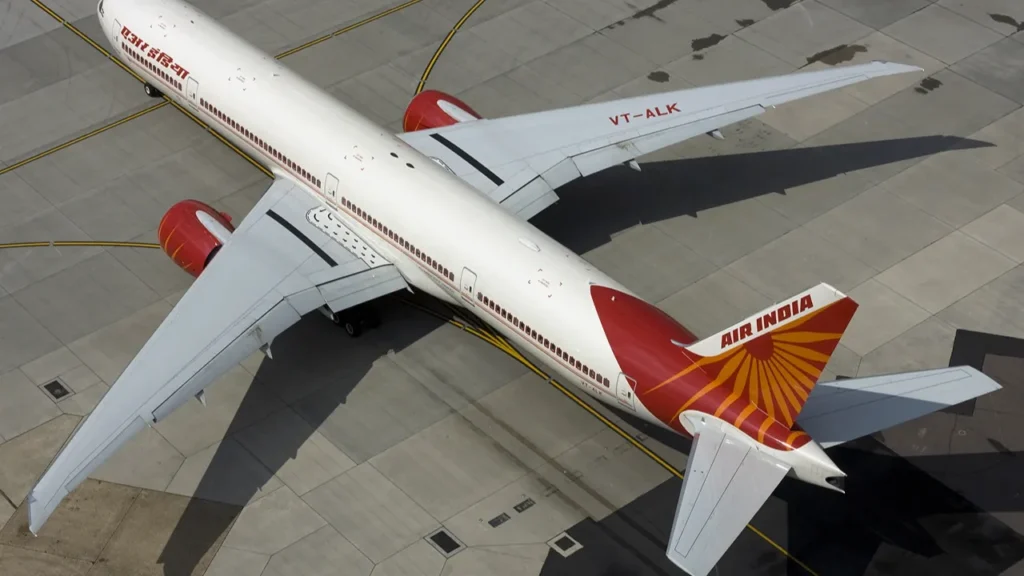
Air India Wheelchair Abuse?
The video posted from the Air India gate at Chicago O’Hare shows dozens of wheelchairs lined up before boarding.
Air India often records high wheelchair demand on long-haul routes from the United States, and some flights see up to 30 percent of passengers requesting assistance. This stands out, but it aligns with the mix of travelers on these routes, which often includes elderly passengers flying internationally to visit family.
Under the 1986 Air Carrier Access Act, every airline in the United States must provide wheelchairs at no cost to passengers with disabilities.
The rule protects access for those who genuinely need mobility support. It also means carriers must respond to any request, even if the need is not tied to a medically documented condition.
Many travelers using the service are not scamming the system. In many cases, they may not be confident navigating a major airport alone.
Some do not speak English, others may be unfamiliar with large transit hubs, and many simply feel more secure with direct assistance through security, terminal transfers, and boarding, OMAAT flagged.
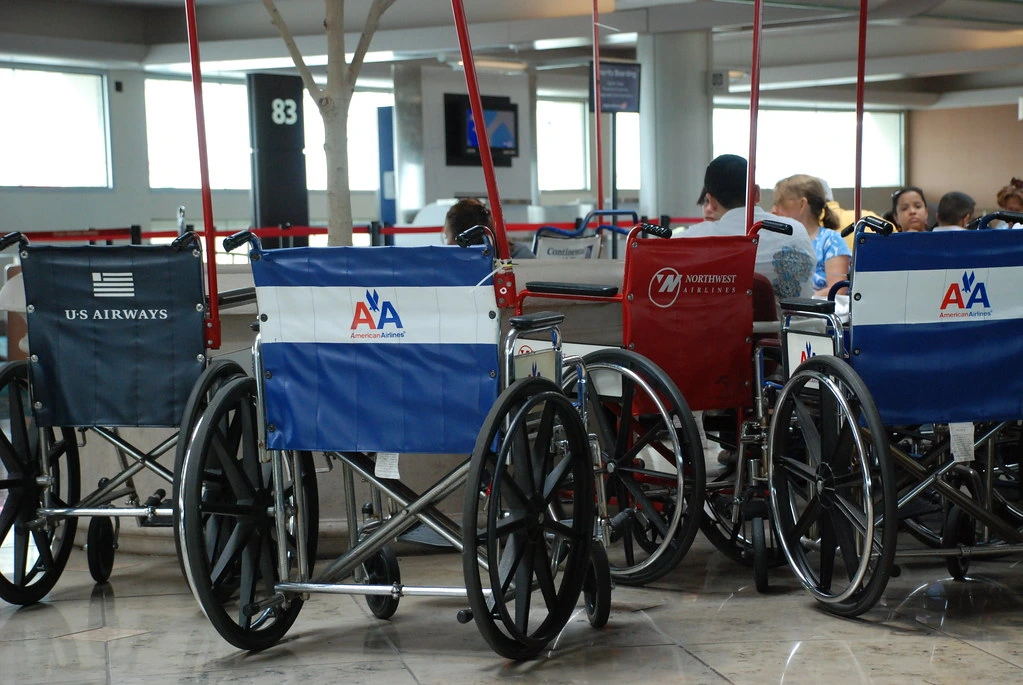
Why Are Airlines Struggling to Manage Costs?
Wheelchair assistance is a significant expense for carriers. Frontier Airlines has previously estimated each request at about 30 to 35 dollars in the United States. Multiply that by several dozen passengers per flight, and the operational bill rises sharply.
Beyond cost, boarding takes longer when large numbers of wheelchair passengers are involved, adding pressure to schedules that already operate with tight turnaround windows.
Because U.S. law prohibits charging for wheelchair use, airlines cannot impose fees or deterrents. They must provide the service on request, even when usage patterns suggest part of the demand comes from passengers seeking general guidance rather than mobility support.
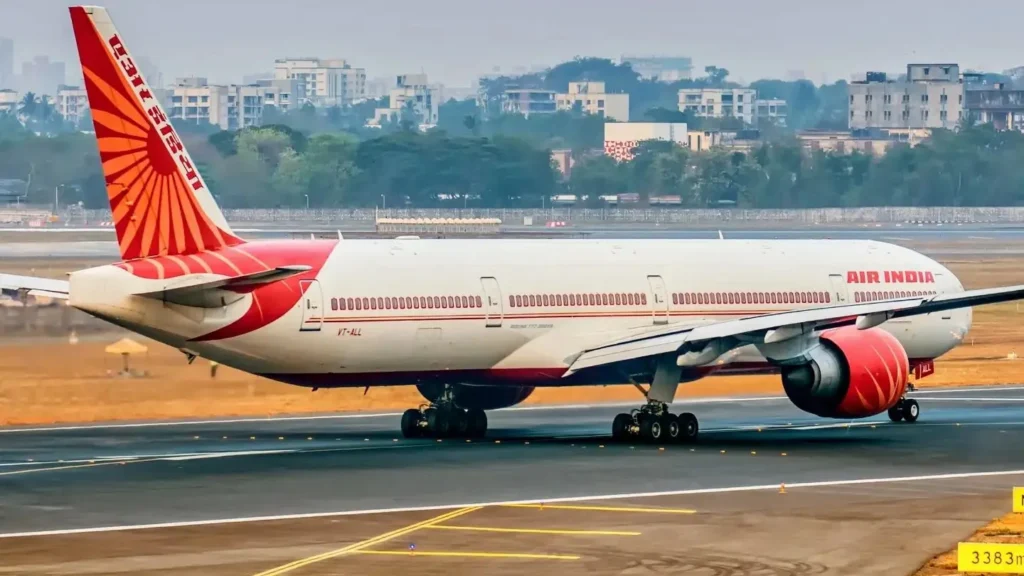
Searching for Realistic Alternatives
Some have suggested group escort programs for passengers who want help but do not require a wheelchair. One staff member guiding a cluster of travelers would be far cheaper than individual wheelchair attendants. The idea makes sense on paper, but it is difficult to operationalize at scale in busy international terminals.
Still, airlines and airports may need fresh thinking. A structured guidance option could ease pressure on wheelchair services and improve flow without compromising care for passengers who rely on mobility assistance.
The viral video has pushed the topic back into public discussion, but the underlying issue is not simply misuse. It is shaped by legal requirements, cultural travel patterns, and the anxiety many passengers feel in unfamiliar airport environments.
The challenge for airlines is to protect accessibility while finding a more efficient middle ground that preserves dignity and reduces strain on operations.
Stay tuned with us. Further, follow us on social media for the latest updates.
Join us on Telegram Group for the Latest Aviation Updates. Subsequently, follow us on Google News
