

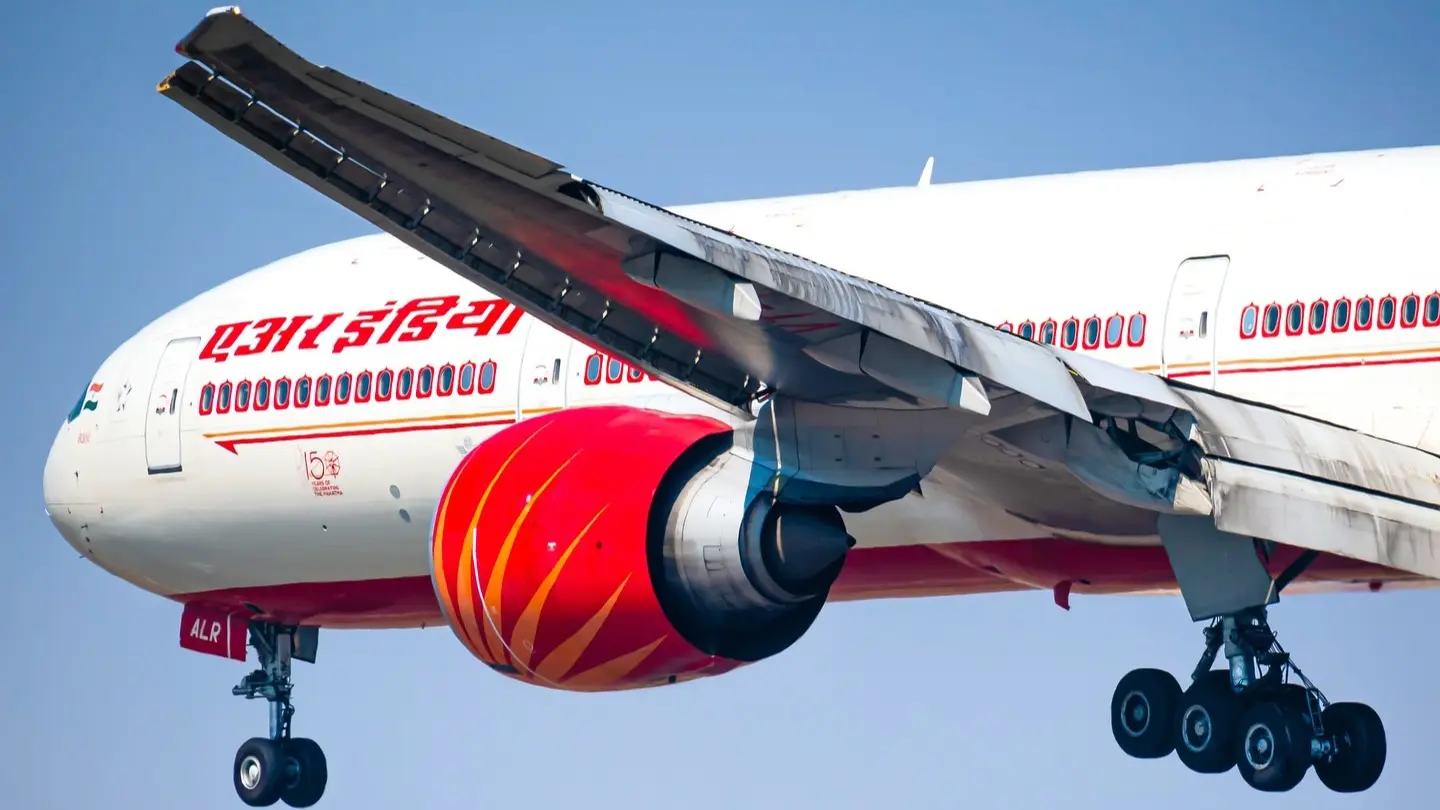
DELHI- Tata Group-owned Air India (AI) faces renewed criticism after a passenger reported a distressing experience in first class on flight AI187 from Delhi (DEL) to Toronto (YYZ), which included a refueling stop in Vienna (VIE).
The traveler described a 19-hour journey marked by safety lapses, malfunctioning equipment, and hygiene issues, reigniting questions about the airline’s maintenance standards nearly four years after its privatization.
Air India First Class Passenger Injured
On October 12, 2025, a passenger flying Air India’s flagship Delhi (DEL)–Toronto (YYZ) route shared photos and details of a troubling first-class experience on social media.
The 19-hour trip, including a refueling stop in Vienna (VIE), became a viral example of what many critics say is the airline’s ongoing struggle to maintain its aircraft interiors.
According to the passenger, several serious issues occurred during the flight:
- The first-class seat malfunctioned repeatedly and required manual repair by the crew.
- An overhead reading light detached mid-flight and struck the traveler.
- A damaged USB port with sharp edges caused minor injuries.
- The passenger reported bed bugs in the seat and blankets, resulting in visible rashes.
- Torn upholstery, cracked cabin panels, and visible dirt reinforced the perception of poor upkeep.
The crew reportedly apologized, documented the incident, and filed a report acknowledging the aircraft’s deteriorated condition. The passenger has since requested a full refund and compensation for physical injury and emotional distress.
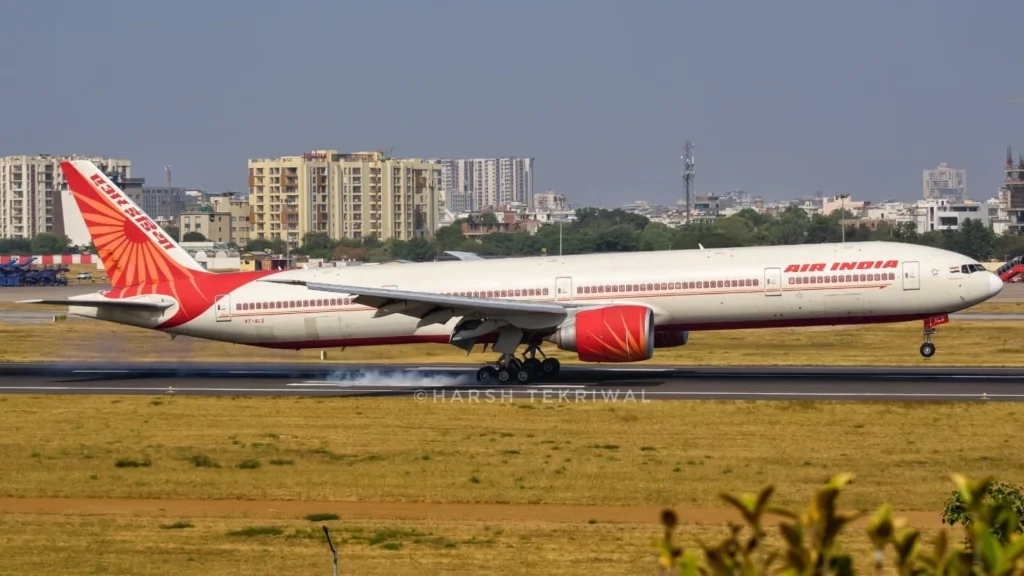
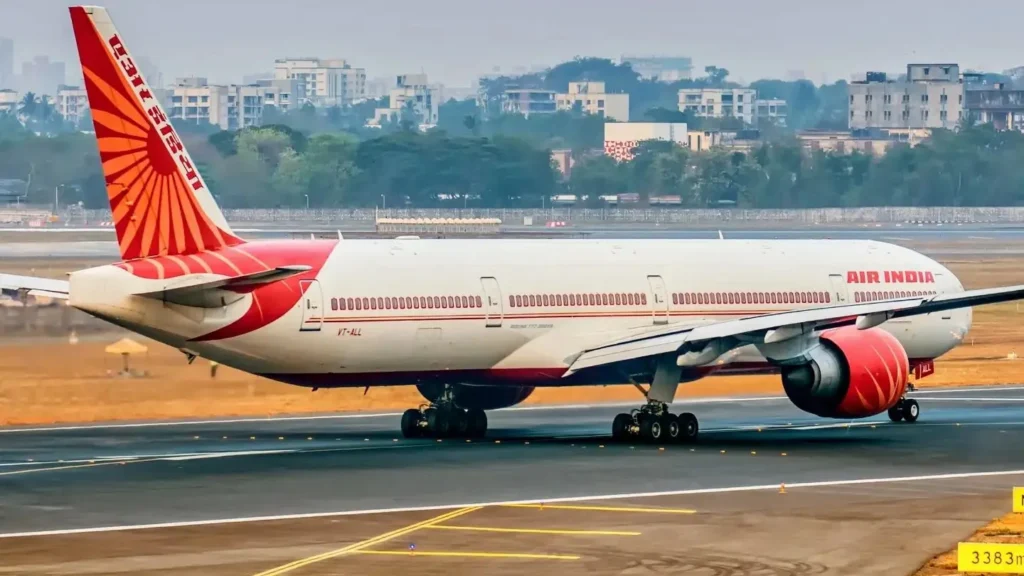
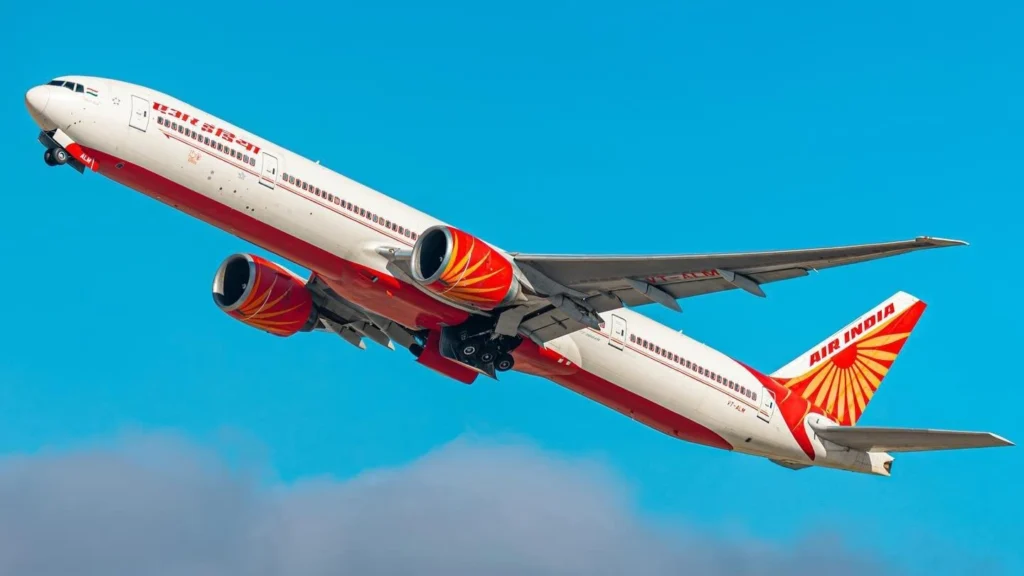
The flight was operated by a Boeing 777-300ER, registered as VT-ALO. Further, it is a 16-year-old aircraft powered by two GE-90 engines.
Maintenance Gaps Despite Ongoing Overhaul
Since its privatization in early 2022, Air India (AI) has announced several initiatives to modernize its fleet and elevate passenger experience. However, progress has been slow. As of late 2025, none of the airline’s wide-body jets have been retrofitted with the new first or business class seats unveiled in mid-2023.
While delays in aircraft refurbishment are not uncommon due to supply chain and certification challenges, the condition of existing cabins raises deeper concerns.
Basic upkeep—such as repairing fixtures, replacing worn panels, and ensuring functional seats—falls within the airline’s control, and passengers increasingly view the lack of visible improvement as a sign of neglect.
Industry analysts suggest that Air India’s transformation strategy is heavily focused on large-scale modernization and fleet renewal, leaving routine cabin maintenance underprioritized.
The airline has previously acknowledged such gaps, promising to improve cleaning and technical inspection procedures, but incidents like this continue to surface, OMAAT flagged.
The Broader Implication for Air India’s Image
Repeated reports of poor cabin conditions risk undermining Air India’s global reputation just as it seeks to position itself as a premium international carrier.
The Delhi (DEL)–Toronto (YYZ) route, one of its most competitive long-haul services, is a key part of that effort. Yet, first-class passengers encountering malfunctioning seats and hygiene issues erode confidence in the brand’s premium ambitions.
Air India’s management has previously refunded affected passengers and vowed to enhance quality control, but the recurrence of similar incidents suggests a systemic maintenance problem rather than isolated lapses.
Until existing aircraft receive consistent upkeep and quality checks, even new fleet additions may not offset the negative perception surrounding its long-haul services.
Bottom Line
Air India (AI) continues to face scrutiny over the condition of its first-class cabins after a Delhi (DEL)–Toronto (YYZ) flight exposed severe maintenance issues.
Despite privatization and ongoing modernization, the airline’s inability to maintain functional, clean interiors highlights a persistent operational gap.
Restoring trust will require not only new aircraft but consistent attention to the basics of safety, comfort, and reliability.
Stay tuned with us. Further, follow us on social media for the latest updates.
Join us on Telegram Group for the Latest Aviation Updates. Subsequently, follow us on Google News
