

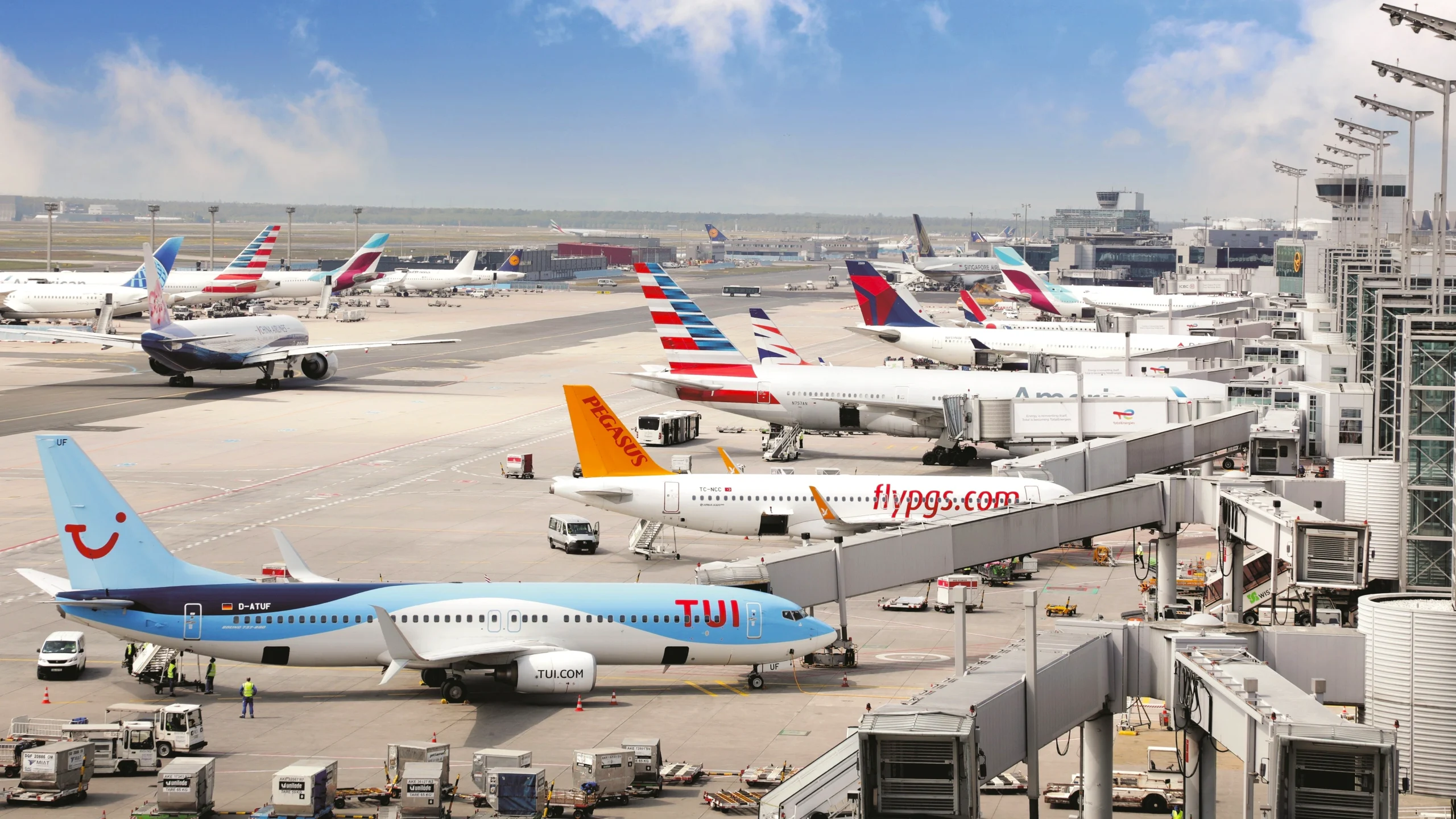
Air connectivity is one of the most important indicators of an airport’s global relevance.
It reflects the ability of travelers to move between continents quickly and airlines to strengthen their competitive edge. Europe remains home to some of the busiest and best-connected airports in the world in 2025
This ranking is based on airline dominance and share of flights, giving a clear picture of how each hub functions. From Rome to London, here are the top 10 Most Connected Airports in Europe 2025.
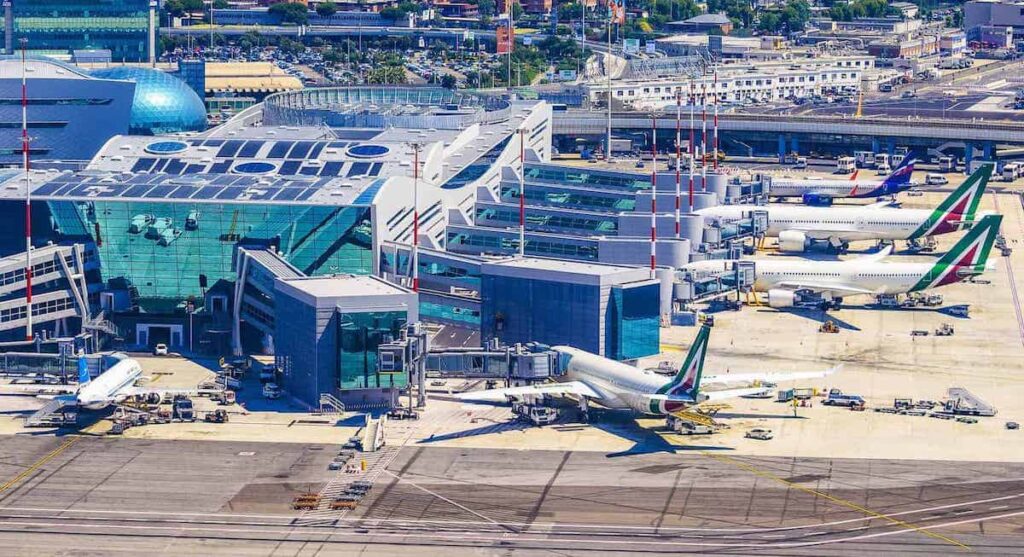
10. Rome Fiumicino Airport (FCO) – Italy
At number ten, Rome Fiumicino (FCO) is the leading hub in Italy. The airport’s connectivity is primarily supported by ITA Airways, which accounts for 29% of total flights. Though still building its international network, ITA is expanding gradually with support from SkyTeam partners.
FCO serves as a vital link for Southern Europe, with connections to North America, Latin America, and Africa. Ongoing modernization projects are improving the passenger experience while also boosting operational capacity.
Beyond airline dominance, FCO’s strength lies in its growing role as a multi-airline hub. Low-cost carriers like Ryanair and Wizz Air have expanded their presence, complementing ITA Airways’ long-haul focus.
This combination gives travelers a wide range of options, from budget-friendly intra-European flights to premium intercontinental journeys.

https://commons.wikimedia.org/wiki/File:%C4%B0stanbul_Havaliman%C4%B1_Airport_2019_24.jpg
9. Istanbul Sabiha Gökçen Airport (SAW) – Türkiye
Istanbul Sabiha Gökçen (SAW) ranks ninth, fueled by Pegasus Airlines, which holds a commanding 63% share of flights. Unlike Istanbul’s larger hub IST, SAW focuses on short and medium-haul operations, catering to budget-conscious travelers.
Pegasus Airlines’ point-to-point network has made SAW a major hub for low-cost travel within Europe and the Middle East. Its rapid growth reflects the rising demand for affordable air travel options in Türkiye and beyond.

8. Athens International Airport (ATH) – Greece
At number eight, Athens Airport (ATH) continues to expand as a regional hub. Aegean Airlines, with a 39% market share, is the dominant carrier, providing strong connectivity across Europe and the Eastern Mediterranean.
ATH benefits from Greece’s booming tourism sector, which has significantly increased both seasonal and year-round traffic. Its geographic location also makes it an important transit point for flights linking Europe with the Middle East and North Africa.

7. Madrid Barajas Airport (MAD) – Spain
Madrid Barajas (MAD) takes the seventh spot, with Iberia commanding 48% of flights. The airport is the premier European hub for connections with Latin America, thanks to Iberia’s extensive transatlantic operations.
As a member of the International Airlines Group (IAG), Iberia works closely with British Airways and Aer Lingus, expanding Madrid’s reach. Its growing importance ensures MAD remains the preferred gateway between Europe and South America.

6. Munich Airport (MUC) – Germany
In sixth place, Munich Airport (MUC) is Lufthansa’s secondary hub, with the airline operating 54% of flights. Known for its efficient operations and passenger-friendly facilities, MUC has consistently ranked high in customer satisfaction surveys.
The airport connects central Europe with global destinations, making it a strong alternative to Frankfurt. Munich’s strategic importance lies in balancing Lufthansa’s hub-and-spoke system while offering travelers seamless transfer options.
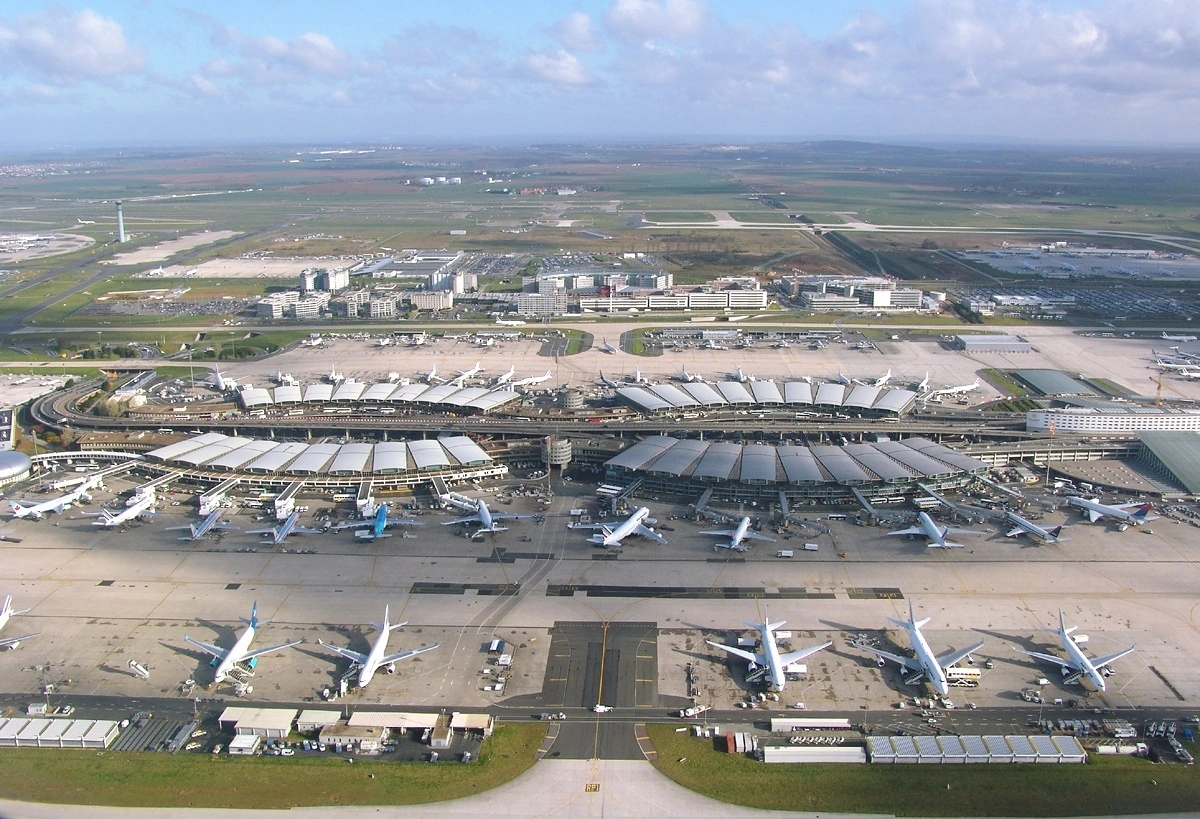
5. Paris Charles de Gaulle Airport (CDG) – France
Paris Charles de Gaulle (CDG) ranks fifth, dominated by Air France with a 56% share of flights. As France’s largest international gateway, CDG offers wide-reaching connectivity across Europe, Africa, and the Americas.
Air France’s membership in SkyTeam enhances CDG’s global reach. The airport continues to invest in infrastructure improvements, strengthening its role as one of Europe’s most essential aviation hubs.
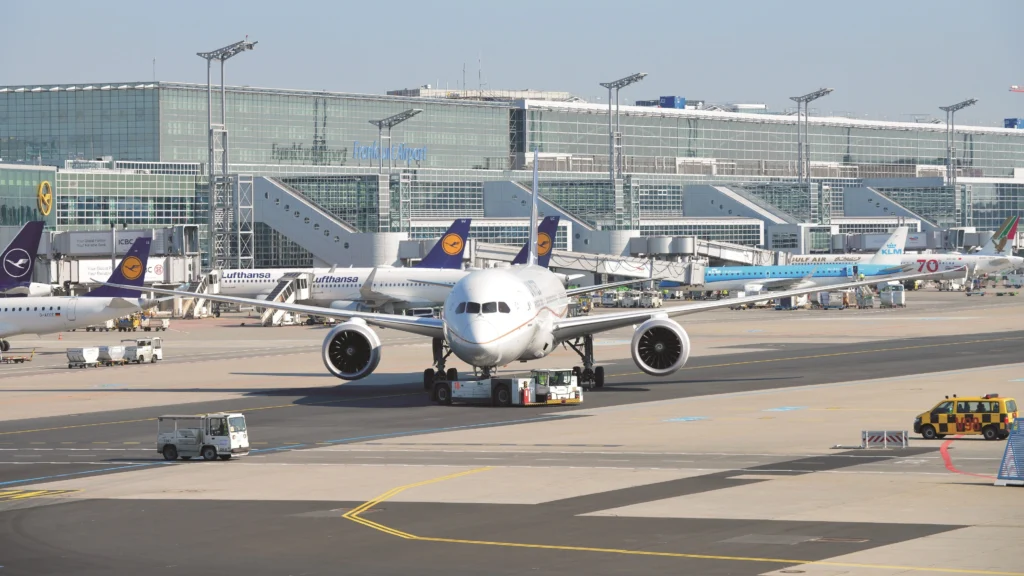
4. Frankfurt Airport (FRA) – Germany
At number four, Frankfurt Airport (FRA) stands as Germany’s busiest airport. Deutsche Lufthansa AG dominates with 56% of flights, making FRA the centerpiece of Lufthansa’s global network.
The airport’s central European location ensures strong connectivity across transatlantic and Asian routes. Frankfurt is also a critical hub for cargo, enhancing its overall importance in international aviation.
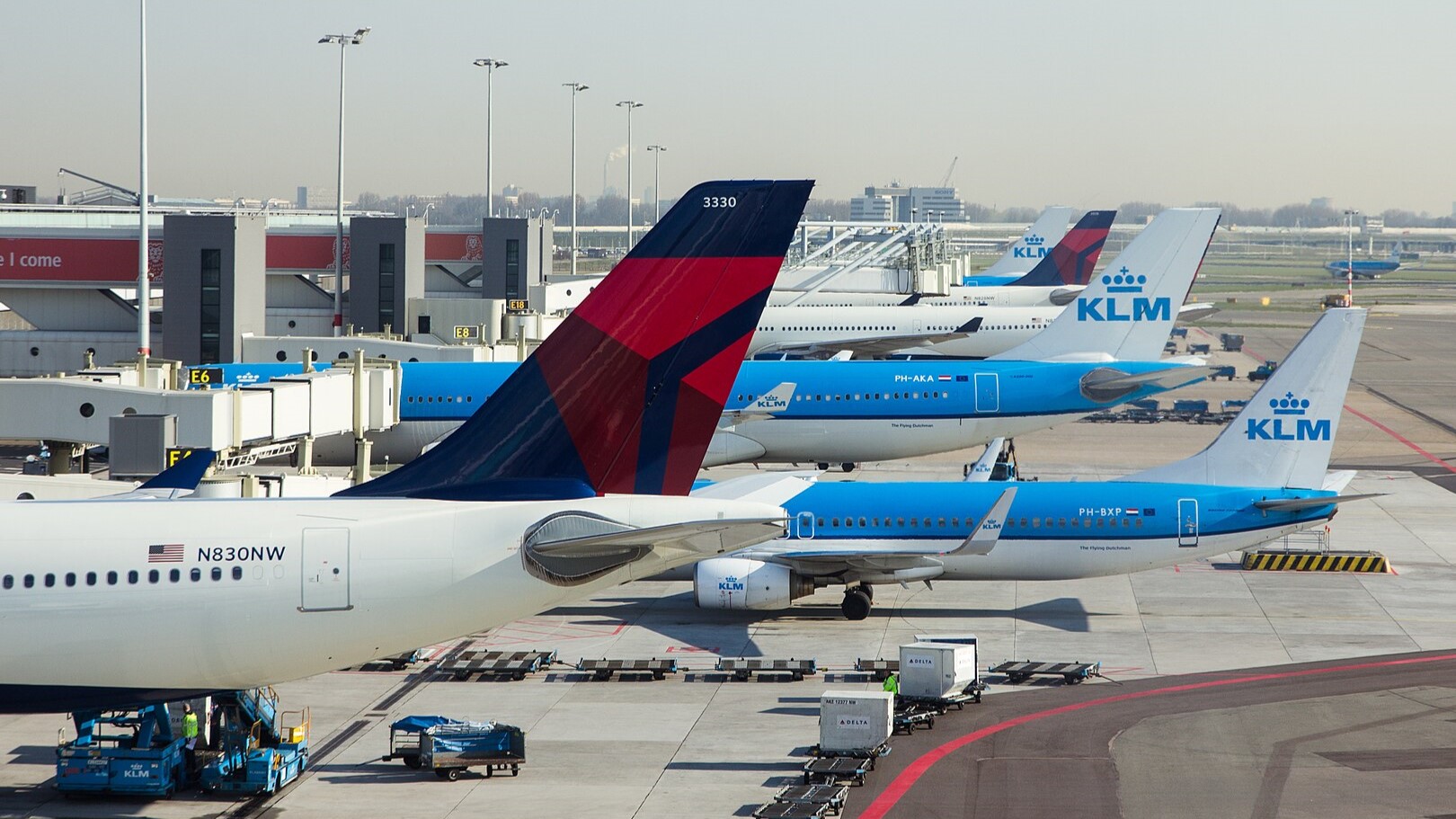
3. Amsterdam Schiphol Airport (AMS) – Netherlands
Amsterdam Schiphol (AMS) takes the third position, with KLM Royal Dutch Airlines operating 55% of flights. Schiphol’s success lies in its efficient transfer operations, supported by strong integration with rail transport.
As a SkyTeam hub, AMS connects passengers across Europe, North America, and Asia. Despite environmental restrictions limiting expansion, Schiphol remains a top choice for travelers seeking smooth transfer experiences.

2. Istanbul Airport (IST) – Türkiye
In second place, Istanbul Airport (IST) continues to grow rapidly, driven by Turkish Airlines, which accounts for an impressive 79% of all flights. Its geographic location at the crossroads of Europe and Asia provides a natural advantage.
IST has positioned itself as a premier hub for global connectivity, particularly for passengers traveling between Africa, Asia-Pacific, and North America. The dominance of Turkish Airlines ensures streamlined transfer experiences, making IST one of the fastest-growing hubs worldwide.
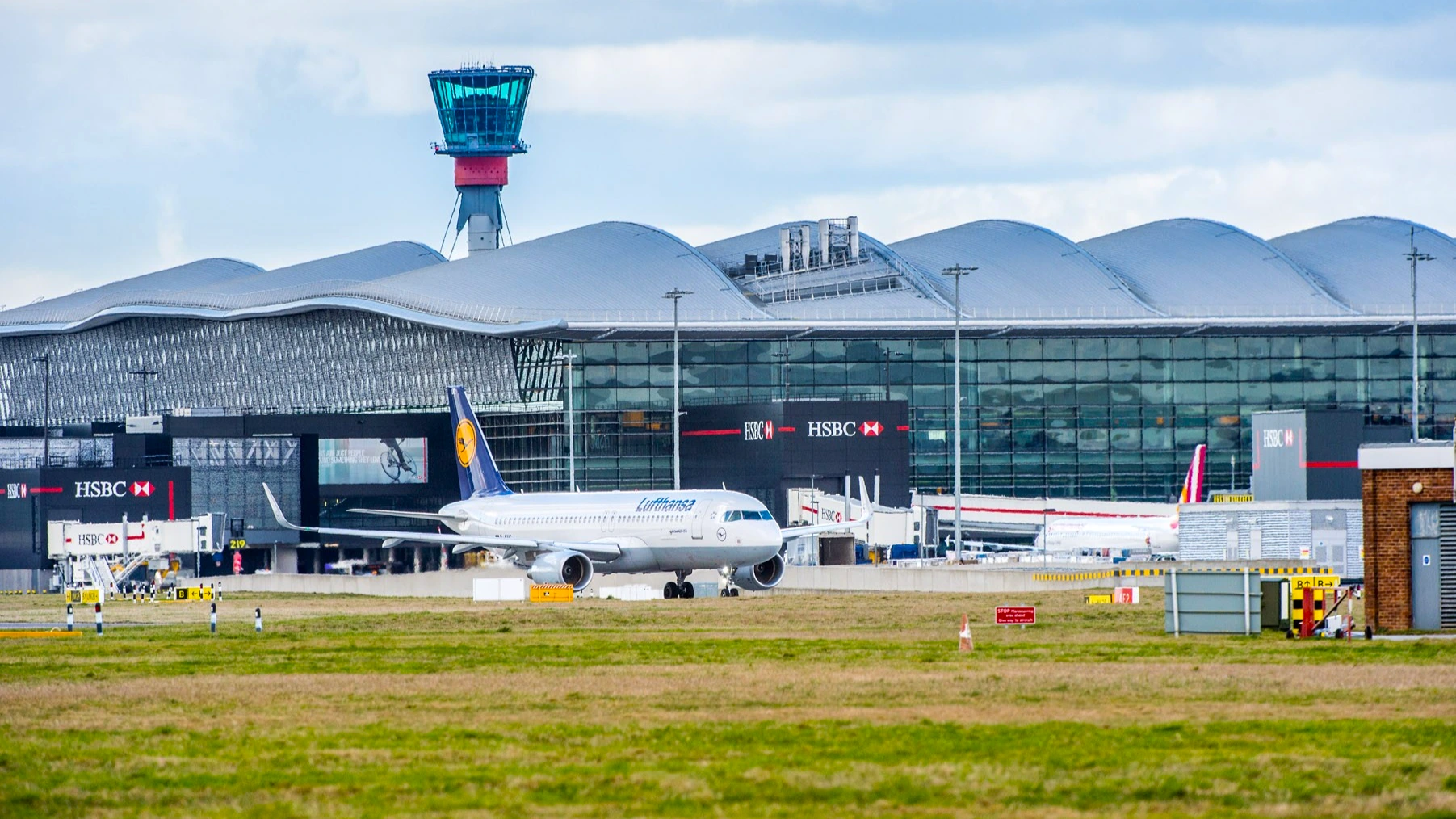
1. London Heathrow Airport (LHR) – United Kingdom
At the top of the ranking, London Heathrow (LHR) is Europe’s most connected airport in 2025. British Airways holds a 51% share of flights, underlining its dominance at this critical hub.
Heathrow serves as a vital transatlantic gateway while offering connections across Asia, Africa, and the Middle East. Its long-standing partnerships, frequent flight schedules, and global prestige secure its position as Europe’s number one airport for connectivity.
The following table gives us a clear picture of the rankings, based on OAG.
| Rank | Airport | Country | Dominant Carrier | Share of Flights |
|---|---|---|---|---|
| 1 | LHR | United Kingdom | British Airways | 51% |
| 2 | IST | Türkiye | Turkish Airlines | 79% |
| 3 | AMS | Netherlands | KLM Royal Dutch Airlines | 55% |
| 4 | FRA | Germany | Deutsche Lufthansa AG | 56% |
| 5 | CDG | France | Air France | 56% |
| 6 | MUC | Germany | Deutsche Lufthansa AG | 54% |
| 7 | MAD | Spain | Iberia | 48% |
| 8 | ATH | Greece | Aegean Airlines | 39% |
| 9 | SAW | Türkiye | Pegasus Airlines | 63% |
| 10 | FCO | Italy | ITA Airways | 29% |

Bottom Line
This ranking demonstrates how Europe’s airports serve diverse roles within the global aviation network.
While Heathrow and Frankfurt continue to dominate as traditional hubs, Istanbul showcases rapid expansion fueled by Turkish Airlines.
Airports like Madrid and Athens highlight regional strengths, while secondary hubs such as Munich and Sabiha Gökçen illustrate the importance of strategic carrier growth.
Together, these airports ensure Europe remains at the center of global aviation in 2025, offering travelers unmatched connectivity and choice.
Stay tuned with us. Further, follow us on social media for the latest updates.
Join us on Telegram Group for the Latest Aviation Updates. Subsequently, follow us on Google News
