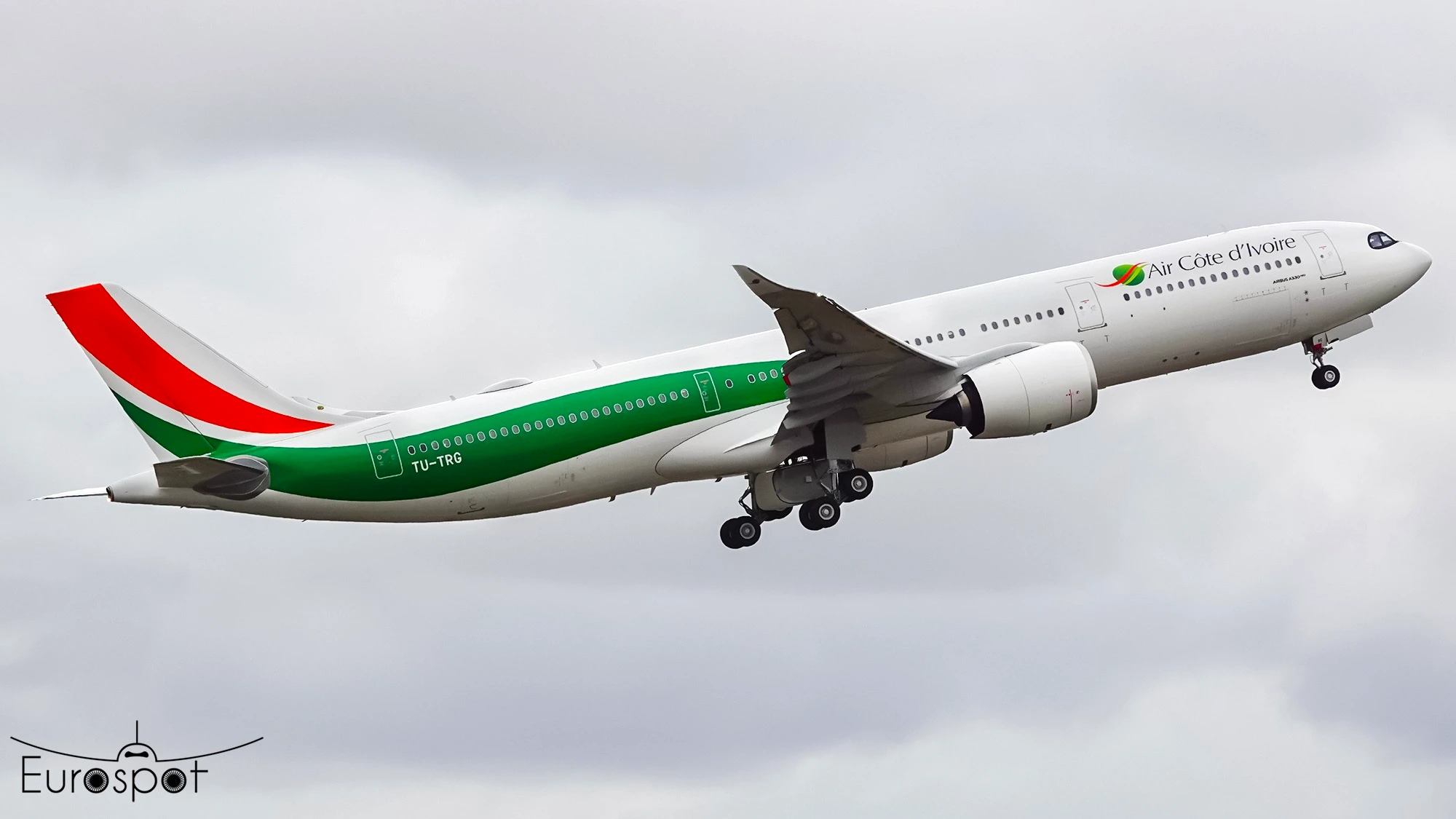
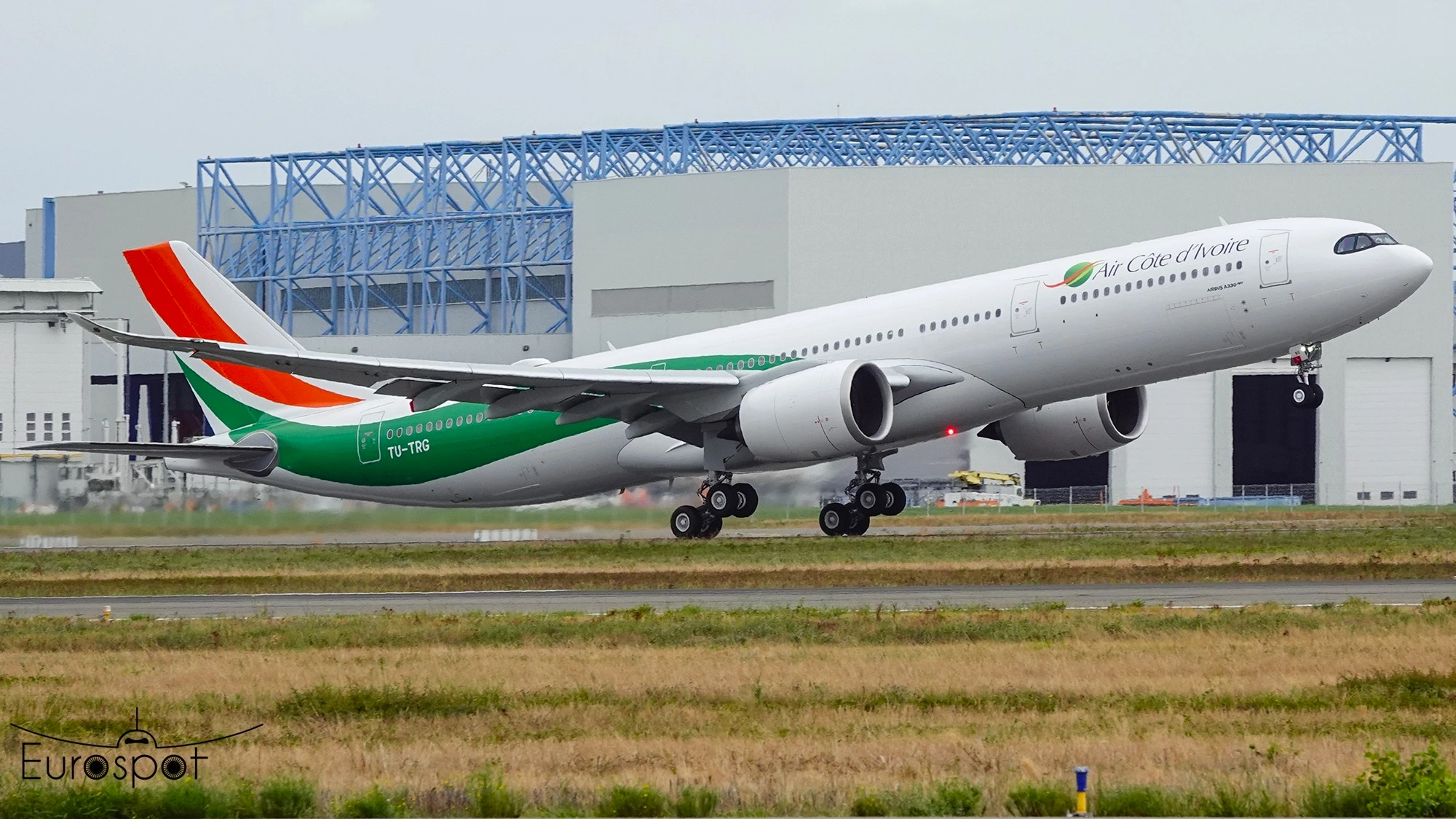
ABIDJAN— Aviation-content creator Josh Cahill recently accused national carrier Air Côte d’Ivoire (HF) of “downgrade, scam, and censorship” after what he described as a chaotic experience aboard the airline’s inaugural long-haul flight from Paris Charles de Gaulle Airport (CDG) to Félix‑Houphouët‑Boigny International Airport (ABJ).
In response, an Ivorian parliament member publicly challenged Cahill’s narrative and defended the airline’s conduct, contending that the issue originated with an online travel agency, not the carrier itself.
YouTuber Ticket Controversy with Côte d’Ivoire
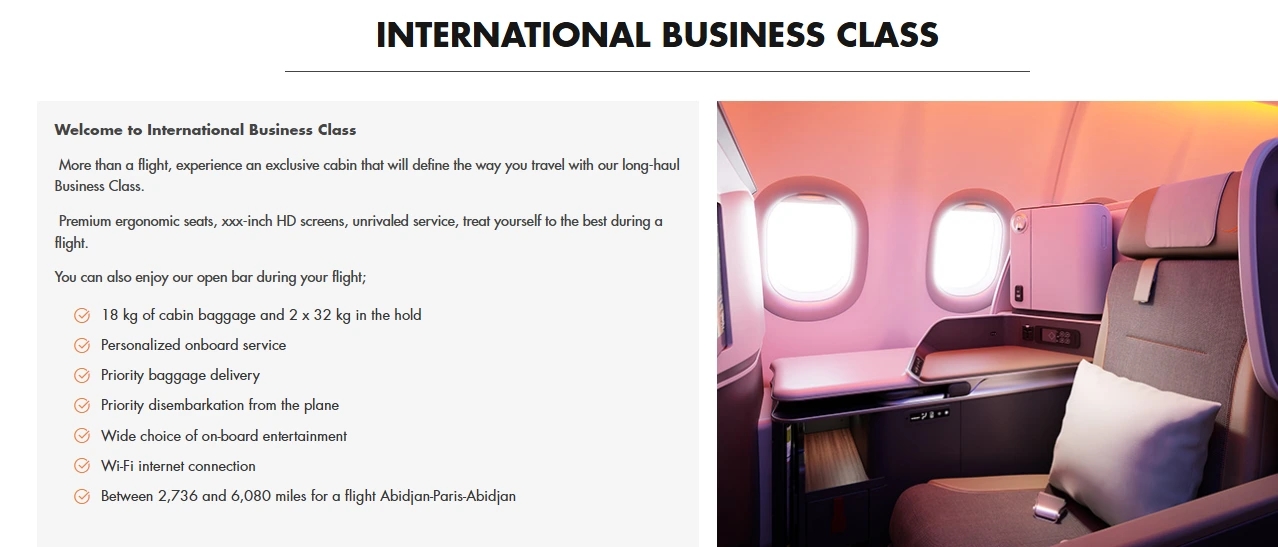
Cahill’s video review stated that he booked a business class seat through a well-known online travel agency for approximately €982 and that upon check-in, he was informed the booking was void, then offered business class only on the condition of paying an additional €1,500.
The airline and officials in Côte d’Ivoire strongly rebutted his version of events.
According to the airline’s rebuttal, the fare class was mis-mapped by the travel agency, such that the carrier recognised it as economy. When the error was flagged, Air Côte d’Ivoire upgraded him free of charge.
The Ivorian government characterised the situation as a third-party technical error rather than a planned airline rip-off.
Cahill’s video omitted details about the booking source and fare discrepancy, prompting critics to question the neutrality of the presentation and his claim of being “scammed.”
Government Response: Facts Claimed
Alain Lobognon, a member of Côte d’Ivoire’s parliament, took to social media to correct the record. He stated that the ticket was booked via Booking.com and that the airline — recognising the pricing error — upgraded Cahill without extra cost.
He defended Air Côte d’Ivoire as a national symbol striving for excellence and suggested that damaging publicity might benefit European competitors uneasy about growing African long-haul connectivity.
The government’s intervention emphasised that though a fare anomaly occurred, the carrier handled the situation with hospitality rather than neglect. It also underscored that no similar complaints were reported from other customers on the aircraft.
Reviewer Ethics and Industry Impact
This dispute has sparked a broader conversation about the ethics of aviation-review content creators who often position themselves as independent critics. While those individuals may highlight genuine issues, the selective omission of critical context undermines credibility.
In Cahill’s case, aviation blogs and commentary platforms have noted that the dramatic framing of the event matched his prior pattern of presenting airlines as villains.
Observers like OMAAT argue that creators must disclose booking sources, fare conditions, and any corrections offered by carriers to enable a fair audience assessment.
Influencers like him wield significant sway in public perception of airlines, yet the dispute over facts in this instance illustrates how easily reputational harm can follow ambiguous claims.
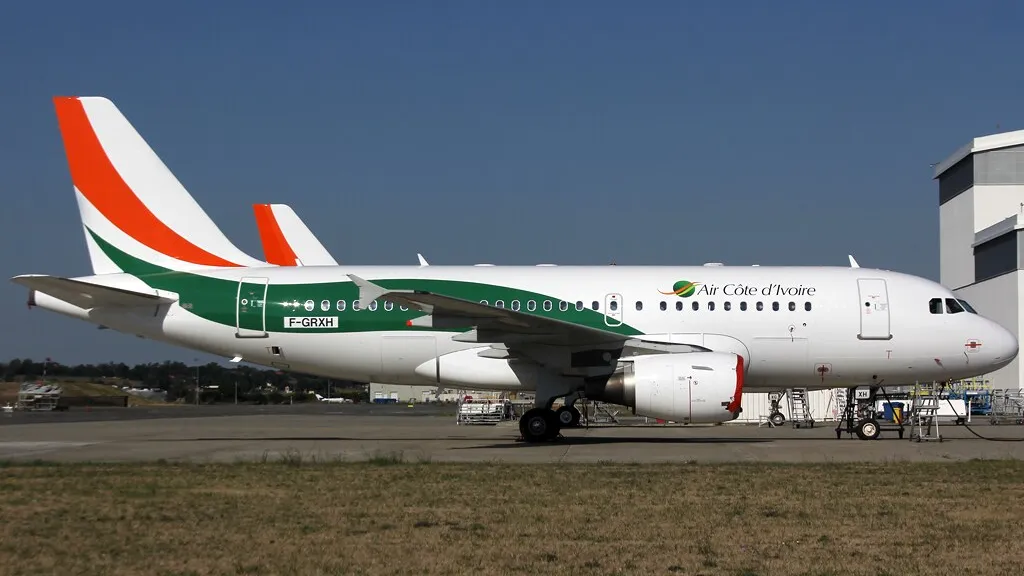
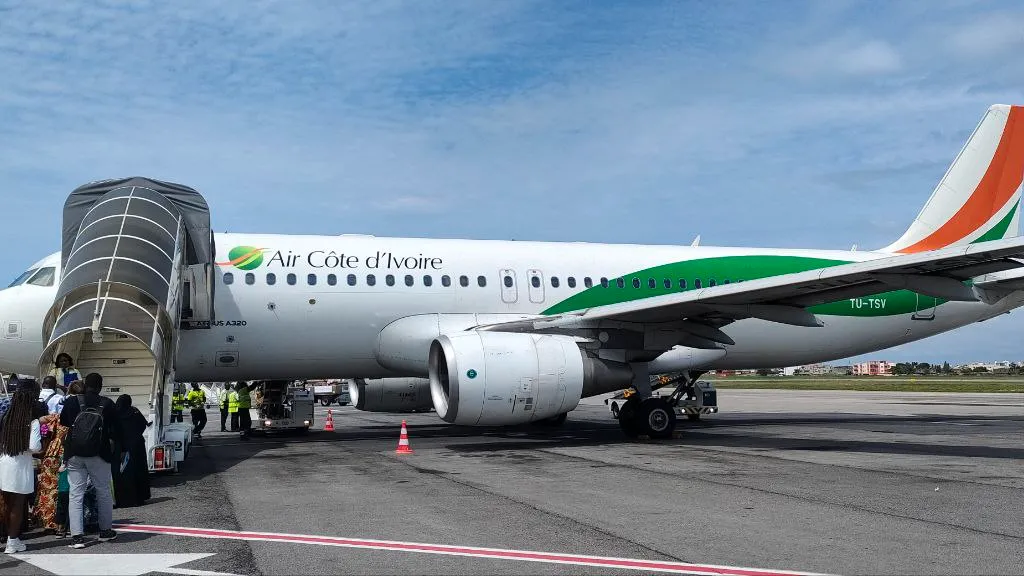
https://commons.wikimedia.org/wiki/File:A319-100_AirCoteDIvoire_F-GRXH_TLS_140812_EPajaud.tif
Bottom Line
The clash between Josh Cahill and Air Côte d’Ivoire over the Paris-to-Abidjan flight illustrates how booking-system mix-ups, blurred fare classes, and online travel-agency errors can escalate into full-scale controversies in the age of social-media aviation review.
While Cahill framed the event as a “scam,” the airline and national government presented it as a technical glitch swiftly countered with a goodwill upgrade.
For aviation watchers and carriers alike, the lesson is clear: transparency and context matter — both in booking systems and in the review ecosystem.
Stay tuned with us. Further, follow us on social media for the latest updates.
Join us on Telegram Group for the Latest Aviation Updates. Subsequently, follow us on Google News