


DUBAI- Emirates airline (EK) President Sir Tim Clark is preparing a 20-year strategic roadmap to ensure continued growth and success for his successor, he told The National.
The plan includes expanding operations at Al Maktoum International Airport (DWC), adding more than 300 aircraft, and deepening partnerships with flydubai (FZ) as part of a broader vision for the airline’s long-term future.
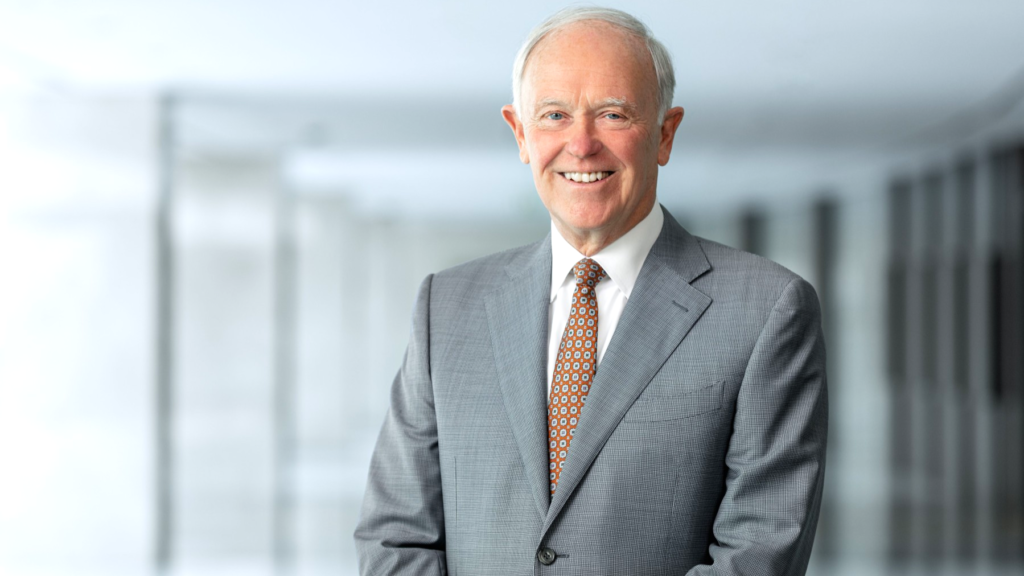
Emirates Tim Clark 20-Year Roadmap
Tim Clark’s strategy focuses on maintaining Emirates’ growth momentum while ensuring the next leadership team inherits a clear, sustainable roadmap.
Speaking at the airline’s headquarters, Clark said the goal is to define the company’s direction for the next 15 to 20 years, ensuring continuity after his eventual retirement.
A major component of this plan is Emirates’ upcoming move to a new hub at Al Maktoum International Airport (DWC), which will provide additional capacity for expansion.
The airline has more than 300 aircraft on order and aims to extend its network reach across Africa and Latin America—two regions with strong growth potential.
Clark emphasized the importance of sticking to Emirates’ proven business model, cautioning against distractions such as acquisitions or diversification that could dilute focus. He believes the airline’s success depends on strategic discipline and staying true to its core strengths.
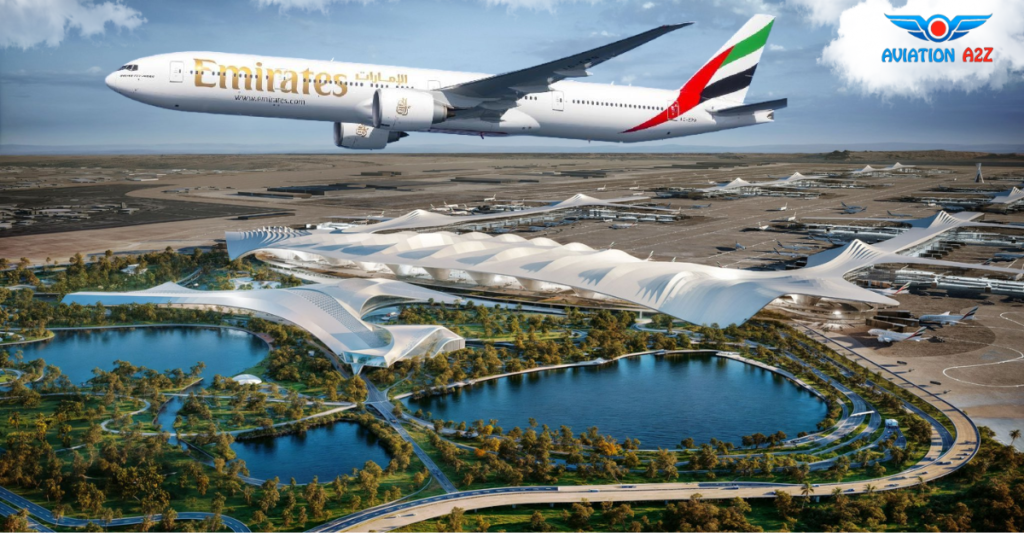
Building on Dubai’s Growth Story
Emirates’ trajectory remains closely tied to Dubai’s long-term economic and infrastructural development.
Clark noted that Dubai’s consistent growth model offers the foundation for the airline’s continued rise over the next five decades.
“Dubai doesn’t change its model—it grows its model,” Clark said, highlighting how both the city and the airline reinforce each other’s success. As Emirates scales its global presence, it will continue to serve as a key economic driver for the emirate.
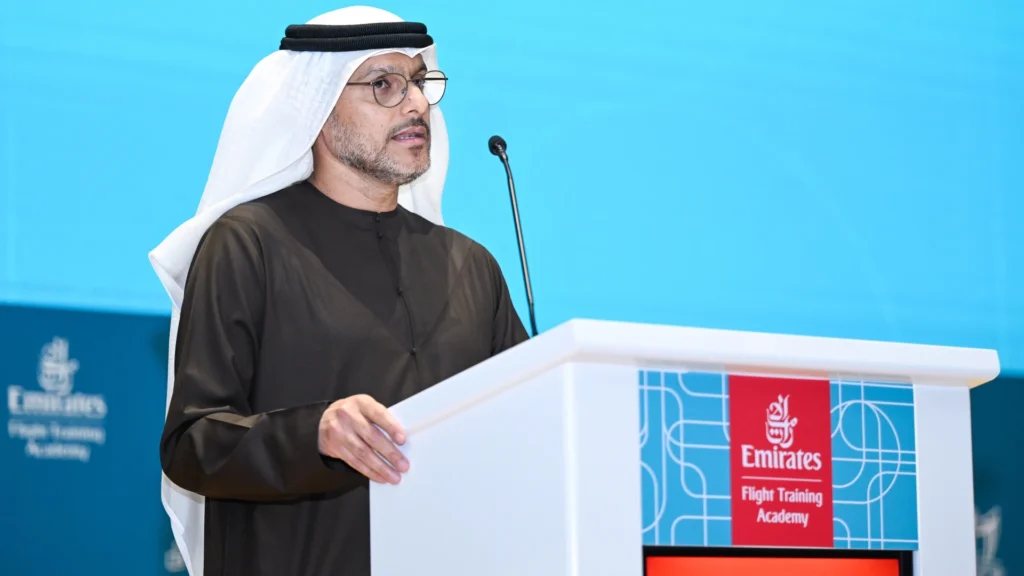
Leadership and Legacy
Tim Clark’s leadership spans more than 50 years in aviation, including over two decades at the helm of Emirates. Since becoming president in 2003, he has transformed the airline into the world’s largest international carrier.
Recently, Emirates appointed Adel Al Redha and Adnan Kazim as deputy presidents, ensuring a smooth leadership transition.
Clark, who delayed his retirement during the pandemic, continues to guide the airline’s strategic direction while preparing the next generation of leaders, flagged The National.
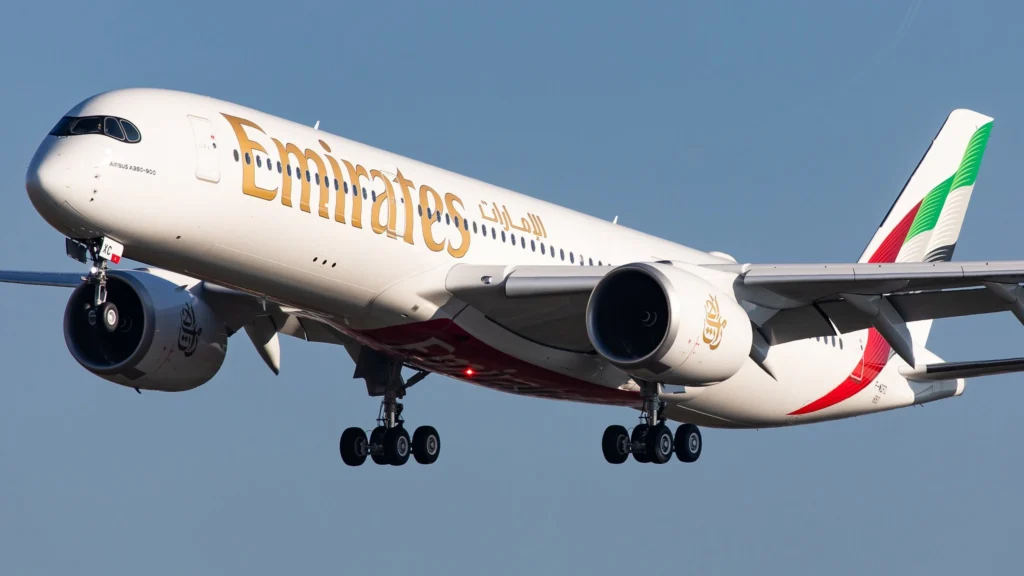
Record Performance and Future Potential
Emirates reported record half-year profits of Dh9.9 billion ($2.7 billion), a 13% rise driven by strong travel demand and operational resilience. Despite global economic headwinds, the airline remains the world’s most profitable carrier for the period.
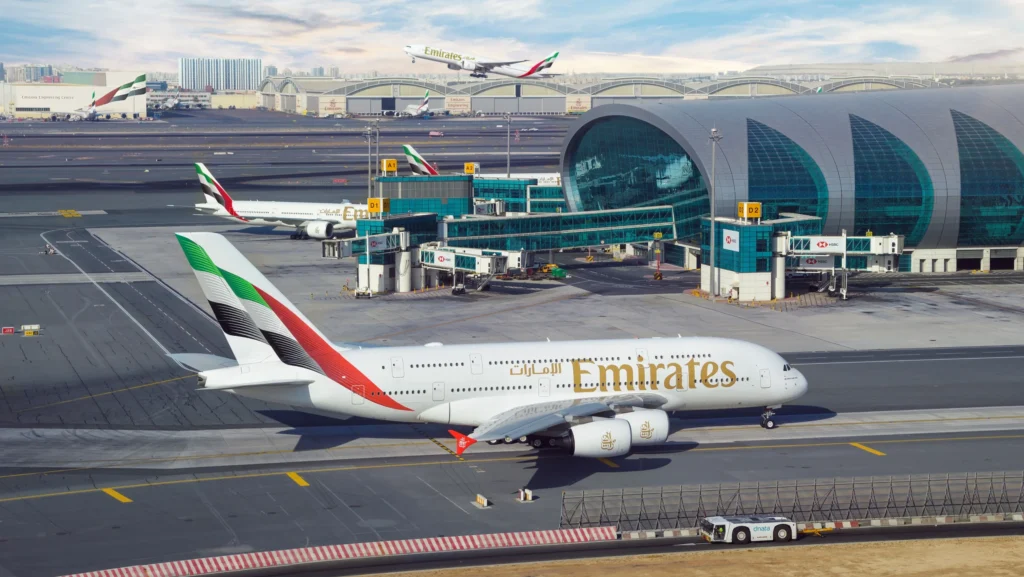
Clark insists Emirates has not yet reached its limits. With over 270 aircraft serving 150 destinations and hundreds more on order, he sees vast room for network expansion. The Airbus A380, he said, remains central to scaling operations efficiently.
“You really haven’t seen anything yet,” Clark said, underscoring his confidence in Emirates’ long-term prospects.
On IPO Prospects
Addressing speculation about a potential initial public offering (IPO), Clark questioned the need for Emirates to list publicly.
The airline’s strong balance sheet, substantial cash reserves, and strategic value to the Dubai government make a listing unnecessary, he said.
As a key national asset, Emirates contributes directly to the city’s global stature and economic strength. Clark suggested that maintaining government control ensures alignment with Dubai’s broader strategic goals.
Stay tuned with us. Further, follow us on social media for the latest updates.
Join us on Telegram Group for the Latest Aviation Updates. Subsequently, follow us on Google News
