

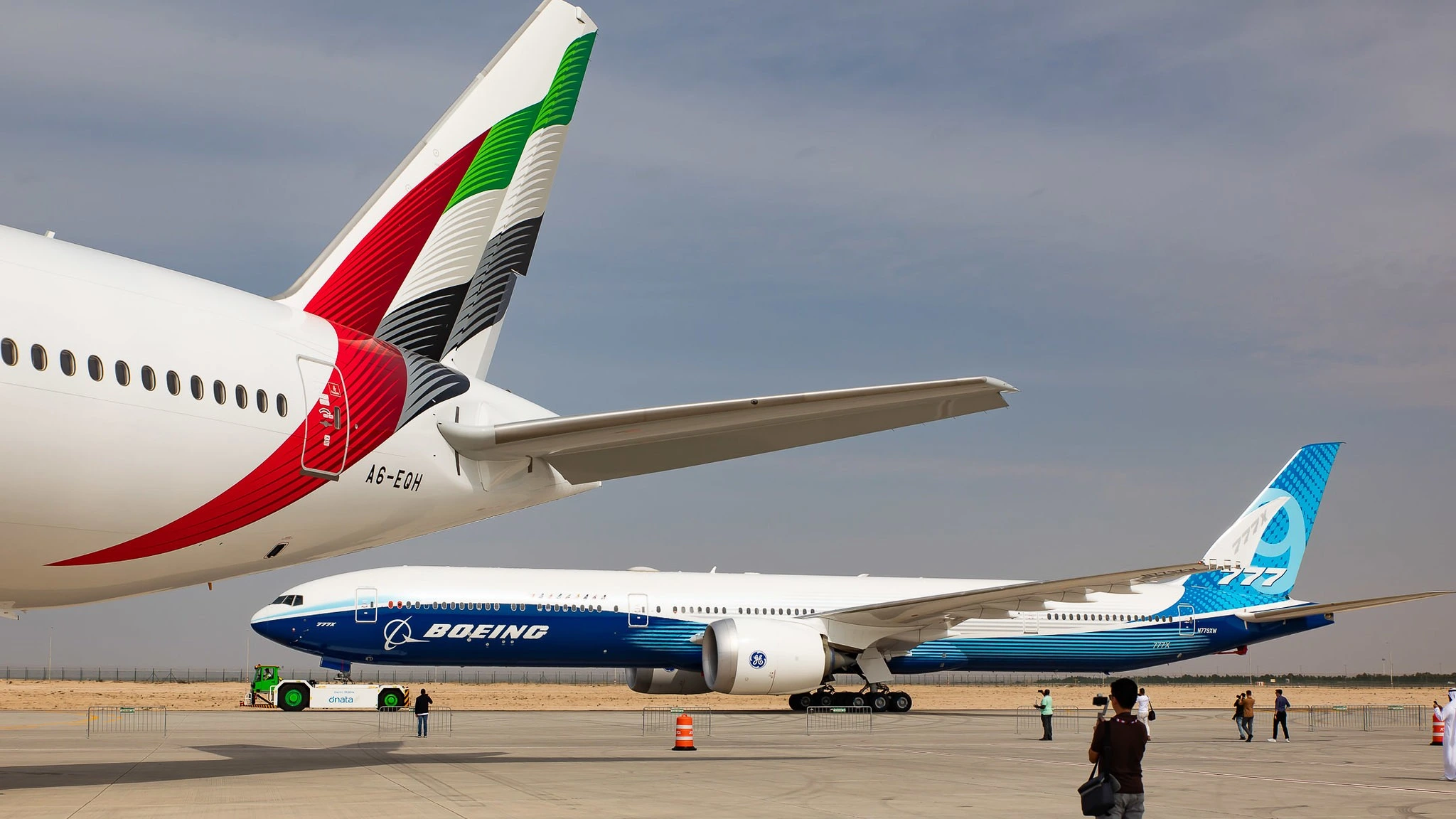
DUBAI— Emirates Airline (EK) is at the center of aircraft deal negotiations as Airbus and Boeing line up ahead of the Dubai Airshow at Al Maktoum International Airport (DWC). The airline’s president, Tim Clark, says both manufacturers are under pressure to deliver, with production backlogs stretching well into the next decade.
The carrier, known for its large-scale aircraft orders, is weighing new purchases as it continues to expand its network. But delays to Boeing’s 777X program and limited availability of new wide-body models are slowing Emirates’ long-term growth strategy.
Aircraft Makers Face Pressure as Emirates Expands
As the Dubai Airshow approaches, Emirates (EK) is once again the focus of attention from aircraft manufacturers. Tim Clark confirmed with The National that Airbus and Boeing representatives have been in Dubai, attempting to close potential deals before the event begins on November 17 at DWC.
The airline traditionally uses the airshow to announce major fleet expansions, but this year’s talks are clouded by industry-wide production constraints.
Clark noted that both Airbus and Boeing are struggling to meet demand, with delivery slots unavailable until at least 2033. Despite this, Emirates is maintaining pressure on both to meet its fleet requirements and offer competitive terms.
While the airline has hinted at upcoming announcements, it has withheld details on timing or scale.

Boeing 777X Delays Disrupt Emirates Plans
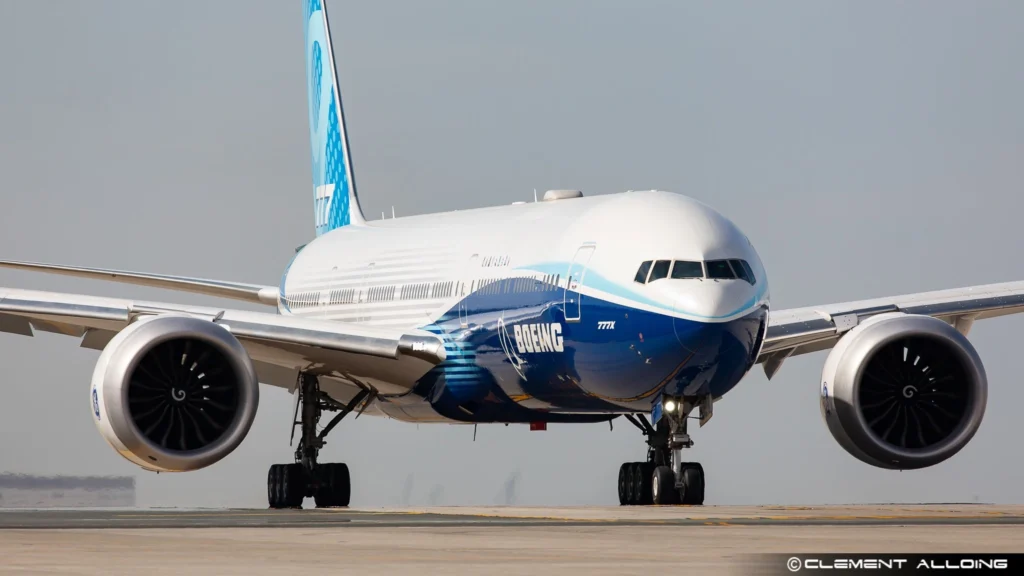
Emirates is the largest customer for Boeing’s new 777X family, with 205 aircraft on order, including 170 of the 777-9 and 35 of the 777-8.
The long-awaited jet, originally due in 2020, has now been pushed to 2027. Clark said the timeline remains unclear and that Boeing has not committed to a specific quarter for delivery.
The airline had expected its first 777-9 by the end of this year and had already prepared interiors and cabin fittings.
The repeated delays are affecting Emirates’ route expansion and capacity planning. The 777X is intended to replace aging 777s and complement the A380 fleet, which Airbus has discontinued.
To maintain service levels, Emirates is investing $5 billion to retrofit older aircraft and extend their operational life.
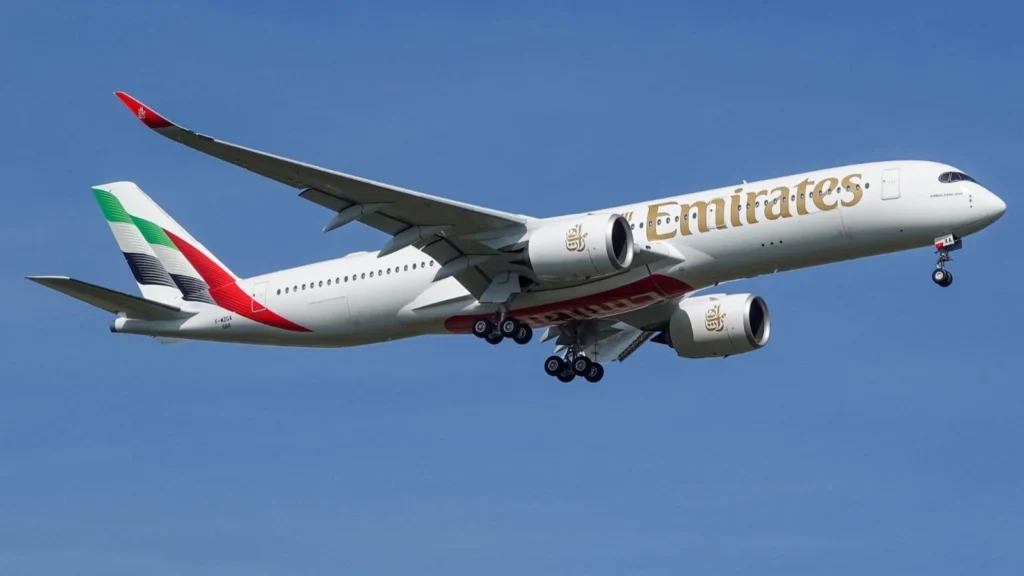
The airline has also ordered 65 Airbus A350-900s, with 13 expected to enter service soon. Clark described these additions as a temporary measure to keep capacity stable until the 777X arrives.
Boeing’s Recovery and Industry Outlook
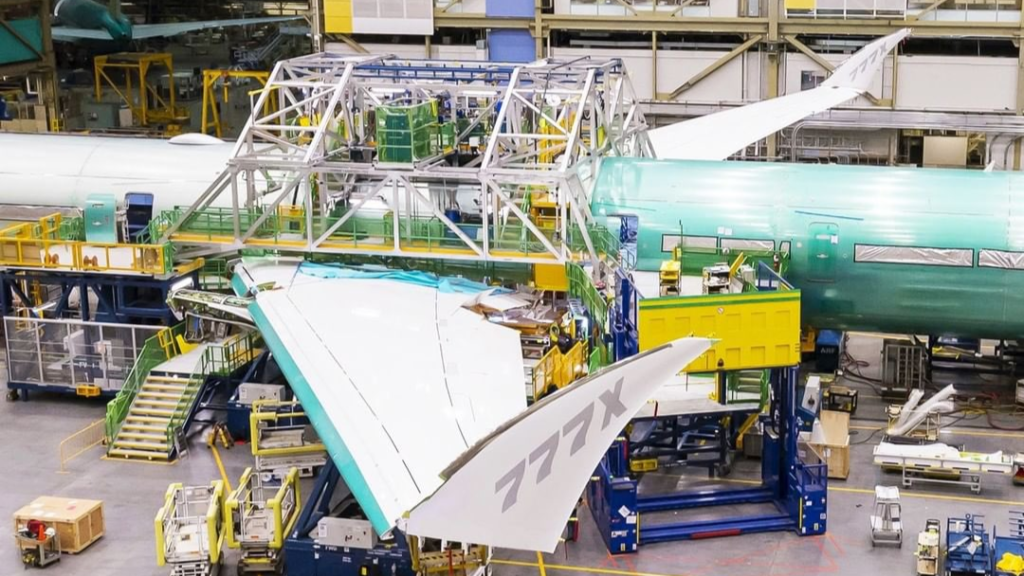
Boeing’s challenges have intensified following a $4.9 billion charge tied to 777X delays and certification setbacks.
Clark expressed cautious confidence in Boeing CEO Kelly Ortberg and Commercial Airplanes head Stephanie Pope, describing their efforts to stabilize the company as “Herculean.” He suggested it could take until 2030 for Boeing to fully recover its production reliability and reputation.
Emirates’ leadership remains patient but focused on results. Clark emphasized that the airline’s priority is to receive aircraft, not compensation for delays. However, he acknowledged that discussions about damages will eventually take place.
The Search for an A380 Successor
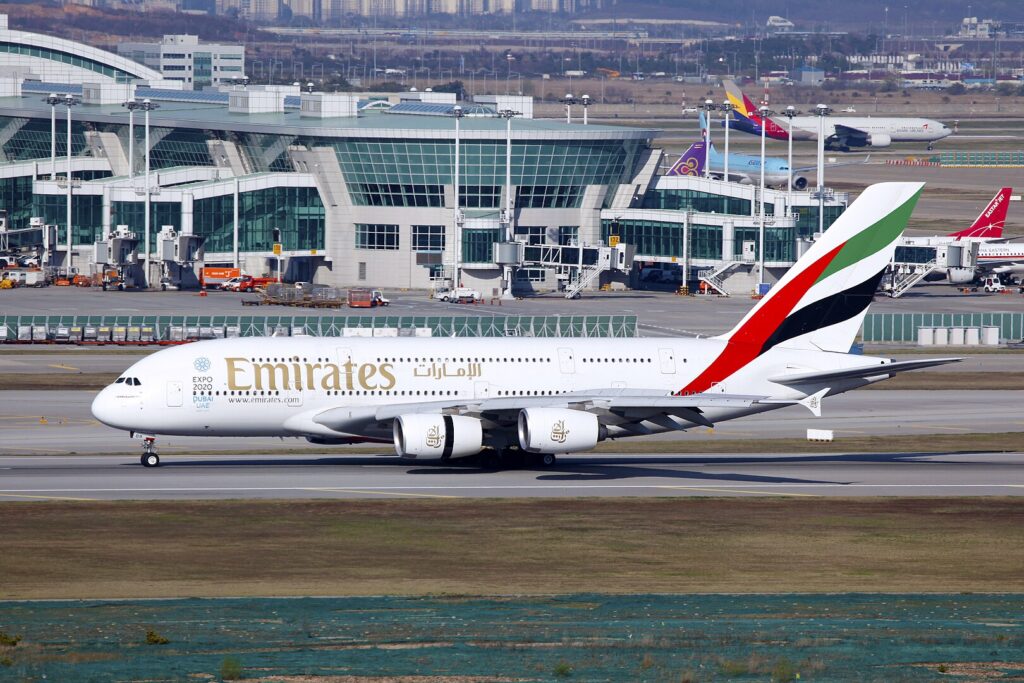
The A380 remains central to Emirates’ operations, with plans to keep the double-decker in service until 2040. Yet Clark is urging manufacturers to consider a new large-capacity aircraft to handle increasing congestion at major airports.
Both Airbus and Boeing, however, remain hesitant to invest in another very-large jet, citing market risks and cost concerns.
Clark criticized the industry’s growing risk aversion, noting a lack of innovation compared to earlier decades.
He attributed this mindset to economic shocks and global instability over the past 20 years, which have made both manufacturers and airlines cautious about ambitious new programs.
Negotiating with Precision
Tim Clark’s reputation as a sharp negotiator is well known. He described aircraft negotiations as a strategic process that requires deep understanding, quick thinking, and fairness.
His approach, built on decades of experience, has helped Emirates secure favorable terms and influence aircraft design features, including custom interiors for the A380.
Clark noted that while Airbus is the toughest to negotiate with, the process often leads to better results and stronger partnerships. His pragmatic and candid style, he said, helps cut through unnecessary formalities and drive productive discussions.
Stay tuned with us. Further, follow us on social media for the latest updates.
Join us on Telegram Group for the Latest Aviation Updates. Subsequently, follow us on Google News
