

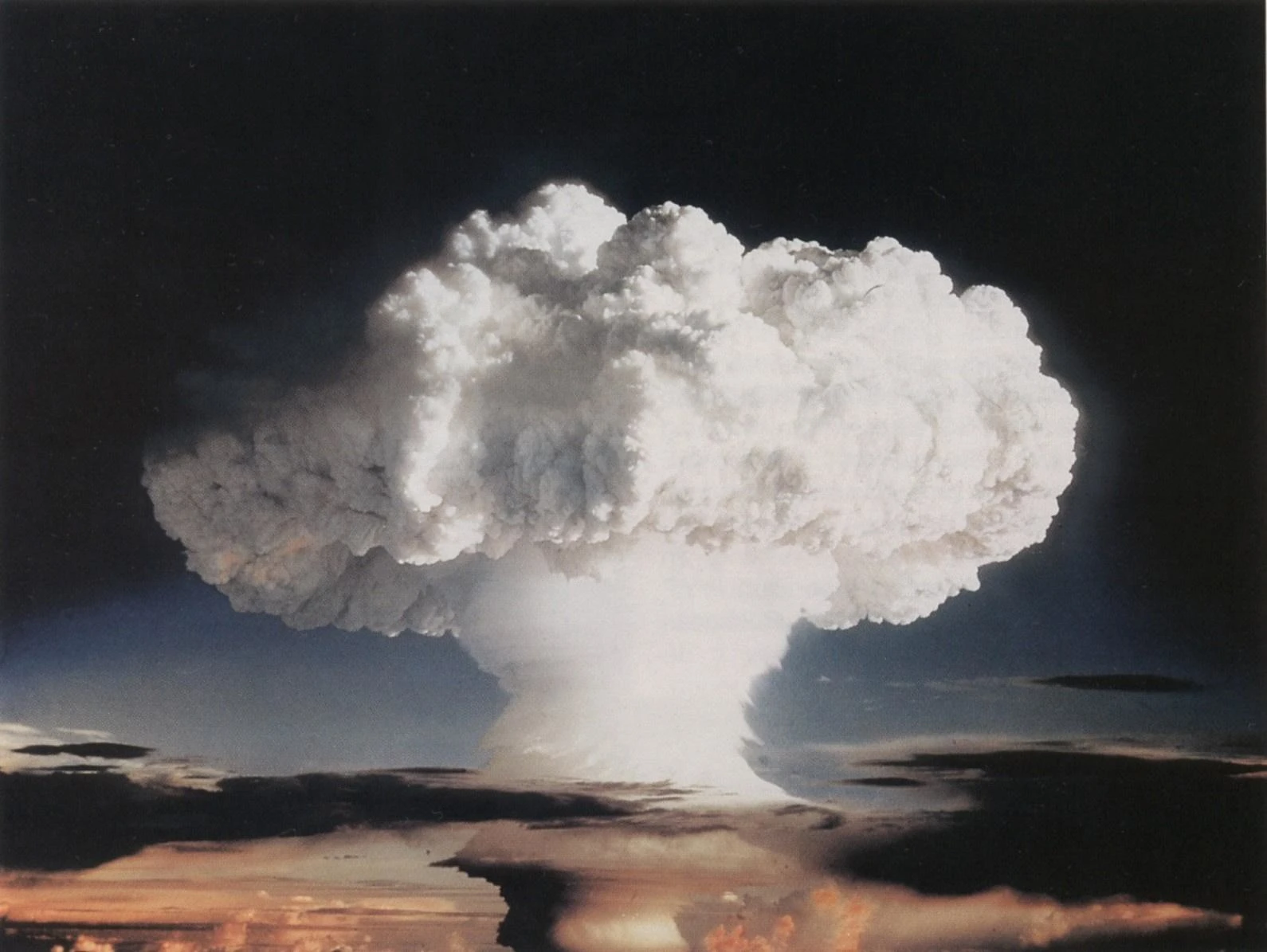
WASHINGTON- President Donald Trump’s call to resume full nuclear weapons testing draws sharp criticism from experts, who argue it is unnecessary due to advanced US simulation capabilities and risks empowering adversaries.
The announcement, made via social media, ends a 33 year moratorium, sparking fears of undermined nonproliferation efforts and heightened global tensions.
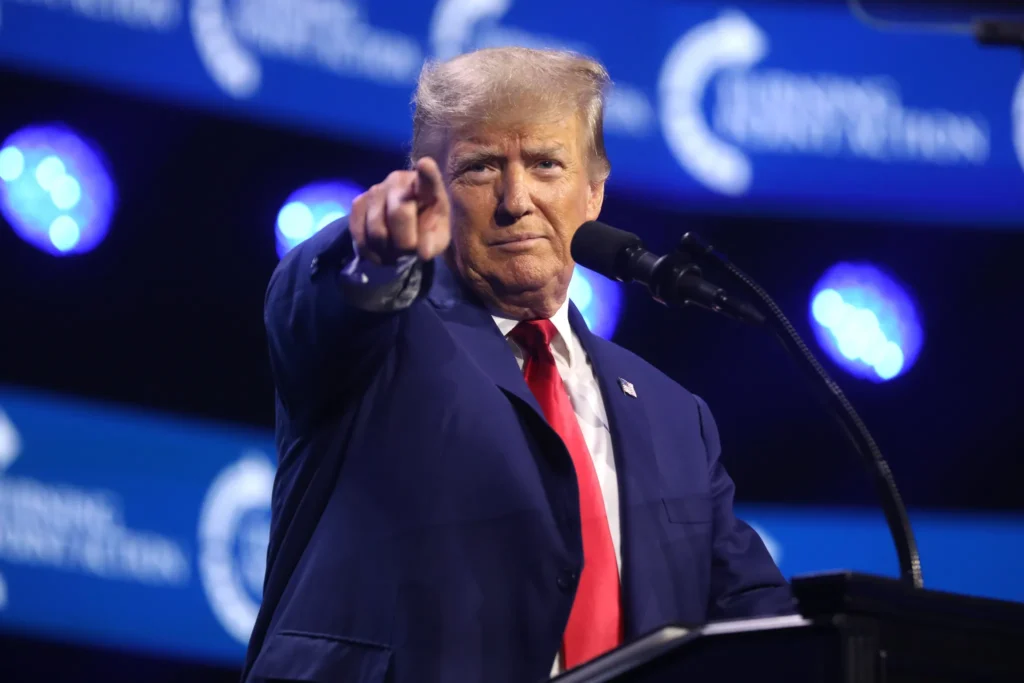
US Full Nuclear Testing
Experts note that the United States already possesses advanced technology capable of verifying the reliability of its nuclear arsenal without conducting explosive tests.
High-powered computational models, extensive historical data, and advanced facilities such as the National Ignition Facility (NIF) allow scientists to simulate weapon performance under extreme conditions.
According to Defense News, subcritical and system-level tests provide the necessary validation for warhead functionality without triggering a nuclear chain reaction.
These controlled experiments maintain deterrence credibility while avoiding environmental or diplomatic fallout.

Modern Verification Through Simulation
Modern laboratories use detailed data from more than 1,000 historical tests to predict precisely how nuclear devices would perform.
These simulations, supported by powerful supercomputers and laser technology, enable safe assessment of new and aging warheads. Through life extension programs like the W80-4, subcritical testing confirms that existing weapons remain reliable.
Experts explain that by using this non-yield approach, the US avoids the risks of contamination and maintains compliance with the moratorium established in 1992.
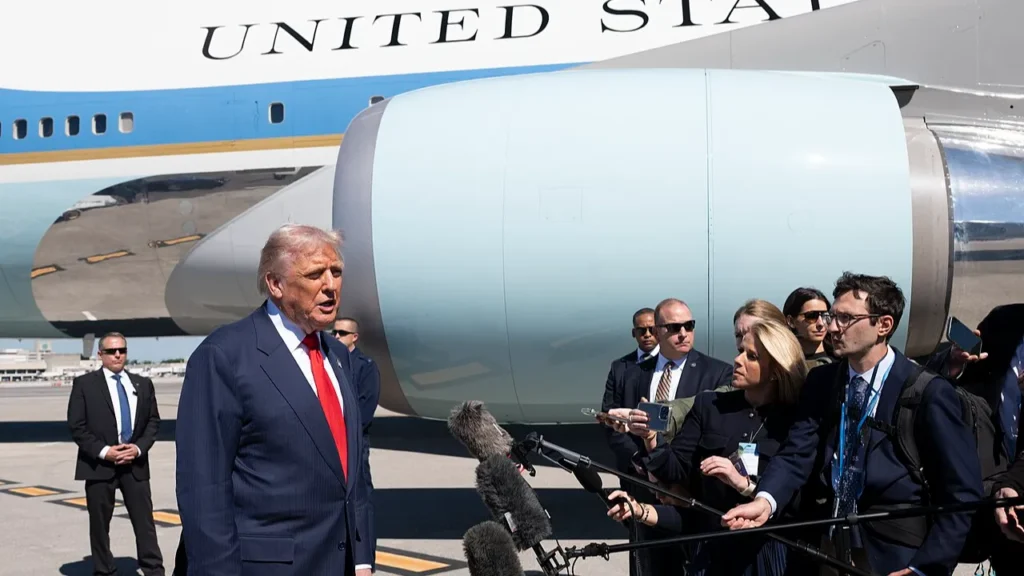
Diplomatic and Security Repercussions
Analysts warn that a US decision to resume detonations would set a dangerous precedent. It could prompt other nuclear-capable nations including China, Russia, India, and Pakistan to restart their own test programs.
Such actions would likely erode decades of progress in global arms control and increase geopolitical instability.
Diplomatically, resuming tests could damage trust with allies and weaken U.S. credibility in international negotiations.
Critics emphasize that the political symbolism of breaking the test moratorium could outweigh any technical benefits gained.

Infrastructure and Cost Challenges
Restarting full nuclear testing would demand extensive rebuilding of facilities unused for more than 30 years.
Former test sites in Nevada, now part of the Nevada National Security Site, would require costly reconstruction, modernization of equipment, and extensive environmental safety measures.
Experts estimate the cost of reestablishing test readiness could exceed one billion dollars, diverting funds from critical modernization and deterrence programs.
Specialized instruments, containment systems, and skilled personnel would also need to be reintroduced, significantly increasing timelines and expenses.
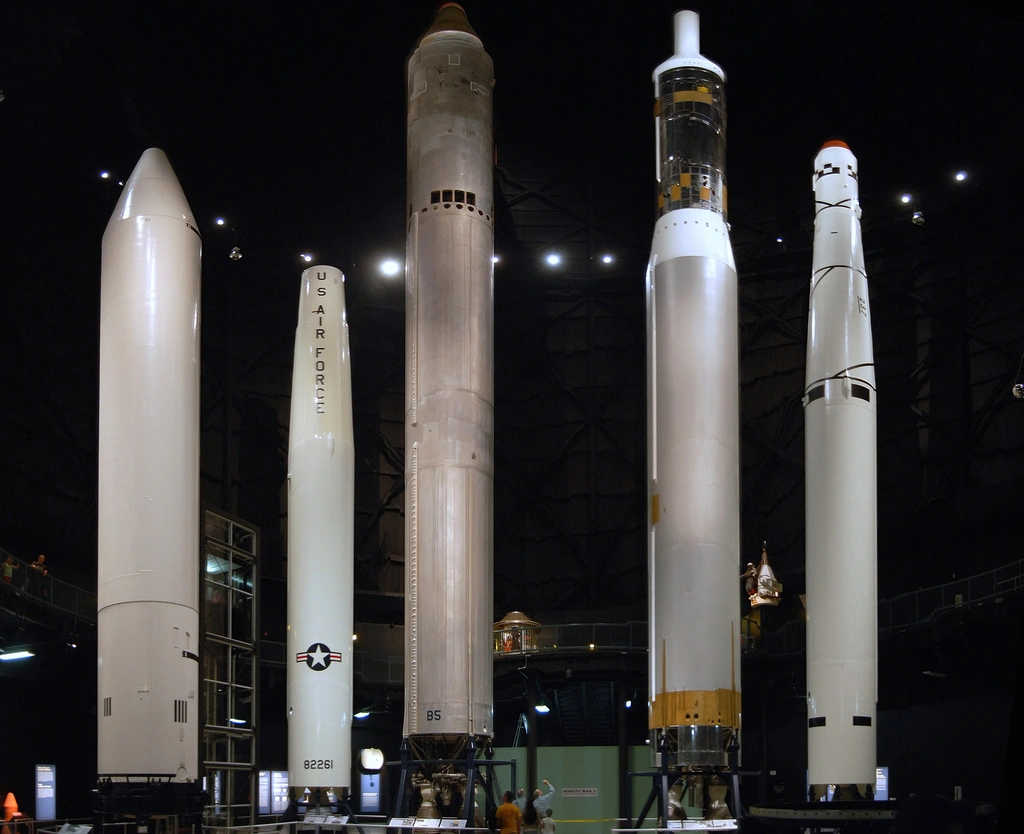
Risks of Strategic Escalation
Analysts stress that renewed nuclear tests could trigger a new cycle of global escalation. Countries might use such tests as a show of strength, further straining international relations and increasing the likelihood of arms races.
Even underground detonations carry risks of radioactive leaks and regional diplomatic crises.
Maintaining the moratorium, experts argue, reinforces global stability by preserving predictability and preventing new waves of proliferation.
The consensus among specialists is that restraint remains the most effective strategy for maintaining strategic balance.
Conclusion
The United States retains an unmatched technical and scientific capacity to maintain its nuclear deterrent without returning to full-scale testing.
Experts conclude that resuming detonations would bring minimal technical advantage while amplifying political, financial, and environmental costs.
Sustaining the moratorium supports US credibility, global stability, and ongoing nonproliferation efforts.
Stay tuned with us. Further, follow us on social media for the latest updates.
Join us on Telegram Group for the Latest Aviation Updates. Subsequently, follow us on Google News
