

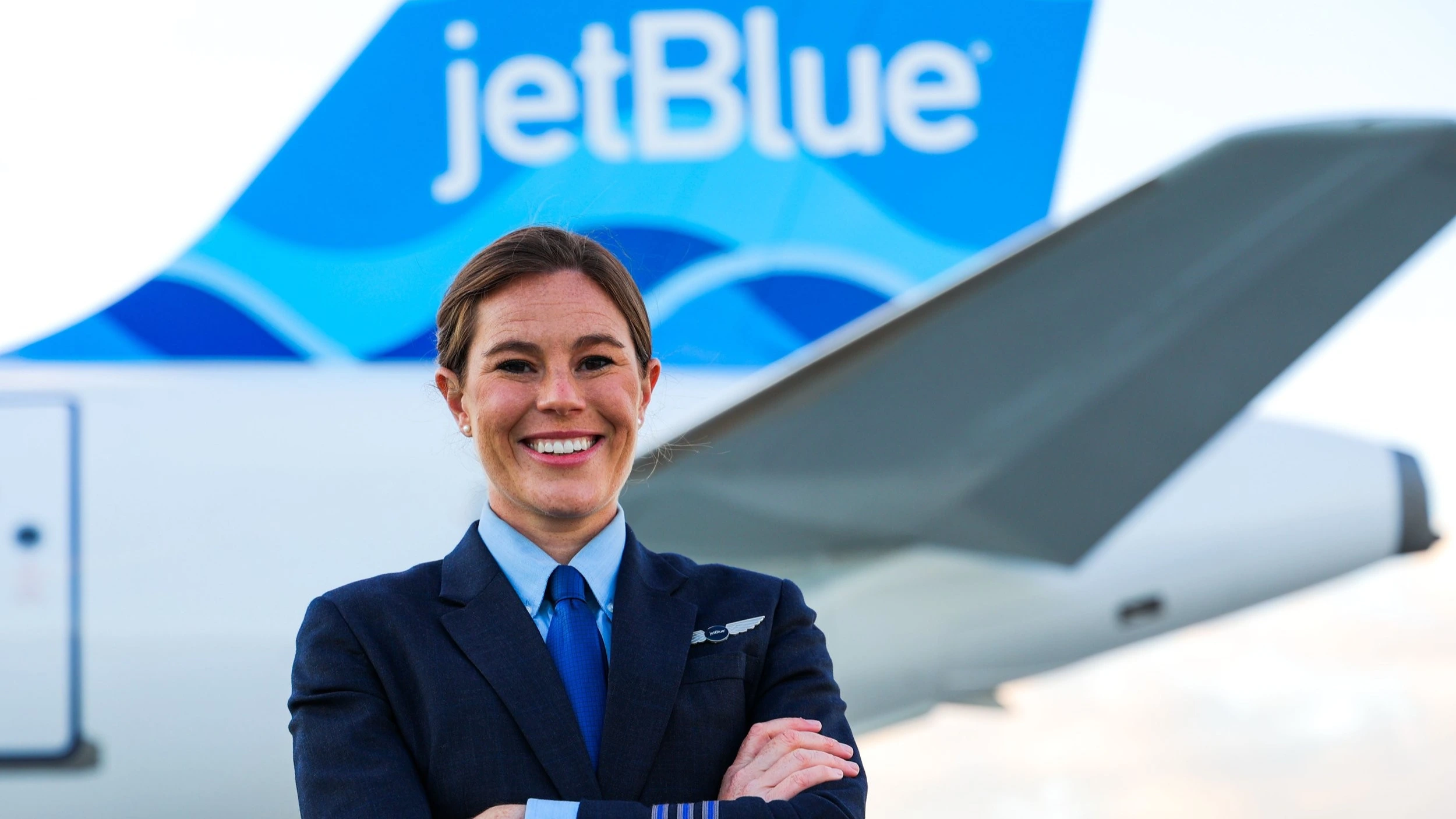
JetBlue Airways (B6) is a US-based low-cost carrier headquartered in New York, with key hubs at John F. Kennedy, Boston Logan, Fort Lauderdale-Hollywood, and Orlando.
The airline has become well-known for its customer-friendly approach, free in-flight entertainment, and a growing fleet of modern Airbus aircraft serving some of the world’s most in-demand destinations.
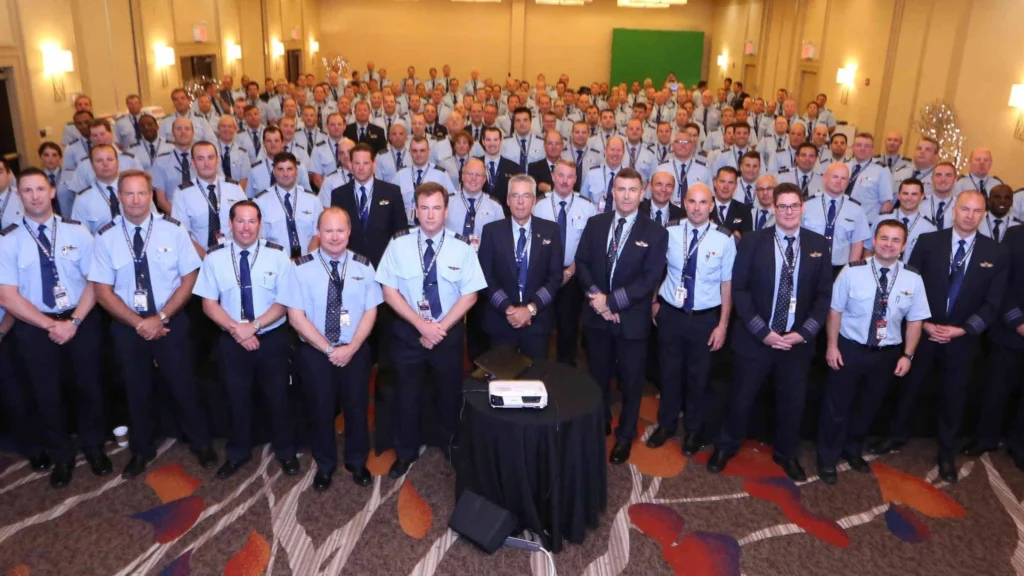
JetBlue Pilot Salary
As JetBlue transitions towards an all-Airbus fleet and expands in both domestic and select international markets, pilot recruitment and career progression remain central to its growth strategy.
With that said, here is a look at their pilot salaries, benefits, aircraft types flown, requirements for candidates, and the recruitment process.
JetBlue First Officer Salary
At JetBlue in 2025, first officers typically fly 75 hours every month and earn in the range of US$85,000 to US$150,000 per year, depending on experience and aircraft type flown, as well as their base location.
For example, newly promoted first officers in smaller aircraft or domestic operations may start closer to US$85,000 per year, while those with some years of service and flying larger jets may reach up to US$150,000 per year.
Additional allowances for duty periods, night flights, and premium sectors can push total compensation above the stated range for high-flying rosters.
JetBlue Captain Salary
Captains at JetBlue in 2025 have a base pay range of approximately US$190,000 to US$270,000 per year, depending on seniority and the type of aircraft flown, as well as their base location. As with first officers, they also average 75 hours of flying each month.
Captains operating the newer wide-range Airbus types or flying high-demand routes may exceed US$270,000 per year when allowances, overtime, and premium pay are included.
The top end of the scale is typically reserved for those with many years of seniority, instructor/check-airman duties, and maximum monthly flying hours.
ALSO READ:
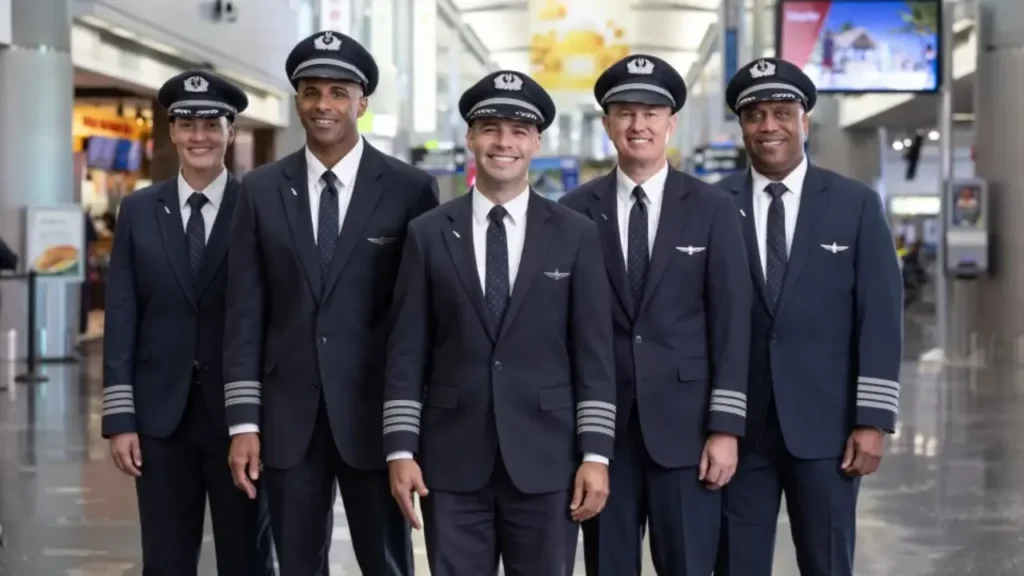
Benefits Enjoyed by JetBlue Pilots
- Travel Privileges – Pilots and their immediate family members receive discounted or standby flight travel on JetBlue and select partner airlines, helping reduce personal travel costs significantly.
- Overnight And Layover Allowances – Whenever pilots are away from their home base overnight on assignments, JetBlue pays allowances designed to cover hotel, meals, and incidental costs associated with layovers.
- Health And Retirement Benefits – The airline provides medical, dental, and life insurance coverage as part of the employment package, along with employer-supported retirement contributions to help pilots build long-term financial security.
- Loss of Licence Protection – In the event a pilot becomes medically unfit to continue flying, JetBlue offers income-protection mechanisms to help maintain financial security during recovery or reassignment.
- Training and Career Advancement – Pilots have access to advanced training opportunities, including simulator upgrades, type-rating transitions, and pathways into instructor or examiner roles, supporting both career growth and expertise.
- Work-Life Balance Support – JetBlue aims to design rosters that balance flying demands with rest periods, allowing pilots to maintain a meaningful home life alongside the rigours of commercial aviation.
- Additional Income Opportunities – Senior pilots can enhance their earnings by undertaking additional responsibilities such as instructor duties, simulator checks, premium sequences or flying high-season duty blocks.
- Wellness and Mental Health Support – The airline offers wellness programmes, mental-health resources, and peer-support networks to ensure pilots are equipped to manage the demands of their profession both on and off duty.
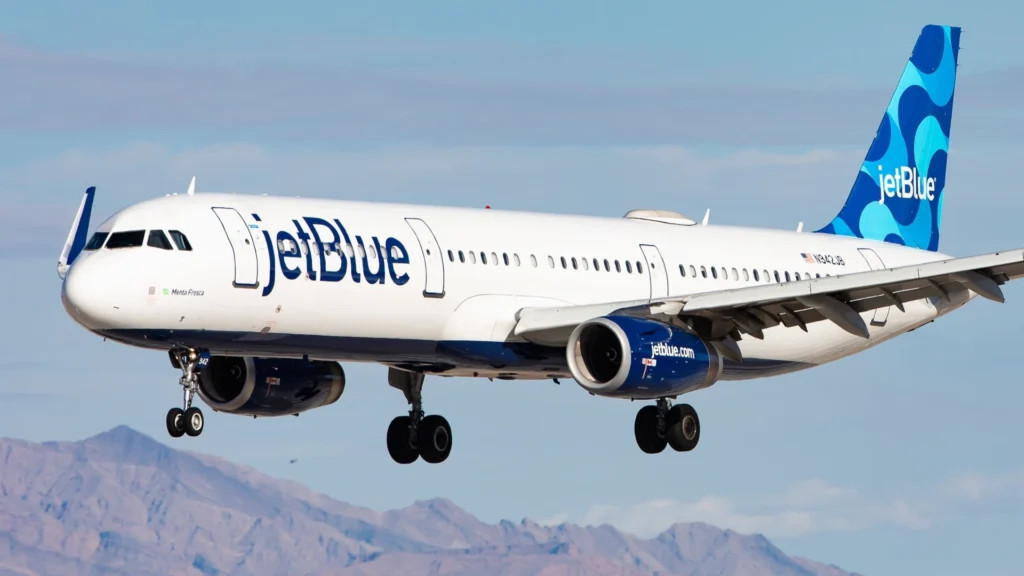
What Aircraft Do JetBlue Pilots Fly?
JetBlue operates the following aircraft types and quantities as of 2025:
- Airbus A220-300 – 50 in service
- Airbus A320-200 – 10 in service
- Airbus A321-200 – 35 in service
- Airbus A321LR – 11 in service
- Airbus A321neo – 10 in service
In addition to these, the airline has aircraft on order, including 50 Airbus A220-300, 2 Airbus A321LR, and 33 Airbus A321neo, as part of its fleet modernisation and expansion plan to replace older jets and improve efficiency.
Requirements To Become A Pilot For JetBlue
JetBlue has the following demands from pilot candidates, and experience requirements are adjusted subject to the available vacancy within the carrier.
- Applicants must hold a valid Airline Transport Pilot Licence issued or recognised by the United States Federal Aviation Administration and meet JetBlue’s minimum flight-hour requirements.
- A valid Class 1 medical certificate must be held, demonstrating full physical and mental fitness for commercial flight operations.
- Strong proficiency in English, both spoken and written, is required for safe interaction with crew and air traffic control.
- The candidate must have legal authorization to live and work in the United States without restriction at the time of hire.
- Prior experience flying commercial jets, preferably in a multi-crew airline environment, is highly preferred.
- Applicants must display excellent decision-making, leadership and teamwork skills, and be able to perform effectively under operational pressure.
- Flexibility to work irregular hours, adaptability to changing operational demands and alignment with JetBlue’s values of safety, reliability and customer-focus are essential.
- Candidates must embody the airline’s culture of service, innovation and professional excellence at all times.
Hiring Process
JetBlue’s hiring process for pilots constitutes the below steps.
- Application – Prospective pilots submit an online application via the JetBlue careers portal, including licence documentation, logbook summaries, medical certificate and résumé outlining prior experience.
- Eligibility Screening – The recruitment team verifies eligibility criteria such as flight hours, licence validity, medical fitness and regulatory compliance.
- Online Assessments – Shortlisted candidates undertake technical and aptitude tests assessing aviation knowledge, reasoning, situational awareness and problem-solving skills.
- Simulator Assessment – Candidates who pass the initial tests are invited to a simulator evaluation where their flying skills, decision-making and crew coordination are assessed in realistic scenarios.
- Interview Stage – Applicants meet with senior pilots and human resources staff for interviews focused on operational understanding, communication ability and cultural fit with JetBlue.
- Medical & Background Checks – Final selected candidates must complete a detailed Class 1 medical examination, background verification and any required security checks before an employment offer is issued.
Bottom Line
In 2025, JetBlue offers pilots a solid earning potential, competitive career progression, and a modern aircraft environment. While first officers can expect starting compensation in the six-figure range in US dollars, captains have the opportunity to significantly exceed those levels with seniority, duties, and allowances.
With its fleet modernisation underway and focus on growth, JetBlue presents a compelling as well as stable choice for pilots seeking advancement, operational variety, and engagement in a dynamic airline setting.
FAQs
First officers at JetBlue earn approximately US$85,000 to US$150,000 per year, while captains typically earn in the range of US$190,000 to US$270,000 per year, depending on experience and aircraft type.
Most pilots are based at JetBlue’s key hubs, including New York’s John F. Kennedy, Boston Logan, Fort Lauderdale-Hollywood, and Orlando. Rostering may include repositioning or overnight stays depending on route assignments.
Yes, JetBlue is actively recruiting pilots in 2025 to support its fleet expansion and operational growth. Openings with eligibility details are posted on the JetBlue careers website.
Stay tuned with us. Further, follow us on social media for the latest updates.
Join us on Telegram Group for the Latest Aviation Updates. Subsequently, follow us on Google News
