

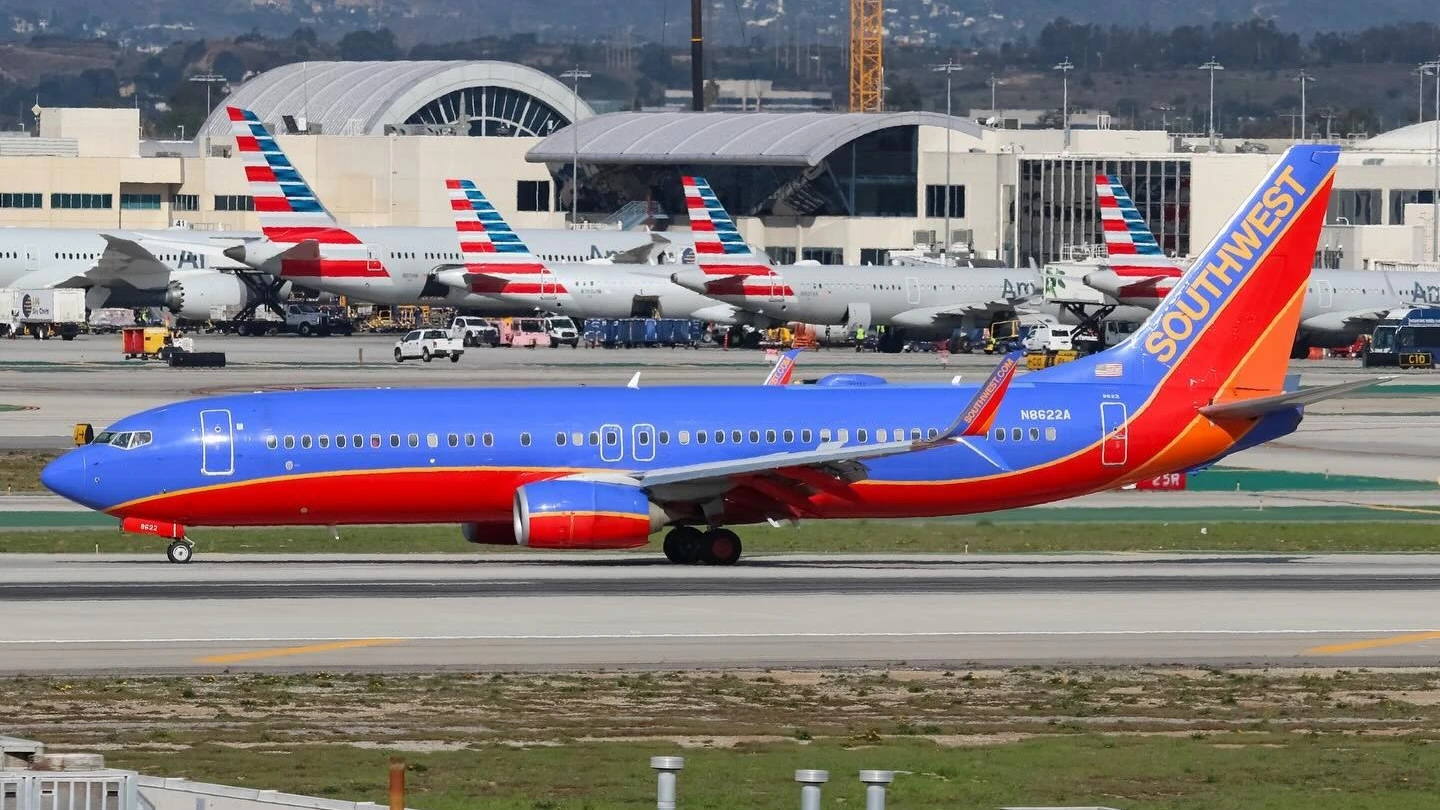
WASHINGTON— The federal government shutdown, entering its 36th day, has prompted U.S. Transportation Secretary Sean Duffy to announce that he will order a 10% reduction in flights at 40 major U.S. airports starting Friday unless Congress strikes a deal.
In a press briefing, Duffy emphasised the safety dimension, saying the decision was about maintaining the integrity of the aviation system while thousands of federal aviation employees continue to be unpaid.

US Flight Reductions
The planned cuts will affect roughly 40 high-volume airports, including the nation’s top hubs in cities such as New York City (JFK, LGA), Washington, D.C. (DCA, IAD), Chicago (ORD), Los Angeles (LAX), Atlanta (ATL), and Dallas (DFW).
Industry analysts estimate that the cuts could eliminate as many as 1,800 flights and more than 268,000 airline seats.
The reductions will be phased: starting at 4% on Friday, rising to 5% Saturday, 6% Sunday, and reaching 10% early next week if the shutdown remains unresolved.
The goal is clear: relieve fatigued controllers who have worked extended, unpaid hours, while maintaining the safety of the national airspace system.
Staffing Crisis at the Core
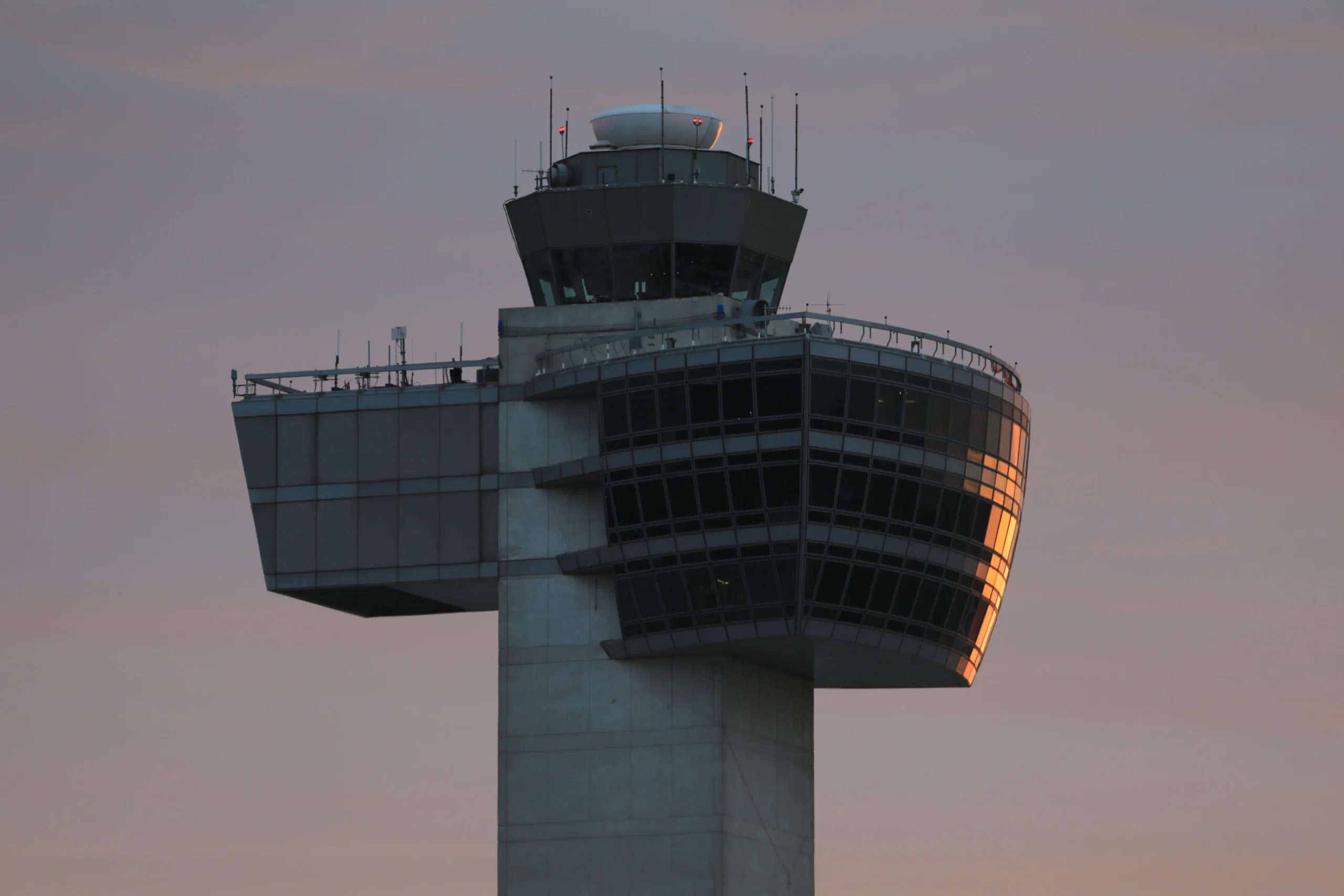
The shutdown has forced about 13,000 air traffic controllers and 50,000 Transportation Security Administration (TSA) officers to continue working without pay, exacerbating an already serious staffing shortfall.
According to the Federal Aviation Administration (FAA), absentee rates among controllers at the 30 busiest U.S. airports reached between 20% and 40% in recent days, raising concerns about safety margins.
Duffy has warned explicitly that if the shutdown continues, parts of the national airspace may be closed “to prevent mass chaos.”
Impact on Airlines and Passengers
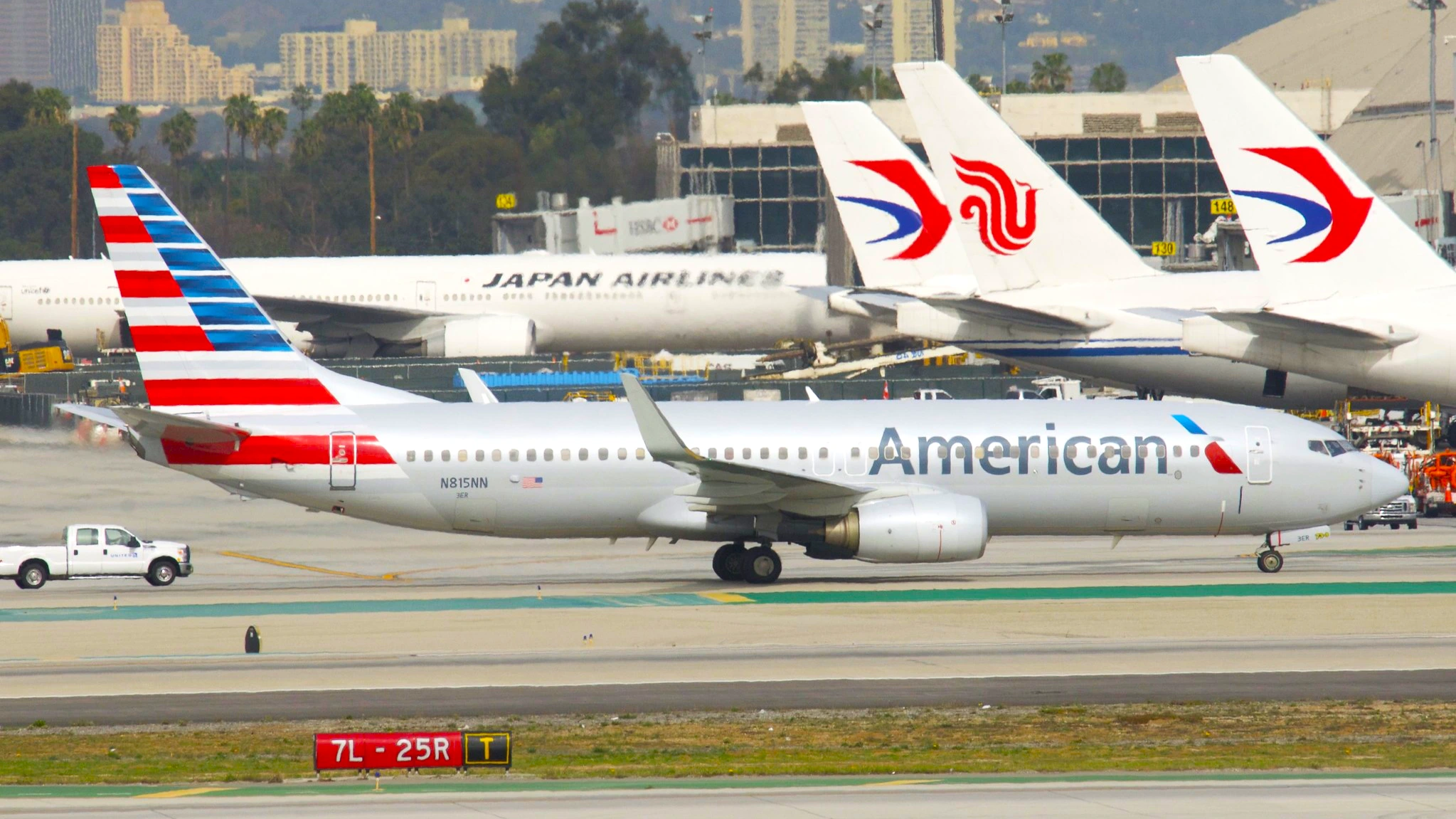
Major U.S. carriers – including United Airlines (UA), American Airlines (AA), and Southwest Airlines (WN) – are scrambling to evaluate how the capacity cuts will affect schedules.
Industry representative Airlines for America said its members “are working with the federal government to understand all details of the new reduction mandate and will strive to mitigate impacts to passengers and shippers.”
Already, more than 3.2 million passengers have been affected by delays or cancellations attributed to controller absences since the shutdown began on October 1. Shares of major U.S. airlines were down about 1% in extended trading after the announcement.

https://commons.wikimedia.org/wiki/File:Atlanta_Airport_%E2%80%93_Hartsfield-Jackson_Atlanta_International_Airport_in_Georgia_19.jpg
Political and Operational Fallout
The shutdown, the longest in U.S. history, entered its 36th day amid a standoff between Republicans and Democrats over funding legislation, including health-insurance subsidies.
Duffy and the FAA frame the flight-cut decision as proactive and safety-driven, rather than punitive. Still, the reduction underscores how the aviation system is tethered to the funding status of federal agencies.
The FAA has also warned it could impose further restrictions if staffing pressures escalate.
Bottom Line
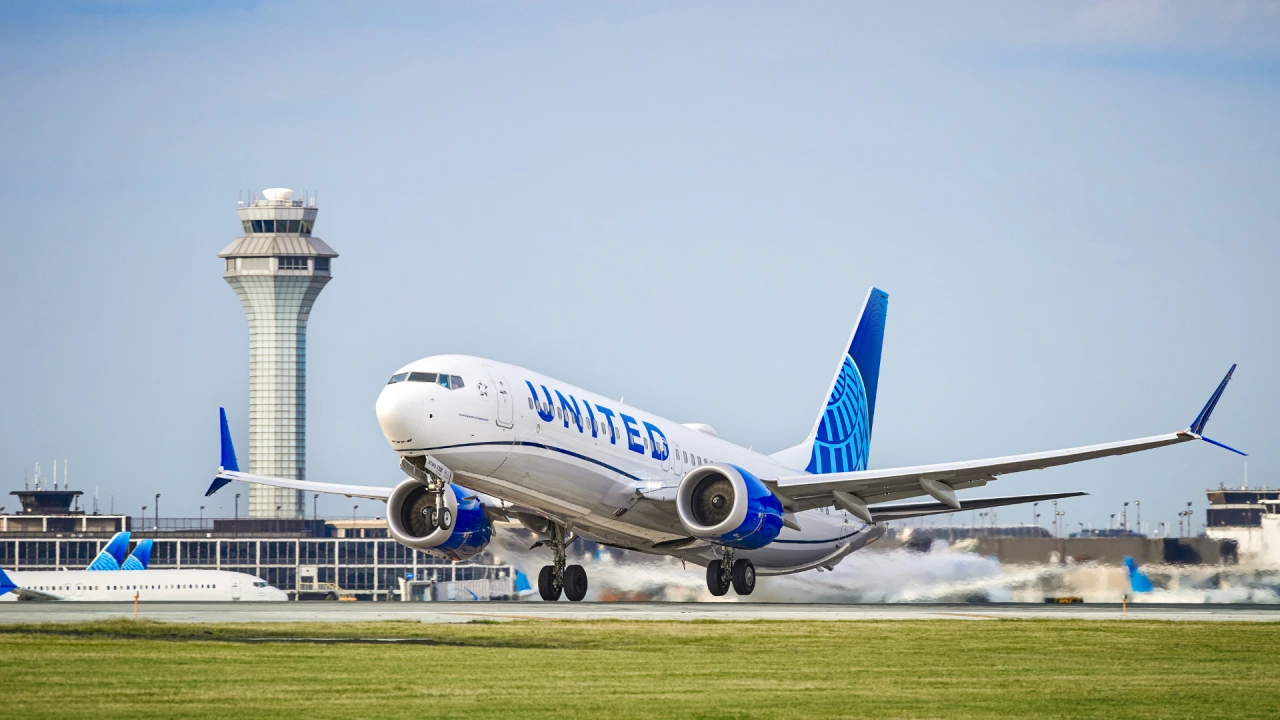
The U.S. government shutdown has now triggered a rare operational response from the aviation sector: a mandated 10% cut in flights at 40 major airports slated to begin this Friday if Congress does not act.
Secretary Duffy’s directive reflects mounting safety concerns as controllers and TSA staff continue to work unpaid and absenteeism rises.
The measure signals growing risk for passengers, carriers, and airports alike — and the aviation community is bracing for further disruption until the funding deadlock is resolved.
Stay tuned with us. Further, follow us on social media for the latest updates.
Join us on Telegram Group for the Latest Aviation Updates. Subsequently, follow us on Google News
