

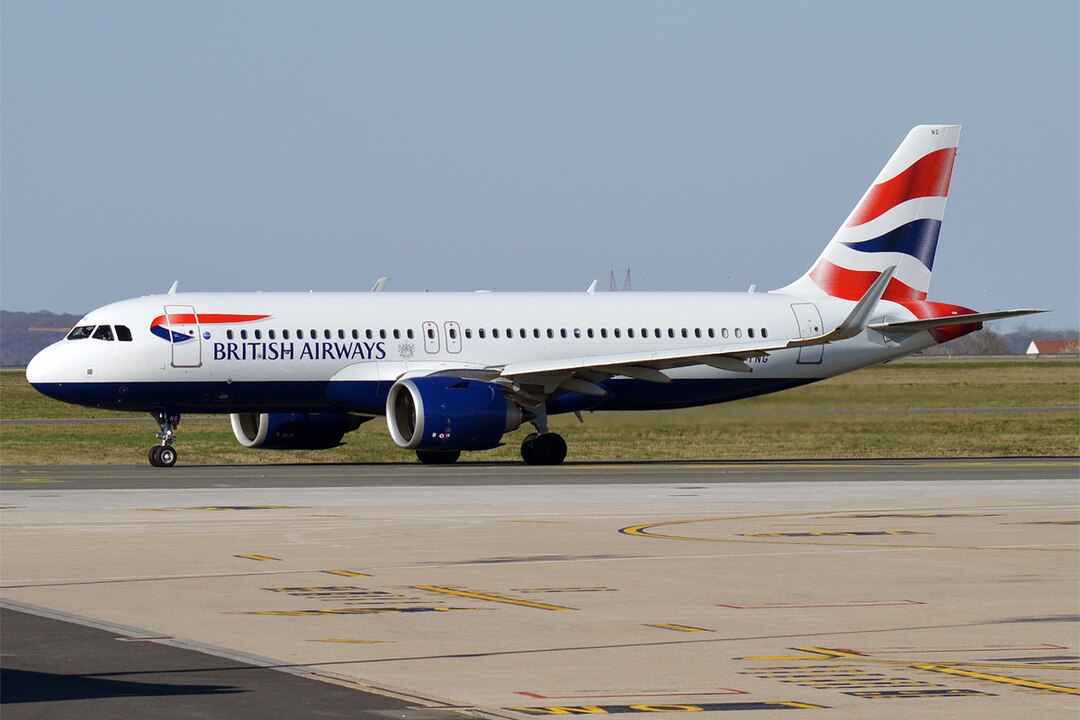
LONDON– British Airways (BA) has announced it will terminate four routes from London, three operating from London Heathrow Airport (LHR) and one from London City Airport (LCY).
The affected services include LHR‑Cologne (CGN), LHR‑Riga (RIX), LHR‑Stuttgart (STR), and LCY‑Frankfurt (FRA). BA will end these flights as it transitions to its 2026 summer schedule, with the last operations scheduled for 27‑28 March 2026.
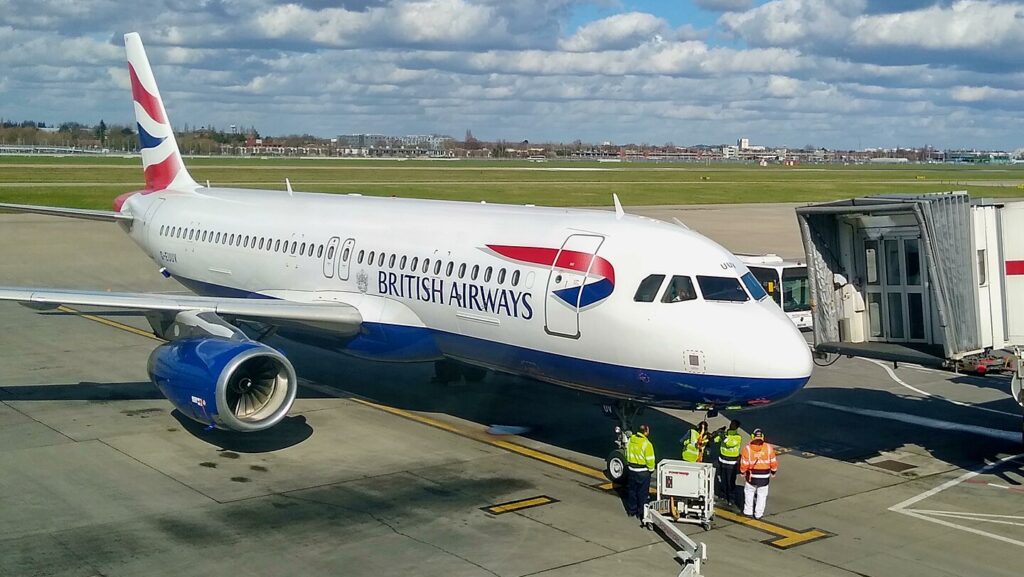
British Airways Cuts 4 London Routes
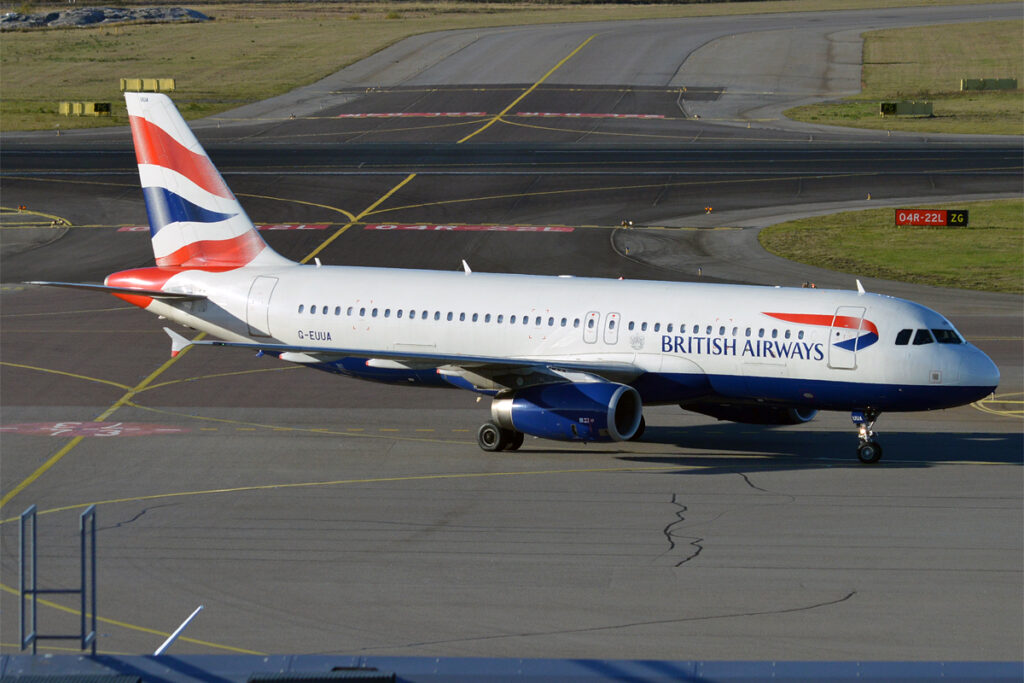
The LHR‑Riga connection, reinstated in 2023, had offered three to four weekly Airbus A320 flights. Despite transporting nearly 46,000 round‑trip passengers from January to August 2025, the airline achieved only 70 % seat occupancy, suggesting weak yields and limited profitability.
Similarly, the LHR‑Cologne service, which also resumed in 2023, competed with Eurowings’ 14 weekly flights and accounted for only half the weekly frequency of the rival operator.
LHR‑Stuttgart, which BA served for decades, handled roughly 250,000 passengers annually. Following BA’s exit, Eurowings will become the sole operator on this market.
Historically, Stuttgart Airport has supported significant business traffic due to the region’s concentration of automotive and industrial companies.
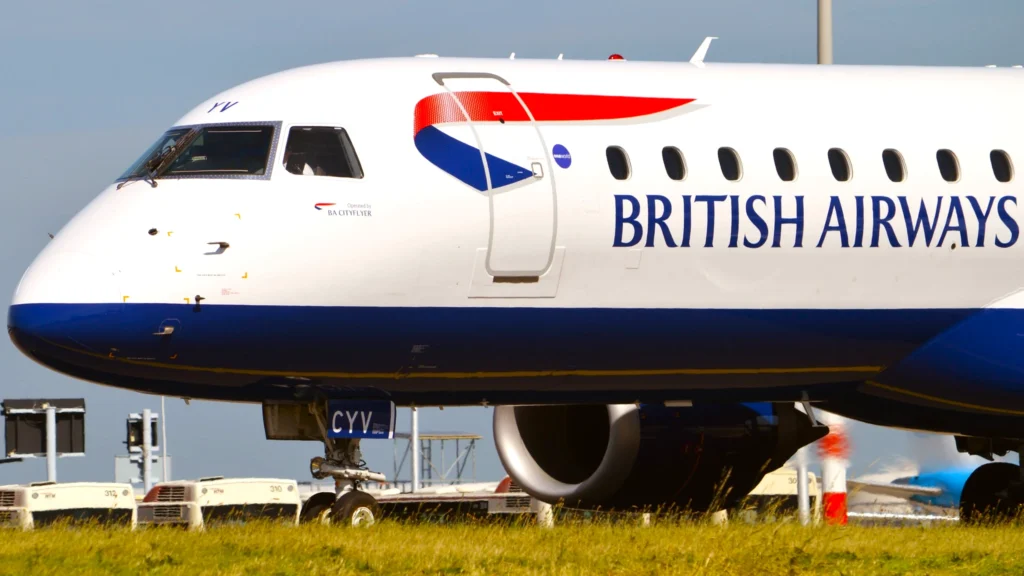
LCY‑Frankfurt, operated by BA CityFlyer, has served as a strategic connection for business travelers, but declining utilization prompted its discontinuation, Simple Flying flagged.
Competitive Impact
The withdrawal of these routes reshapes the competitive landscape. Indirect competitors include Ryanair and Wizz Air, which serve secondary airports near Cologne and Stuttgart.
BA’s reduced presence in these markets may lead to fare increases and fewer direct connections for London passengers.
In Cologne, BA’s limited capacity compared to Eurowings meant it held a minor market share, while in Riga, competitors like airBaltic, Ryanair, and Norwegian continue to operate.
BA’s exit from Stuttgart leaves travelers reliant on Eurowings or alternative nearby airports. The changes indicate that BA is prioritizing high-yield markets and long-haul operations over low-margin European short-haul routes.
Strategic Considerations
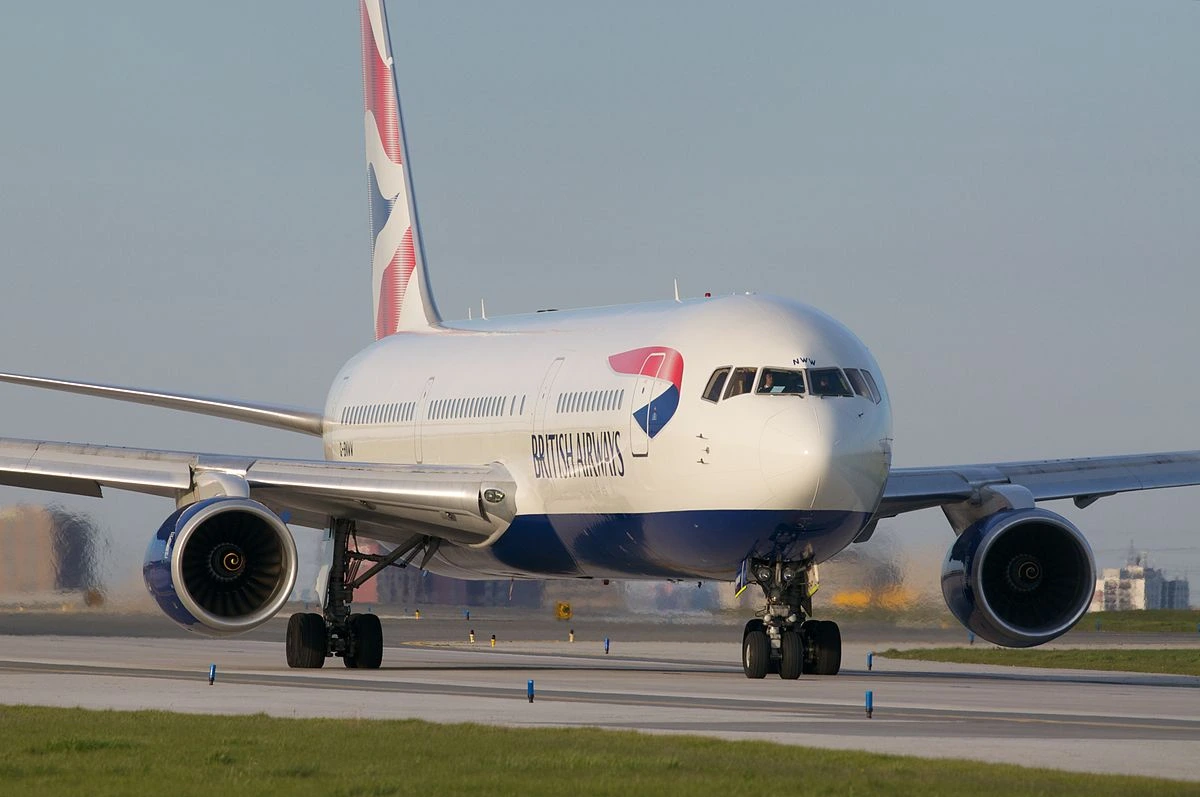
The reallocation of slots at LHR and LCY provides British Airways (BA) with opportunities to strengthen its long-haul network. Freed slots can support the launch of new intercontinental flights, enhance frequency on high-demand routes, or allow the carrier to invest in premium services for business and first-class passengers.
By trimming underperforming short-haul connections, BA aims to optimize aircraft utilization and increase overall network profitability.
Concentrating on routes with higher yields ensures better revenue per available seat kilometer (RASK), which is critical for maintaining competitiveness against both low-cost carriers and other legacy airlines.
The move also reflects a broader strategy among European legacy carriers to streamline operations, reduce exposure to markets with high operating costs, and focus resources on strategic hubs.
Additionally, the adjustment allows BA to respond flexibly to seasonal fluctuations in demand while maintaining compliance with slot allocation rules at congested airports.
Bottom Line
British Airways is ending four London routes in March 2026 and this move reflects weak demand, competition, and strategic fleet planning.
Passengers may experience fewer direct connections, but the reallocation of slots allows BA to strengthen higher-yield operations and optimize its European network.
Overall, these decisions demonstrate that BA is balancing passenger convenience with operational efficiency, leveraging data-driven insights to ensure sustainable growth in key markets while scaling back low-performing services.
Stay tuned with us. Further, follow us on social media for the latest updates.
Join us on Telegram Group for the Latest Aviation Updates. Subsequently, follow us on Google News
