

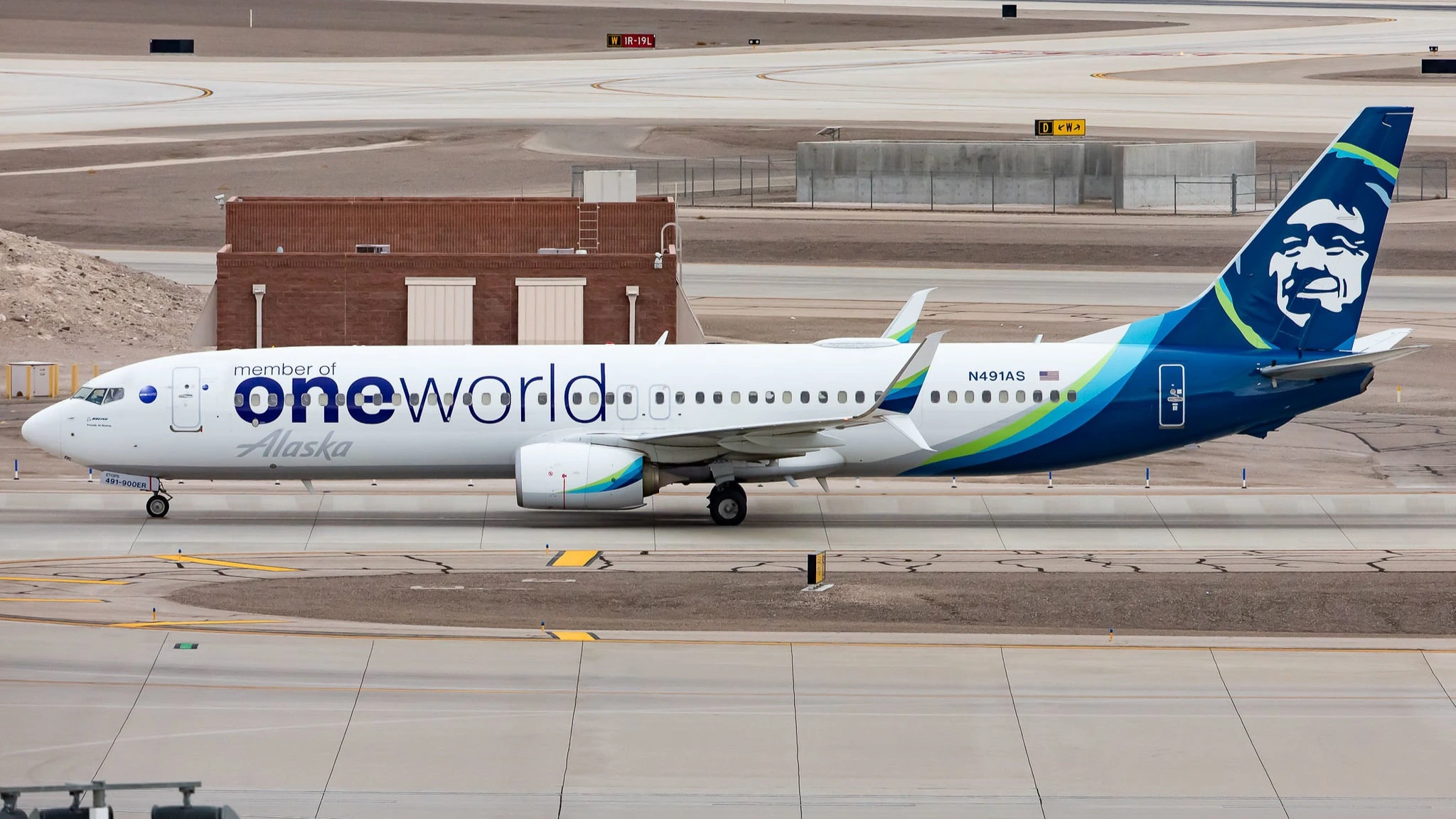
SEATTLE- Alaska Airlines (AS) is scaling back operations at San Francisco International Airport (SFO) and Los Angeles International Airport (LAX) as part of a broader network realignment. The move comes as the carrier reallocates aircraft to strengthen growth at its expanding hubs in San Diego (SAN) and Portland (PDX).
To make room for 13 new routes launching from those cities, Alaska Airlines will cut nine routes across SFO and LAX. The changes, effective in 2026, reflect the airline’s tighter aircraft availability and a renewed focus on efficiency.
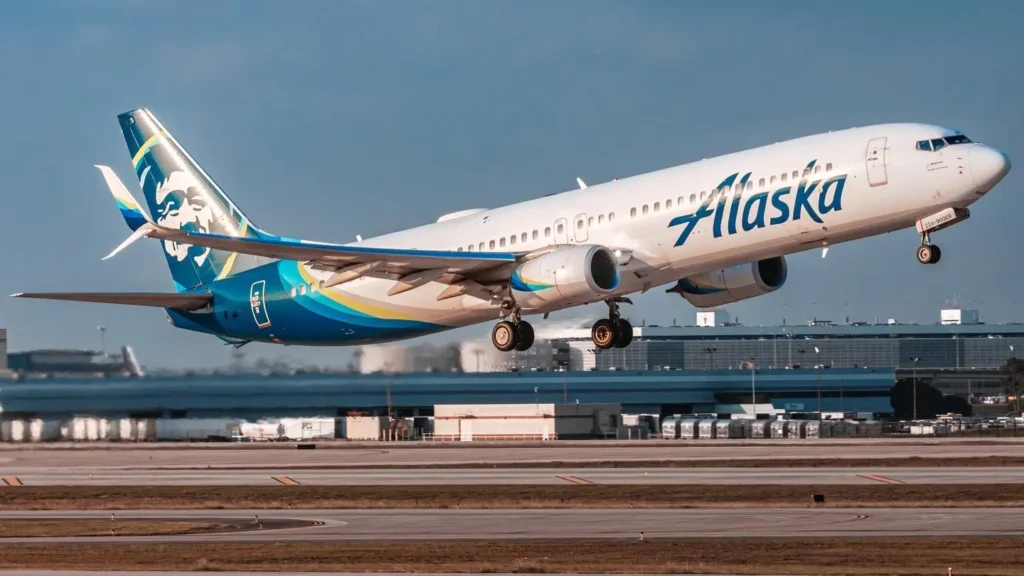
Alaska Airlines Suspends 9 Routes
The decision to reduce service in California’s largest markets underscores Alaska’s strategic pivot toward its growing bases in San Diego and Portland. In recent months, both airports have seen substantial route additions, positioning them as key nodes for the airline’s West Coast network.
According to updated Cirium schedules, five routes will end at SFO and four at LAX:
From San Francisco (SFO):
- Austin-Bergstrom International Airport (AUS)
- Boston Logan International Airport (BOS)
- Hollywood Burbank Airport (BUR)
- Newark Liberty International Airport (EWR)
- Orlando International Airport (MCO)
From Los Angeles (LAX):
- Cancun International Airport (CUN)
- Harry Reid International Airport, Las Vegas (LAS)
- Reno-Tahoe International Airport (RNO)
- San Jose Mineta International Airport (SJC)
These changes primarily impact long-haul transcontinental flights from San Francisco and short-haul regional routes from Los Angeles.
Alaska also confirmed it will not resume its seasonal Anchorage (ANC)–Detroit (DTW) route in 2026 and will discontinue flights from San Jose (SJC) to three Mexican destinations: Puerto Vallarta (PVR), San Jose del Cabo (SJD), and Guadalajara (GDL), TPG reported.
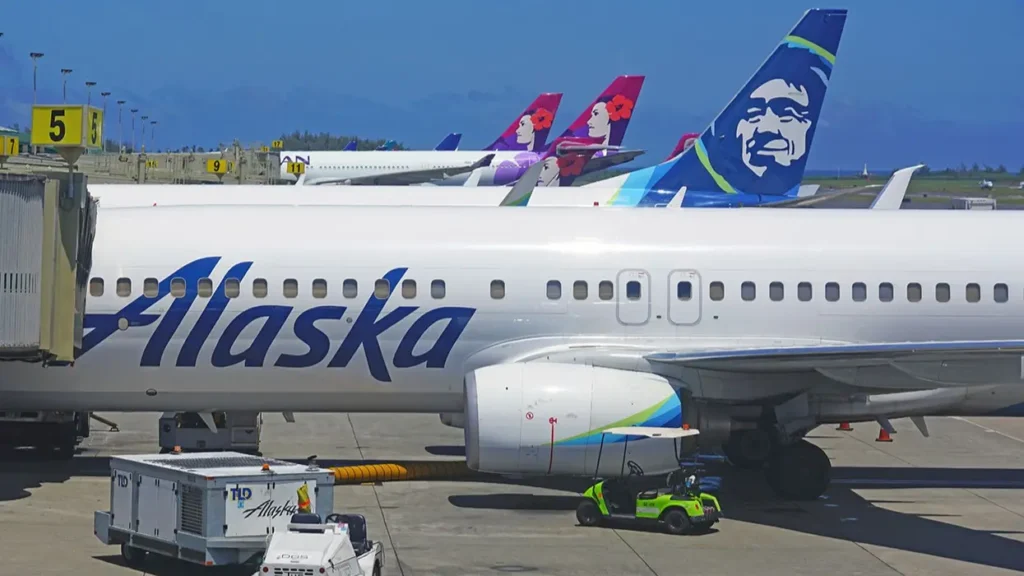
Strategic Balancing Act
Alaska’s network optimization reflects a broader shift to focus capacity where demand and profitability are strongest. San Diego and Portland have become critical to the airline’s growth, with executives citing strong loyalty program engagement and increased connecting traffic.
In contrast, San Francisco and Los Angeles remain highly competitive markets dominated by major U.S. carriers.
United Airlines (UA) maintains a hub at SFO, while United, American (AA), and Delta (DL) all operate hubs at LAX. By scaling back there, Alaska is freeing resources to consolidate strength elsewhere rather than spreading its fleet too thin.
Kirsten Amrine, Alaska’s vice president of revenue management and network planning, previously described the carrier’s position at SFO as being in a “holding pattern,” noting the airline still views the airport as a hub and continues to invest in its facilities — including the 11,000-square-foot Alaska Lounge opened in 2024 at SFO’s Harvey Milk Terminal.
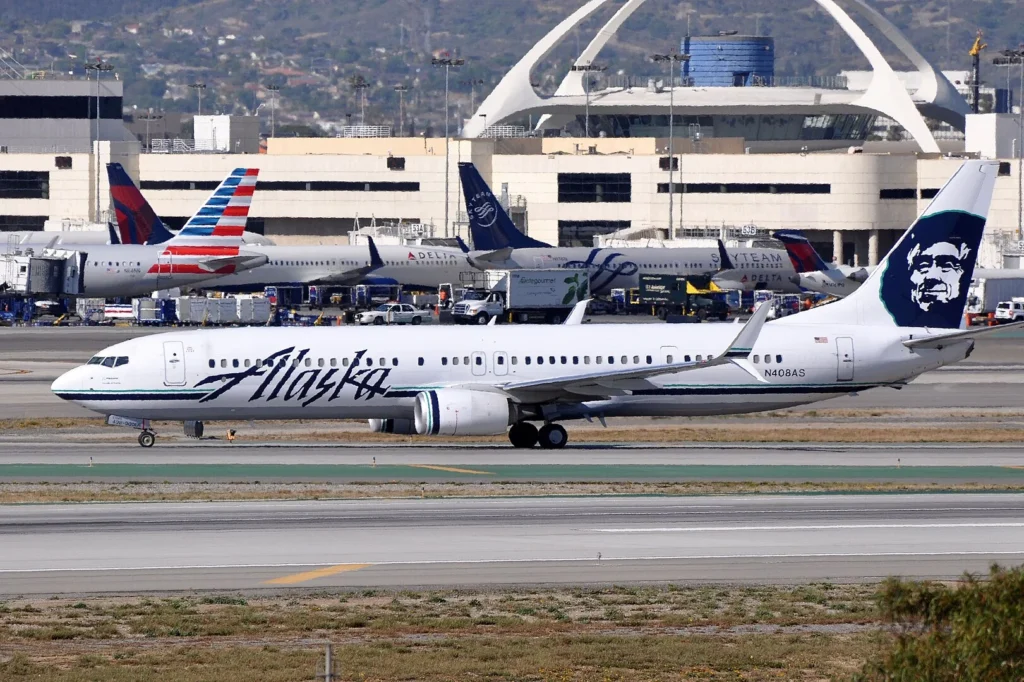
Long-Term Outlook
Despite the route cuts, Alaska Airlines maintains that both SFO and LAX remain essential to its long-term network.
The carrier’s spokesperson emphasized that these adjustments are about fleet discipline rather than retreat, noting “positive signs” of recovery in business travel and solid holiday demand.
By reallocating aircraft strategically, Alaska aims to strengthen its market share in cities where it can compete effectively while maintaining a steady presence in major coastal hubs.
Stay tuned with us. Further, follow us on social media for the latest updates.
Join us on Telegram Group for the Latest Aviation Updates. Subsequently, follow us on Google News
