


ARLINGTON- Striking employees at Boeing in the St. Louis area (STL) have rejected the company’s latest labor pay contract, extending a walkout that has now entered its 13th week.
The dispute continues to delay delivery schedules for key military programs, including fighter jets built for the US Air Force.
The International Association of Machinists and Aerospace Workers (IAM) District 837, representing about 3,200 employees, voted down Boeing’s proposal, citing inadequate retirement contributions and insufficient bonuses.
According to CNBC, this decision underscores growing worker frustration with corporate labor practices and widening pay disparities.

Boeing Employees Reject New Pay
The latest offer from Boeing was a five year contract that included a $3,000 stock award vesting over three years and a $1,000 retention bonus after four years.
While it promised improved pay growth for senior employees, it also reduced the ratification bonus and tied some wage increases to attendance and shift work. Boeing executives said these changes were necessary trade-offs to fund other increases.
IAM leaders argued the package failed to meet members’ expectations, especially compared to a $12,000 bonus granted to commercial division workers in the Pacific Northwest last year.
They emphasized the need for higher company contributions to retirement plans and better recognition of workers’ role in sustaining Boeing’s defense operations.
Union President Brian Bryant criticized Boeing’s corporate leadership, saying the company “continues to insult the very people who build the world’s most advanced military aircraft.”
Boeing, in turn, stated it was disappointed by the vote and would implement the next phase of its contingency plan to maintain operations.
Financial Pressures and Program Delays
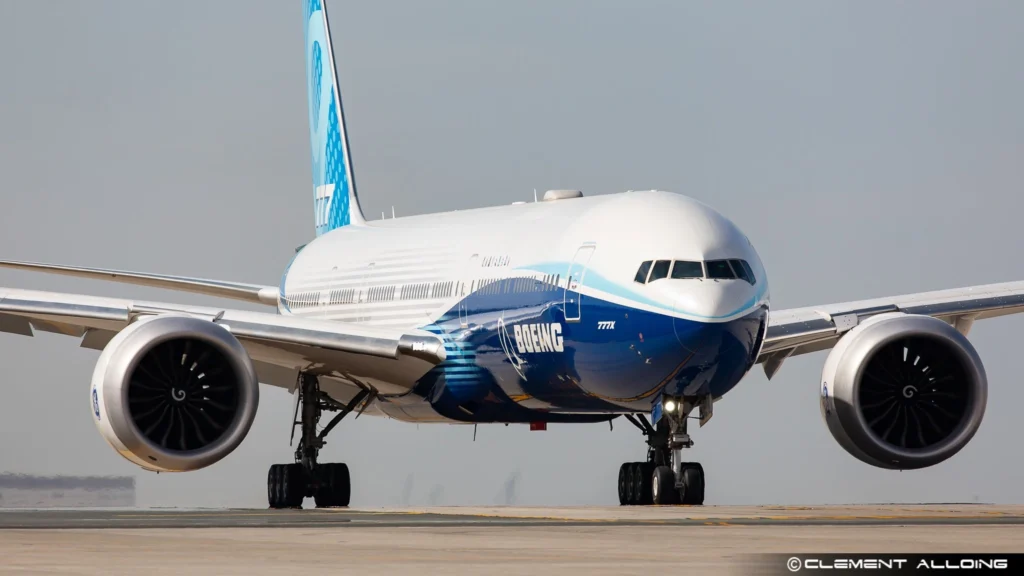
Boeing’s financial situation adds complexity to the standoff. The company is expected to post another quarterly loss when reporting third-quarter earnings, with analysts projecting a multi-billion-dollar charge tied to the delayed 777X program, which remains uncertified six years behind schedule.
The IAM estimates its own proposal would add approximately $50 million to Boeing’s costs over four years, an amount the union argues is minor compared to executive pay and corporate spending.
Boeing CEO Kelly Ortberg is set to earn around $22 million this year, further fueling tensions among workers who have relied on $300 weekly strike benefits and second jobs to get by since the walkout began on August 4.
Impact on US Defense Production
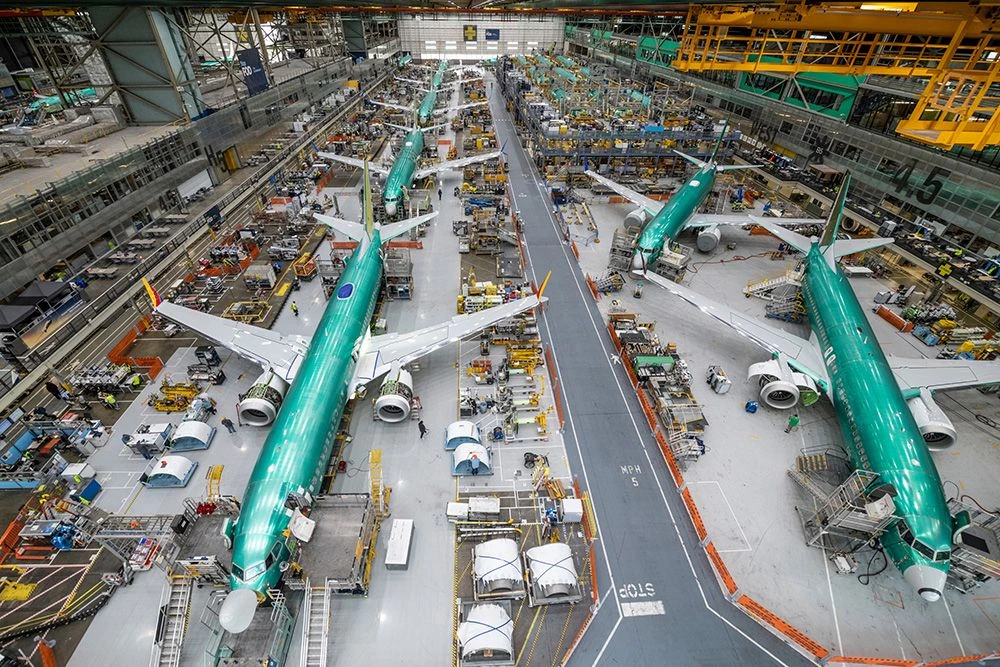
Despite Boeing’s claim that its mitigation plan has minimized the impact of the strike, the stoppage has delayed key defense projects.
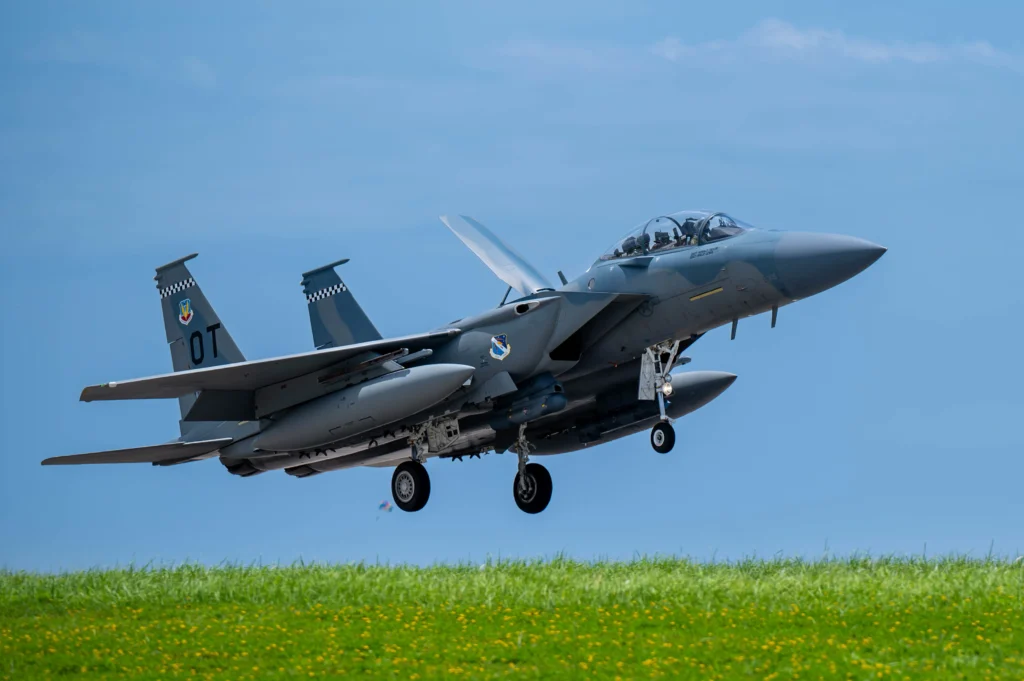
Deliveries of F-15EX fighters to the US Air Force have been pushed back, according to testimony submitted to the Senate Armed Services Committee.
With production delays mounting, concerns are growing over Boeing’s ability to meet military commitments while managing ongoing labor disputes.
Union officials have also filed an unfair labor practice charge, accusing Boeing of bargaining in bad faith.
The IAM insists that Boeing must “bargain a fair deal that respects their skill and sacrifice,” warning that prolonged unrest could further disrupt both commercial and defense operations.
Outlook for Resolution
As negotiations remain stalled, industry analysts suggest Boeing must balance financial discipline with workforce morale to sustain recovery.
The outcome of this labor conflict could set a precedent for future aerospace labor negotiations, influencing not only Boeing’s defense operations but also its global reputation as a leading aircraft manufacturer.
Stay tuned with us. Further, follow us on social media for the latest updates.
Join us on Telegram Group for the Latest Aviation Updates. Subsequently, follow us on Google News
