

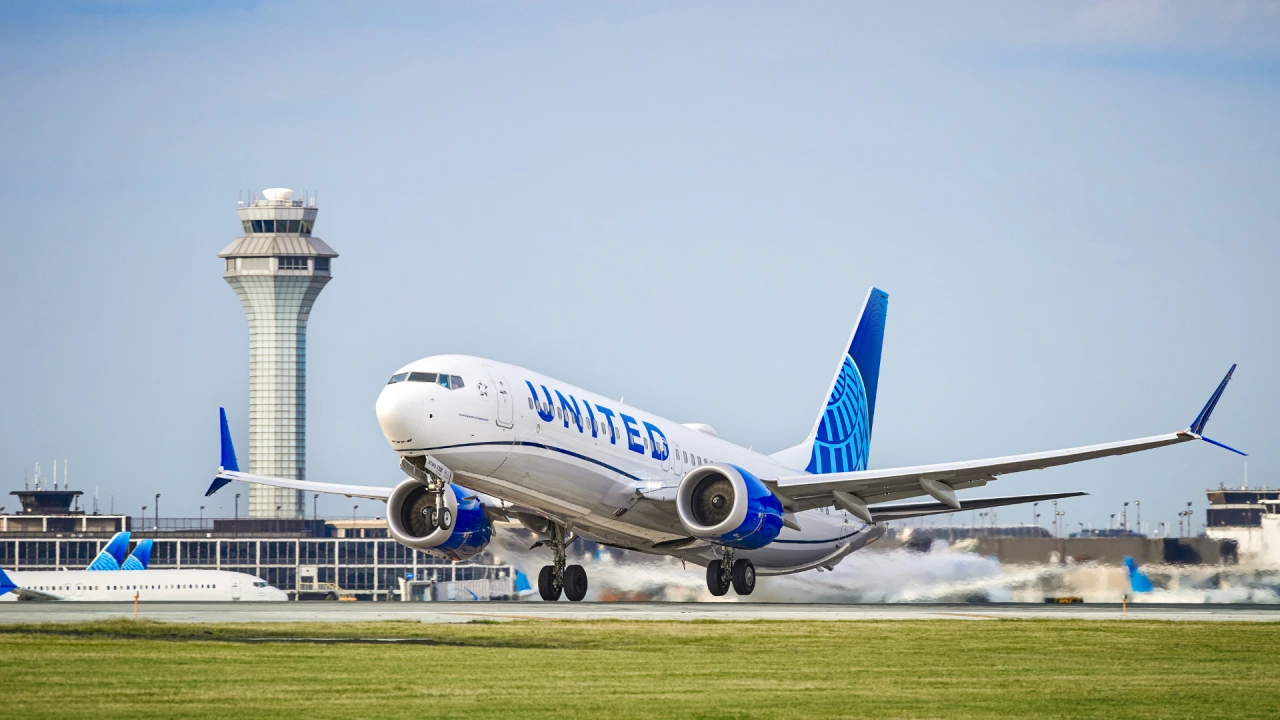
PHOENIX- A United Airlines (UA) flight bound for Phoenix Sky Harbor International Airport (PHX) diverted to Luke Air Force Base (LUF) late Monday night after the crew declared minimum fuel during severe thunderstorms.
The Boeing 737-900, carrying 154 passengers and six crew members, landed safely at the military installation roughly 25 miles west of PHX.
The flight departed Houston George Bush Intercontinental Airport (IAH) and was originally scheduled to arrive at Phoenix Sky Harbor.
Heavy rain, hail, and gusty winds prevented a timely arrival, leading the crew to divert to Luke Air Force Base, after which passengers were transported by bus to Phoenix.

United 737 Makes Landing at Military Base
Monday night’s storm activity struck the Phoenix area hard, bringing heavy rain, strong wind gusts, and hail to the city.
Flight tracking data shows that United flight UA2078, a Boeing 737-900 registered N71411, departed Houston George Bush Intercontinental Airport (IAH) slightly behind schedule at 8:11 PM local time.
The aircraft tracked west across Texas and into New Mexico before entering a holding pattern southeast of Phoenix Sky Harbor.
During the extended hold, the crew reported “minimum fuel” to air traffic control. With weather conditions continuing to delay arrivals, the crew determined that diverting to the nearest suitable airport was the safest option.
They selected Luke Air Force Base (LUF) in Glendale, which sits 25 miles due west of PHX and hosts one of the US Air Force’s largest F-35 Lightning II training operations.
The unusual diversion was first highlighted by Flightradar24 on X, drawing attention because commercial passenger aircraft rarely land at active US military air bases.
As reported by Simple Flying, the combination of severe weather and a minimum fuel declaration made this diversion particularly uncommon.
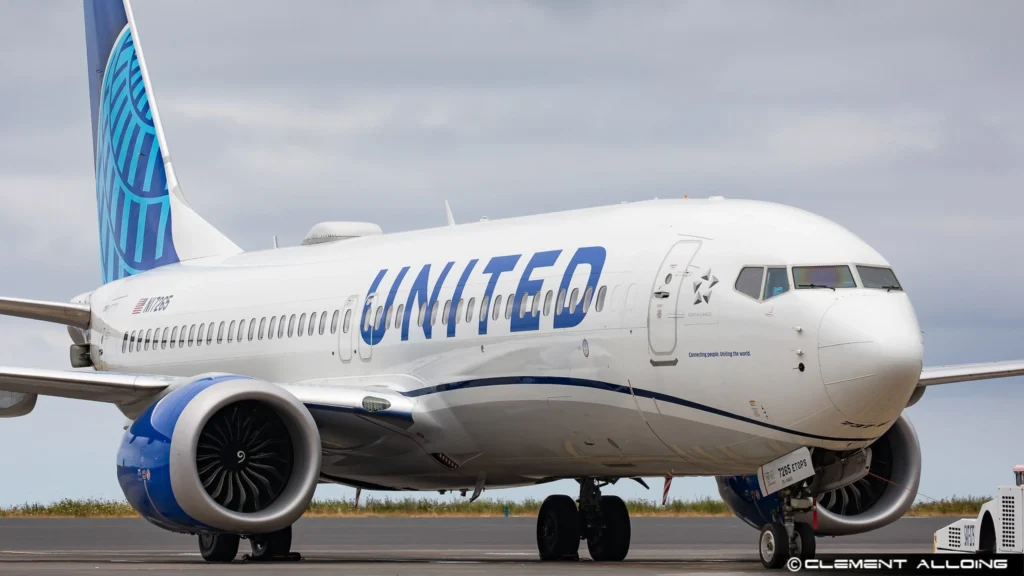
Landing And Bus Transfer To Sky Harbor
A United Airlines spokesperson said the decision to divert to Luke Air Force Base was the “safest course of action” given the severe weather. In total, 154 passengers and six crew members were onboard the flight.
Because Luke Air Force Base is an active military installation rather than a commercial airport, travelers could not leave the aircraft and enter a passenger terminal as they normally would.
United instead arranged buses to carry passengers from the base to Phoenix Sky Harbor, while all checked baggage remained onboard the aircraft.
The jet was later ferried to PHX, where it resumed normal operations with an overnight service to Newark (EWR). United said:
“We’re grateful for the support from the Air Force and our teams at Phoenix Sky Harbor for finding a solution for our customers on this flight.”

Why Luke Air Force Base Was Selected Over Other Airports
Passenger jets have landed at Air Force bases before, but such events remain rare for commercial operations.
Luke Air Force Base serves mainly as a training hub for F-35 fighter pilots rather than a facility built for passenger flights.
The base does offer a 10,000-foot runway, noticeably longer than other airports in the region, which made it capable of safely handling a fully loaded narrowbody at night.
Phoenix Goodyear Airport (GYR), a major aircraft storage site capable of accommodating jets as large as the Boeing 747, sits just a few miles south of LUF. The crew told air traffic control that Goodyear could not accommodate them at that time.
United likely judged that the Air Force base offered more resources to support the aircraft and its passengers during a late-night arrival.
Landing at an active military installation also required coordination between United, air traffic control, and the US Air Force before the aircraft received clearance to land.
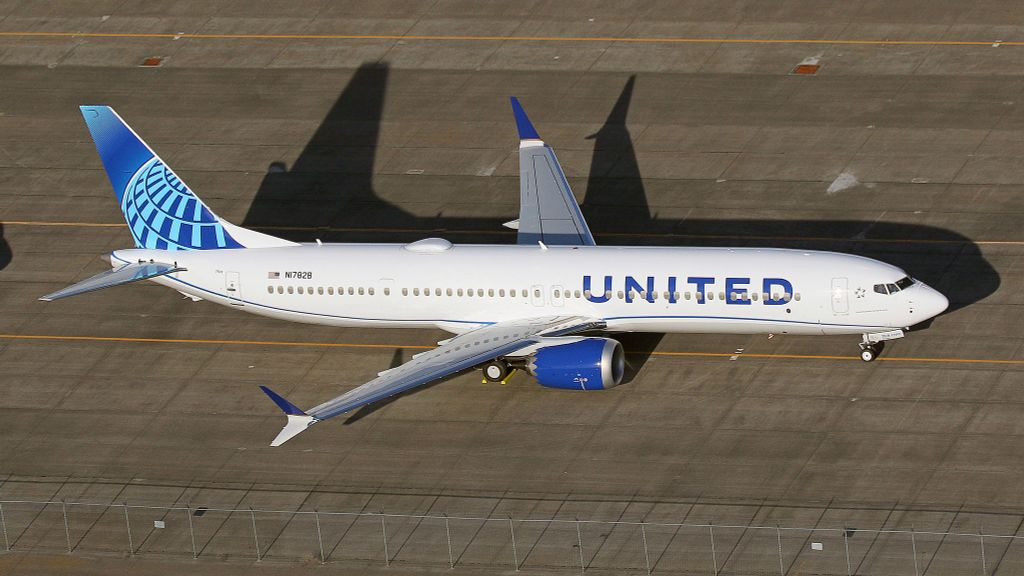
What is Minimum Fuel Declaration?
A minimum fuel declaration does not mean an aircraft is about to run out of fuel or that an emergency already exists.
Instead, it tells air traffic control that the aircraft has reached a point where further delays cannot be accepted without cutting into planned fuel reserves. Controllers typically provide priority handling after receiving this call.
If reserves continue to fall beyond acceptable limits, a crew may then declare a fuel emergency, which carries a higher level of operational priority.
In the case of UA2078, the crew declared minimum fuel early enough to divert safely before reserves reached emergency levels.
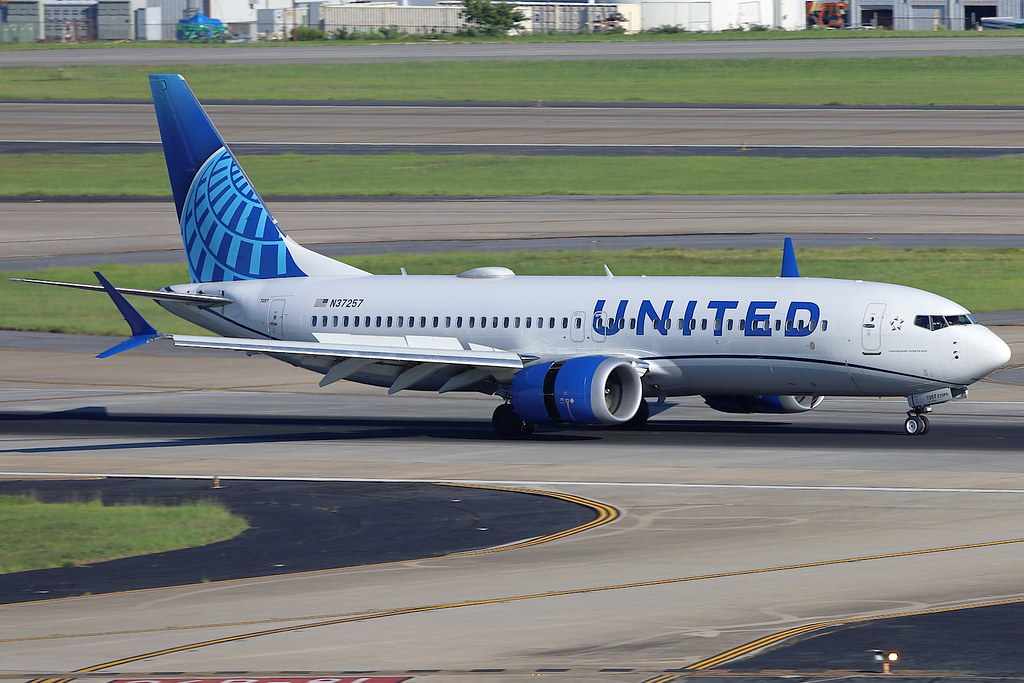
Second Minimum Fuel Diversion
The Phoenix diversion came less than 48 hours after a separate weather-related United low fuel event.
On July 18, United flight UA787, a scheduled red-eye from Houston (IAH) to Chicago O’Hare International Airport (ORD), diverted to Chicago Rockford International Airport (RFD) after storms hit the Chicago area.
Flight tracking data shows UA787 was scheduled to depart Houston at 8:25 PM but took off almost two hours later at 10:16 PM.
Once the Airbus A321neo, registered N24508, reached about 50 miles southwest of O’Hare, the crew declared minimum fuel and turned toward Rockford, 70 miles west of ORD.
The aircraft sat on the ground at Rockford for roughly two hours before continuing to Chicago, arriving at 1:35 AM on July 19.
Stay tuned with us. Further, follow us on social media for the latest updates.
Join us on Telegram Group for the Latest Aviation Updates. Subsequently, follow us on Google News
