

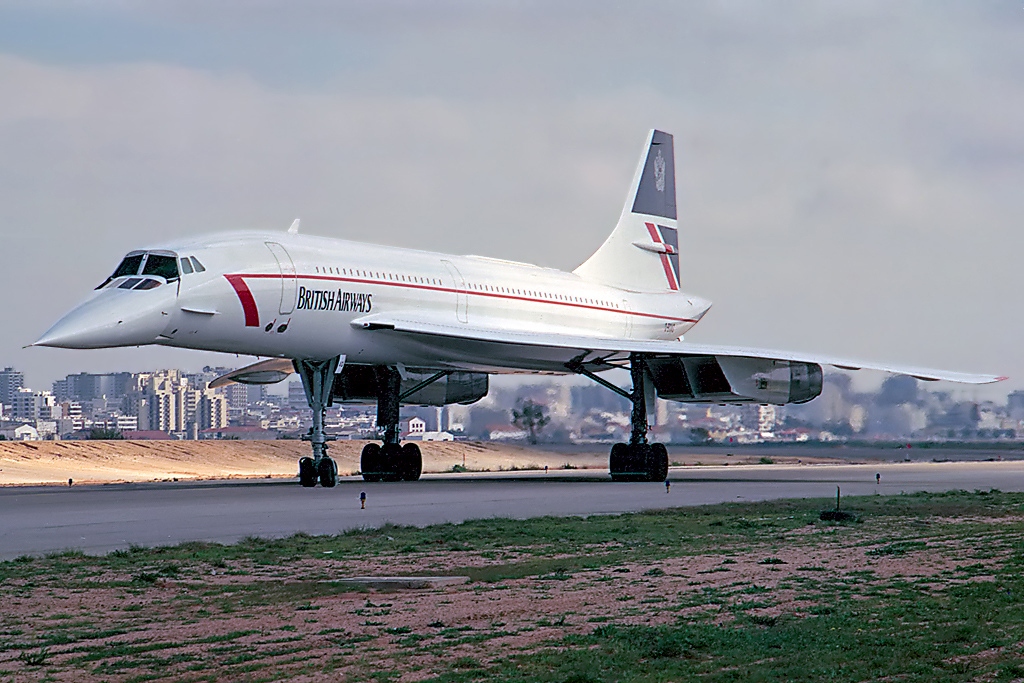
FREEHOLD- A company called FlyConcorde Ltd. is planning to bring back supersonic passenger flights, nearly 20 years after the original Concorde retired. The new aircraft could start service as early as 2026, though significant challenges remain before that becomes a reality.
The original Concorde stopped flying in 2003 after 27 years of service. High operating costs, limited routes, and a fatal crash in 2000 led to its retirement. Now, new technology and changed regulations are making another attempt possible.
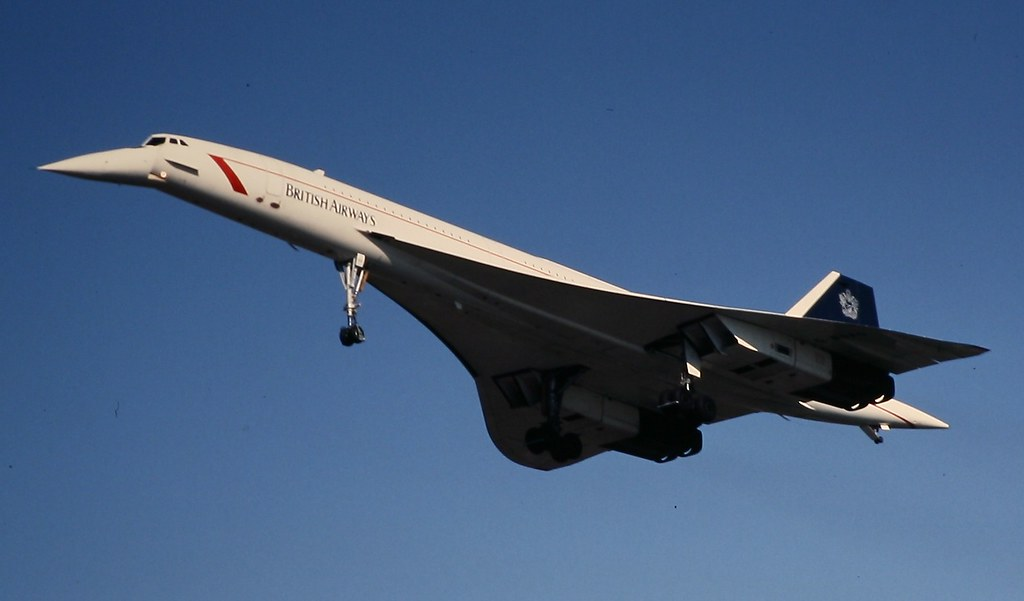
Is Concorde to Make A Return?
The biggest change happened in the United States in June 2025. Congress passed legislation lifting the ban on supersonic flight over land. This ban had severely restricted where Concorde could fly. The aircraft could only go supersonic over oceans, limiting its route options and commercial viability.
Without this restriction, supersonic aircraft can operate more routes profitably. London to New York remains the obvious choice, but now domestic U.S. routes are becoming possible. Los Angeles to Washington could work, so could transcontinental routes across Europe or Asia.
Technology has also advanced significantly since Concorde’s era. The new design reportedly weighs 50 percent less than the original. It will use sustainable aviation fuel instead of conventional jet fuel.
The new aircraft design will allow it to cruise at altitudes up to 60,000 feet. This is way higher than the original Concorde’s typical cruising altitude.
Most importantly, engineers claim the new design produces much less sonic boom. The original Concorde’s loud sonic boom was a major problem. It damaged the aircraft’s public image and led to the overland flight bans. Reducing this noise is critical for any supersonic comeback.
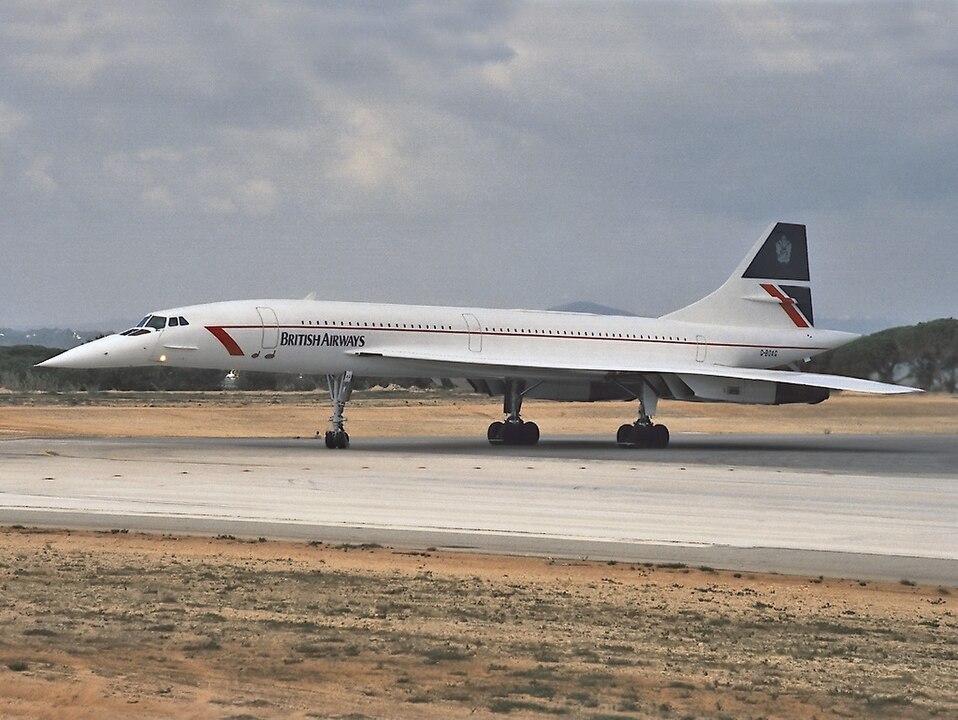
Flight Time Reductions
The appeal of supersonic travel is obvious — dramatically shorter flight times. London to New York currently takes about 7 hours on today’s commercial aircraft. The new supersonic plane could cut that to 2-3 hours. Los Angeles to Washington drops from 5-6 hours to around 2 hours.
For business travelers, this time savings matters significantly. However, industry experts caution that this won’t be for everyone. It’s unlikely to appeal to average holidaymakers. The tickets will be expensive. The aircraft will be small, carrying far fewer passengers than modern widebody jets.
Airports need modifications to handle supersonic operations. Air traffic control systems must adapt. Ground handling procedures differ from conventional aircraft. All this requires investment and coordination.
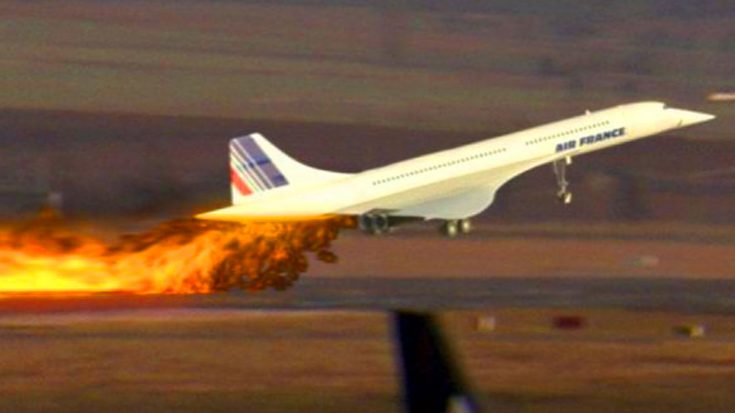
What Challenges Remain?
Economic viability is the first major question. The original Concorde never made money for British Airways or Air France. Operating costs were extremely high. Ticket prices had to match those costs, limiting the potential customer base to wealthy business travelers and celebrities.
The new aircraft will be more efficient but still expensive to operate. Supersonic flight burns more fuel than subsonic flight. Even with sustainable aviation fuel, costs shall remain high. The small passenger capacity means each ticket needs to generate significant revenue.
Sonic boom concerns haven’t completely disappeared. While the new design reduces noise, it doesn’t eliminate it. Many countries and regions remain sensitive about noise pollution. Getting regulatory approval worldwide won’t be easy.
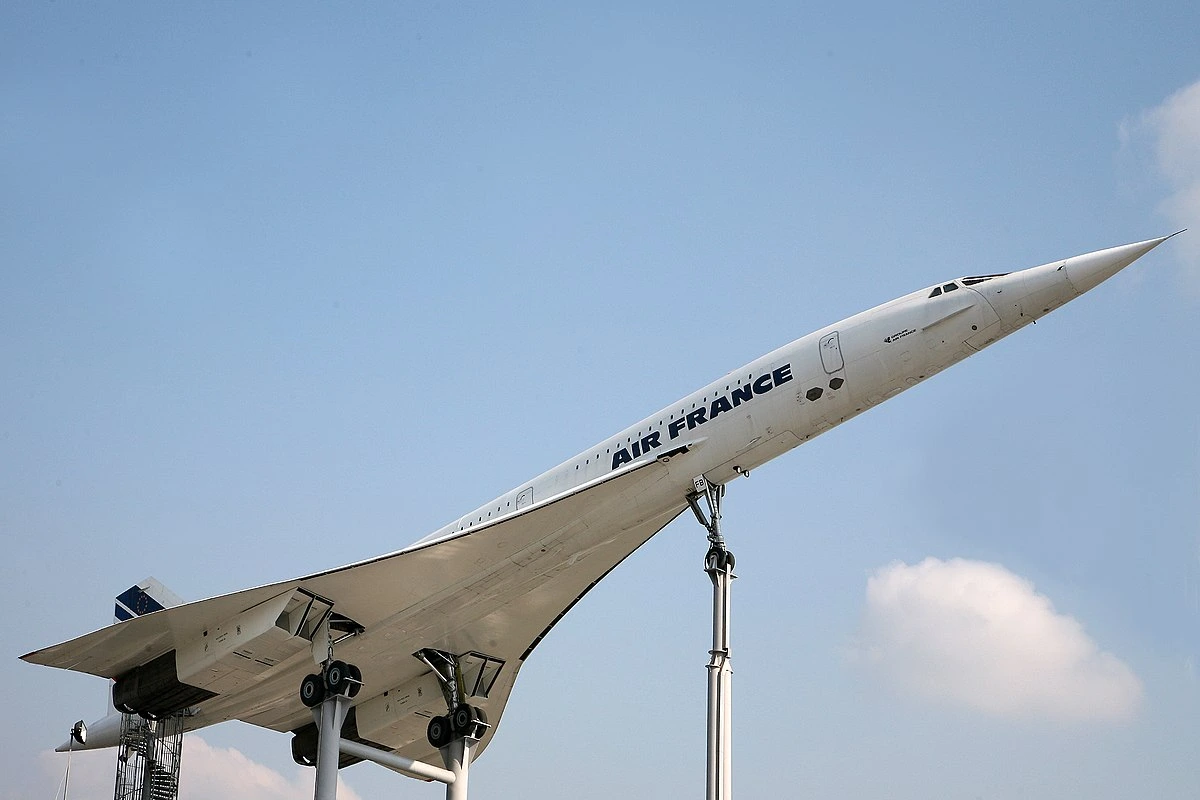
Potential Markets for Concorde
FlyConcorde Ltd. is targeting a 2026 launch, which seems optimistic given everything that needs to happen. The aircraft must complete development and testing.
Regulatory approvals must be secured from aviation authorities in multiple countries. Airlines need to commit to buying or leasing the planes. Airports must prepare for operations.
Even if the aircraft enters service by 2026, initial operations will likely be limited. A few routes with proven demand make sense, such as London to New York, which tops that list. But expanding beyond a handful of premium routes will take time and depend on the aircraft proving itself operationally and financially.
The aviation industry has seen multiple supersonic revival attempts over the past 20 years. Boom Supersonic, Aerion, and others have announced plans. So far, none have entered commercial service. Technical, regulatory, and financial obstacles have blocked each attempt.
Bottom Line
If FlyConcorde Ltd. succeeds, it won’t revolutionize air travel for most people. Supersonic flight will remain a niche product for those willing to pay premium prices for time savings. It can be thought of as the aviation equivalent of first-class or private jets – a luxury option that exists alongside mainstream travel.
For aviation enthusiasts, seeing a Concorde-style aircraft back in the skies would be exciting. The original Concorde remains iconic decades after retirement. A new supersonic era would mark a genuine technological achievement.
Whether that actually happens by 2026 remains very much in question. But at least for now, it seems like the 2026 date is too optimistic. The history of promised supersonic returns suggests caution. But changed regulations and improved technology give this attempt better odds than previous efforts.
Disclaimer: This article is based on information available in the industry. We do not advise investing in any financial company and seek proper guidance from authorized firms. Also views mentioned in the article are those of the author solely.
Stay tuned with us. Further, follow us on social media for the latest updates.
Join us on Telegram Group for the Latest Aviation Updates. Subsequently, follow us on Google News
