


DUBAI- Emirates Airline (EK), the world’s largest international airline, is resuming flights to Madagascar (TNR) this week after a temporary suspension caused by civil unrest in the island nation.
According to the airline’s travel advisory released on Tuesday, October 21, Emirates will restart its Dubai–Antananarivo route on Thursday, October 23, reconnecting the destination through Seychelles (SEZ).
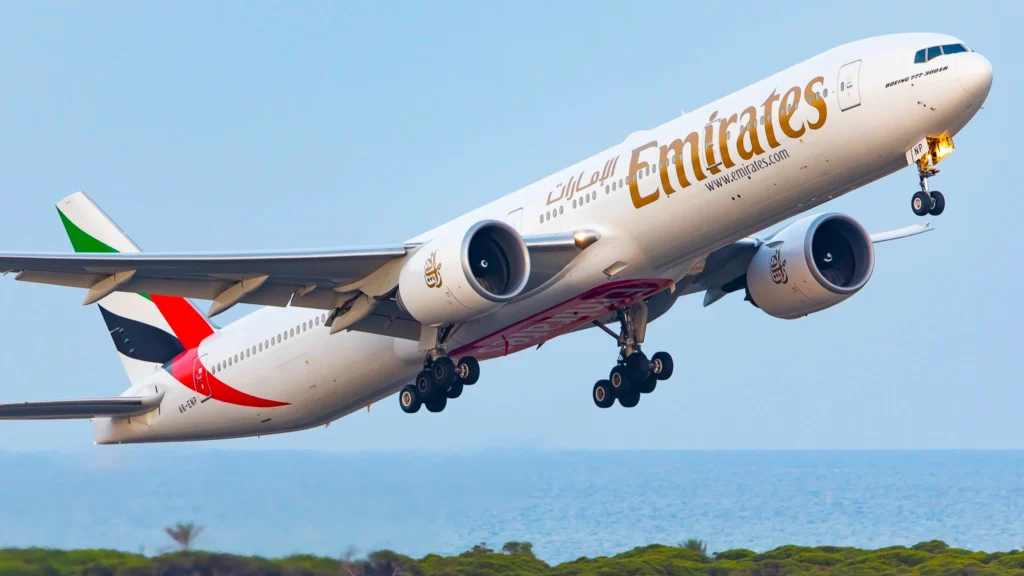
Emirates to Resume Dubai to Madagascar Flights
The reinstated service will operate as EK707 and EK708, linking Dubai International Airport (DXB) with Antananarivo’s Ivato International Airport (TNR) through Mahé’s Seychelles International Airport (SEZ).
Emirates’ Madagascar operations typically run from Tuesday to Sunday each week, maintaining vital air connectivity between the Indian Ocean islands and the Middle East.
The route’s return follows a period of suspension prompted by civil unrest in Madagascar earlier this year.
The airline confirmed that all affected passengers are now eligible to resume travel and can be rebooked on available flights. Any Emirates passenger with a final destination in Antananarivo will now be accepted for travel at their point of origin.
Emirates has advised passengers affected by the earlier cancellations to contact their travel agency or reach out directly to the airline for rebooking. Those who booked through the Emirates website are encouraged to verify and update their contact details in the Manage Your Booking section to receive timely flight updates.
The airline expressed regret for any inconvenience caused and reaffirmed its commitment to monitoring the situation in Madagascar closely. Emirates continues to prioritize passenger safety and operational stability across its African network.
Madagascar represents a key regional link for Emirates’ Indian Ocean network, which includes destinations such as Seychelles (SEZ) and Mauritius (MRU). The DXB–TNR connection supports both leisure travel and trade, offering essential connectivity for passengers and cargo between Africa and the Middle East.
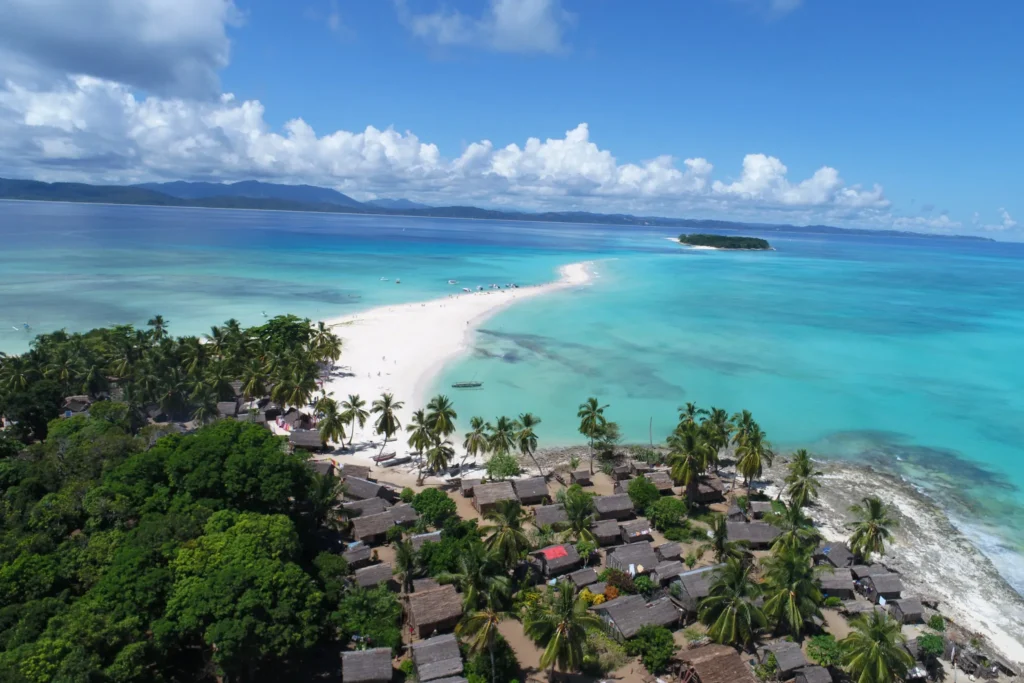
Madagascar Travel Guide
Madagascar’s distinct geography splits into striking contrasts: tropical coasts, arid plains, and misty highlands.
The east teems with rainforest and waterfalls, while the west is home to baobab forests and dry deciduous reserves. In the central highlands around Antananarivo (TNR), terraced rice fields and traditional villages reflect a slower rhythm of life.
Travelers often begin in the capital before venturing to places like Andasibe-Mantadia National Park, known for the indri lemur’s haunting calls, or to Morondava’s iconic Avenue of the Baobabs.
Each region demands time and patience—distances may look short on the map, but can take hours to cover due to rough terrain.
Seasonality defines the experience. From January to April, cyclones can disrupt travel, especially along the coast. The dry months between June and September are best for trekking, wildlife watching, and whale spotting near Île Sainte-Marie. Divers and snorkelers will find December ideal for clear waters and calm seas.
Road Travel and Accessibility
Madagascar’s infrastructure remains basic, so flexibility is crucial. Even paved roads can become challenging after rain. Hiring a local driver familiar with the routes is often safer than self-driving. Domestic flights by Air Madagascar (MD) or Tsaradia (TZ) help cut down long travel times between major cities like Antananarivo, Antsiranana (DIE), and Toliara (TLE).
Wildlife Watching and National Parks
Each park offers a unique ecosystem. Andasibe-Mantadia is famous for its indri population, Ranomafana National Park shelters golden bamboo lemurs, and Kirindy Forest near Morondava (MOQ) is one of the few places to see the elusive fossa. Timing matters—lemur sightings, bird migrations, and reptile activity depend on specific months and weather patterns.
Culinary Discoveries
Madagascar’s cuisine blends Malagasy, French, and Asian influences. Along the coast, dishes like octopus salad and foza sy hena-kisoa (crab with pork) dominate menus, while the highlands favor hearty zebu stews such as romazava. In Antananarivo, restaurants like La Varangue and Café de la Gare highlight French-style dining with local flair.
Local Etiquette and Customs
Respect for local customs is essential. Many regions observe fady—taboos that vary by community. Travelers should seek local advice before visiting sacred sites or photographing people. A simple handshake, greeting, or offering small gifts shows courtesy and earns goodwill.
Safety and Practical Information
Madagascar is generally welcoming, but travelers should stay updated through official advisories from their home governments. Working with licensed tour operators ensures better safety awareness, especially in remote areas.
Visas can be obtained on arrival at Ivato International Airport (TNR) for stays up to 60 days. Fees are payable in cash (euros or U.S. dollars). ATMs are limited outside major cities, so carrying small denominations is recommended. Credit cards are accepted mainly in high-end establishments.
Stay tuned with us. Further, follow us on social media for the latest updates.
Join us on Telegram Group for the Latest Aviation Updates. Subsequently, follow us on Google News
