

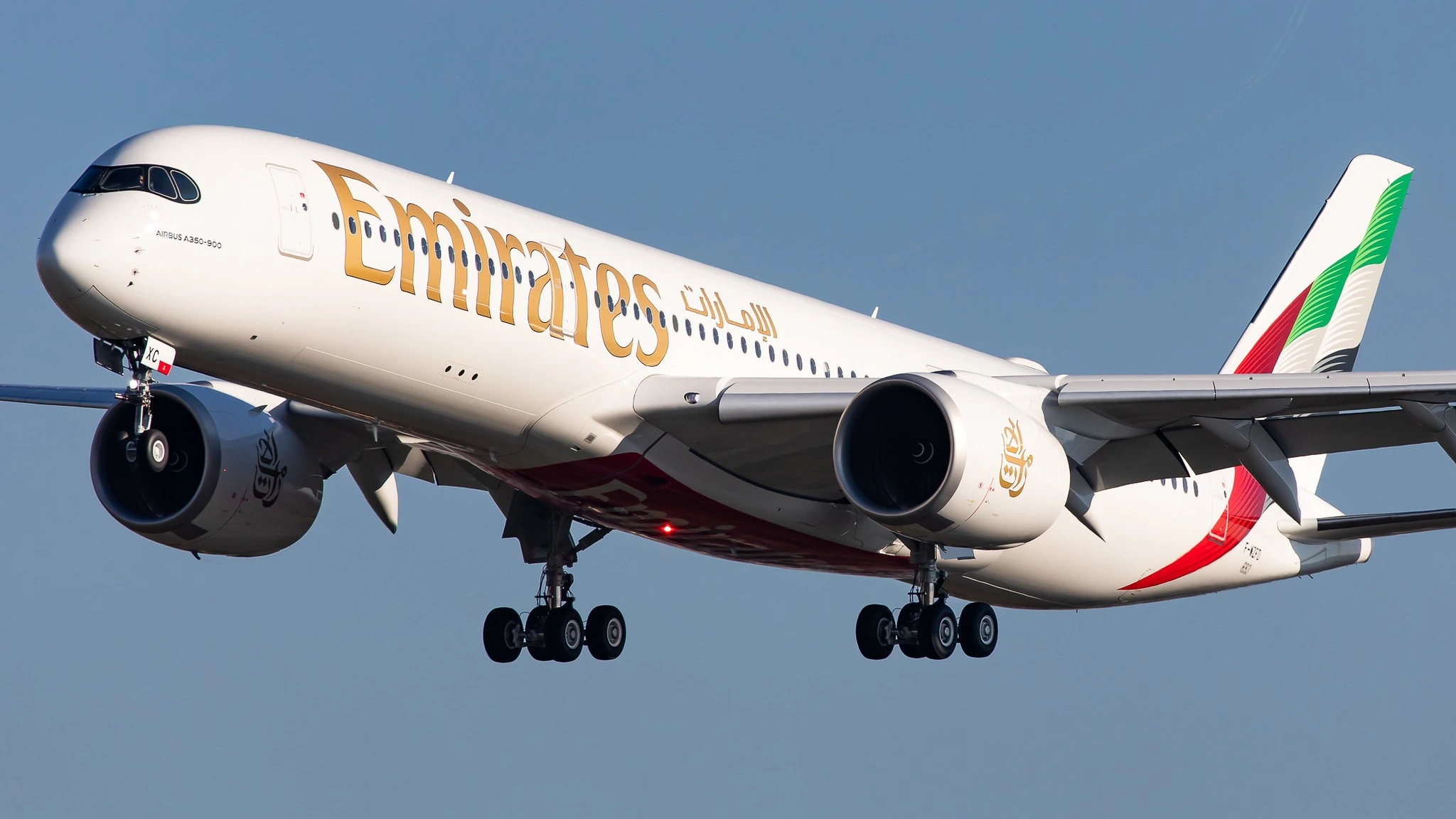
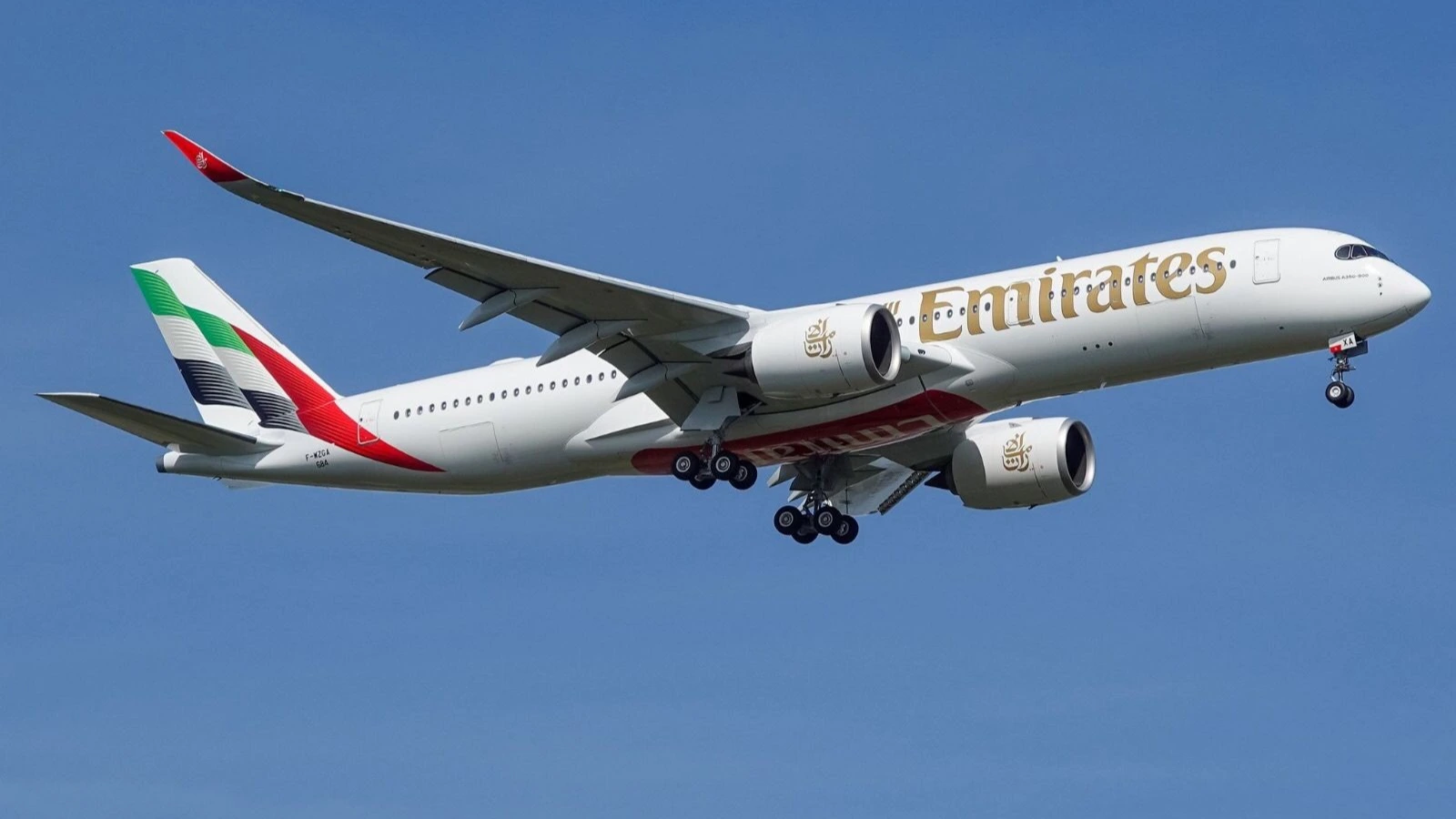
DUBAI– Emirates (EK) has launched its first Airbus A350 service to Oslo, introducing its new Premium Economy cabin to the Scandinavian market. The airline celebrated the arrival of the aircraft at Oslo Airport (OSL) with a special event.
The new A350 service operates on Emirates’ daily EK159/160 flights between Oslo and Dubai International Airport (DXB). Passengers can now enjoy the airline’s latest Business Class, Premium Economy, and Economy Class interiors.
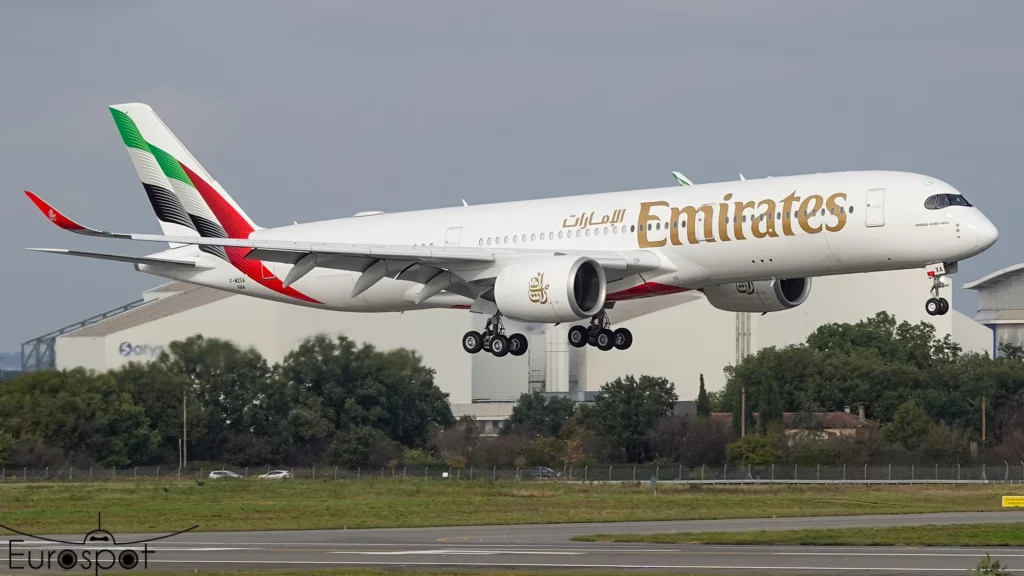
Emirates A350 to Oslo
The Airbus A350 is designed to improve passenger comfort and operational efficiency. Premium Economy seats offer a 40-inch pitch, 8-inch recline, adjustable headrests, and full leg and footrests.
Each seat includes a fold-out woodgrain table and side cocktail table for dining or work. Passengers also receive amenity kits and a complimentary Chandon Vintage Brut 2017 sparkling wine on select flights.
Business Class has been updated with fully flat beds, increased privacy, and advanced in-flight entertainment systems. Economy Class now offers wider seats, upgraded upholstery, and improved lighting.
The cabin’s design emphasizes comfort and convenience for long-haul travel across Asia, Africa, and Australia.
The launch also strengthens Norway’s access to Emirates’ global network, connecting to over 145 destinations worldwide.
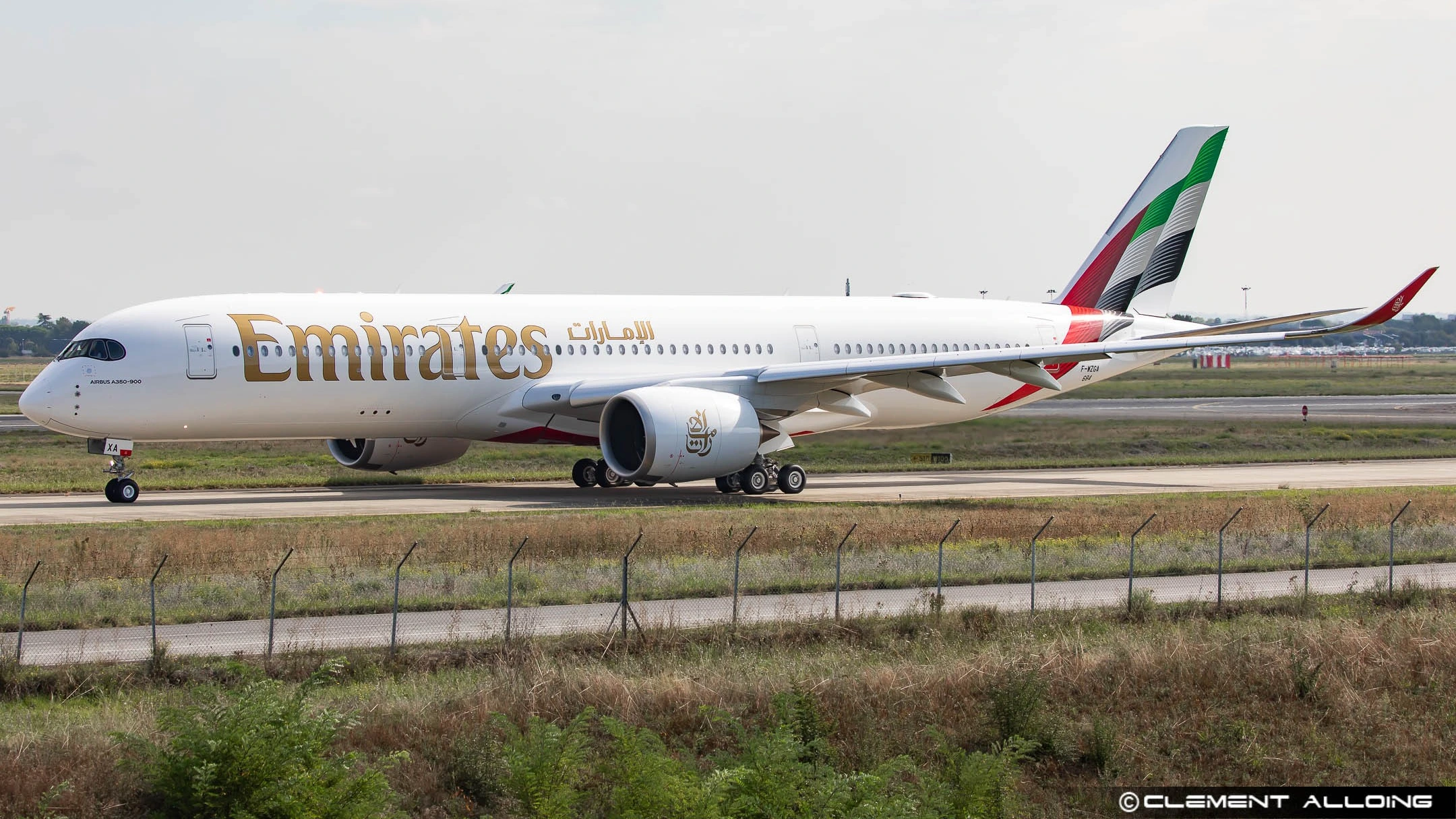
Strong Expansion
The A350 will operate daily between Oslo and Dubai, offering seamless connections to Emirates’ extensive network. Popular destinations for Norwegian travelers include Thailand, Indonesia, Pakistan, Japan, Vietnam, the Philippines, and Australia.
The aircraft allows increased capacity on the route while providing an elevated travel experience across all classes.
The A350 offers Emirates operational benefits, including reduced fuel consumption, quieter engines, and advanced aerodynamics. These improvements contribute to lower environmental impact while maintaining Emirates’ high standard of service.
The airline expects the aircraft to support growth in passenger numbers and improve overall efficiency on the Oslo-Dubai route.
Terje Grue, Emirates’ country manager for Norway, commented:
We are thrilled to bring the A350 and our Premium Economy product to Norway. This is an important step in strengthening our presence in the market. Travellers from Oslo will now be able to enjoy an entirely new level of comfort, whether flying to Dubai or onwards to our many destinations across Asia, Africa, and Australia.
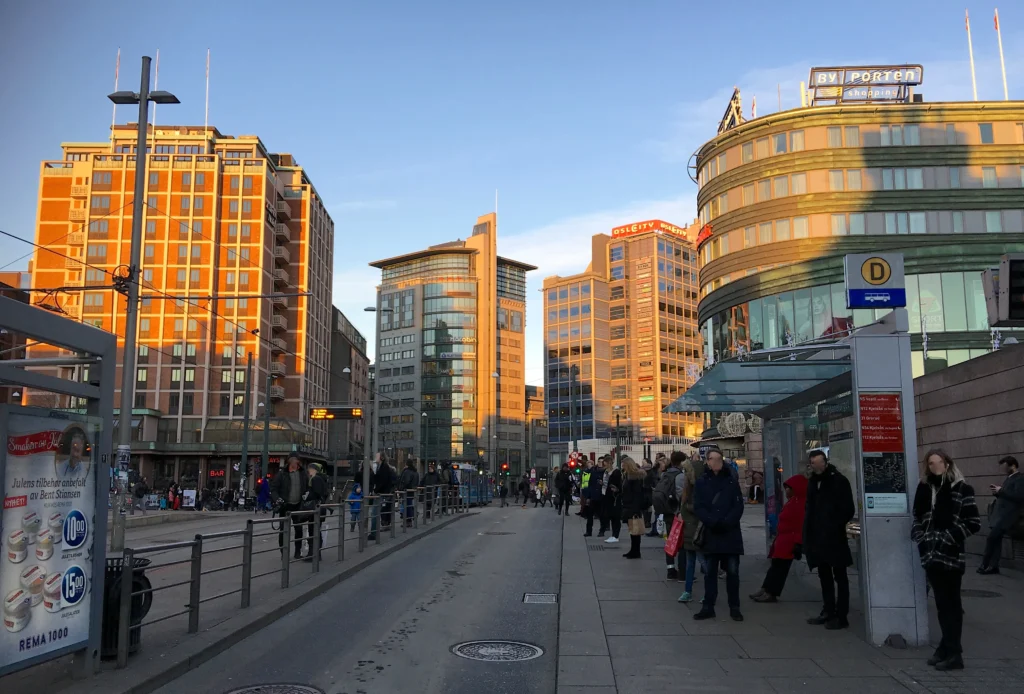
Oslo Travel Guide
Norway’s capital has transformed its waterfront into one of Europe’s most vibrant urban spaces. The city’s cultural rise is powered by world-class museums, forward-thinking architecture, and access to pristine nature—all within minutes of each other.
Set along the Oslofjord, the city blends rich history with modern design. From the Munch Museum to Vigelandsparken and floating saunas on Aker Brygge, Oslo’s blend of art, adventure, and outdoor living makes it one of Scandinavia’s most compelling destinations.
Exploring Norway’s Reimagined Capital
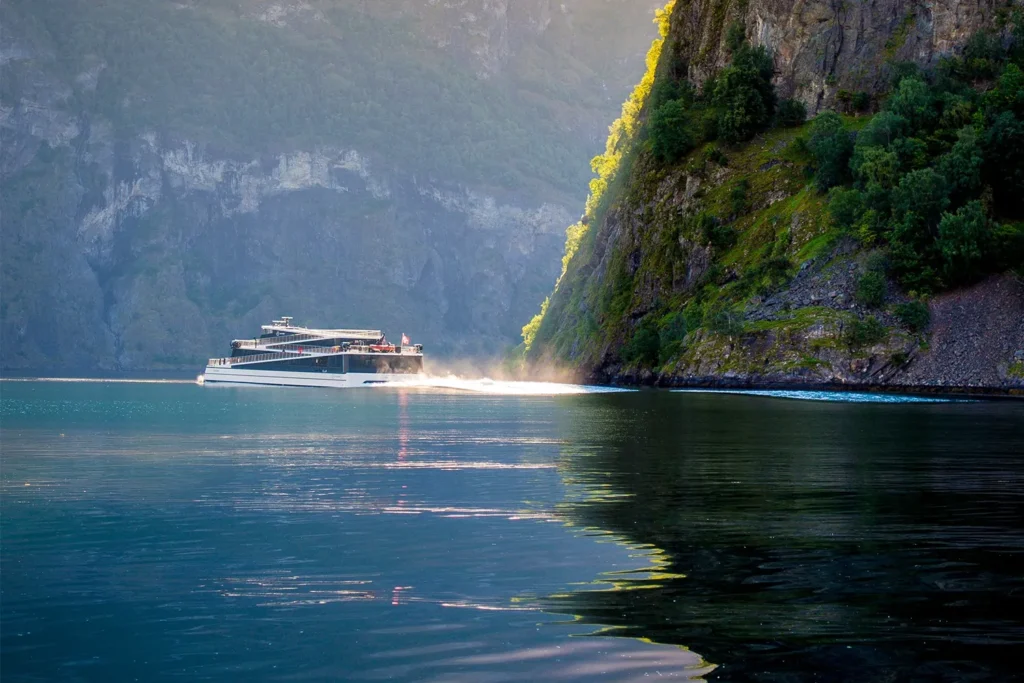
The redevelopment of Oslo’s harbor area has redefined the city’s identity, turning it into a hub for art, architecture, and sustainable living. Visitors can explore exceptional museums like the National Museum and the Polarship Fram Museum, wander through expansive sculpture parks, or take ferries to nearby islands—all within a compact, walkable center.
The transformation complements Oslo’s grand architecture and deep-rooted artistic traditions. It’s also a city that celebrates nature—forests, fjords, and trails are part of daily life. And with a packed 2025 event calendar, from Øya Festival to the Holmenkollen Ski Festival, the energy in the city never really slows down.
When to Visit Oslo
The best time to visit Oslo is between June and August, when temperatures hover around 20°C (68°F) and daylight stretches past 10 p.m. This is festival season, so expect crowds at harbor baths and city beaches, and higher accommodation rates during major events like OverOslo and Pride.
For fewer tourists and better prices, May and September are ideal. May 17, Norway’s Constitution Day, turns the city into a nationwide celebration with parades and traditional dress, though most attractions close for the day.
Winter brings a different charm. From November to March, Oslo turns into a playground for snow sports. The T-Bane metro line takes visitors straight to ski slopes at Skimore Oslo, while the Holmenkollen Ski Festival in March showcases elite Nordic athletes.
How Long to Stay
Two full days are enough to see Oslo’s highlights. Start at the National Gallery, then visit the Munch Museum and Vigelandsparken. Walk the roof of the Oslo Opera House for panoramic views and explore Grünerløkka for local shopping and nightlife.
With four days, go deeper. Take the ferry or bus to Bygdøy for the Maritime and Kon-Tiki Museums, or head to the Oslofjord islands—Hovedøya, Gressholmen, and Langøyene—for beaches, ruins, and scenic trails. Nature is always just a short ferry ride away.
Getting There and Around
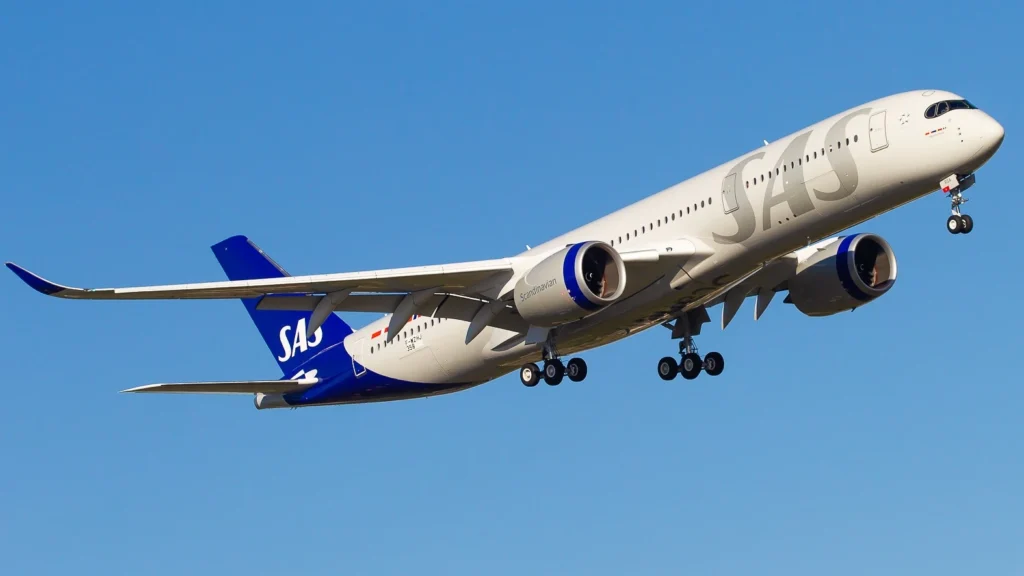
Oslo Gardermoen Airport (OSL) lies 50 km north of the city and serves major carriers including Norwegian (DY) and SAS (SK). Trains connect the airport to Oslo S, the main train station, in about 20 minutes. Travelers can choose between the Flytoget express train (252 NOK / US$25) or Vy’s regular trains (129 NOK / US$13).
Budget airlines sometimes use Torp Sandefjord Airport (TRF), 100 km southwest, but the extra travel time often outweighs the savings. Oslo is also linked to Denmark via DFDS ferries from Copenhagen and Fredrikshavn, and by rail from Gothenburg, Sweden.
Once in the city, public transport is simple and efficient. Ruter operates all trams, buses, metro lines, and ferries. A Zone 1 single ticket costs 44 NOK (US$4), and passes are available for 24 hours (132 NOK / US$13) or 7 days (366 NOK / US$36). The Ruter app is the easiest way to buy tickets and plan routes.
Top Experiences in Oslo
- Climb the Oslo Opera House: A marble icon designed by Snøhetta, offering fjord views and an open rooftop walk.
- Vigelandsparken Sculptures: More than 200 works by Gustav Vigeland are displayed in an open-air park.
- Floating Saunas: Take a dip in the Oslofjord after a hot sauna session at Sukkerbiten near the Munch Museum.
- Akerselva Walk: A 9 km riverside path passing art spaces, cafés, and former factories reborn as creative hubs.
- Nordmarka Forest Hike: Ride T-Bane Line 1 to Frognerseteren for spruce-scented trails and a slice of apple cake at Kafé Seterstua.
What It Costs
Oslo is beautiful but expensive. Average costs include:
- Dorm bed: 450 NOK (US$45)
- Midrange hotel: from 1500 NOK (US$149)
- Munch Museum ticket: 180 NOK (US$18)
- Filter coffee: 40 NOK (US$4)
- Two-course dinner for two: from 1000 NOK (US$99)
- Beer (0.25L): 75 NOK (US$7)
To save money, consider lunch specials and pre-drinks from Vinmonopolet. The Oslo Pass can also be worthwhile—it covers nearly all museums and local transport, starting at 550 NOK (US$55) for 24 hours.
Many of Oslo’s best experiences are free: strolling the harbor promenade, watching the Royal Palace guard change, or hiking forest trails that start right inside city limits.
Paying and Tipping
Card payments are standard across Oslo. Many venues prefer, or only accept, card transactions. Vipps, a popular local payment app, works only with Norwegian accounts. Tipping isn’t mandatory; rounding up or adding 5–15% for excellent service is more than enough.
Bottom Line
Emirates’ Airbus A350 launch in Oslo introduces Premium Economy and upgraded cabins, enhancing travel options for Norwegian passengers.
The service strengthens connectivity to Dubai and beyond, positioning Emirates as a leading carrier in the Scandinavian market.
Passengers can now experience modern seating, improved comfort, and access to Emirates’ global network from Oslo Airport.
Stay tuned with us. Further, follow us on social media for the latest updates.
Join us on Telegram Group for the Latest Aviation Updates. Subsequently, follow us on Google News
