

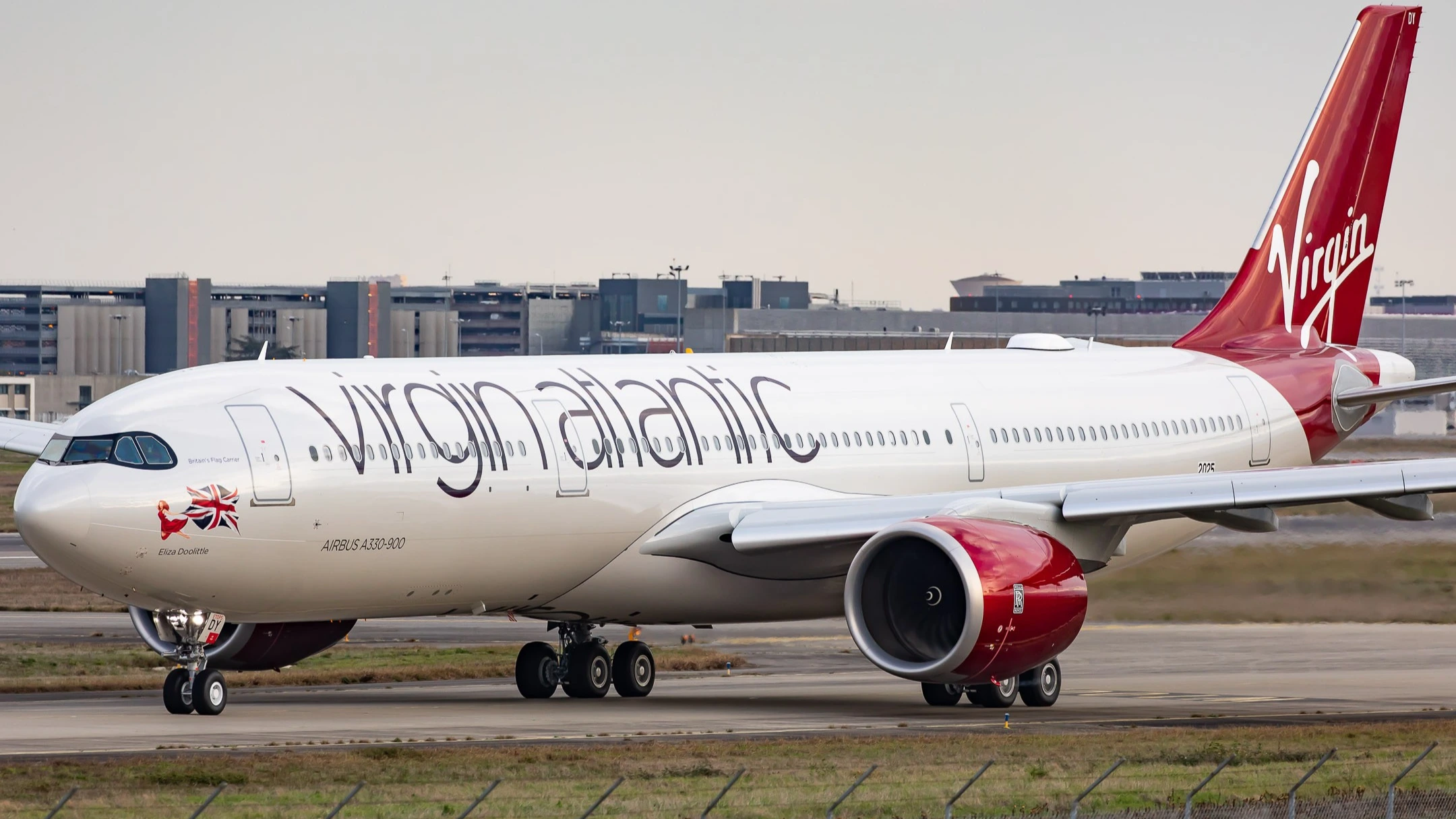
CRAWLEY- Virgin Atlantic (VS) has mortgaged a significant portion of its London Heathrow (LHR) slot portfolio for $330 million to pay dividends, primarily benefiting its US shareholder, Delta Air Lines (DL).
The complex financing arrangement, now under intense review by UK regulators, has raised questions about foreign influence and the long-term control of valuable Heathrow assets.
Virgin Atlantic has transferred many of its prime slots to a subsidiary, Virgin Atlantic International Ltd, which operates flights with its own aircraft and crew to comply with slot ownership rules. The deal mirrors an earlier £220 million slot-backed financing completed a decade ago, Europe’s first-ever securitization of airport slots.

Virgin Atlantic’s $330M Heathrow Slot
The airline’s decision to mortgage its Heathrow slots marks a strategic financial move rather than an operational necessity.
Virgin Atlantic is currently profitable, and the transaction is not intended to fund new aircraft, routes, or services; rather, it is aimed at paying out dividends, most notably to Delta, which holds a 49% ownership stake.
According to View from the Wing, this maneuver has drawn the attention of the UK Civil Aviation Authority and government regulators, who are concerned about the implications of using Heathrow slots as loan collateral, especially when those slots are tied to partial foreign ownership.
The regulators’ key worry lies in the transferability of slot control. While the slots can serve as collateral, they cannot be transferred to foreign entities in the event of loan default.
Should bondholders seize the slots, they would need to sell them to a UK-based buyer capable of maintaining domestic ownership compliance.
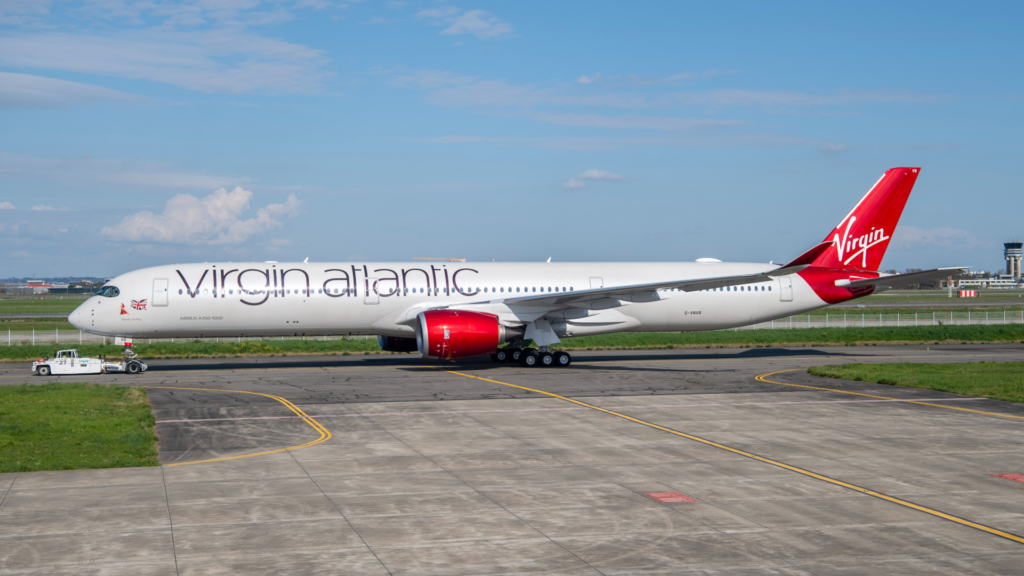
Regulatory and Competitive Concerns
The potential redistribution of Heathrow slots poses major competition concerns.
If these slots were ever liquidated, British Airways (BA), already the dominant carrier at Heathrow, would likely be the only major UK airline positioned to acquire them, which could further consolidate its control.
However, regulators are wary of BA increasing its dominance, potentially prompting intervention to ensure British investors hold the assets instead.
This protectionist stance, while preserving national control, could inadvertently inflate slot values and create a quasi-subsidy for UK investors.
It highlights the tension between open market principles and strategic asset protection within the U.K.’s aviation policy framework.
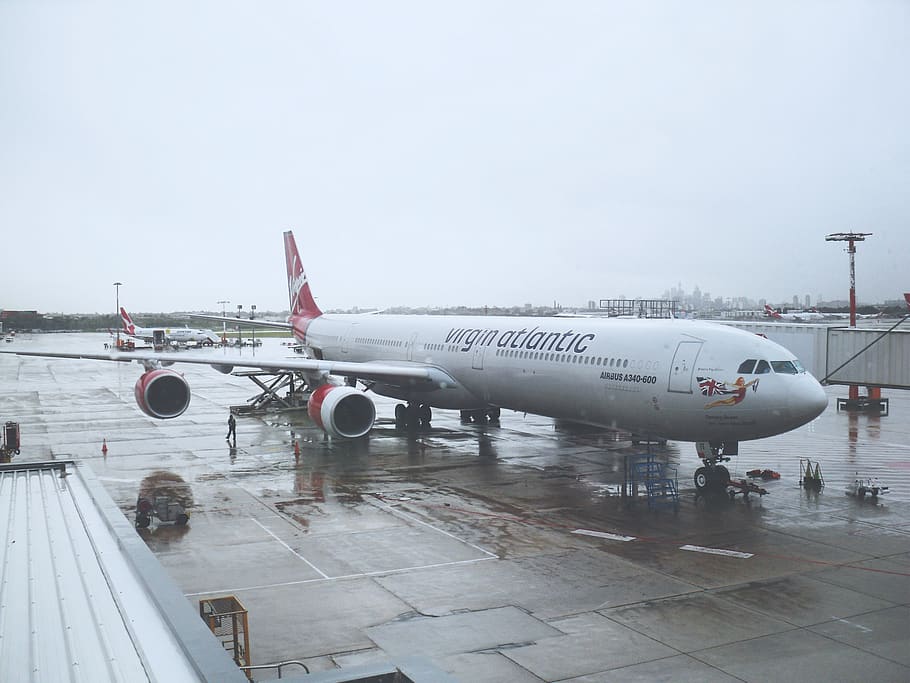
Slot Leasing and Airline Partnerships
In parallel with the slot mortgage, Virgin Atlantic has been leasing out several Heathrow slots to other carriers:
- IndiGo (6E) – For Winter 2025/26, Virgin has leased a daily slot pair (14 weekly slots) to enable IndiGo’s new Mumbai (BOM) – Heathrow (LHR) service, launching 26 October 2025. IndiGo will use a wet-leased Norse Atlantic Boeing 787-9 due to its narrowbody-only fleet.
- Saudia (SV) – For Summer 2025, a slot trade allows both Virgin Atlantic and Saudia to operate preferred schedules on routes including Riyadh (RUH) – Heathrow (LHR) and New York (JFK).
- El Al (LY) – For Winter 2025/26, Virgin leased eight weekly slots (four pairs) to El Al, allowing the airline to increase Tel Aviv (TLV) – Heathrow (LHR) flights from 11 to 15 weekly roundtrips.
These agreements demonstrate the high liquidity and value of Heathrow slots. While exact prices remain undisclosed, historical data show the market’s strength—Oman Air paid $75 million for a slot pair from Kenya Airways in 2016, and American Airlines (AA) spent $60 million for slots from SAS in 2015. Even short-term leases yield multi-million-dollar returns for slot holders.
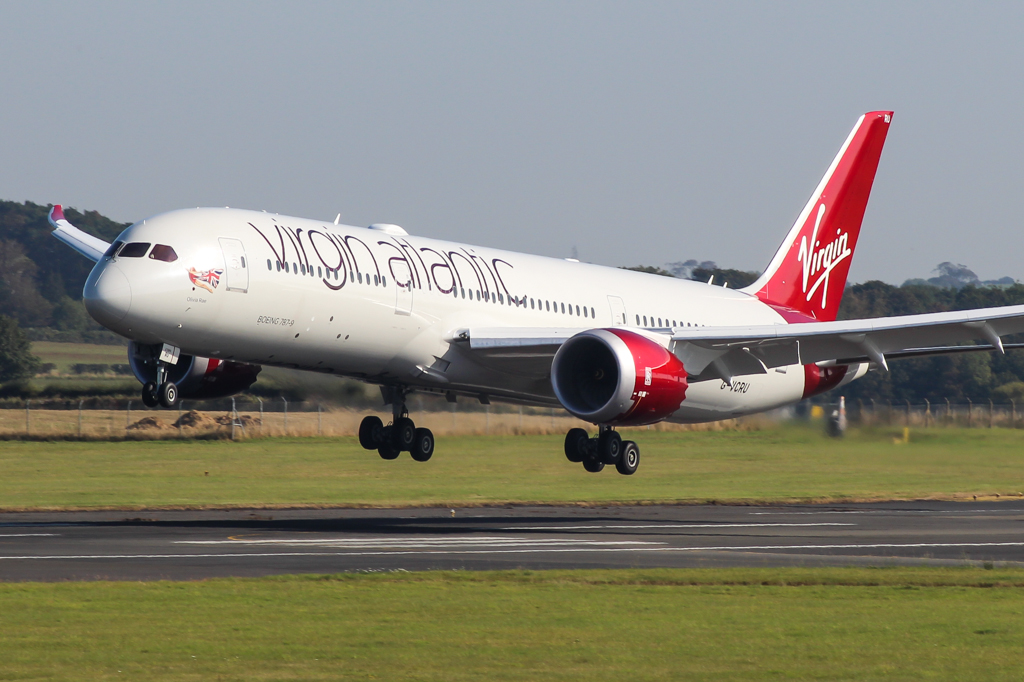
Market Implications
The transaction underscores how airport slots have evolved into financial instruments, reflecting both scarcity and strategic value. Heathrow’s limited capacity and global demand make its slots among the most valuable aviation assets worldwide.
Virgin Atlantic’s decision to securitize part of its slot portfolio could set a precedent for similar asset-backed financing deals across Europe, though future attempts may face tighter regulatory oversight as governments aim to balance financial innovation with national aviation security.
Stay tuned with us. Further, follow us on social media for the latest updates.
Join us on Telegram Group for the Latest Aviation Updates. Subsequently, follow us on Google News
