

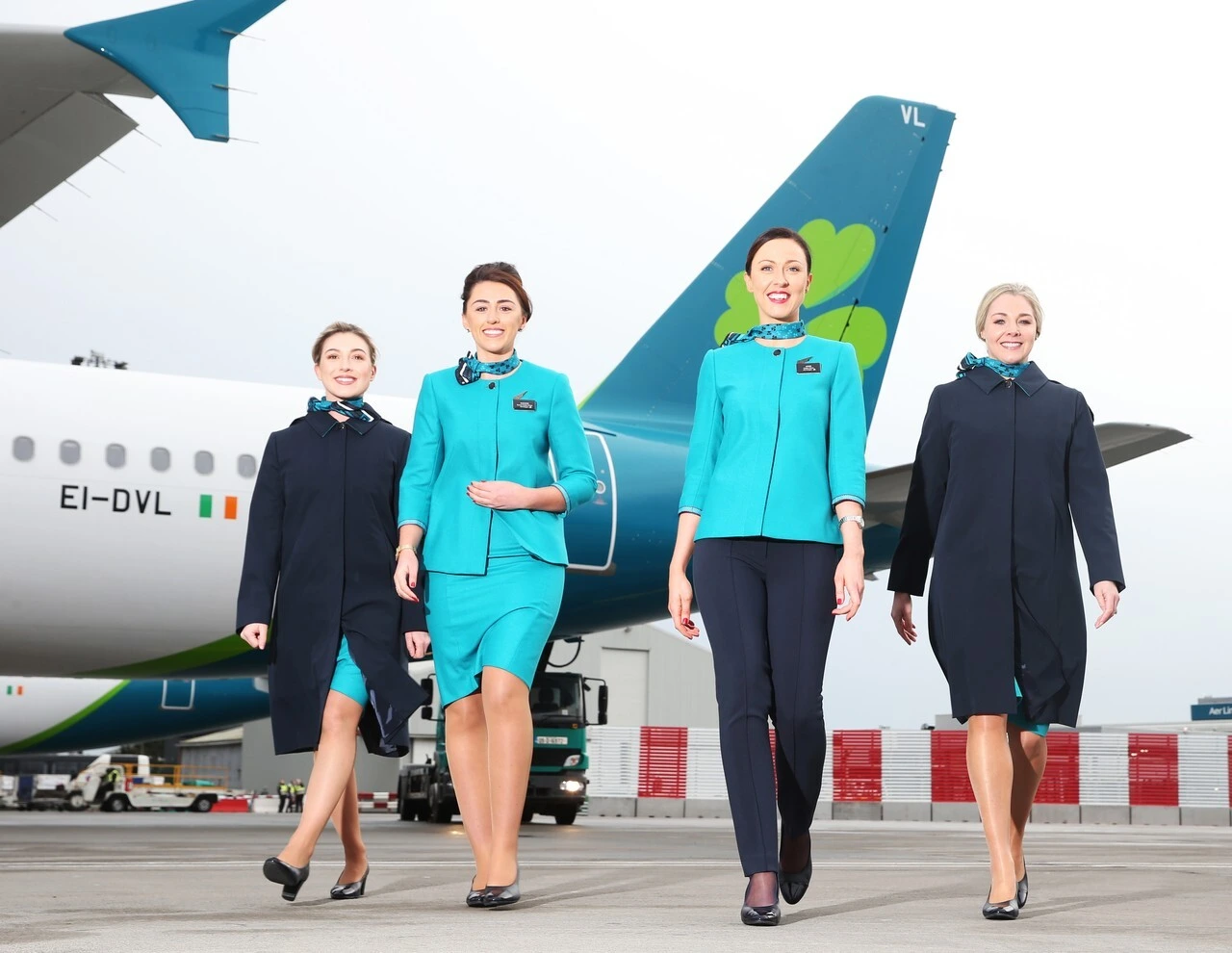
DUBLIN- Aer Lingus (EI) is confronting serious labor strife as 130 cabin crew based at Manchester Airport (MAN) overwhelmingly voted for strike action in a wage and allowances dispute.
They claim their pay and benefits lag sharply behind colleagues in Dublin (DUB), attributing part of the blame to alleged union-busting tactics by management.
In response, Aer Lingus warns of disruption to its transatlantic services, proposing to reroute some flights via Dublin. Meanwhile, the legal and regulatory distinction between its UK and Irish Air Operator Certificates (AOCs) complicates potential operational fixes.
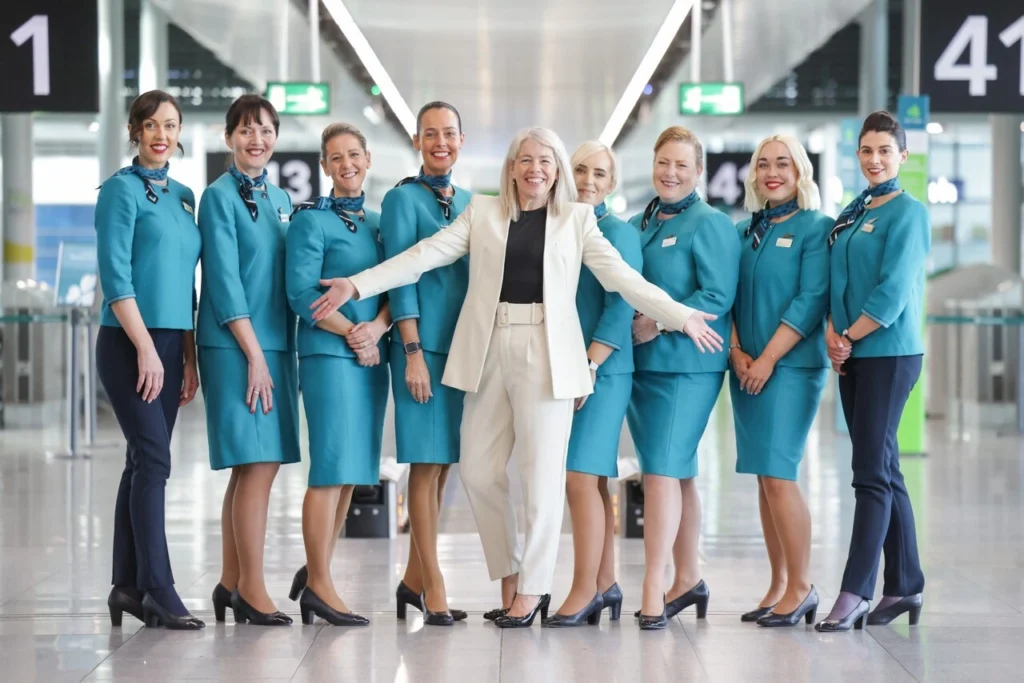
Aer Lingus Cabin Crew Strikes
Aer Lingus launched a long-haul base in Manchester (MAN) in 2021, targeting transatlantic leisure routes as a competitive move against carriers such as Virgin Atlantic.
The Manchester base offers strategic cost advantages: the airline claims it can deploy aircraft more flexibly and maintain lower overheads relative to British Airways, also owned by the same parent company.
However, that cost advantage appears to come at the expense of crew pay parity. Crew members in Manchester argue their base salaries and overnight allowances are materially lower than those held by Dublin-based staff or BA’s London-based long-haul crews.
Aer Lingus has offered Manchester crew a 9 % immediate raise plus a further 3 % in 2026. But Unite (the union representing the crew) contends these increases only scratch the surface of inequities.
One contentious point is the overnight allowance for expensive US cities (e.g. New York, Orlando): the airline proposes raising it by only $15 to $130 per night, a sum still deemed inadequate by crew and union.
Reported by PYOK, the union also accuses Aer Lingus management of engaging in union-busting efforts, tactics intended to undermine the crew’s ability to organize or exert leverage.
If the strike proceeds (planned from October 30 to November 2), Aer Lingus intends to mitigate disruption by operating Manchester ↔ Dublin short-haul legs with Dublin-based staff, then transferring passengers to long-haul flights from Dublin.
Technical Constraints
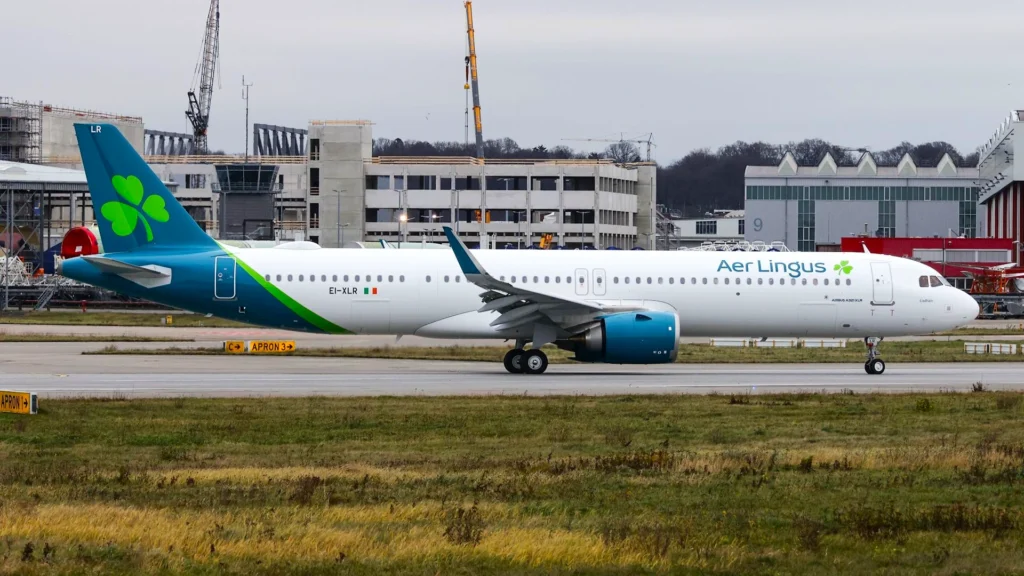
A key complication lies in Aer Lingus’ dual AOC structure. The airline holds a British AOC, enabling flights originating in England (such as Manchester → US), and a Irish AOC for flights originating in Ireland.
Dublin-based cabin crew operate under the Irish AOC and thus are not permitted to operate flights under the British AOC from Manchester.
That legal and regulatory division prevents Aer Lingus from simply reassigning Dublin crew to Manchester long-haul duties. However, under current rules, Dublin crew can operate short-haul flights between Dublin and Manchester.
Hence, the workaround being proposed is to fly passengers from Manchester to Dublin using short-haul crews, then onward to US destinations under the Irish AOC.
If that model is adopted during potential strike days, it may reduce immediate cancellations on US routes, though it also introduces added connection time, logistical risk, and passenger inconvenience.
Impacts and Risks
Passenger Disruption
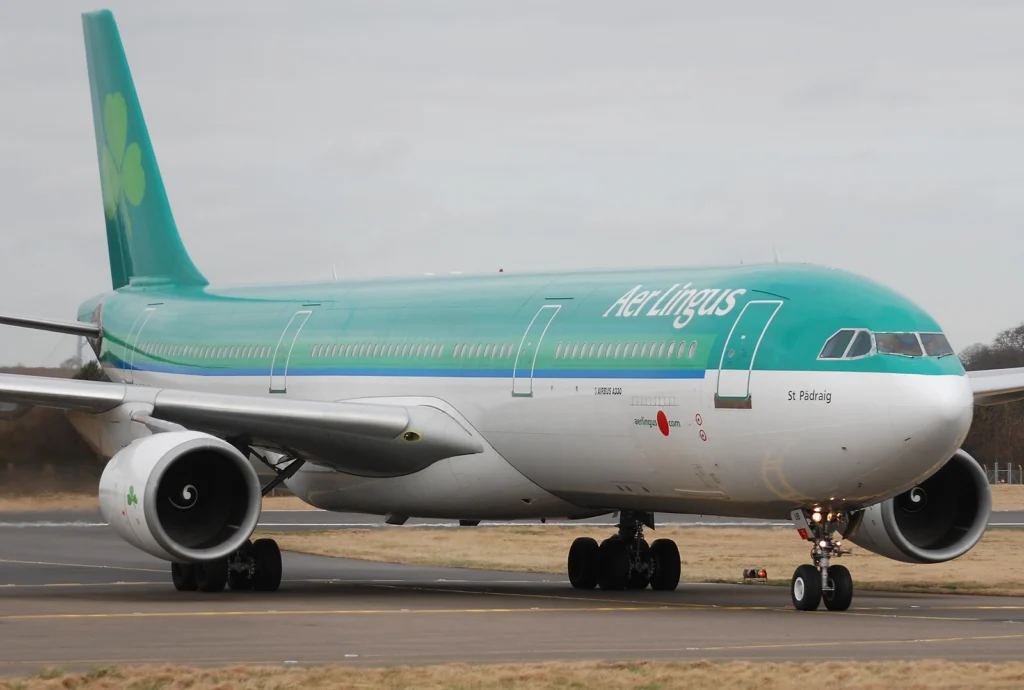
The strike could affect up to 18 transatlantic flights from Manchester over four days, impacting about 4,000 passengers.
Travelers may face rerouting, delays, or mandatory transits via Dublin. The airline has pledged to re-accommodate passengers where possible.
Financial and Operational Strain
The dispute adds cost burdens: the airline may have to wet-lease aircraft or crews, absorb refund costs, and manage scheduling complexities.
If the wage demands escalate or the union presses further, Aer Lingus could lose market goodwill or face crew retention pressures.
Employer Reputation and Labor Relations
Accusations of union busting harm the company’s reputation among crew and the broader public. The dispute increases the risk of further escalation or ripple effect into other labor groups.
The standoff also tests Aer Lingus’s public commitment to fair labor practices, particularly in a competitive post-pandemic aviation environment.
Bottom Line
Negotiations remain ongoing. The union rejected the offer of a 12 % increase (9 % now, 3 % later) as insufficient.
If a resolution is not reached by late October, the strike is scheduled for October 30 – November 2. Given the structural constraints of AOCs, the resolution will likely hinge not just on pay but on bridging the operational divisions between the UK and Irish divisions of the airline.
Stay tuned with us. Further, follow us on social media for the latest updates.
Join us on Telegram Group for the Latest Aviation Updates. Subsequently, follow us on Google News
