

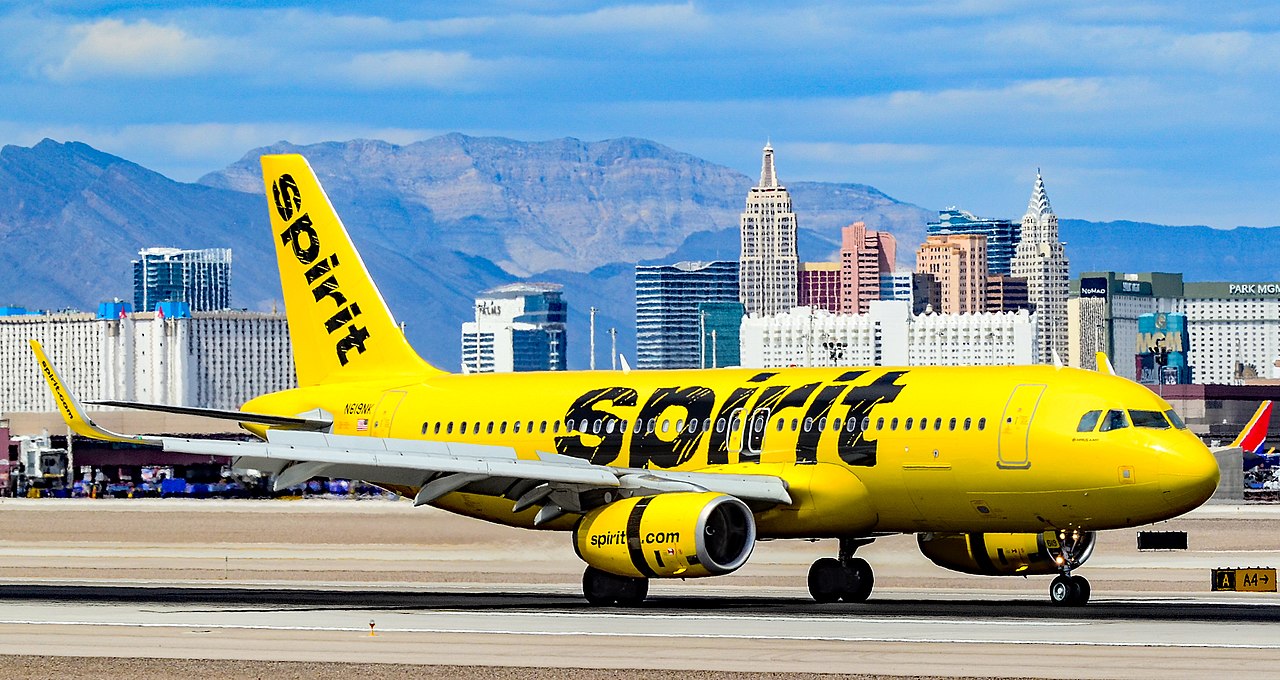
MIRAMAR, FLORIDA- Spirit Airlines (NK) has filed for bankruptcy for the second time in less than a year. The carrier, known for its ultra-low-cost model, faces challenges that go beyond rising expenses and competition.
While higher wages and limited premium offerings have eroded its cost advantage, a simpler and more damaging issue is surfacing — Spirit has become too difficult for customers to do business with.
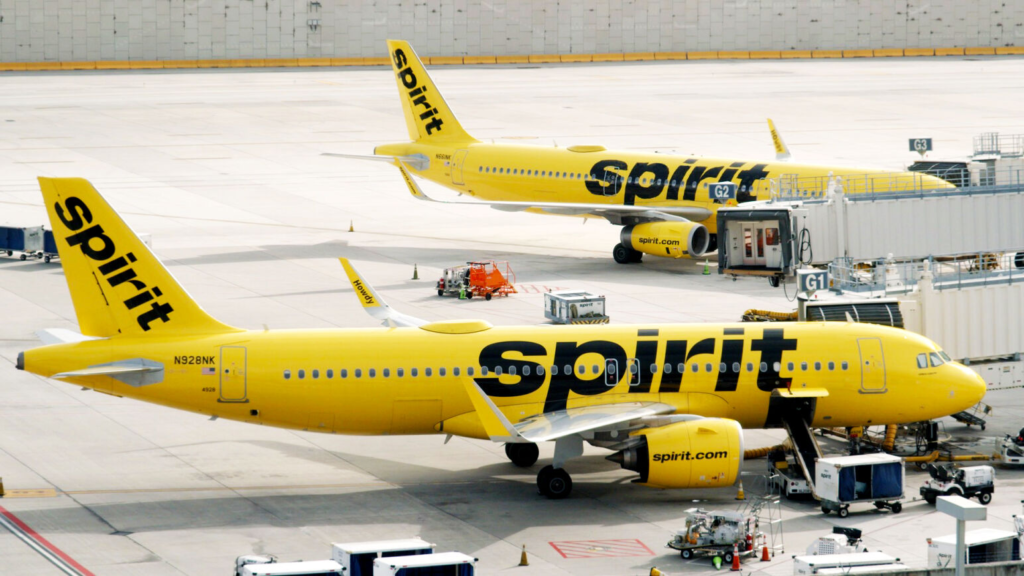
Why Spirit’s Troubles Go Deeper Than Costs
Spirit Airlines built its brand around affordability. For years, the model worked: minimal frills, tight operations, and fares others refused to match, flagged View from the Wing reported.
But the balance has shifted. Pandemic-era wage hikes increased operating costs, while investments like a lavish new headquarters in Miramar undercut the low-cost discipline that once defined the airline.
At the same time, the market has moved on. Travelers are more willing to pay for comfort and convenience — things Spirit doesn’t offer. Its “Big Front Seat” may mimic first class, but the overall experience remains far from what business or premium leisure travelers seek.
Spirit’s limited network, especially its absence from long-haul routes such as transatlantic flights, has also left it out of growing market segments.
Competitors like Delta (DL), United (UA), and American Airlines (AA) now use “basic economy” fares to capture Spirit’s price-sensitive customers without undercutting their own full-fare revenue. That means Spirit can no longer rely on being the cheapest ticket in the market.
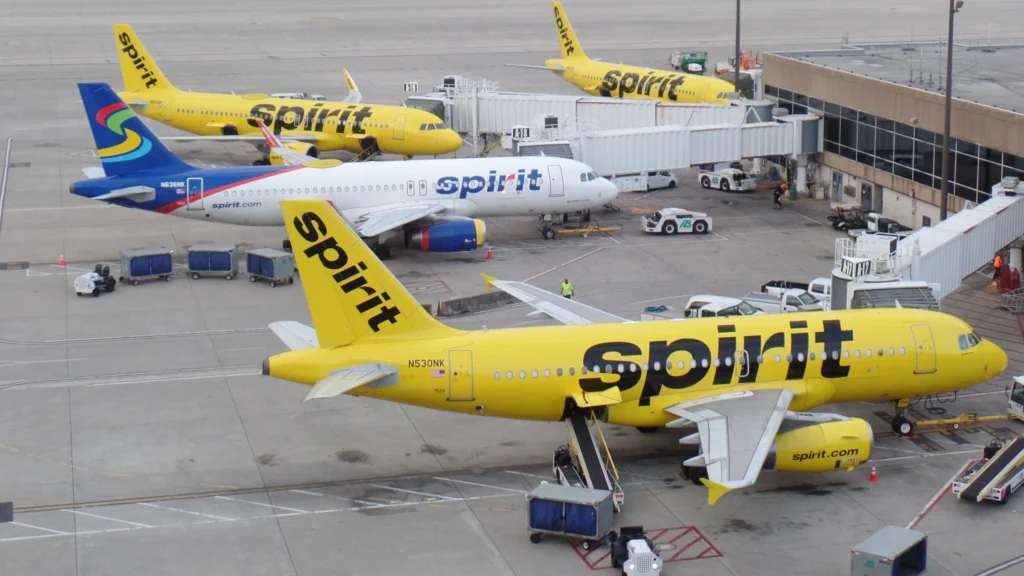
The Simpler Problem
Beyond the economics lies a basic operational failure. Spirit Airlines’ digital infrastructure makes it frustrating for customers to complete even straightforward transactions.
Passengers report website login failures, inaccurate data transfers for child passengers, and repeated booking errors that force users to restart searches.
Even the process of purchasing its premium “Big Front Seat” is blocked in certain cases — for example, when traveling with a lap infant, as the system cannot distinguish which seats are certified for them.
These issues reflect a deeper problem: Spirit’s systems are outdated and unreliable. The inability to book flights efficiently drives potential customers away, not because of price or product, but because the process itself is broken.
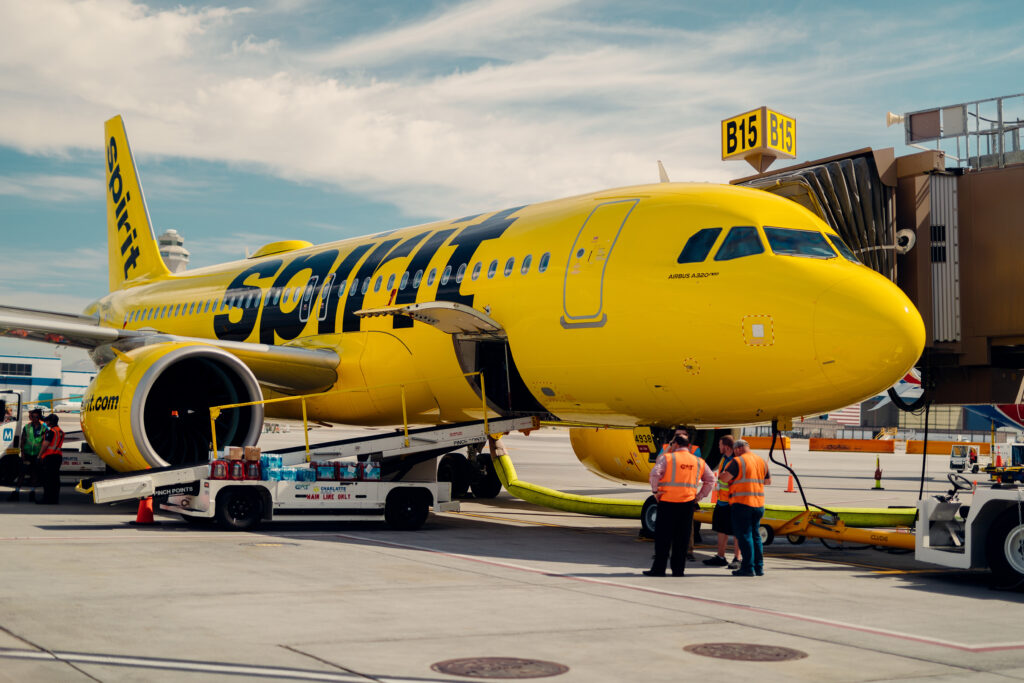
Revenue Lost Before Takeoff
In aviation, every obstacle between a customer and a booking costs revenue. For Spirit, that obstacle is often its own booking engine.
When customers abandon transactions due to glitches or design flaws, the airline loses both short-term sales and long-term loyalty.
As Spirit restructures again, fixing the fundamentals — digital reliability, customer usability, and service consistency — may prove as important as restructuring its debt. Low fares can only attract passengers if they can actually buy the ticket.
Stay tuned with us. Further, follow us on social media for the latest updates.
Join us on Telegram Group for the Latest Aviation Updates. Subsequently, follow us on Google News
