

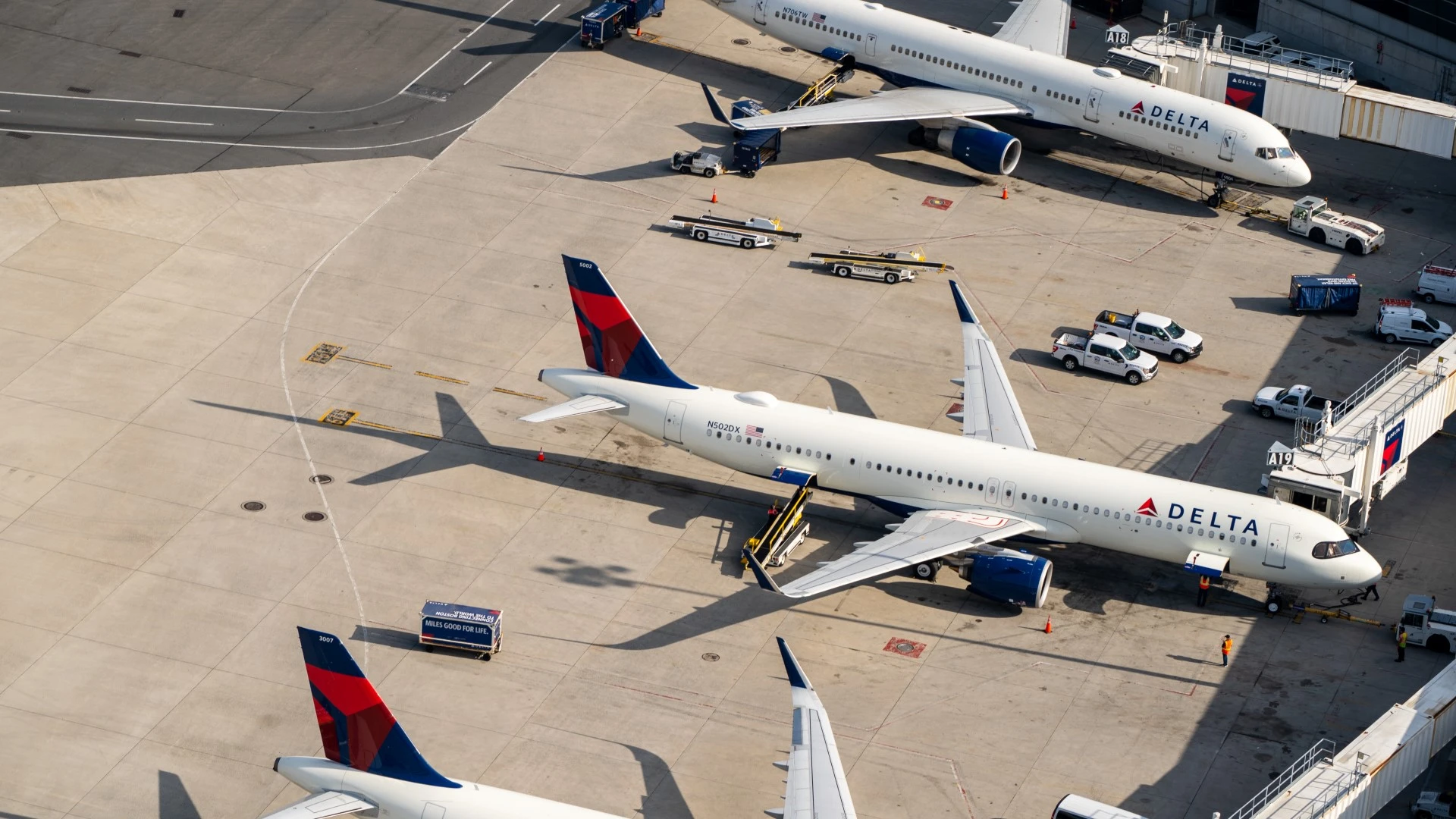
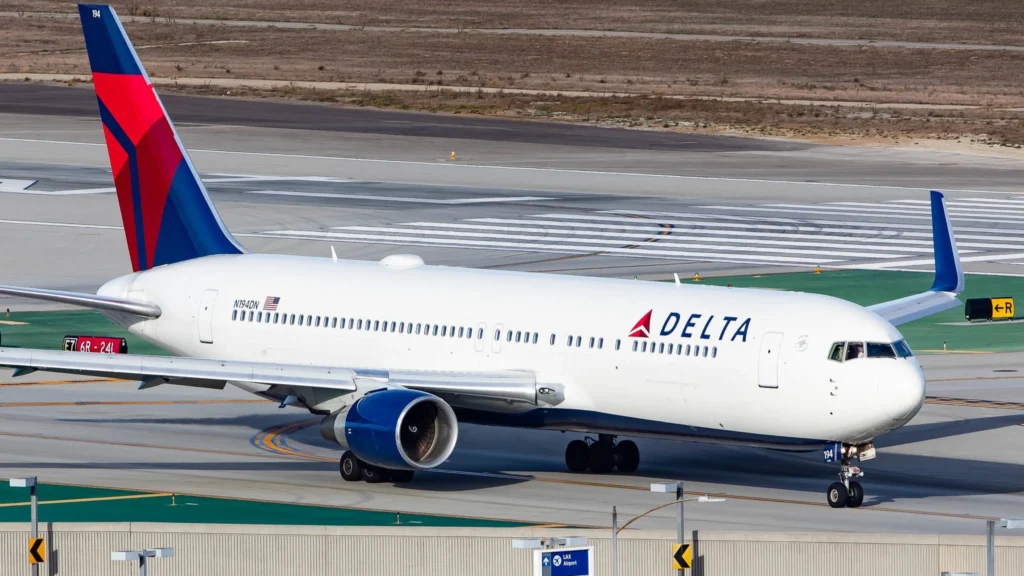
ATLANTA- Delta Air Lines (DL) has emerged as the highest bidder for Spirit Airlines (NK) gates at Hartsfield-Jackson Atlanta International Airport (ATL), a move that could further strengthen its control at the world’s busiest airport.
A court filing on Wednesday revealed that Delta won the bid for Spirit’s C4 and C6 gates, along with ticket counters and operational support space, for $12 million out of bankruptcy.
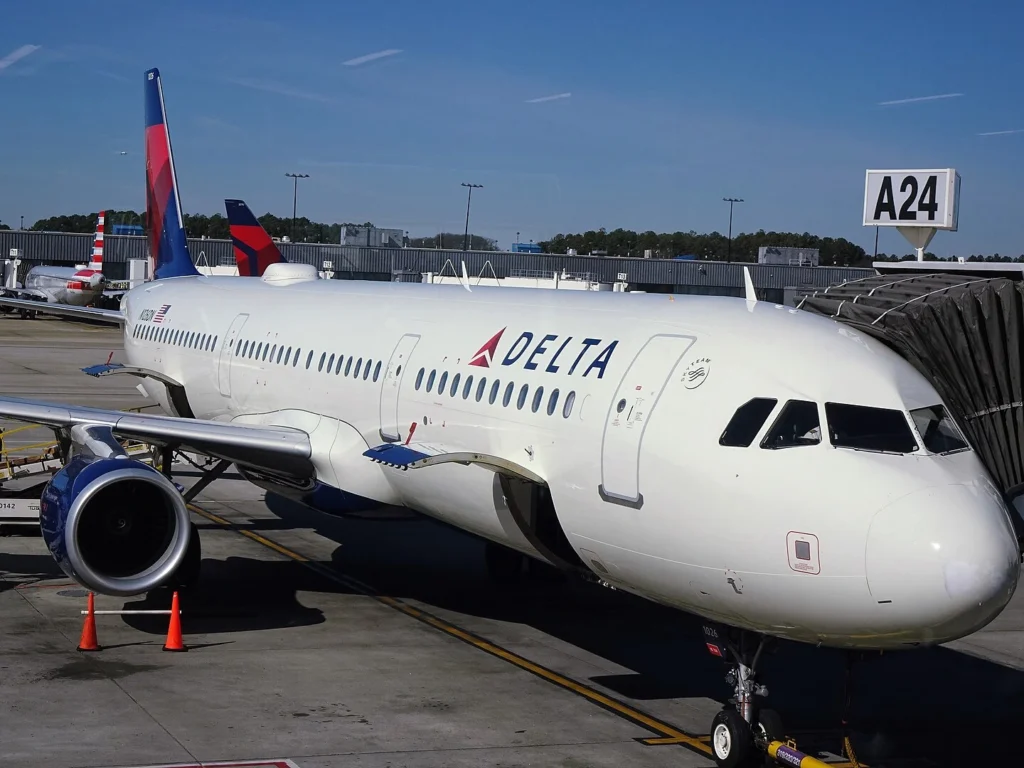
Delta’s Latest Expansion At Atlanta Airport
Court documents show Delta submitted the winning bid for the assets, which became available through Spirit’s bankruptcy proceedings. The acquisition adds scarce infrastructure at an airport where Delta already operates without serious challenge.
The Atlanta transaction differs sharply from Spirit’s gate sales at Chicago O’Hare International Airport (ORD), where assets went to both American Airlines (AA) and United Airlines (UA). That outcome preserved a degree of competitive balance by shifting flights to common use gates while Spirit was still operating.
In Atlanta, the assets are expected to move directly to the airport’s dominant carrier.
As reported by View from the Wing, the transfer could further concentrate airport access in Delta’s favor at a facility where gate availability has long been a competitive flashpoint.
Delta Already Holds A Dominant Position
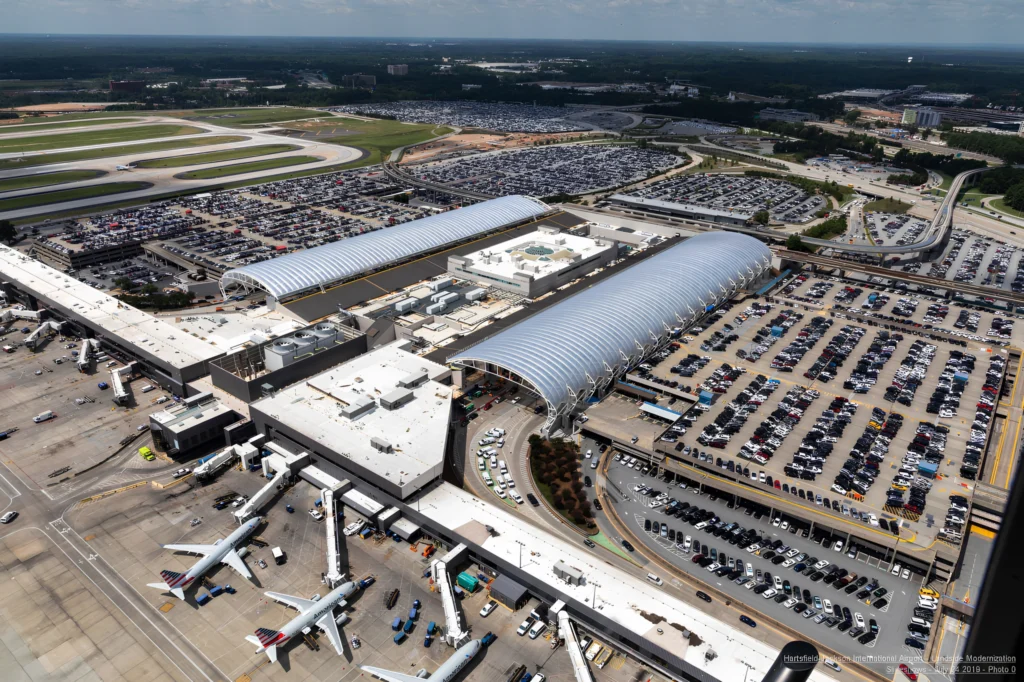
Airport data shows Delta controls the majority of available gate infrastructure. The facility currently has 198 gates in total, split between 155 domestic and 43 international positions.
The most recent allocation indicates Delta held 151 of those gates, made up of 117 preferential use domestic gates plus priority access at 34 international gates.
Southwest Airlines (WN) held 18 gates, American Airlines held 7, United Airlines (UA) held 5, and both Frontier Airlines (F9) and Spirit held 2 each. Adding Spirit’s two positions raises Delta’s count further and removes a competitor from the airport entirely.
The facility previously had a single domestic common use gate, a number that has since grown to four.
Delta also accounts for approximately 79.5% of passenger traffic at the airport, a concentration that few other major US hubs match.
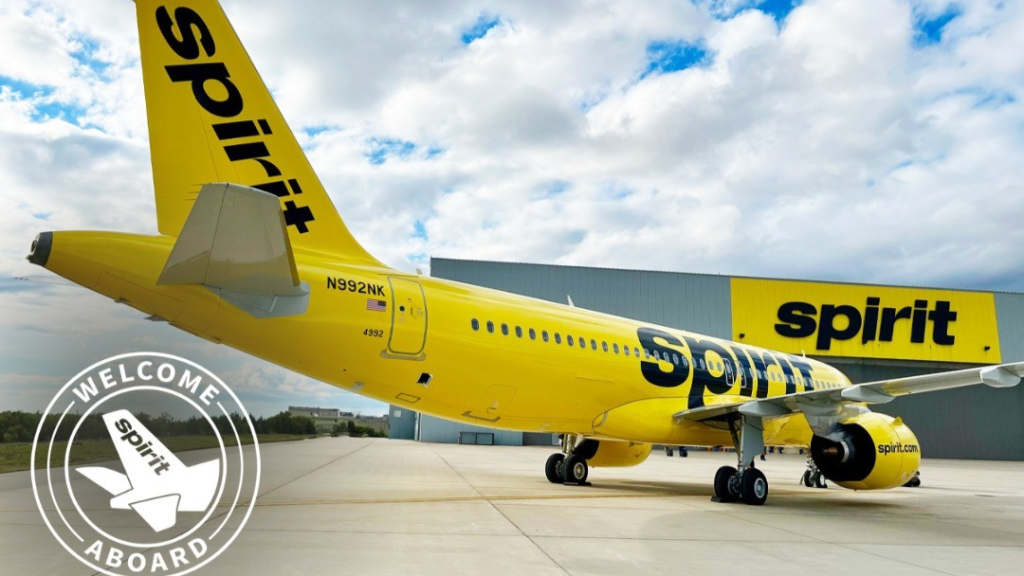
Why Delta Was The Most Likely Buyer
The gates hold greater value for Delta than for any rival, which makes the airline the logical buyer. The reasons come down to network economics and competitive protection.
Network Economics Favor Delta
Atlanta serves as the centerpiece of Delta’s hub-and-spoke network. Each additional departure connects passengers with hundreds of domestic and international flights, which makes seats easier to fill. As a result, Delta can generate more revenue from an incremental gate than competitors operating smaller networks at the airport.
Preventing Competitive Expansion
Additional gate access also keeps competitors from growing their presence. A new entrant or expanding carrier could use the gates to launch routes, add seat capacity, and put downward pressure on fares. By securing the gates themselves, Delta reduces the chance of new competition on routes it already serves.
Delta May Not Need Additional Flights
Delta does not need to add flights to benefit. It can move existing operations onto the new gates and reduce activity at its current positions.
The airport lease measures minimum gate usage by average utilization across all of an airline’s preferential use gates, rather than requiring 600 departing seats at each individual gate.
Even when an airline falls short, the airport decides whether to recapture a gate, and the contractual cure process can stretch up to 450 days. As a result, Delta could keep control of the gates without significantly increasing service.
Critics View Deal As Anti-Competitive
Several concerns have been raised about the transaction’s impact on competition.
Scarce Capacity Moves To The Dominant Airline
Gates remain one of the most limited resources at the airport. The transfer places additional scarce capacity under the control of the largest carrier, which already dominates passenger traffic and connecting operations.
Competitors Could Be Locked Out Until 2031
The lease structure means rival airlines may have limited access to these gates through at least 2031, reducing future expansion options.
No Requirement For Service Growth
Delta is not required to increase flying after acquiring the gates. By contrast, a competing airline would likely need to expand operations to justify keeping the same gates.
Limited Common-Use Alternatives
Atlanta offers little common-use access compared with many major airports. The loss of Spirit’s gates, therefore, removes one of the few openings for another carrier to establish or grow service, which means fewer airlines with airport access in the years ahead.
Gate Access Disputes
The airport has faced repeated disputes over airline access and expansion.
JetBlue’s Atlanta Expansion Challenges
Before JetBlue Airways (B6) returned to Atlanta in 2017, the airline expected to operate from Concourse E. About six weeks before launch, airport officials proposed splitting its five daily flights between Concourses D and E.
JetBlue argued the arrangement was intended to make competition harder. When the airline later sought to grow to twelve flights, it had to fight against being divided across three concourses.
Spirit Airlines Raised Similar Concerns
Spirit previously stated it could not expand in Atlanta because of limited gate availability, publicly citing gate shortages as a barrier to growth in 2021. The airport also reduced the overall number of gates three years ago, further tightening capacity.
Delta’s Influence Beyond Gate Allocation
Under the current lease, Delta secured the City of Atlanta’s agreement not to develop a second commercial airport that could have introduced additional competition in the region.
The City of Atlanta is unlikely to object to the gate transfer, given Delta’s importance to the local economy and its close ties to city politicians.
Regulatory And Legal Questions
Although the transaction is valued at only $12 million, regulators still hold several avenues for review.
Hart-Scott-Rodino Threshold Does Not Apply
The purchase price falls below the current Hart-Scott-Rodino antitrust reporting threshold of $133.9 million, so the deal does not require advance antitrust approval.
Department Of Justice Authority
Federal regulators could still challenge the transfer under the Sherman Act if they conclude it harms competition.
A notable precedent occurred in 2015, when the Department of Justice sued to block Delta’s transfer of 24 Newark Liberty International Airport (EWR) slots to United, citing United’s dominance there. United abandoned the acquisition.
Department Of Transportation Oversight
The Department of Transportation could examine whether the gate assignment is an unfair method of competition under 49 U.S.C. §41712 and order the practice to stop.
FAA Review Possibilities
Because Atlanta receives federal funding, it must follow grant assurance requirements that prohibit discrimination, prevent exclusive rights, and require reasonable access.
Large and medium hubs dominated by one or two airlines must also maintain a competition plan covering new entry and expansion.
The FAA could review the transfer independently or through a Part 16 complaint filed by an affected airline.
Another Bidder May Have Been Interested
Bankruptcy documents indicate another airline also bid for Spirit’s Atlanta assets. A carrier that sought the gates but failed to secure them would present a strong case and could challenge the transfer through regulatory channels.
That airline could additionally pursue a private competition claim under the Clayton Act.
What Happens Next
Objections are due by July 1, with a bankruptcy court hearing scheduled for July 8. The court’s primary responsibility is to maximize value for creditors rather than evaluate airline competition.
For that reason, competition concerns may ultimately fall to transportation regulators, antitrust authorities, or competing airlines rather than the bankruptcy process itself.
The proposed acquisition would deepen Delta’s control over critical infrastructure at an airport where it already leads in passenger traffic, gate access, and connecting operations.
The bankruptcy standard favors selling the assets to the highest bidder, while critics argue the transfer of scarce gates to the dominant carrier could reduce future competition, limit market entry, and reinforce Delta’s long-standing influence over airport access in Atlanta.
Stay tuned with us. Further, follow us on social media for the latest updates.
Join us on Telegram Group for the Latest Aviation Updates. Subsequently, follow us on Google News
