

The world’s low-cost carriers (LCCs) have reshaped air travel, connecting millions of passengers across continents at affordable prices.
In 2025, the latest global rankings of low-cost carrier megahubs show a mix of long-standing leaders and surprising newcomers.
From Kuala Lumpur to Seoul, these airports are not just gateways for budget travelers—they’re key pillars of regional connectivity and economic growth.

Asia Dominates the Landscape
Once again, Asia has proven itself to be the center of the world’s low-cost airline network. The top five airports in 2025 are all based in Asia, reflecting how deeply budget travel has taken root in the region.
Kuala Lumpur International Airport (KUL) in Malaysia holds the number one position, just as it did last year. Home to AirAsia, which accounts for over a third of all flights, KUL is often called the “capital” of low-cost aviation.
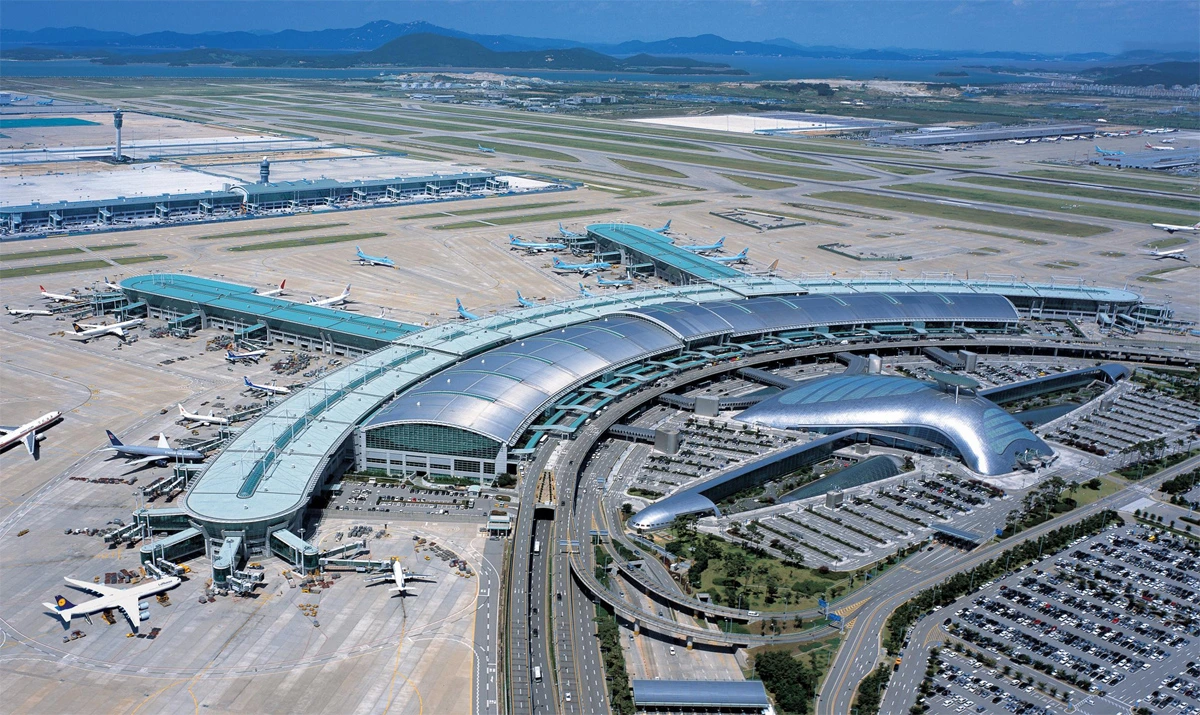
Incheon International Airport (ICN) in South Korea climbs to second place, moving up from third last year. Though it’s known as a major international hub, ICN’s low-cost connections—led by Jeju Air and other Korean budget airlines—have grown rapidly.
Manila’s Ninoy Aquino International Airport (MNL) ranks third, supported mainly by Cebu Pacific Air.
Despite congestion and limited runway capacity, MNL’s role as the Philippines’ budget airline center remains strong. It serves as the bridge between island provinces and the wider Asian network.
Meanwhile, Hong Kong International Airport (HKG) enters the top five with HK Express driving much of the growth. Its performance is impressive considering Hong Kong’s competitive aviation market, dominated by Cathay Pacific and its subsidiaries.
Rounding out the top five is Dubai International Airport (DXB), a global giant that continues to expand its low-cost operations through Flydubai. Dubai’s position reflects a growing demand for budget-friendly travel in the Middle East, especially to South Asia and Africa.

Expanding Across Asia-Pacific
Beyond the top five, several airports across the Asia-Pacific region have solidified their importance in the budget segment.
Sydney (SYD) and Melbourne (MEL), supported by Virgin Australia, show that even in developed markets, low-cost travel remains a vital part of the network.
Sabiha Gökçen International Airport (SAW) in Turkey is another standout, ranking seventh. Pegasus Airlines dominates with more than 60 percent of flights, giving SAW a near-monopoly in Istanbul’s low-cost market. This concentration mirrors Kuala Lumpur’s relationship with AirAsia.
Japan appears multiple times in the ranking—Narita (NRT) and Fukuoka (FUK)—highlighting the country’s growing acceptance of budget carriers like Jetstar Japan and Skymark Airlines.
Once known for its expensive fares, Japan’s domestic market has seen a quiet revolution, with low-cost airlines offering alternatives to the bullet train for regional travel.
Singapore’s Changi Airport (SIN), at number ten, remains one of the most efficient airports in the world, and its budget arm Scoot helps maintain its position as Southeast Asia’s most balanced hub—serving both luxury and low-cost travelers.
Delhi (DEL) and Mumbai (BOM) continue to represent India’s booming low-cost market, powered by IndiGo. Together, these two airports serve as the country’s twin megahubs for affordable travel, connecting smaller cities and neighboring countries.
Europe’s Low-Cost Comeback
Europe’s influence in this ranking may not be as strong as Asia’s, but its airports still play a major role in the global low-cost network.
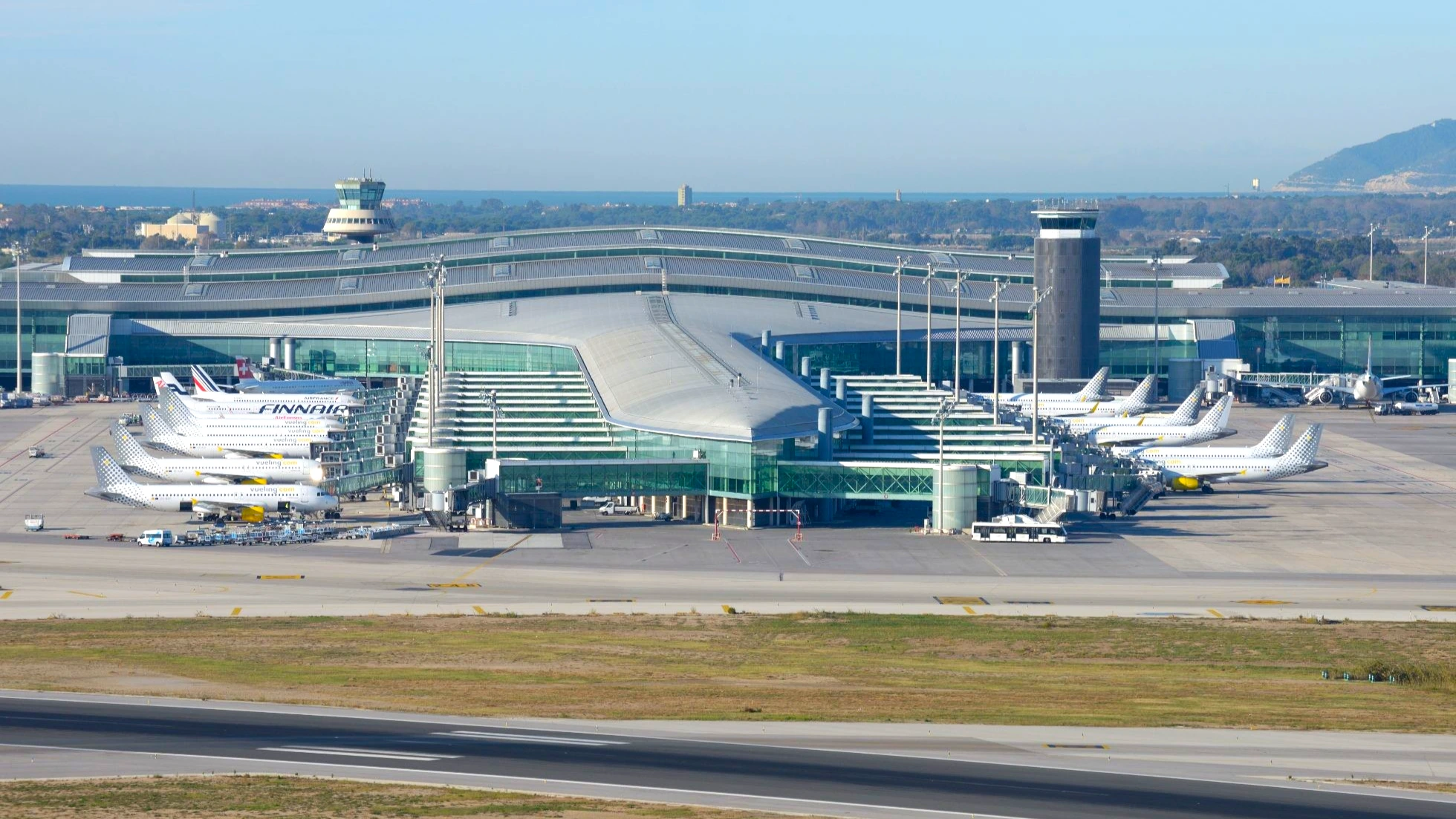
Barcelona (BCN) remains one of Europe’s best examples of a low-cost megahub, powered by Vueling Airlines. Its Mediterranean location and strong intra-European connections make it a natural fit for budget operations.
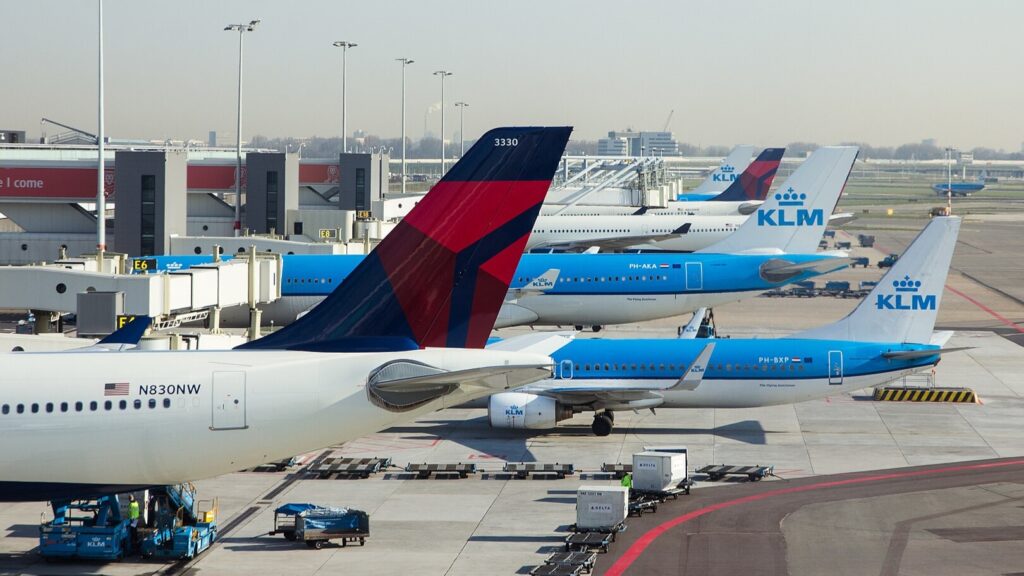
Amsterdam Schiphol (AMS) joins the list with easyJet, showing how major full-service hubs can also accommodate high-volume budget operations.
The Netherlands has become an increasingly popular starting point for European low-cost travelers heading toward the UK or Southern Europe.
Dublin (DUB) and Palma de Mallorca (PMI) are Ryanair strongholds. Dublin’s rise to the top 25—jumping from 60th last year—is one of the most dramatic improvements in the 2025 list.
Ryanair’s extensive European network, linking small and secondary cities, has made Dublin one of the most important bases for low-cost connectivity in Europe. Palma de Mallorca, a leisure-focused hub, reflects how low-cost travel fuels tourism across southern Europe.

The Middle East and Beyond
In the Middle East, Riyadh (RUH) joins Dubai as a fast-growing low-cost hub, driven by Flynas.
Saudi Arabia’s aviation reforms and growing tourism industry have helped RUH attract more regional travelers seeking affordable fares.
Antalya (AYT) in Turkey makes a significant appearance at number 18, powered by SunExpress. Known as a tourist hotspot, Antalya’s seasonal traffic highlights how low-cost carriers can turn holiday destinations into full-scale megahubs during peak seasons.
Southeast Asia’s Strong hold
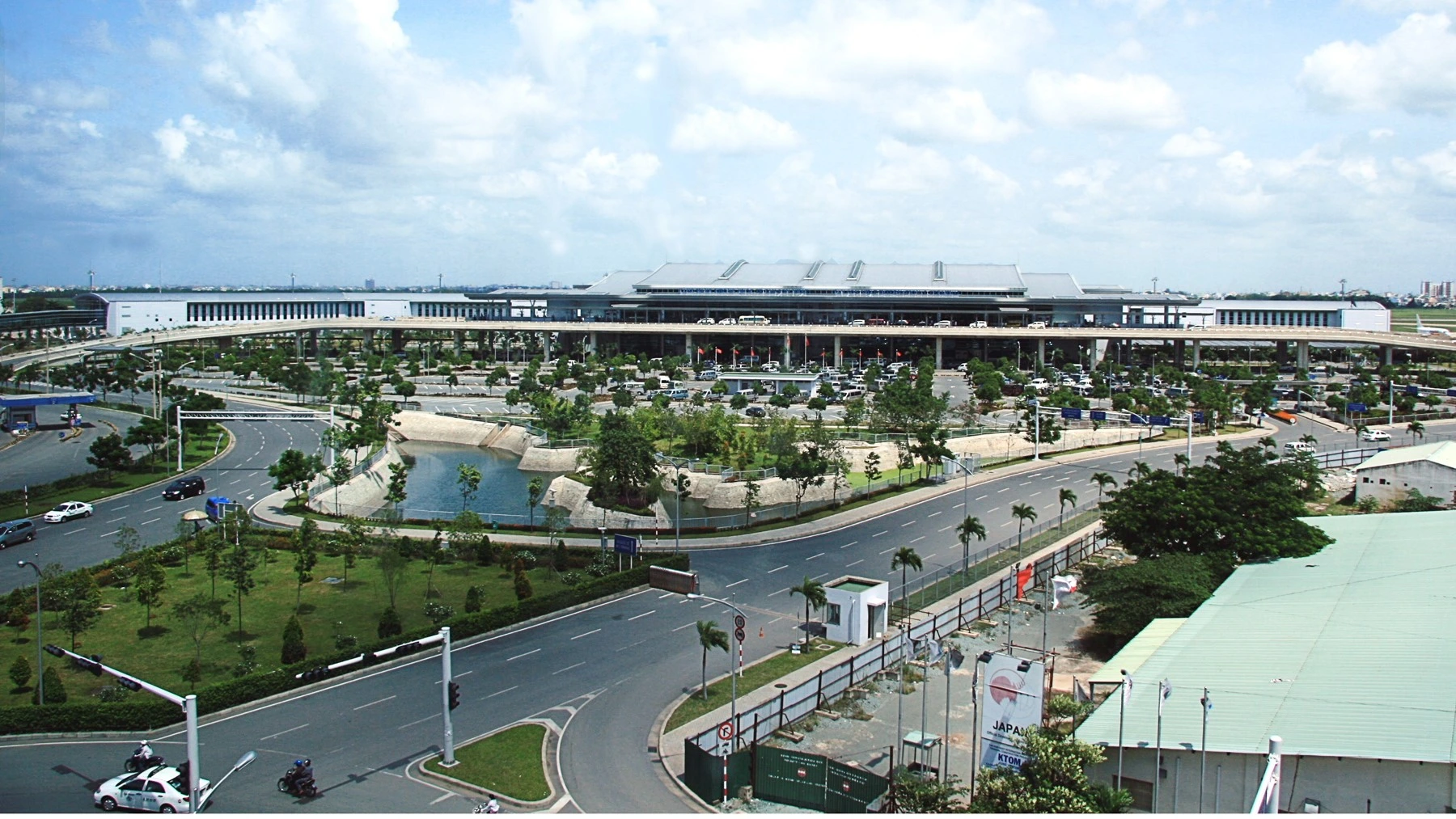
Southeast Asia continues to anchor the world’s low-cost aviation. Bangkok Don Mueang (DMK), Ho Chi Minh City (SGN), Hanoi (HAN), and Denpasar Bali (DPS) all appear in the top 25.
What’s striking is how evenly distributed these airports are. Thailand, Vietnam, and Indonesia have each created ecosystems that rely heavily on LCCs for both domestic and regional flights.
As tourism rebounds, these airports are seeing record passenger volumes, often surpassing their pre-pandemic levels.

Limited American Presence
The only major North American presence comes from New York’s JFK Airport, ranking 12th thanks to JetBlue Airways.
While most U.S. airports are dominated by legacy carriers, JFK’s inclusion underscores the growing importance of hybrid low-cost models that blend affordability with premium service.
JetBlue’s transatlantic expansion has also made JFK an unexpected low-cost gateway between the U.S. and Europe.
Top 25 Low-Cost Carrier Airport Megahubs 2025
| Rank | Airport | Country | Rank in 2024 | Dominant Carrier | Share of Flights |
|---|---|---|---|---|---|
| 1 | KUL | Malaysia | 1 | AirAsia | 36% |
| 2 | ICN | Korea Republic of | 3 | Jeju Airlines | 10% |
| 3 | MNL | Philippines | 2 | Cebu Pacific Air | 33% |
| 4 | HKG | Hong Kong (SAR) China | 24 | HK Express | 14% |
| 5 | DXB | United Arab Emirates | 7 | Flydubai | 28% |
| 6 | SYD | Australia | 20 | Virgin Australia International | 21% |
| 7 | SAW | Turkiye | 13 | Pegasus Airlines | 63% |
| 8 | NRT | Japan | 19 | Jetstar Japan | 13% |
| 9 | BCN | Spain | 8 | Vueling Airlines | 41% |
| 10 | SIN | Singapore | 4 | Scoot | 17% |
| 11 | DEL | India | 5 | IndiGo | 39% |
| 12 | JFK | USA | 9 | JetBlue Airways | 27% |
| 13 | FUK | Japan | 12 | Skymark Airlines | 7% |
| 14 | BOM | India | 11 | IndiGo | 43% |
| 15 | RUH | Saudi Arabia | 14 | Flynas | 22% |
| 16 | BKK | Thailand | 10 | Thai Vietjet Air | 11% |
| 17 | AMS | Netherlands | 16 | easyJet | 8% |
| 18 | AYT | Turkiye | 54 | SunExpress | 29% |
| 19 | SGN | Viet Nam | 21 | Vietjet | 33% |
| 20 | DPS | Indonesia | 18 | Indonesia AirAsia | 11% |
| 21 | DUB | Ireland | 60 | Ryanair | 42% |
| 22 | DMK | Thailand | 15 | Thai AirAsia | 51% |
| 23 | PMI | Spain | 22 | Ryanair | 23% |
| 24 | MEL | Australia | 33 | Virgin Australia International | 27% |
| 25 | HAN | Viet Nam | 34 | Vietjet | 32% |
Source: OAG
Bottom Line
The 2025 ranking of low-cost carrier megahubs paints a clear picture: Asia remains the beating heart of budget aviation, but Europe and the Middle East are catching up fast.
Airports like Kuala Lumpur, Seoul, and Manila continue to define efficiency and affordability, while Dubai, Dublin, and Riyadh show how emerging markets can compete on a global scale.
As low-cost airlines expand their fleets and open new international routes, these airports will only grow more vital—making the world smaller, cheaper, and more connected than ever before.
Stay tuned with us. Further, follow us on social media for the latest updates.
Join us on Telegram Group for the Latest Aviation Updates. Subsequently, follow us on Google News
