


TEL AVIV- Israel’s Tel Aviv Ben Gurion Airport (TLV) holds the title of the world’s most secure airport, yet a 13-year-old boy evaded its defenses on October 7, 2025. He boarded an EL AL (LY) flight to New York (JFK) without a ticket or passport, raising alarms about aviation vulnerabilities.
Crew members discovered the stowaway moments before takeoff, removing him safely and prompting an immediate investigation. This rare breach at a facility known for multilayered scrutiny underscores the challenges of balancing efficiency and safety in high-stakes travel.

El Al Flight Stowaway
The boy navigated Ben Gurion Airport’s (TLV) stringent protocols by trailing adults through security and immigration lines. Israeli rules require minors under 15 to travel with guardians, which likely aided his camouflage but failed to trigger alerts during document scans.
After clearing initial hurdles, he wandered duty free zones before joining the boarding queue for EL AL Flight LY, a routine 12 hour service to John F. Kennedy International Airport (JFK). Gate agents perform final biometric and boarding pass verifications, yet he slipped aboard undetected.
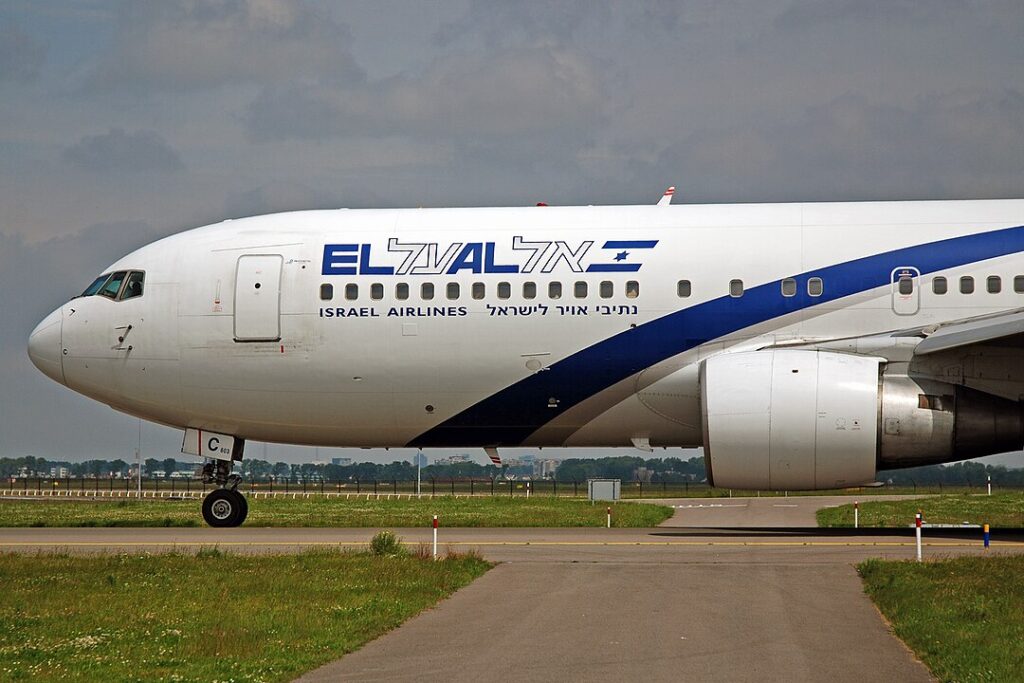
He claimed a crew rest seat as the Boeing 787 prepared for pushback. Flight attendants spotted the anomaly during pre-departure sweeps, questioned him briefly, and alerted ground staff. Authorities removed him without incident, ensuring no disruption to the 250-plus passengers.
EL AL (LY) issued a statement confirming the event: “The flight crew saw a boy who boarded the plane without a ticket or passport after passing all the security and border control stages at Ben Gurion. The boy was safely removed from the plane before takeoff, and the incident is being investigated by the Airports Authority.”
Reported by OMAAT, the episode echoes occasional global stowaway cases but strikes deeper at Ben Gurion, where post 1970s hijackings forged unbreakable safeguards. The Israel Airports Authority now reviews footage and procedures to trace the lapse.

Tel Aviv’s Security Under Scrutiny
Departures from Tel Aviv Ben Gurion Airport (TLV) demand a triple-check gauntlet, starting at check-in with identity probes and explosive trace detection.
Agents grill passengers on travel intent, flagging inconsistencies, a step the boy apparently dodged by shadowing families.
Security follows with magnetometers, pat-downs, and random bag swabs, plus secondary profiling for high-risk profiles. Passport control adds facial recognition against Interpol databases, mandatory for US-bound flights like those to New York (JFK).
EL AL (LY) gates enforce one last scan, linking biometrics to manifests for zero tolerance.
This cumulative system processes 24 million passengers yearly with near-perfect efficacy, per 2023 data.
Yet the boy’s success points to human oversight: perhaps lax adult tailing enforcement or a momentary scanner glitch. Experts note minors’ lower threat profiles sometimes ease scrutiny, though this risks exploitation.
The Airports Authority coordinates with Israel’s Shin Bet for forensic analysis, focusing on entry points and CCTV blind spots.
No prior similar breaches at Ben Gurion (TLV) involve US routes, amplifying the probe’s urgency amid ongoing regional tensions.
Implications for Global Aviation Protocols
This incident prompts wider reflection on stowaway trends, with US and European hubs reporting upticks in unaccompanied minors testing borders. EL AL (LY) maintains its 99.9% on-time reliability to JFK, but such events fuel calls for AI-enhanced monitoring at chokepoints.
Authorities questioned the boy post-removal, exploring motives from adventure to distress, though details remain private to protect his welfare. No charges emerged, aligning with juvenile protocols.
Ben Gurion Airport (TLV) reaffirms its edge: zero successful hijackings since inception. Still, the breach accelerates upgrades, like expanded behavioral analytics, to fortify what remains aviation’s gold standard.

Bottom Line
Aviation bodies worldwide, including IATA, monitor such anomalies to refine standards. For EL AL (LY), the episode tests its post-pandemic recovery, handling 10 million passengers in 2025 despite geopolitical strains.
Passengers to New York (JFK) benefit from the airline’s direct, amenity-rich services, but vigilance stays paramount. This story reminds travelers: even ironclad systems evolve through exposure, turning potential crises into fortified futures.
Stay tuned with us. Further, follow us on social media for the latest updates.
Join us on Telegram Group for the Latest Aviation Updates. Subsequently, follow us on Google News
