

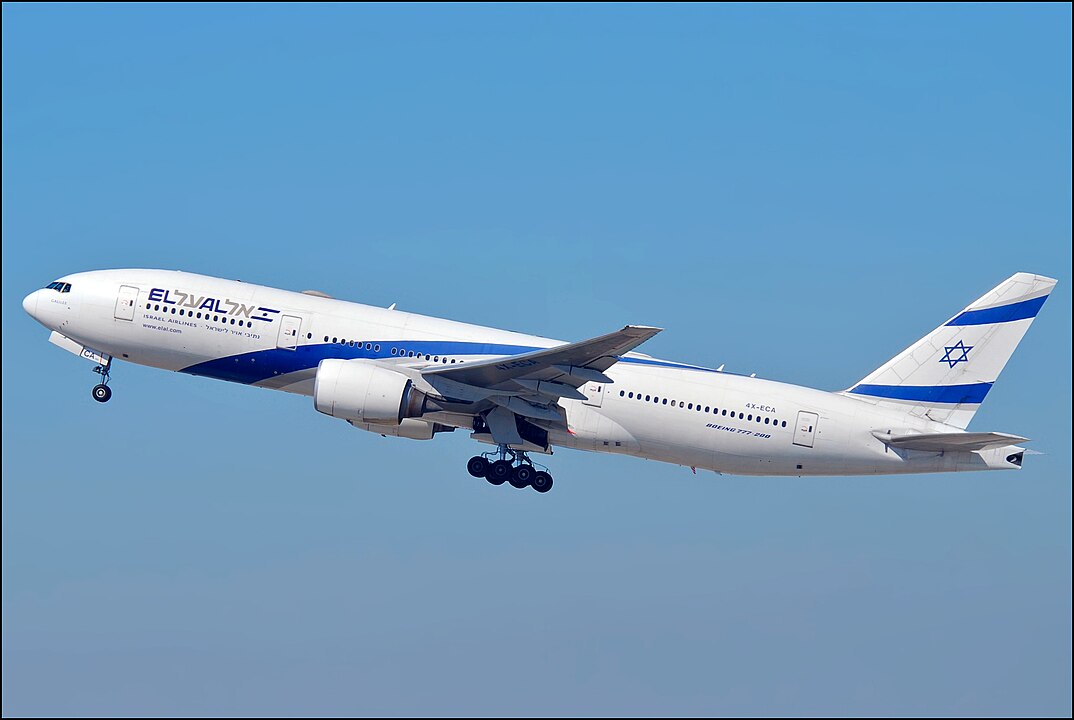
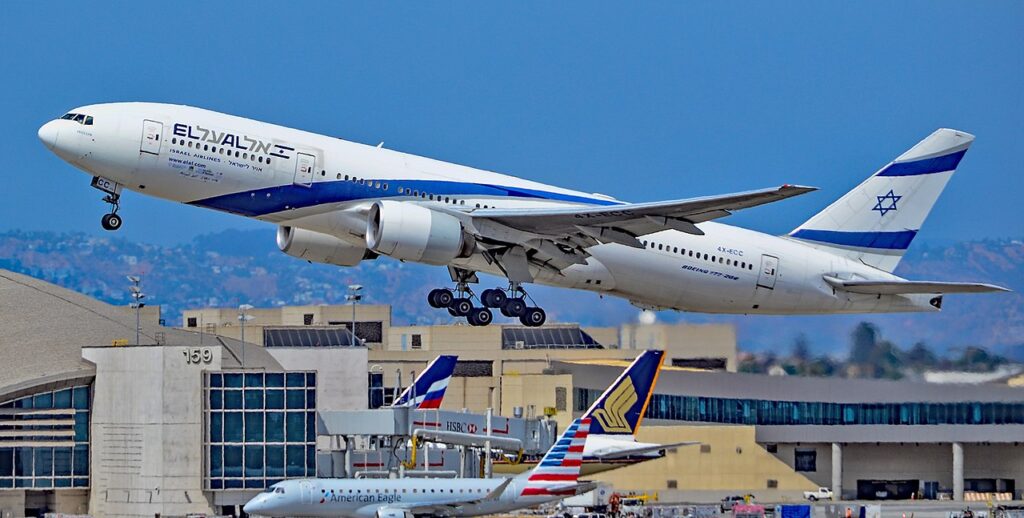
TEL AVIV- An EL AL (LY) Boeing 777-200ER operating Flight LY19 from Tel Aviv (TLV) to New York John F. Kennedy International Airport (JFK) was involved in a concerning fuel-related event during its arrival on May 20, 2026.
The aircraft later landed safely, but cockpit communication during the final approach phase drew attention.
The incident occurred around 9:20 PM and involved aircraft registration 4X-ECF.
During the approach into New York John F. Kennedy International Airport, the crew informed air traffic control that the aircraft could not execute a go-around because of fuel limitations, creating questions about fuel management procedures and communication timing.

EL AL Flight LY19 Approach Incident Near JFK
The incident involved an EL AL Boeing 777-200ER operating Flight LY19 between Tel Aviv and New York. The flight initially appeared routine during most of its journey.
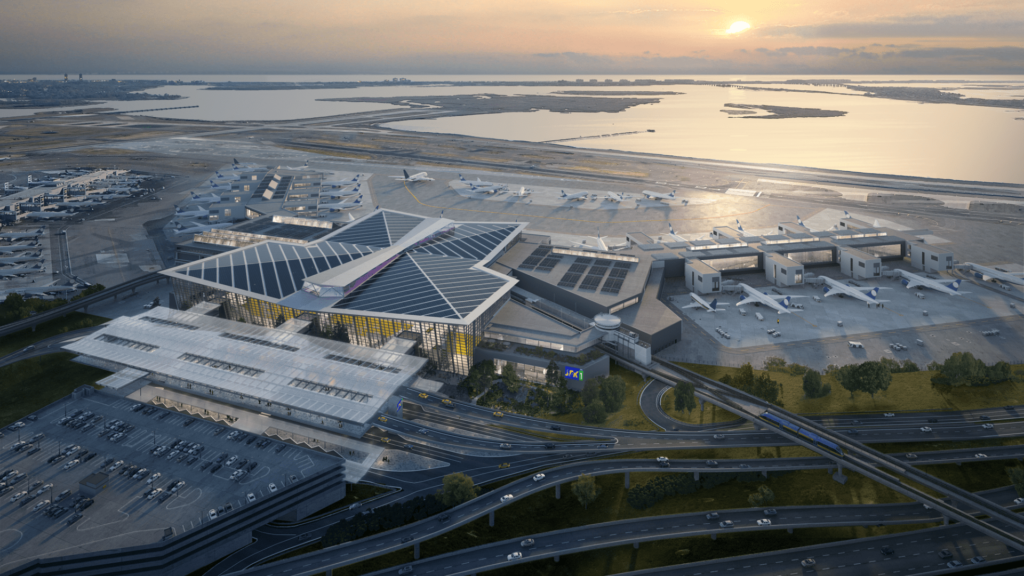
The aircraft approached JFK and air traffic control cleared the flight for an Instrument Landing System approach to runway 31R.
Controllers initially instructed the crew to maintain a speed of 170 knots and later reduced that instruction to 160 knots before transferring the aircraft to tower control.
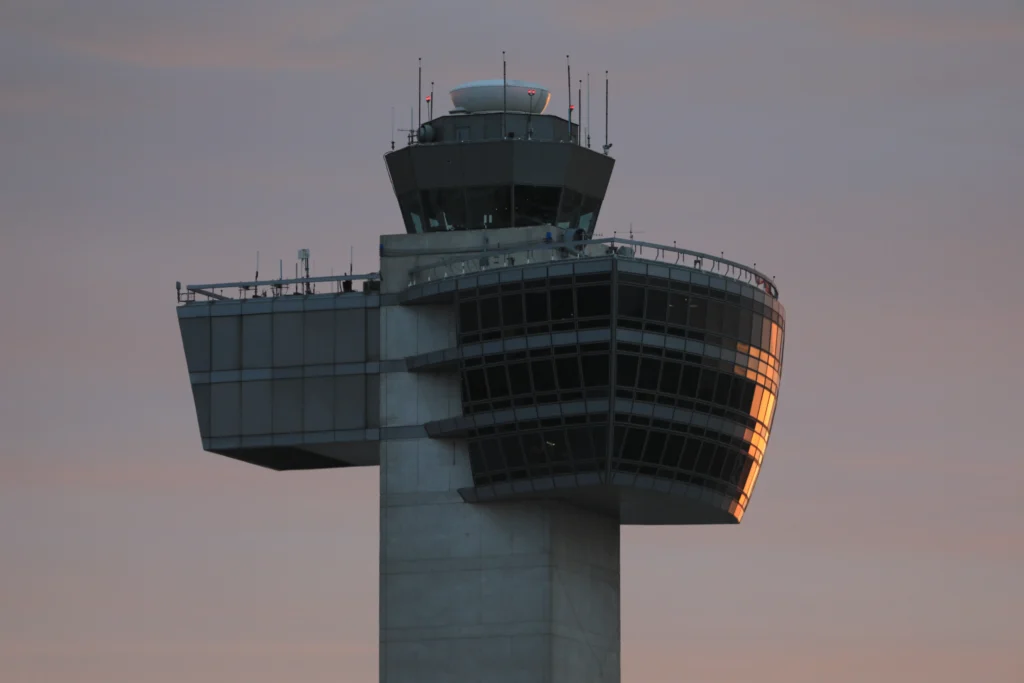
The aircraft remained number three in the arrival sequence. During the final stages of the approach, tower controllers noticed the aircraft slowing unexpectedly.
The controller instructed the crew to increase speed and indicated that resequencing might be necessary.
The controller stated:
“EL AL 19 heavy, increase your airspeed. I do not know why you’re slowing down. I’ll take you off for the re-sequence. Increase your airspeed now.”
The crew then responded with a statement that changed the nature of the interaction:
“Increasing… uh, speed. We don’t have fuel and cannot go around.”
The controller immediately sought clarification.
“Okay, then increase your airspeed. You’re doing 120 knots across the ground, eight miles out. Increase your airspeed now. Are you declaring minimum fuel? What do you mean you can’t go around?”
The crew replied:
“That’s affirm, minimum fuel, we are increasing our airspeed.”
The aircraft subsequently continued the approach, landed safely without further issues, and later taxied normally to its assigned arrival gate.
According to OMAAT, the exchange became a major point of discussion because the fuel situation was not communicated earlier in the approach sequence.
Understanding Fuel Emergency Procedures
Commercial aviation uses standardized terminology for fuel situations because clear communication allows controllers to react appropriately.
According to Federal Aviation Administration guidance, minimum fuel indicates that an aircraft’s fuel state has reached a level where little or no additional delay can be accepted. This condition does not represent an emergency but signals that further delays may create one.
A fuel emergency represents a more serious situation. It occurs when the pilot determines that direct routing and immediate priority handling become necessary because of a critical fuel state.
The distinction between these terms is important because they trigger different operational responses.
Controllers managing busy airports such as JFK regularly handle tightly sequenced arrival traffic. Go-arounds also remain a normal part of airport operations, especially during heavy traffic periods.

Flight Duration And Operational Factors
Flights between Tel Aviv and New York generally take approximately 11 to 11.5 hours depending on route conditions and weather patterns.
Flight LY19 reportedly took just under 12.5 hours. The additional time appears to have resulted from operational delays rather than a single event.
The flight reportedly spent more than 30 minutes holding over Rhode Island because of flow control restrictions into JFK. The arrival also involved a less direct approach routing, which further increased flight time.
Long-haul aircraft carry reserve fuel specifically for changing operational conditions. Holding patterns, traffic congestion, weather deviations, and routing changes can all affect fuel calculations during flight.
Questions Raised About Communication Timing
The primary concern surrounding the incident focused less on fuel quantity and more on communication timing.
The crew did not initially communicate a minimum fuel condition while entering the final approach phase. Controllers only became aware of the issue after noticing unusual speed changes and discussing a possible resequencing.
Early notification of fuel constraints allows controllers to adjust aircraft sequencing and reduce operational pressure.
The incident also raised questions regarding whether the phrase “cannot go around” reflected an immediate operational limitation or whether it was used to emphasize the aircraft’s fuel condition.
If fuel reserves had genuinely reached a critical level, earlier communication could have provided additional flexibility during arrival planning.
If the situation was less severe, the wording still created concern because aviation communication relies heavily on precise and standardized terminology.
Aviation Safety Relies On Standardized Procedures
Modern aviation safety systems depend on planning, reserve fuel calculations, crew decision-making, and clear communication between pilots and air traffic controllers.
The aircraft landed safely and no operational consequences followed the arrival.
However, events involving fuel limitations often receive close review because they can reveal procedural lessons and identify areas where communication processes may improve.
The incident ended without injury or damage, but the discussion surrounding Flight LY19 highlighted the importance of timely communication during high-workload phases of flight operations.
Stay tuned with us. Further, follow us on social media for the latest updates.
Join us on Telegram Group for the Latest Aviation Updates. Subsequently, follow us on Google News
