

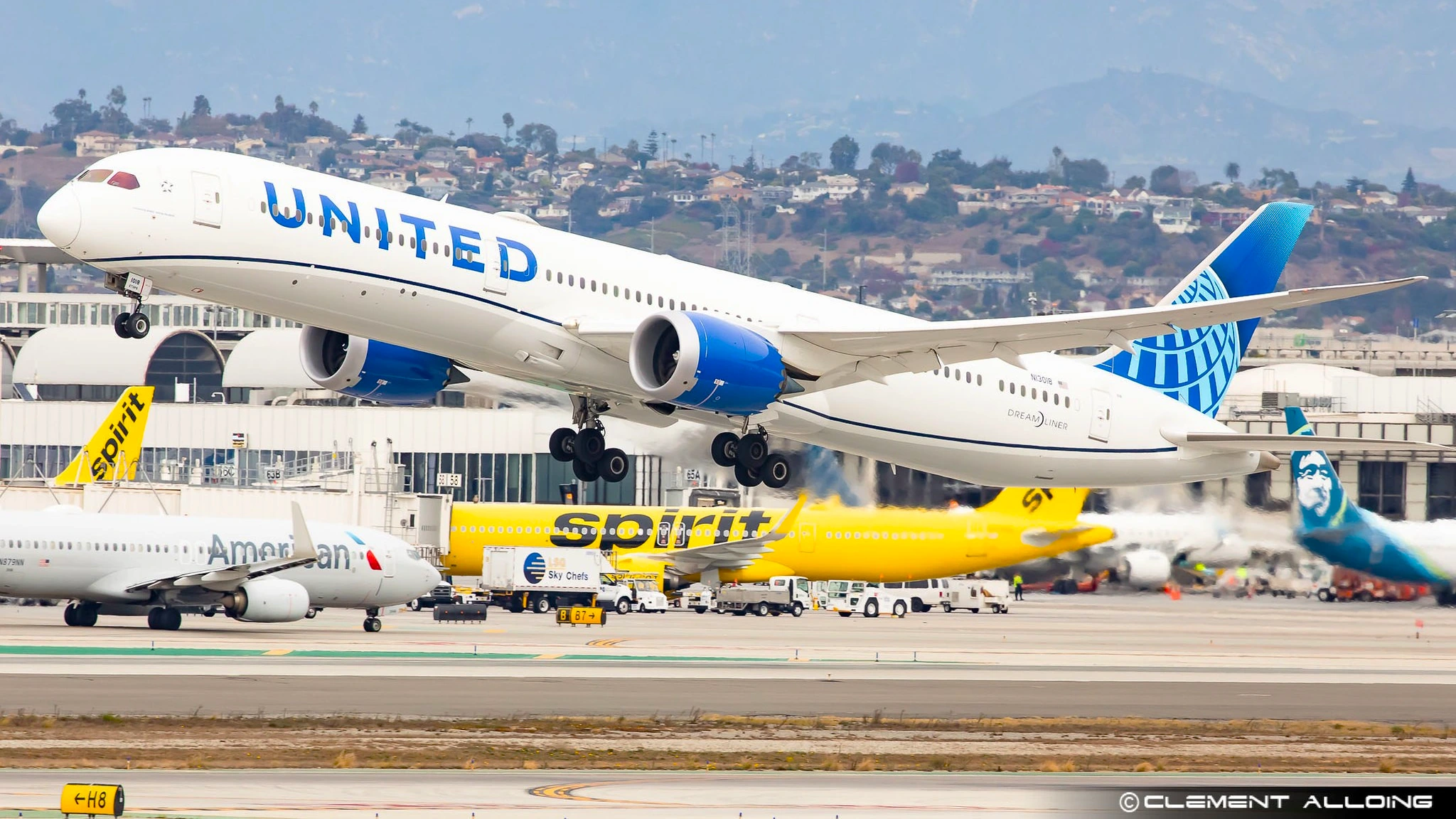
The transatlantic air travel market has remained one of the busiest and most valuable in the world, connecting North America with Europe through hundreds of daily flights. In 2025, this market continues to grow steadily, even as it becomes harder for new airlines to break in.
In terms of size, the transatlantic corridor is now the fifth-largest international air market worldwide. According to data from OAG, the transatlantic market has grown by 55%, reflecting the strong demand from both business and leisure travelers.
With 49 airlines flying across the Atlantic in the summer of 2025, competition is fierce — but the biggest players are the ones still holding the most ground.
The Structure of the Transatlantic Market in 2025
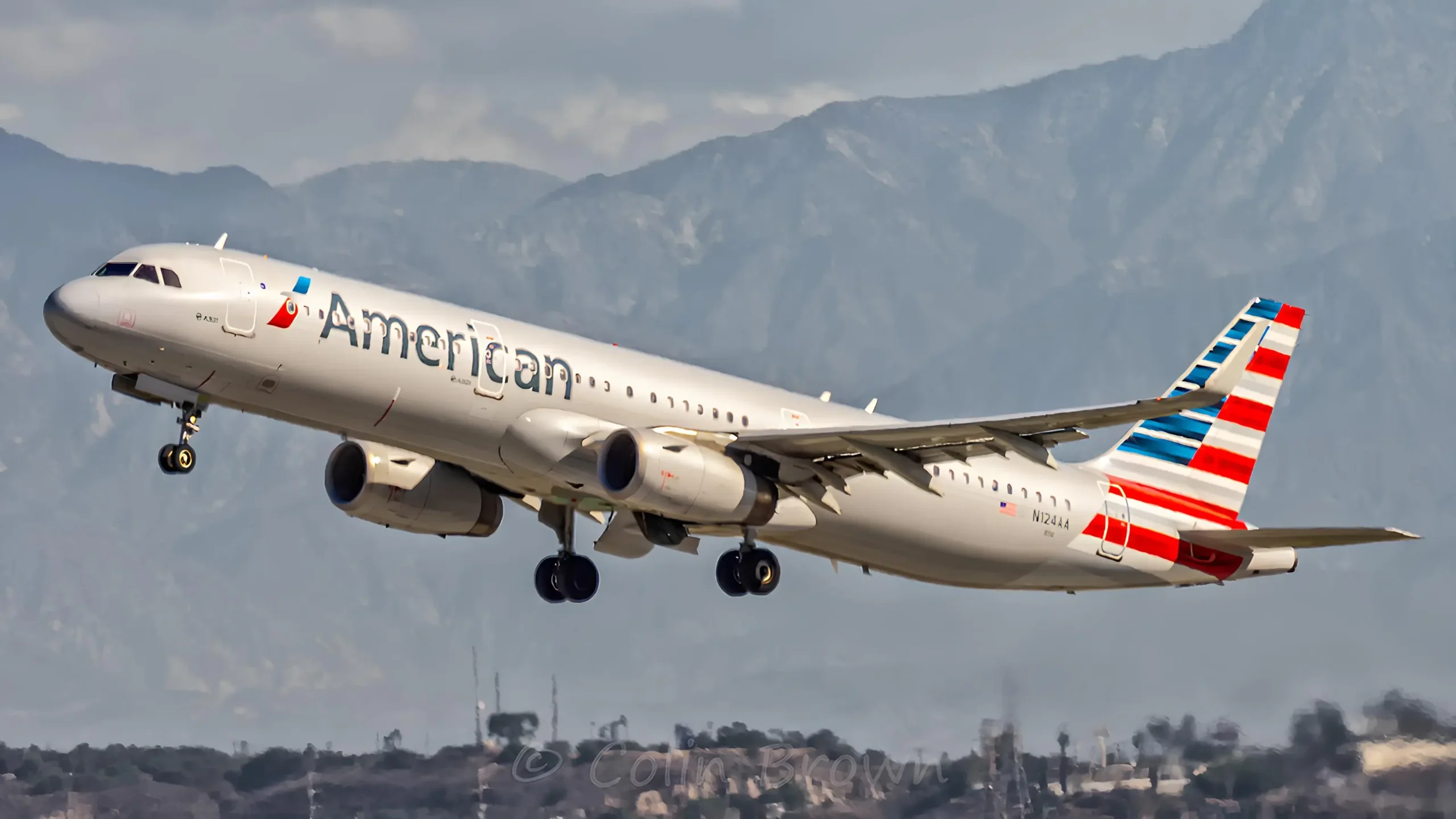
Five countries make up more than three-quarters of the entire transatlantic market. The United States leads, with American carriers operating 34% of the total seat capacity. That number is lower than it was in 2010, when U.S. airlines held a 40% share, but they still dominate overall.
Canadian carriers come next, offering 16% of transatlantic capacity. Airlines from the United Kingdom and Germany each account for 14%, while French carriers hold 11%. These five national aviation markets combined make up nearly 90% of all traffic across the Atlantic.
Major Airlines Are Leading
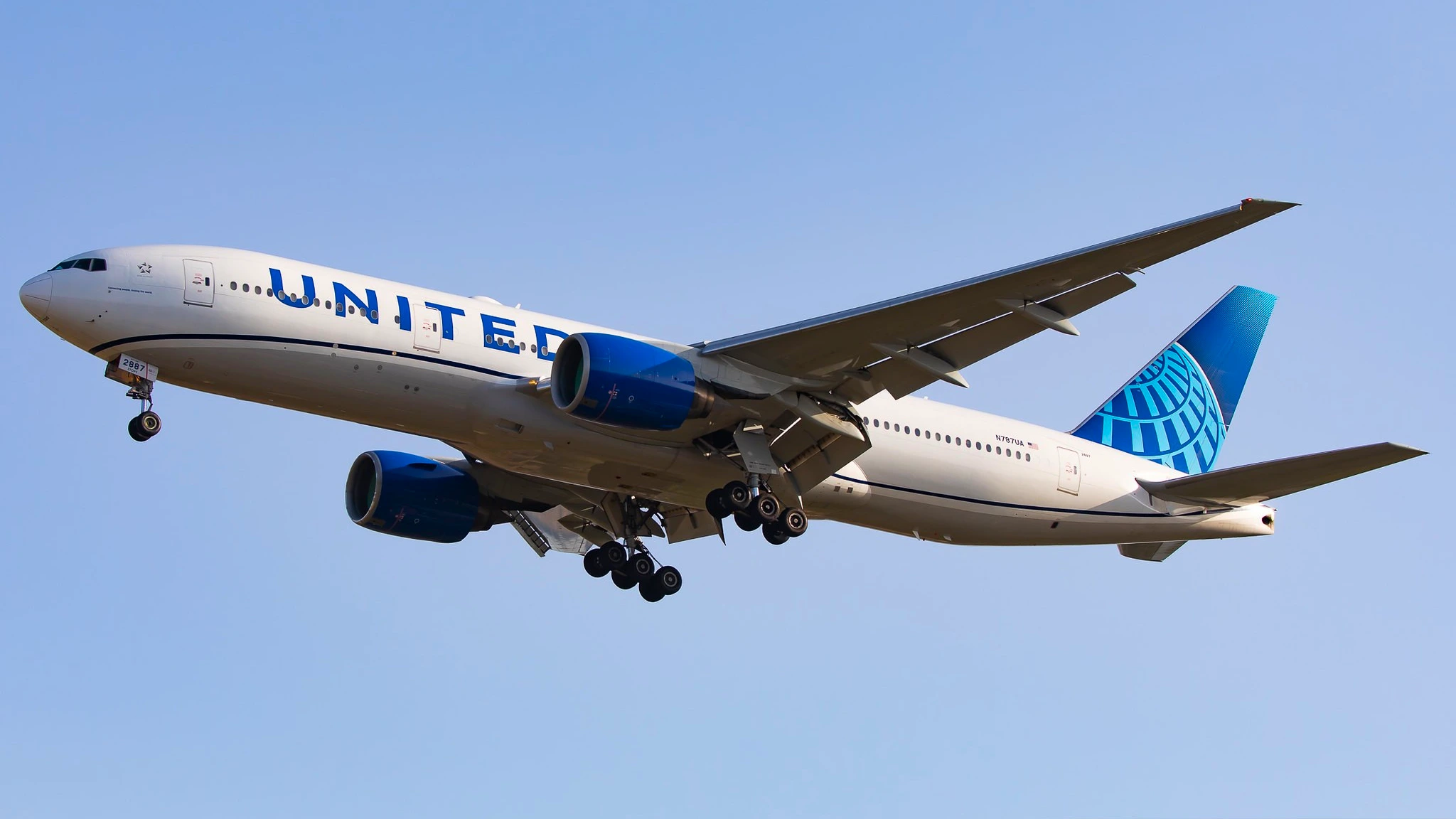
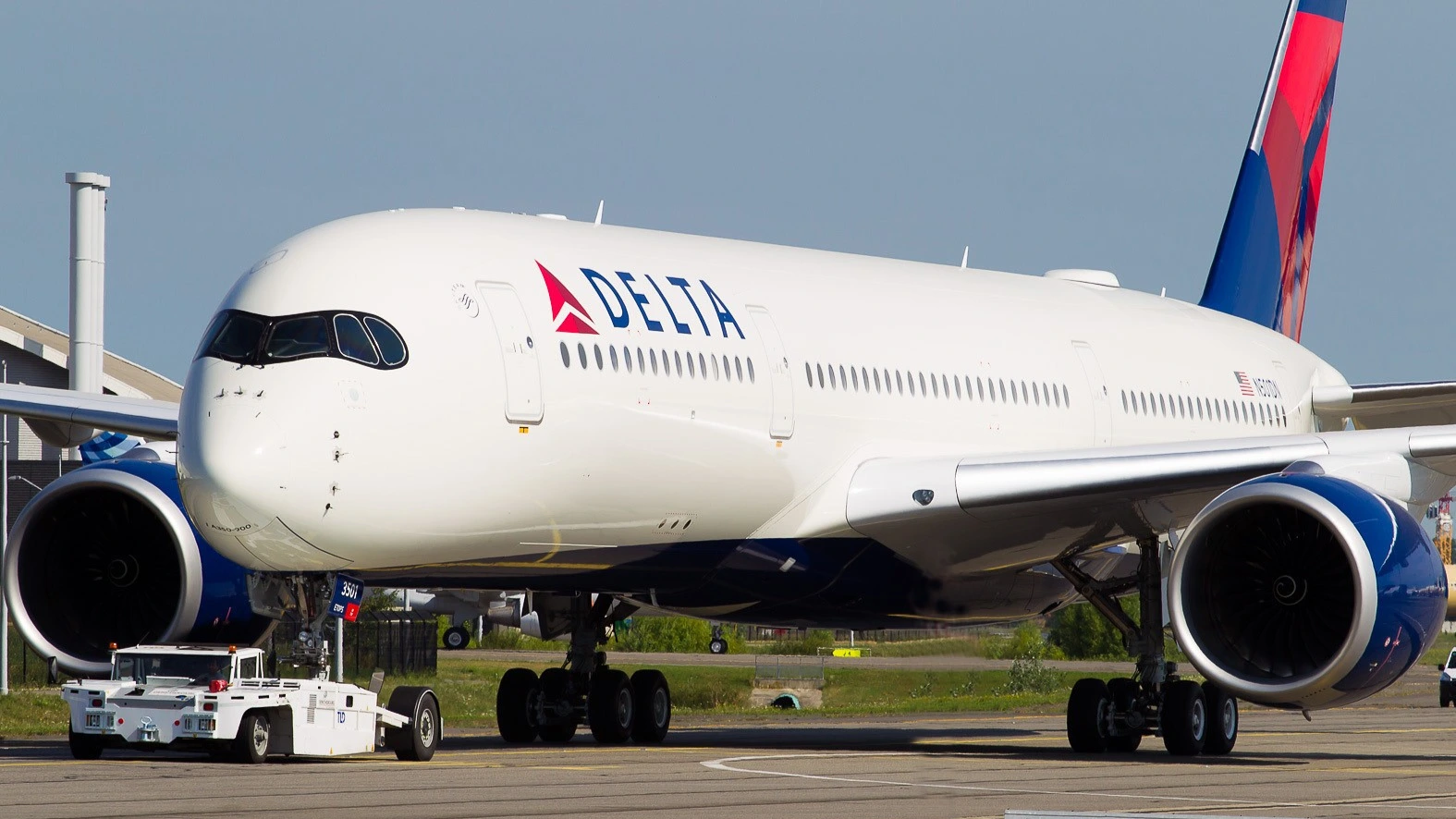
Despite the large number of airlines operating transatlantic flights, no single carrier has more than a 12% market share. The largest players, United Airlines and Delta Air Lines, each control about 12% of the market.
British Airways leads in frequency, operating 23 daily return flights on the top 10 transatlantic routes. United Airlines and Virgin Atlantic each run 14 daily return flights, making them major contributors to overall capacity as well.
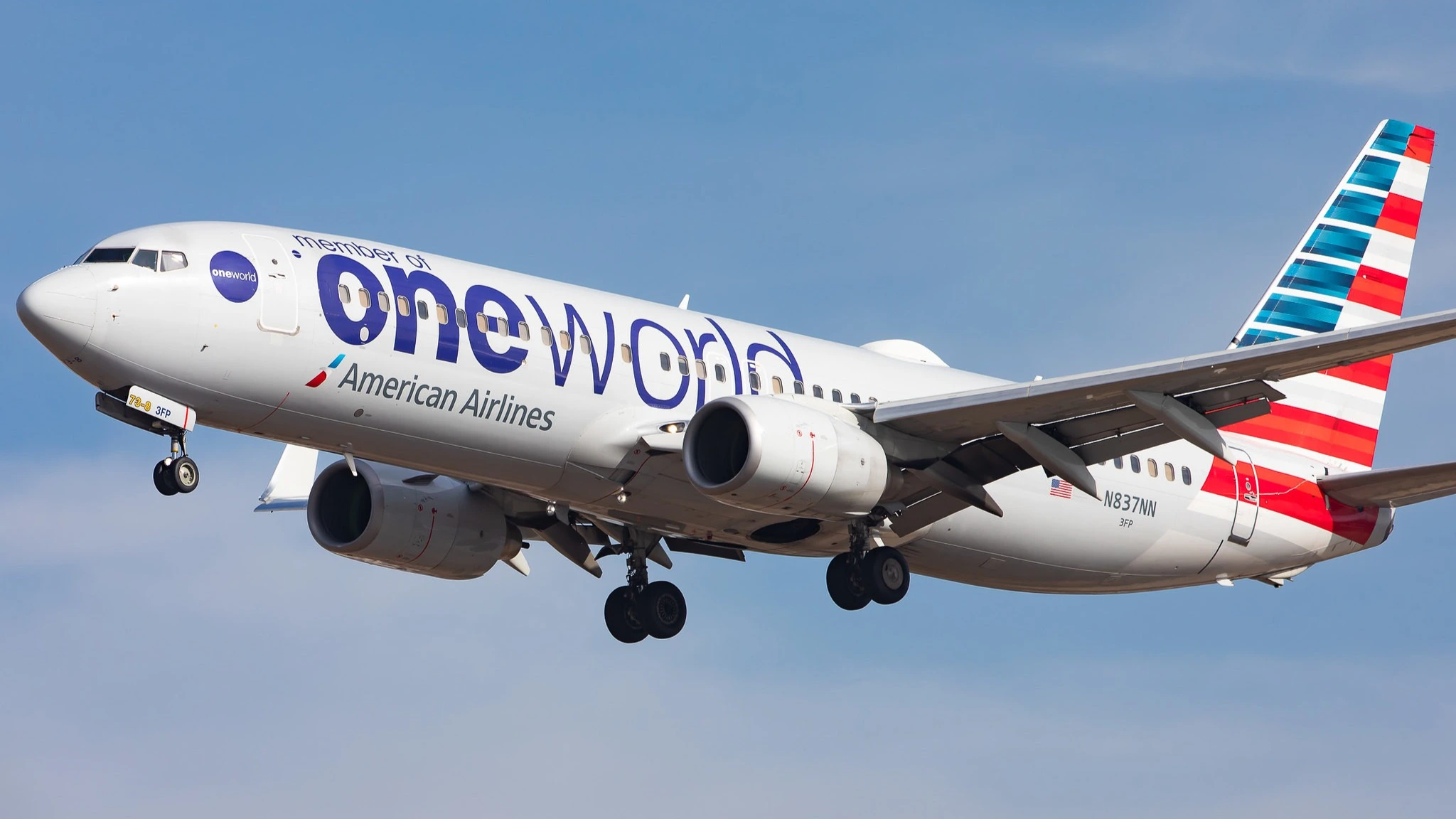
These airlines thrive because of their membership in global alliances — Star Alliance, SkyTeam, and Oneworld — which allow them to share flights, coordinate schedules, and attract loyal customers through shared frequent flyer programs.
Why Airline Alliances Dominate?
The key to success in the transatlantic market is access and coordination. Most major airlines are part of a global alliance that allows them to jointly operate flights with other members. This gives them a competitive edge through:
- Coordinated flight schedules
- Shared ticket pricing and promotions
- Combined frequent flyer programs
- Easier connections and shared airport facilities
In cities like London, New York, and Paris, alliance members often operate out of the same terminals, making it easier for travelers to switch flights. Loyalty programs also play a huge role in keeping business travelers and frequent flyers committed to one group of airlines.
New Entrants Struggle
Although the transatlantic market is attractive due to its high demand, it is notoriously difficult for new entrants to survive. Low-cost, long-haul airlines like Norwegian and WOW Air once tried to break through by offering cheap fares, but both failed to sustain operations.
Norwegian ended all its long-haul flights in January 2021, citing high fuel prices and the inability to earn enough premium revenue.
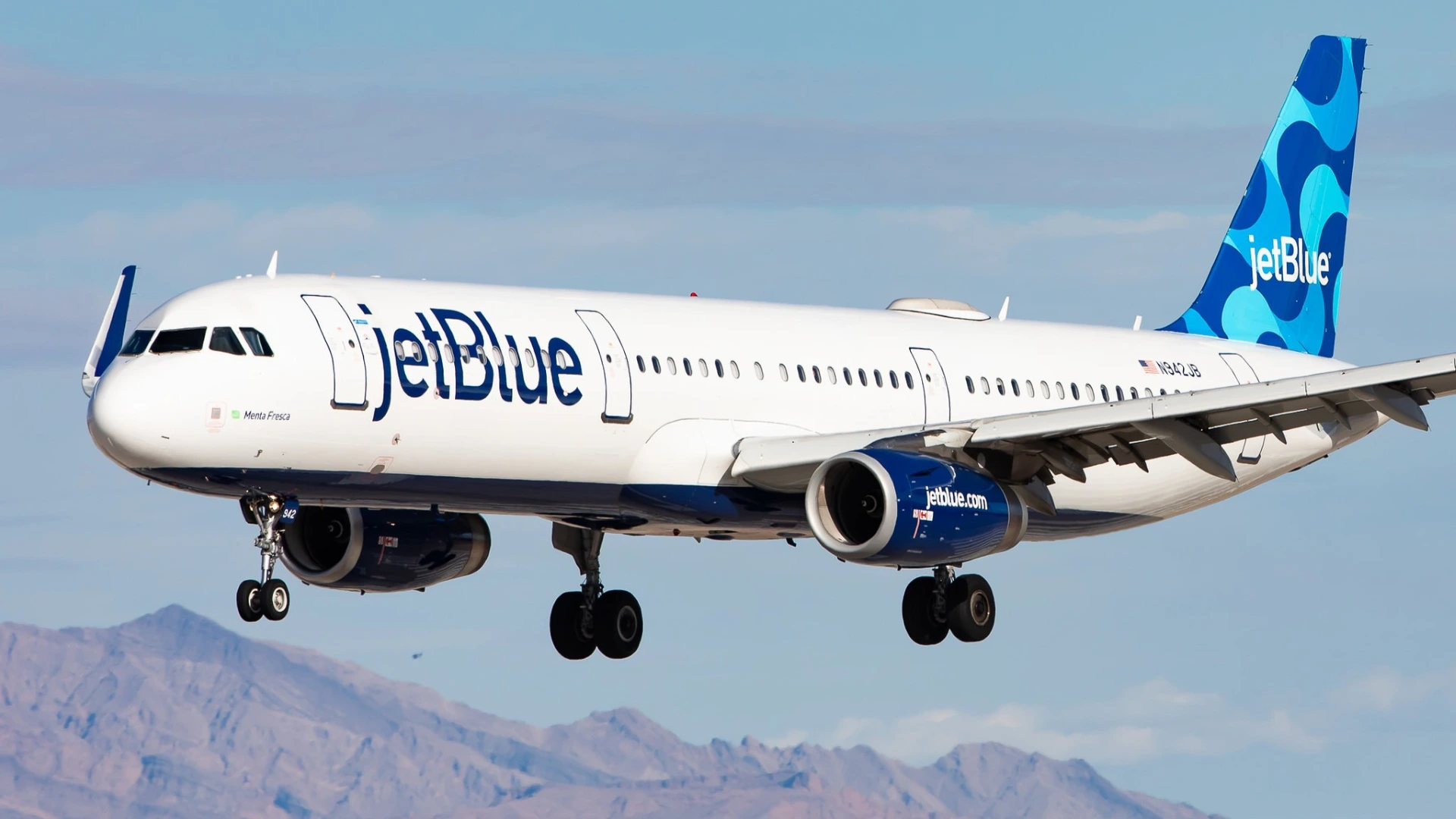
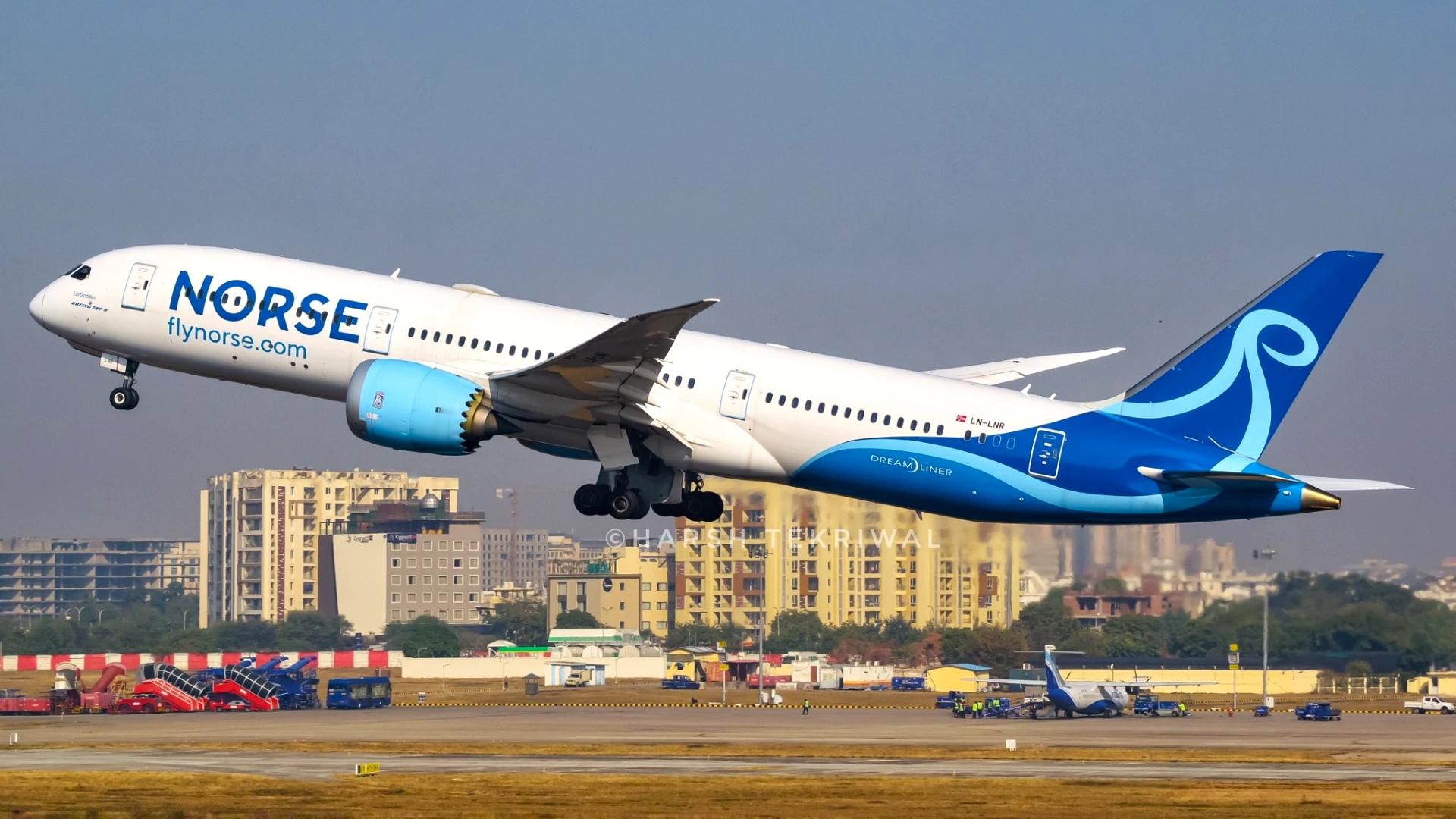
Norse Atlantic and JetBlue are currently among the few smaller carriers still operating in the market. However, their approach is more cautious and focused on niche city pairs or customer segments.
Without the backing of an alliance or access to premium passengers, it remains tough for them to expand.
Key barriers for new airlines include:
- Expensive fuel and aircraft leasing
- High airport fees at major hubs like JFK, Heathrow, or CDG
- Limited takeoff and landing slots at peak times
- Seasonal demand, with big swings between summer and winter
These challenges make it difficult for low-cost carriers to maintain profit margins, especially when facing off against large, well-established competitors.
World’s Busiest Long-Haul Route
The route between New York’s JFK Airport and London Heathrow (LHR) remains the busiest long-haul route in the world. In Summer 2025, it sees 44 daily flights in each direction.
Here’s how it breaks down:
- British Airways: 8 return flights daily
- Virgin Atlantic: 6 return flights
- American Airlines: 4 return flights
- Delta Air Lines and JetBlue: 2 return flights each
Heathrow is a vital transatlantic hub, appearing in 7 of the top 10 busiest routes. On the other side, New York City (JFK and Newark) shows up in 4 of the top 10.
Other Key Routes/ Carriers
Outside of London, Paris Charles de Gaulle (CDG) and Frankfurt (FRA) remain important transatlantic gateways. On the Paris CDG – New York JFK route, JetBlue and Norse Atlantic are competing with much larger players like Air France, Delta, and American Airlines.
JetBlue and Norse each offer just one daily return flight, compared to multiple frequencies from the alliance members.
Canadian airlines also play a strong role in the market. Air Canada runs 3 to 4 daily return flights between Toronto and London, and another 2 between Paris and Montreal.
Canadian leisure airline Air Transat offers 1 to 2 daily return flights on similar routes, appealing more to price-sensitive travelers.
Transatlantic Market: An Outlook
While the market remains highly competitive, the future is likely to continue favoring the major alliances and their member airlines. They have the infrastructure, global networks, customer loyalty, and financial backing to handle rising costs and shifting travel patterns.
Smaller or niche carriers may survive by focusing on underserved city pairs or unique value propositions, such as better in-flight service, simplified pricing, or point-to-point routes. However, growth will remain slow and limited for these newcomers.
As the transatlantic market continues to grow, the overall demand from both business and leisure travelers will likely increase — especially between major U.S. cities and Western Europe.
But the big winners will continue to be those airlines that already have a strong foothold and alliance support.
Bottom Line
The transatlantic air travel market in 2025 remains one of the most competitive and high-demand corridors in global aviation.
Despite the presence of 49 airlines, dominance rests firmly with established carriers backed by powerful alliances like Star Alliance, Oneworld, and SkyTeam.
These airlines benefit from loyal passengers, prime airport slots, and coordinated operations that make it tough for newcomers to compete.
Stay tuned with us. Further, follow us on social media for the latest updates.
Join us on Telegram Group for the Latest Aviation Updates. Subsequently, follow us on Google News
