

WASHINGTON— The Federal Aviation Administration (FAA) has identified more than 150 airport safety “hot spots” across the country, raising renewed concerns about runway safety and operational risks.
The findings impact major aviation hubs, including New York LaGuardia Airport (LGA), San Francisco International Airport (SFO), and Chicago O’Hare International Airport (ORD).
The update comes amid heightened scrutiny of runway incidents involving carriers such as Air Canada (AC), as authorities continue to address near-misses and ground collisions.
The FAA’s latest assessment highlights areas where navigation complexity, infrastructure design, or operational factors increase the likelihood of runway incursions.
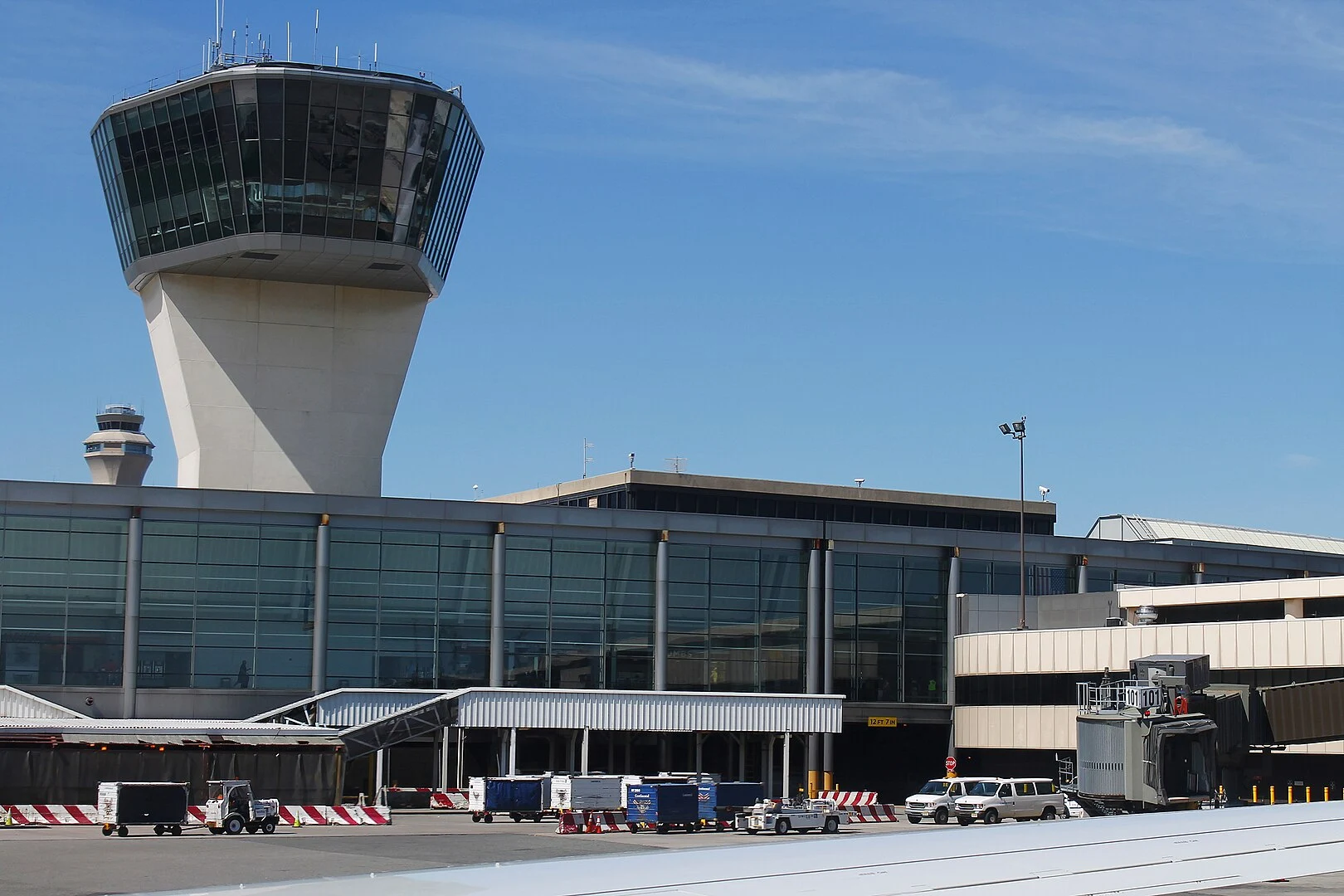
FAA Designated Hot Spot Locations
The FAA defines a hot spot as a location on an airport surface that presents a known or potential risk of collision. These areas often include complicated taxiway intersections, closely spaced parallel runways, or zones with confusing signage.
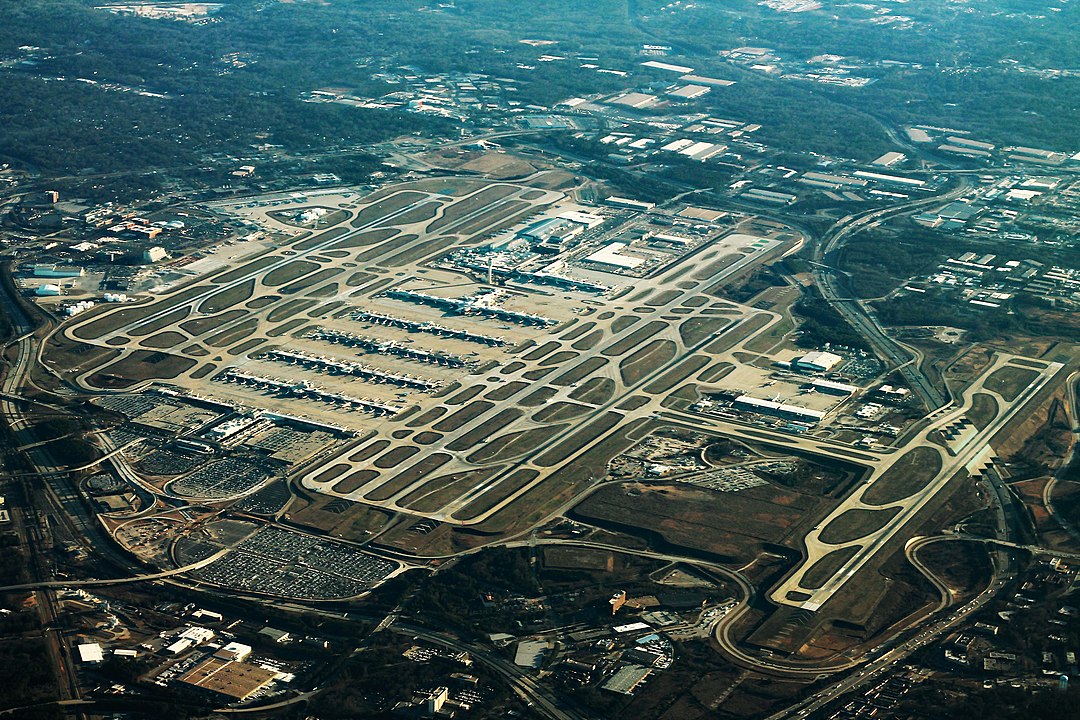
Major airports across the United States appear on the updated list. These include John F. Kennedy International Airport (JFK), Newark Liberty International Airport (EWR), Hartsfield-Jackson Atlanta International Airport (ATL), and Chicago Midway International Airport (MDW).
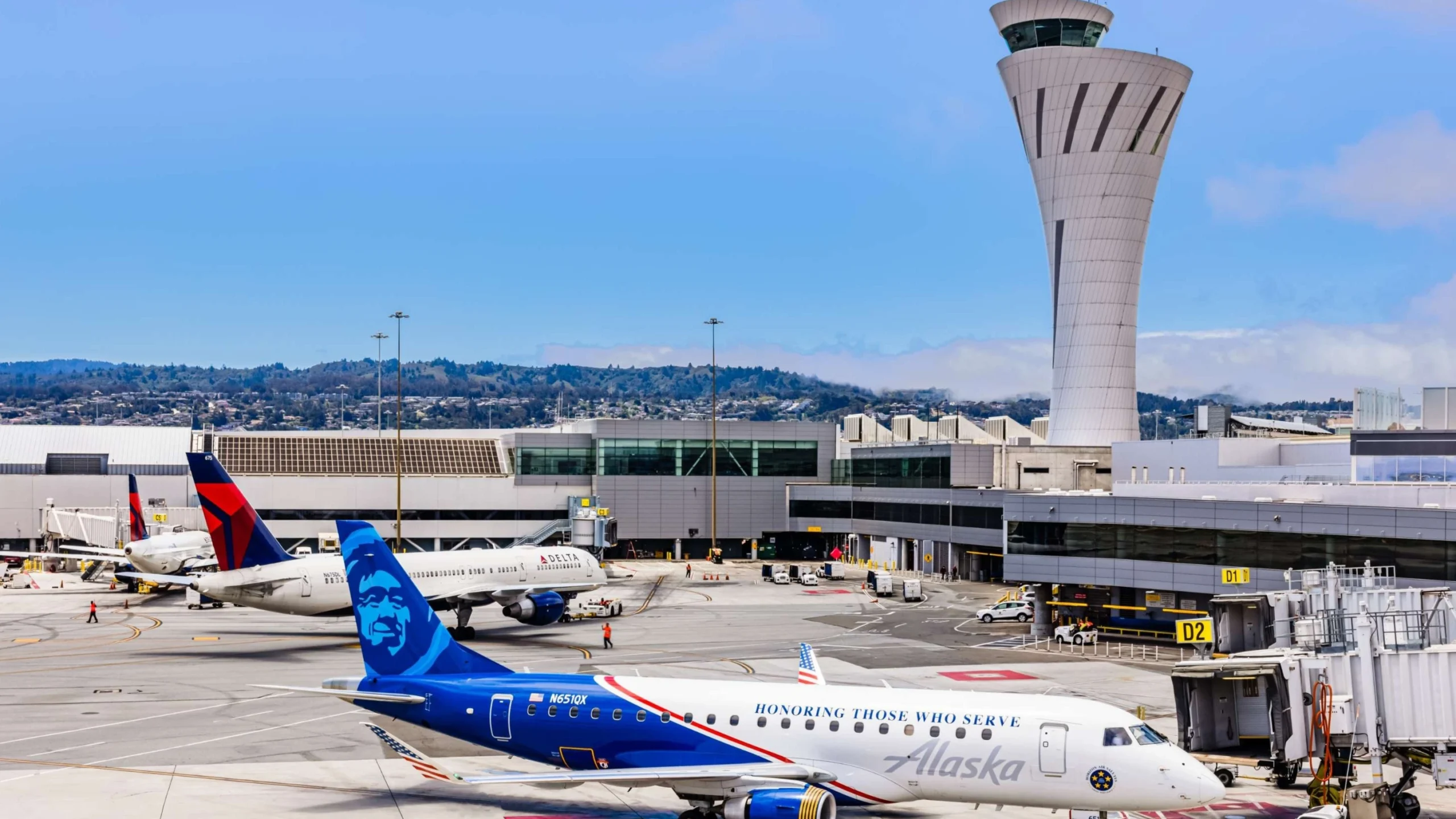
California alone accounts for dozens of identified locations, reflecting the density of air traffic in the region. At San Francisco International Airport, multiple zones have been flagged due to intersecting taxiways and operational challenges.

https://commons.wikimedia.org/wiki/File:Atlanta_Airport_%E2%80%93_Hartsfield-Jackson_Atlanta_International_Airport_in_Georgia_19.jpg
Safety Concerns
The FAA’s data shows that runway incursions remain a persistent issue in U.S. aviation. These incidents occur when an aircraft, vehicle, or individual enters a restricted runway area without proper clearance.
In 2025, more than 1,600 such incidents were recorded nationwide, highlighting the scale of the concern. Early 2026 data also indicates a continued trend, with dozens of cases reported in a single month.
While many of these incidents result in near-misses rather than collisions, the risks remain significant. Complex airport layouts and high traffic volumes increase the likelihood of operational errors.
Recent events have further underscored these concerns. Incidents involving aircraft ground movement and positioning continue to draw attention to the need for improved safety measures.
FAA Actions
The FAA has intensified efforts to reduce runway risks through monitoring, training, and infrastructure improvements. Identified hot spots remain under review until corrective actions reduce or eliminate the associated hazards.
Airports and airlines are working together to enhance pilot awareness and improve ground navigation procedures. Updated charts and better signage aim to reduce confusion in high-risk zones.
Technology also plays a key role in mitigation strategies. Advanced surface detection systems and improved communication protocols help prevent unauthorized runway access.
The agency continues to prioritize runway safety as part of its broader aviation oversight strategy. Officials emphasize that proactive identification of risk areas is essential to preventing serious incidents.
Stay tuned with us. Further, follow us on social media for the latest updates.
Join us on Telegram Group for the Latest Aviation Updates. Subsequently, follow us on Google News
