


NAGOYA– An Antonov Airlines An-124 cargo aircraft lost a part during takeoff from Chubu Centrair International Airport (NGO) on November 10, 2026, forcing airport authorities to temporarily close the runway. The aircraft, registered UR-82007, was departing for Clark International Airport (CRK) in the Philippines when the debris fell onto the runway shortly after liftoff.
The Antonov An-124 continued its journey and landed safely in the Philippines approximately five hours later. However, the incident has drawn attention because another Antonov Airlines An-124 experienced a separate fire-related incident at the same Japanese airport less than three weeks earlier, raising questions about the operator’s recent operations at Nagoya.

An-124 Loses Part During Takeoff in Japan
The aircraft was operating flight ADB357F when it departed Chubu Centrair International Airport at approximately 4:03 p.m. local time. As it climbed away from Runway 36, a part separated from the aircraft and fell onto the runway area.
The exact identity of the missing component has not been officially established. Initial reports and footage circulated online, with some social media users suggesting that the missing section came from the aircraft’s fuselage. However, this description has not been independently confirmed.
The aircraft continued towards Clark International Airport without returning to Nagoya. Flight-tracking information indicates that it completed the journey in approximately four hours and 50 minutes, landing safely on Runway 02.
No injuries were reported in connection with the incident. The safe continuation of the flight allowed the aircraft to reach its destination, although the cause of the component separation remains unclear.
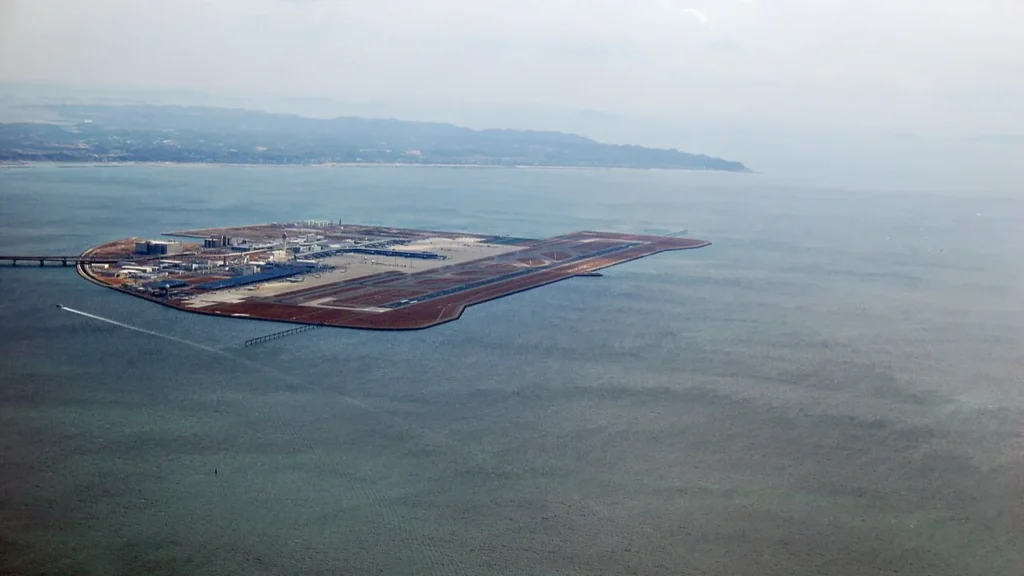
Nagoya Runway Closure After Aircraft Debris
The incident also affected airport operations at Chubu Centrair International Airport, which operates from an artificial island in Ise Bay. Authorities temporarily closed its 3,500-meter runway for approximately 50 minutes to locate and remove the fallen debris.
Runway inspections are important after such incidents because foreign object debris can damage aircraft during takeoff and landing. Even relatively small objects can create serious safety risks if they remain on an active runway.
The temporary closure affected airport operations while ground personnel dealt with the debris. Reports indicated that the runway reopened after the inspection and clearance work was completed.
The incident has been reported by several aviation news outlets, while further information about the aircraft component and the circumstances surrounding its separation remains limited. Antonov Airlines had not provided a detailed public explanation in the available reports.

Second An-124 Incident At Nagoya Airport
The November 10 occurrence follows another incident involving an Antonov Airlines An-124 at Nagoya on October 22. That aircraft, registered UR-82029, experienced an auxiliary power unit (APU) fire while landing after arriving from Fairbanks International Airport (FAI) in Alaska.
Airport personnel quickly extinguished the fire, and the aircraft stopped safely at its parking position. The runway was temporarily closed for approximately 15 minutes before normal operations resumed.
The fire affected the aircraft’s APU, which supplies electrical power and other services when the main engines are not providing them. UR-82029 returned to service the following day, according to aircraft tracking and fleet records, Simple Flying reported.
Both incidents involved different An-124 aircraft, and there is no confirmed evidence linking their causes. Nevertheless, their occurrence at the same airport within three weeks has brought additional attention to Antonov Airlines’ operations in Japan.
Antonov Airlines operates the An-124, one of the world’s largest production cargo aircraft. UR-82007 is among its older aircraft, with fleet records listing an age of approximately 40 years.
The aircraft’s condition and the reason for the latest incident remain subjects of interest as further information becomes available.
Stay tuned with us. Further, follow us on social media for the latest updates.
Join us on Telegram Group for the Latest Aviation Updates. Subsequently, follow us on Google News
