


CANBERRA- Qantas Airways (QF) has secured a new enterprise agreement with its long-haul pilots, ending more than two years of negotiations and delivering a 25% pay increase for approximately 1,700 flight crew members. The agreement covers pilots operating the airline’s Boeing 787 Dreamliner, Airbus A330 and Airbus A380 aircraft, with 11.1% of the increase scheduled to take effect by July 2027.
The revised agreement received support from 61% of eligible pilots represented across the Australian and International Pilots Association (AIPA) and the Australian Federation of Air Pilots (AFAP). The approval follows an earlier rejection in April 2026, when pilots voted against a previous proposal despite AIPA’s backing, forcing further negotiations over salaries and working conditions.

Qantas Pilots Approve Agreement
The new agreement brings an extended dispute over pilot compensation closer to a resolution after the previous long-haul enterprise agreement expired in 2024.
Negotiations continued for approximately two and a half years, during which pilots considered industrial action as pressure increased on the airline to improve its offer.
The April proposal had also included a 25% pay increase, but pilots rejected it because the terms failed to secure sufficient support.
The revised agreement subsequently gained approval from 61% of participating pilots, allowing Qantas to move forward with a new employment framework for its international operations.
The salary improvements represent one of the largest pay packages secured under the airline’s long-haul enterprise agreements. The revised terms also address the concerns of less-experienced pilots, who stand to benefit from significant increases in remuneration as they progress through their careers.
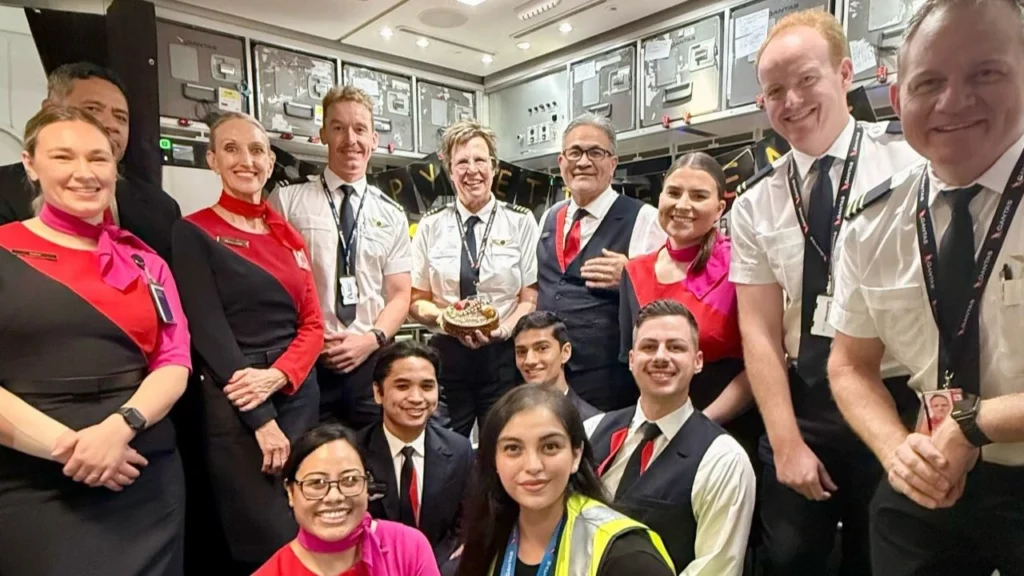
Salary And Leave Improvements
Beyond the headline salary increase, the agreement introduces changes to pilot rostering and employment conditions. One of the notable additions is the provision of three protected ‘golden leave days’, which will give pilots greater flexibility when planning time away from work.
The leave provisions aim to improve work-life balance while helping Qantas maintain more predictable crew schedules.
AIPA president Captain Andrew Marshall described the agreement as delivering the largest pay increases in the history of the airline’s Long Haul Enterprise Agreement, highlighting the improved remuneration for younger pilots and second officers.
The revised package also addresses several concerns raised during the earlier negotiations, including pay structures and roster arrangements.
The AFAP had identified differences in second-officer remuneration and issues surrounding blank-line rostering as important areas requiring improvement before it would support a new agreement.
Qantas welcomed the outcome, noting that the agreement provides greater certainty for its international operations. The airline can now focus on its fleet renewal programme without the prolonged uncertainty surrounding negotiations with its long-haul pilot workforce.
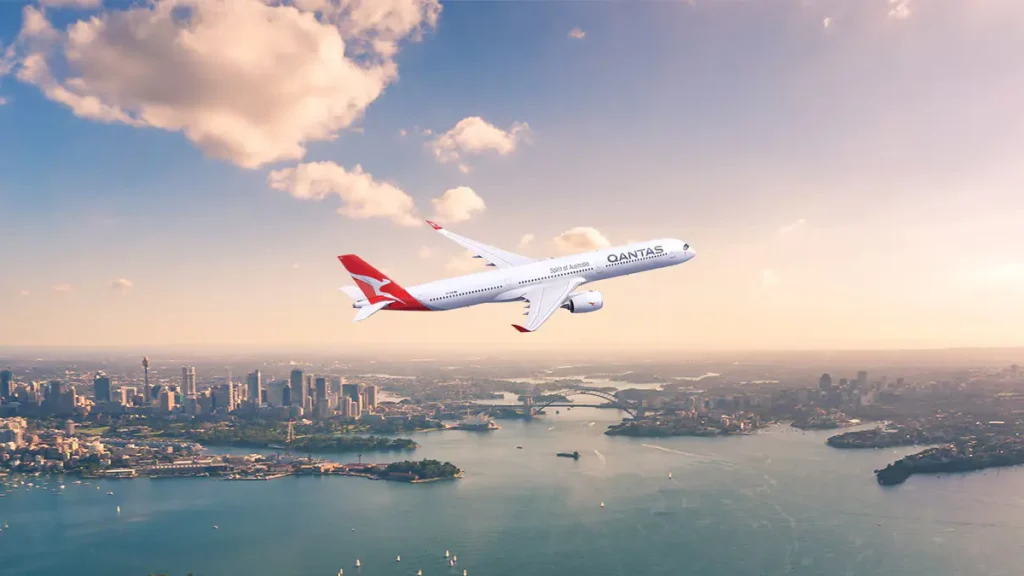
Project Sunrise Preparations
The agreement comes at an important time for Qantas as it prepares to introduce ultra-long-haul services under Project Sunrise. The programme will use specially configured Airbus A350-1000ULR aircraft to operate non-stop flights connecting Australia with major international destinations.
Qantas plans to introduce daily non-stop services between Sydney and London (LHR) in October 2027, followed by Sydney-New York flights in mid-2028. The airline has ordered 12 A350-1000ULR aircraft for the programme, each designed to support flights lasting up to 22 hours. Qantas US+2
Preparing the operation will require extensive crew training. Qantas expects to train more than 360 pilots and 1,200 cabin crew to operate the 12 aircraft, while approximately 40 existing A330 pilots formed the initial group for A350 training, Australian Aviation flagged.
The improved employment agreement provides a more stable foundation as the airline prepares to expand its long-haul network and introduce some of the world’s longest commercial passenger flights.
Stay tuned with us. Further, follow us on social media for the latest updates.
Join us on Telegram Group for the Latest Aviation Updates. Subsequently, follow us on Google News
