

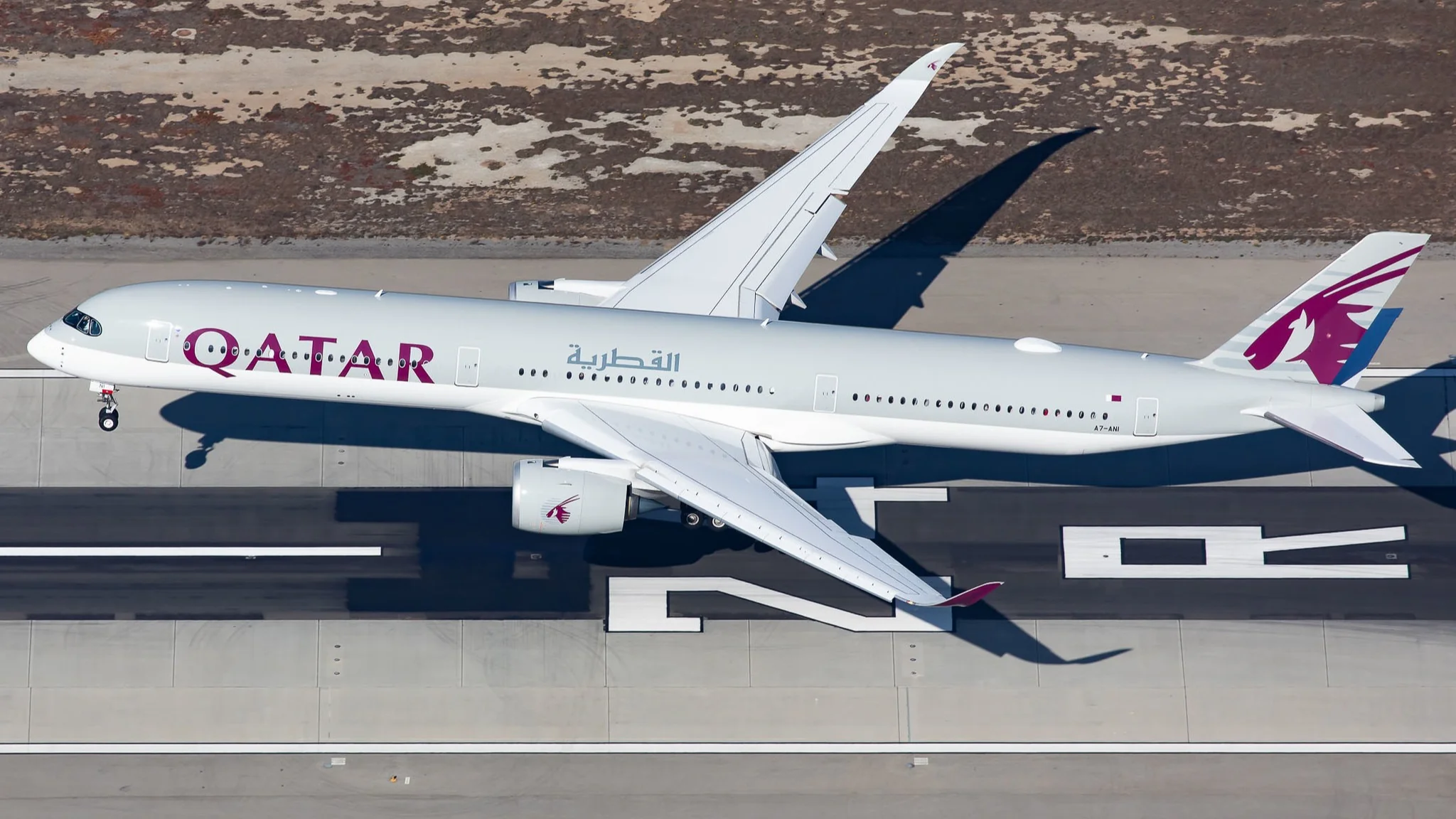
DOHA- Qatar Airways (QR) is seriously considering a premium economy cabin and has a new first-class product under design, according to Group CEO Hamad Ali Al-Khater.
He shared the plans in Sydney (SYD) while outlining growth in Australia with Virgin Australia (VA), including more flights to Doha (DOH).
Qatar Airways Reconsiders Its Cabin Strategy
Qatar Airways is evaluating changes across its cabin classes as it prepares for fleet expansion and product upgrades.
According to Travel Weekly, the review covers a potential premium economy cabin, a new first-class offering, increased business-class capacity, and a more consistent onboard experience across its aircraft.
During the briefing on 24 October 2026, Al-Khater confirmed that premium economy was under serious consideration. He also revealed that the airline was developing a new first-class concept, although neither product has a confirmed launch date.
Premium Economy Remains Under Consideration
Qatar Airways has historically positioned its economy-class product as a premium offering rather than introducing a separate premium economy cabin. The latest comments indicate that the airline is reconsidering its approach as it evaluates its future cabin mix.
Asked whether Qatar Airways would introduce premium economy, Al-Khater said it was “something that we’re seriously considering” and added, “So watch this space.”
The rethink marks a potential shift from the airline’s earlier position. Former CEO Akbar Al Baker had argued that Qatar Airways’ economy cabin already delivered a premium-equivalent experience.
Premium economy generally offers an intermediate option between economy and business class, with an emphasis on additional space and comfort.
However, Qatar Airways has not confirmed its proposed seat design, service standards, pricing, aircraft assignments or launch schedule.
The airline is therefore considering the product rather than committing to its introduction. Any decision will need to fit its wider cabin strategy and customer expectations.
New First-Class Product Is Under Design
Qatar Airways is also examining a new first-class product. Al-Khater said the concept was “under serious design” and indicated that the airline would proceed only if the final offering could attract customers.
The airline has not announced the proposed cabin layout, number of seats, aircraft assignment or introduction date. The design remains under development, and the final product has not been confirmed.
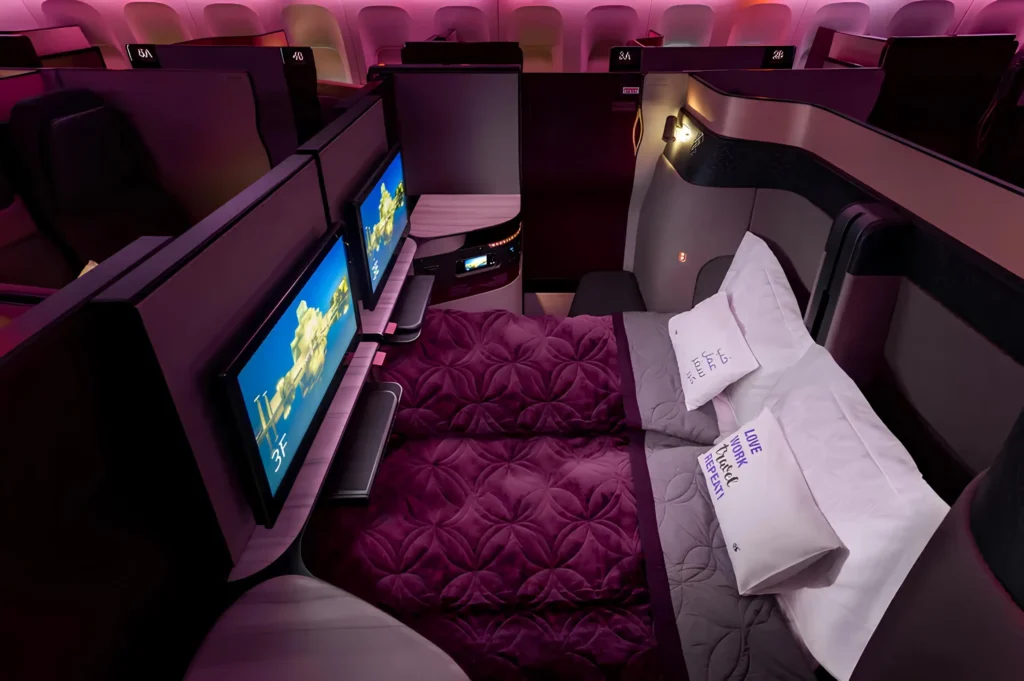
A new first-class cabin would complement Qatar Airways’ investment in business class, particularly its Qsuite product. However, the airline has not disclosed how the proposed first-class offering would differ from its existing premium cabins.
The decision will depend on whether the airline can develop a product that meets its service standards and appeals to its target customers.

Qsuite Next Gen and Business-Class Expansion
Qatar Airways is reviewing its business-class capacity while preparing the next generation of its Qsuite product.
The airline is assessing different seating configurations on selected aircraft as it works to create a more consistent premium experience.
Approximately 45% of the airline’s widebody fleet currently features Qsuite. At the same time, Qatar Airways plans to reduce the number of aircraft cabin configurations from approximately 25 to nine by the middle of the next decade.
Al-Khater said consistency across products and services, both in the air and on the ground, was a central focus of the plan. A smaller number of configurations could reduce differences between aircraft and make the passenger experience more predictable.
Qsuite Next Gen Expected in 2027
Qatar Airways expects the first installation of Qsuite Next Gen to enter service aboard an Airbus A350-1000 during the northern summer of 2027. The airline plans to introduce the upgraded product on the A350-1000 rather than wait for the Boeing 777-9.
The new business-class product is expected to offer greater privacy and more flexible seating arrangements. Planned features include redesigned quad suites for families and groups, along with paired window seats that can open into a shared space.
These layouts would give passengers more options when travelling alone, as a couple or in a group. The design also aims to combine personal privacy with seating arrangements that allow passengers to share the space when needed.
The introduction will form part of the airline’s broader cabin modernisation programme. However, the first installation will not mean that every aircraft immediately receives Qsuite Next Gen. Qatar Airways has not announced a complete retrofit schedule for its existing fleet.
Simplifying Aircraft Cabin Configurations
Reducing the number of cabin configurations from approximately 25 to nine is another major part of Qatar Airways’ strategy.
Different aircraft layouts can create variations in seat types and onboard facilities across routes. A more standardised fleet could help the airline provide a more consistent experience, simplify product planning and support cabin upgrades.
The airline will need to balance this standardisation with the introduction of new products and aircraft types. As a result, passengers may continue to encounter different layouts while the transition takes place.
Qatar Airways is also evaluating whether selected aircraft should carry more business-class seats. The airline has not announced the final seating configurations or confirmed how many additional premium seats it intends to introduce.
Qatar Airways Targets 70 Weekly Australia-Doha Flights
Australia is a key market in Qatar Airways’ expansion strategy. The airline is increasing services through its own network while developing its partnership with Virgin Australia (VA).
Qatar Airways and Virgin Australia are targeting approximately 70 weekly flights between Australia and Doha by the end of 2026. Qatar Airways currently operates around 28 weekly services under its own network arrangements and aims to increase that number to at least 35.
The planned Australian expansion includes several frequency changes. Melbourne (MEL) is heading towards double-daily services, Canberra (CBR) flights via Melbourne are expected to return in December 2026, and Sydney is set to receive a third service.
These developments would give passengers more options for connecting through Doha to destinations across Europe, the Middle East, Africa and other international markets.
Virgin Australia Partnership and Further Cooperation
Virgin Australia’s international services under the partnership began in June 2025. The two airlines are now discussing ways to make travel across their combined networks more consistent.
The areas under review include loyalty programmes, customer experience, digital integration and airport lounges. Better coordination in these areas could help passengers move between the two airlines with fewer differences in service and travel benefits.
Qatar Airways also plans to open four new lounges globally in 2027. The airline is exploring further opportunities to extend cooperation to Virgin Australia passengers.
Al-Khater also indicated that Qatar Airways could have opportunities for greater engagement with Qantas (QF) through the Oneworld alliance. When asked about the airlines’ previous relationship, he said he would not dwell on the history.
He acknowledged the potential for cooperation within Oneworld while emphasising that the relationship with Virgin Australia remained a priority. No specific new agreement with Qantas was confirmed.
Western Sydney Airport Could Reach Daily Flights Earlier
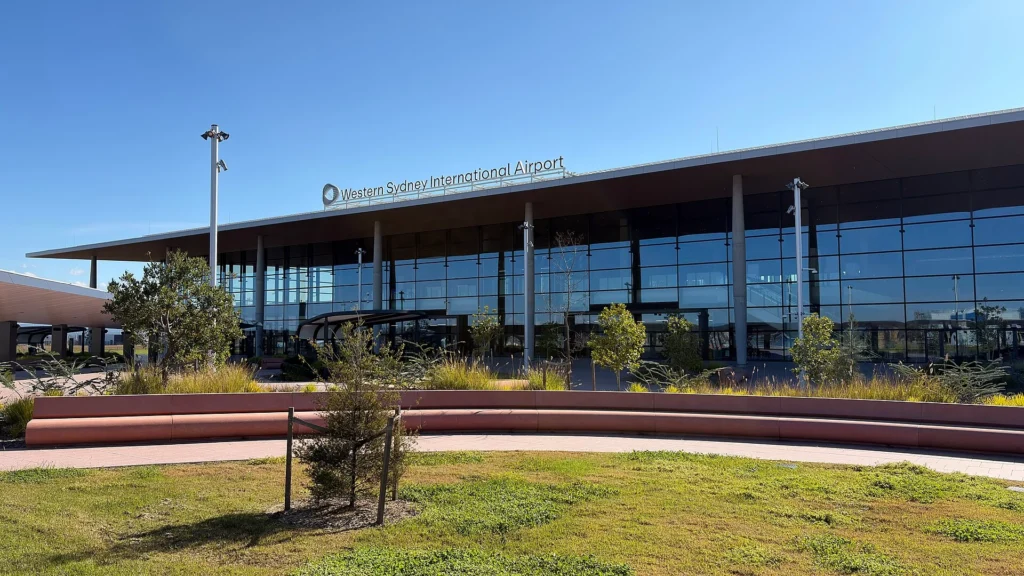
Qatar Airways plans to launch direct services between Hamad International Airport (DOH) and Western Sydney International Airport (WSI) on 15 December 2027.
The service will initially operate three times a week, making Western Sydney the airline’s seventh Australian gateway alongside Sydney, Melbourne, Brisbane, Perth, Adelaide and Canberra.
The airline has outlined a target of increasing the service to daily flights by the end of 2028. Al-Khater indicated that the increase could happen earlier, although no revised date has been confirmed.
Airport Capacity and Passenger Demand
Western Sydney International Airport’s 24-hour operating capability is a major attraction for Qatar Airways. The airport’s passenger catchment area also offers potential to serve travellers who want an alternative to Sydney’s existing international gateway.
Al-Khater confirmed that Qatar Airways would have committed to the airport even without financial incentives. He acknowledged that incentives play a role in airline decisions, but said the strength of the catchment area was ultimately more important.
This distinction highlights the airline’s focus on the airport’s long-term commercial potential rather than financial support alone.
Qatar Airways has not committed to a revised date for daily operations. The initial plan remains three weekly flights from December 2027, followed by a gradual increase in frequency.
Cargo Opportunities for Australian Exporters
Cargo is another factor supporting the Western Sydney route. Qatar Airways sees opportunities to connect Australian exporters in agriculture, natural resources and other industries with international markets through Doha.
The airline’s network could provide access to destinations across the Middle East, Europe, Africa and beyond. The new service is intended to support passenger travel as well as trade and cargo connectivity.
The airport’s round-the-clock operations could also offer greater scheduling flexibility for passenger services and freight movements.

Qatar Airways Plans to Add 138 Aircraft
Qatar Airways expects to add approximately 138 aircraft over the next five years as it expands its international network. The plan includes more than 15 aircraft deliveries in 2027.
The airline is also preparing to retire approximately 17 older Airbus A330 aircraft. Al-Khater said the ageing aircraft no longer offered a product consistent with the Qatar Airways brand.
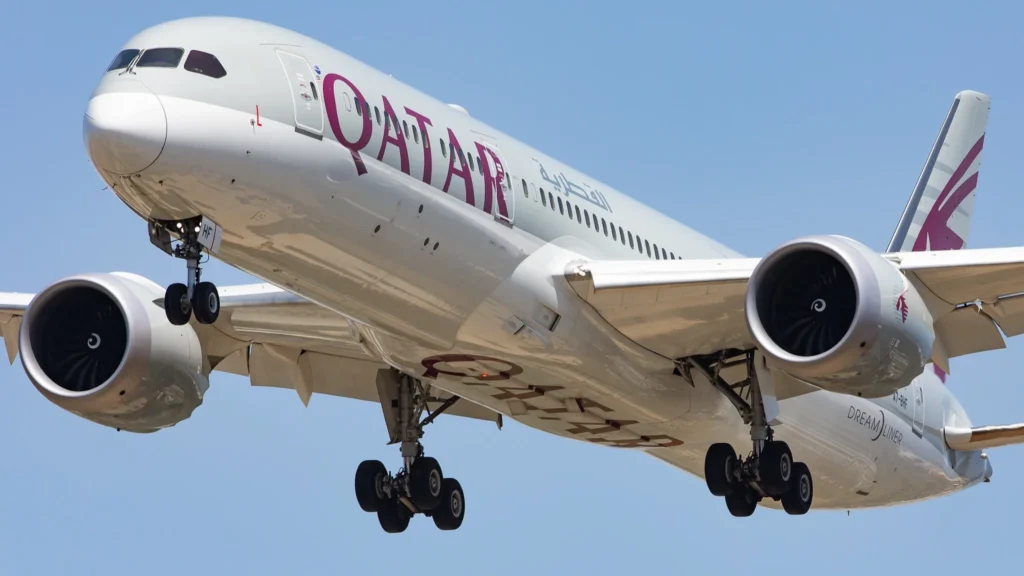
The planned deliveries include Airbus A350s, Boeing 787s and Airbus A321LR aircraft. Qatar Airways also hopes to receive the Boeing 777-9, which remains part of its future fleet plans.
Fleet renewal will support the airline’s effort to expand capacity while improving consistency across its cabins and onboard products.
Qatar Airways hopes to operate its first Airbus A321LR service on 1 January 2027, coinciding with the start of the airline’s 30th anniversary year.
The aircraft is planned to feature 16 business-class seats in a 1-1 configuration. This layout is intended to provide greater privacy than the airline’s existing narrowbody business-class products.
Qatar Airways expects to receive approximately 60 aircraft from the A321neo family, including 10 long-range A321LR variants.
The airline has also confirmed plans for Starlink connectivity from the outset on the A321LR. This investment forms part of its wider focus on onboard connectivity and entertainment.
The aircraft could allow Qatar Airways to operate routes that do not require a widebody while retaining a more premium passenger experience. It could also improve the consistency of connecting journeys when passengers transfer between long-haul widebody flights and smaller aircraft.
The planned A321LR introduction is one of the nearer-term milestones in the airline’s fleet strategy, although the delivery programme and operating schedule remain subject to change.
Broader Overhaul of Passenger Experience
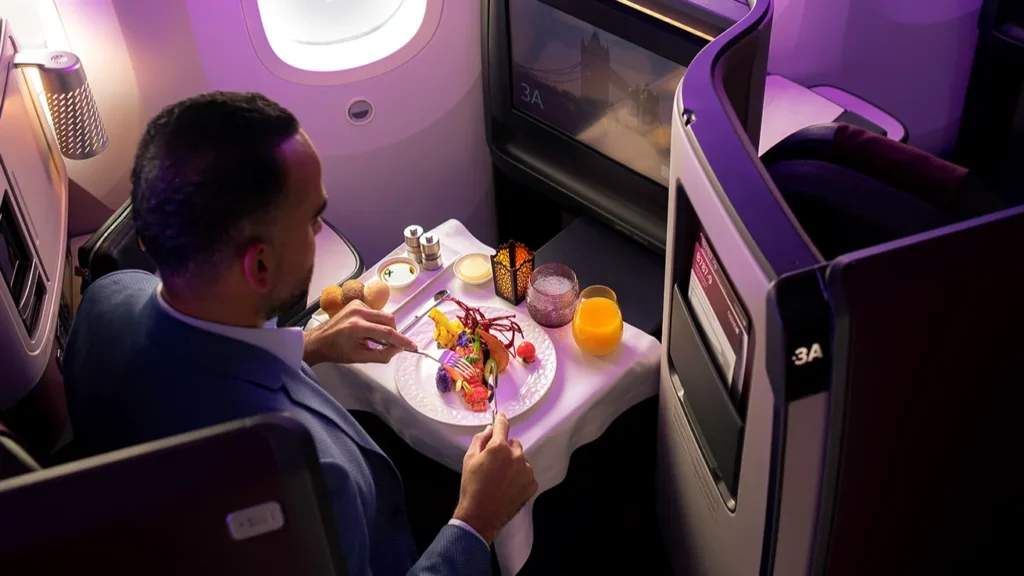
Qatar Airways’ plans extend beyond the possible introduction of premium economy. The airline is evaluating a new first-class product, assessing additional business-class capacity, preparing Qsuite Next Gen and reducing the number of aircraft cabin configurations.
Its Australian growth strategy and fleet renewal programme support the same wider objective: expanding the network while improving consistency across the passenger journey.
The next key milestones include the planned A321LR service in January 2027, the Qsuite Next Gen introduction during the northern summer of 2027 and the launch of Western Sydney International Airport services in December 2027.
Premium economy and the new first-class cabin remain under consideration or development, with no confirmed introduction dates. Their eventual launch will depend on the airline’s product decisions and commercial priorities.
For now, Qatar Airways is pursuing a combination of fleet expansion, cabin upgrades and network growth. The outcome will determine how its cabin offerings and passenger experience evolve over the coming years.
Stay tuned with us. Further, follow us on social media for the latest updates.
Join us on Telegram Group for the Latest Aviation Updates. Subsequently, follow us on Google News
