

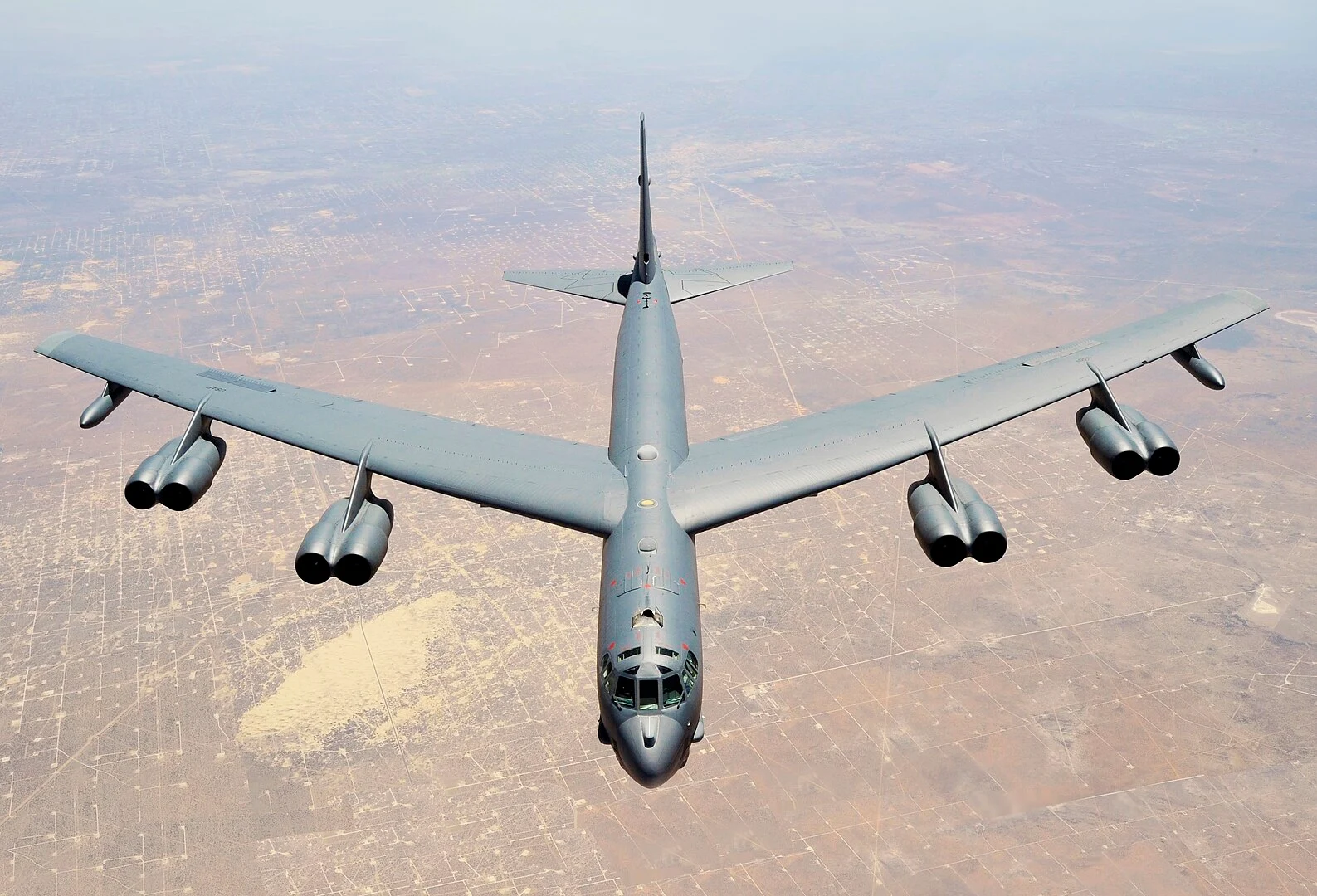
WASHINGTON- The United States Air Force has awarded Lockheed Martin a $694 million contract to produce the Air-Launched Rapid Response Weapon (ARRW), moving the hypersonic missile programme into production after years of testing, setbacks and funding uncertainty. Announced on October 26, 2026, the decision marks a major step in the service’s effort to develop weapons capable of striking high-value targets at speeds exceeding Mach 5.
The ARRW programme will initially focus on deployment aboard the Boeing B-52 Stratofortress, with the weapon designed to reach speeds of at least 3,800 miles per hour. The Air Force has not disclosed the number of missiles covered by the contract or their delivery schedule, citing operational security, while its broader procurement plans remain subject to budget decisions.
ARRW Production After Setbacks
The Air Force began developing ARRW in 2018, building on hypersonic research conducted through a partnership between the Defense Advanced Research Projects Agency (DARPA) and the service.
Lockheed Martin received an initial design contract worth up to $480 million, with the programme originally aiming to deliver an operational capability by 2022.
However, the missile encountered repeated setbacks during flight testing. An early launch attempt in April 2021 failed, and subsequent tests also produced unsuccessful results before the programme recorded a successful flight in May 2022.
Funding uncertainty then threatened the weapon’s future. In March 2023, Air Force acquisition officials indicated that the service would not proceed with missile purchases at that stage, instead prioritising the smaller Hypersonic Attack Cruise Missile (HACM) and other hypersonic technologies.
The strategy later changed. In 2025, Air Force leadership signalled renewed interest in purchasing ARRW, and the fiscal 2026 budget included funding for procurement.
The service ultimately awarded Lockheed Martin the $694 million production contract on September 29, 2026, before announcing it publicly on October 26.
B-52 Deployment Plans
ARRW uses a multistage boost-glide design rather than a conventional cruise missile configuration. A rocket booster accelerates the weapon to hypersonic speeds, after which a glide vehicle separates and manoeuvres toward its target at speeds exceeding Mach 5.
The weapon is intended to strike high-value, time-sensitive targets from a distance, allowing launch aircraft to remain farther from heavily defended areas.
Its speed and manoeuvrability are designed to complicate interception by advanced air-defence systems, although operational performance will depend on the weapon’s final capabilities and deployment conditions.
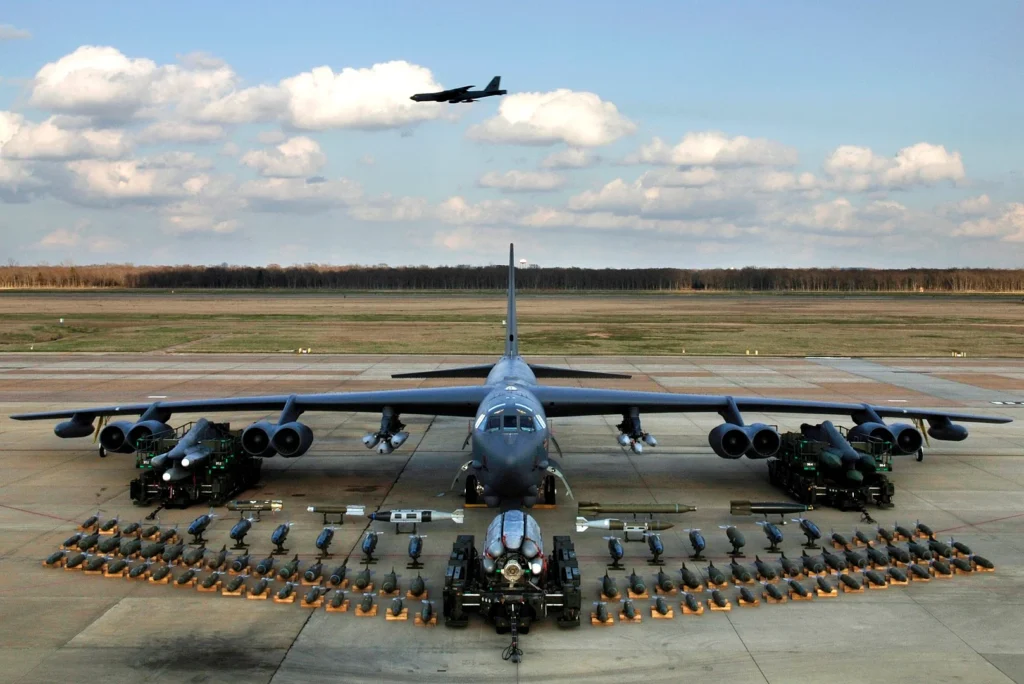
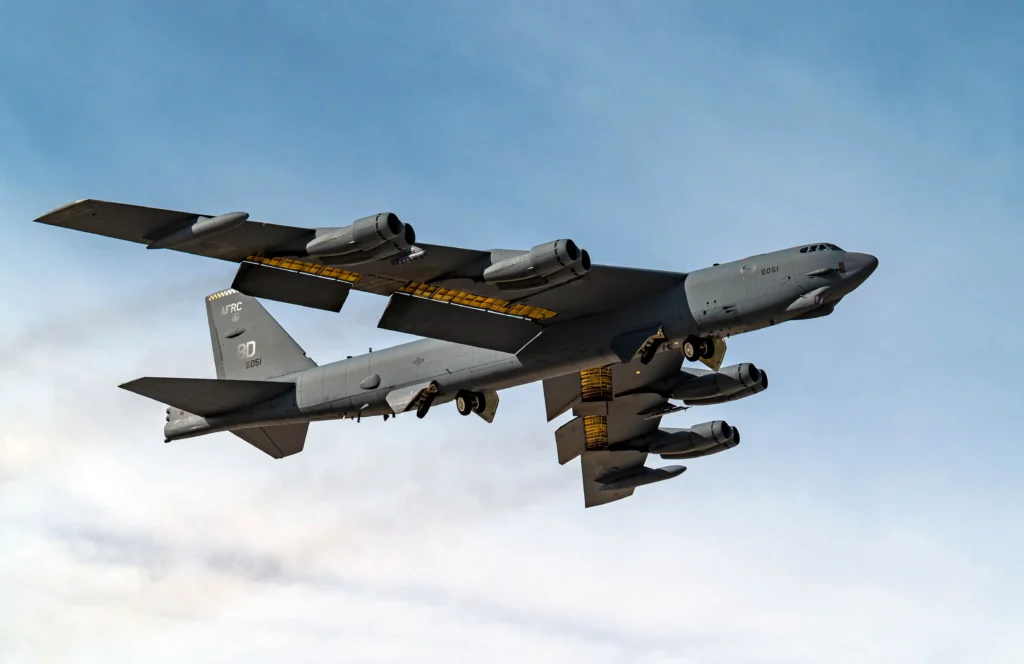
The missile is too large for most fighter aircraft and will initially be carried by the Boeing B-52 Stratofortress. The Air Force has also reportedly tested ARRW on the B-1 bomber, potentially providing additional options for future integration.
Air Force Secretary Troy Meink described the move into production as a turning point in the service’s advanced weapons plans. Chief of Staff Gen. Kenneth Wilsbach also said ARRW would provide combatant commanders with a rapid strike option for highly contested environments.
The next challenge will be delivering the weapon and integrating it into operational units.
The Air Force has not disclosed procurement quantities or delivery deadlines, while its fiscal 2027 budget request includes $452 million for ARRW production and remains subject to congressional approval, Air and Space Forces flagged.

Bottom Line
Future defence planning documents project additional procurement spending between 2028 and 2031, but the precise number of missiles remains classified or otherwise restricted from public release.
The production contract therefore marks an important transition for ARRW, although the timing and scale of its operational deployment remain uncertain.
Stay tuned with us. Further, follow us on social media for the latest updates.
Join us on Telegram Group for the Latest Aviation Updates. Subsequently, follow us on Google News
