

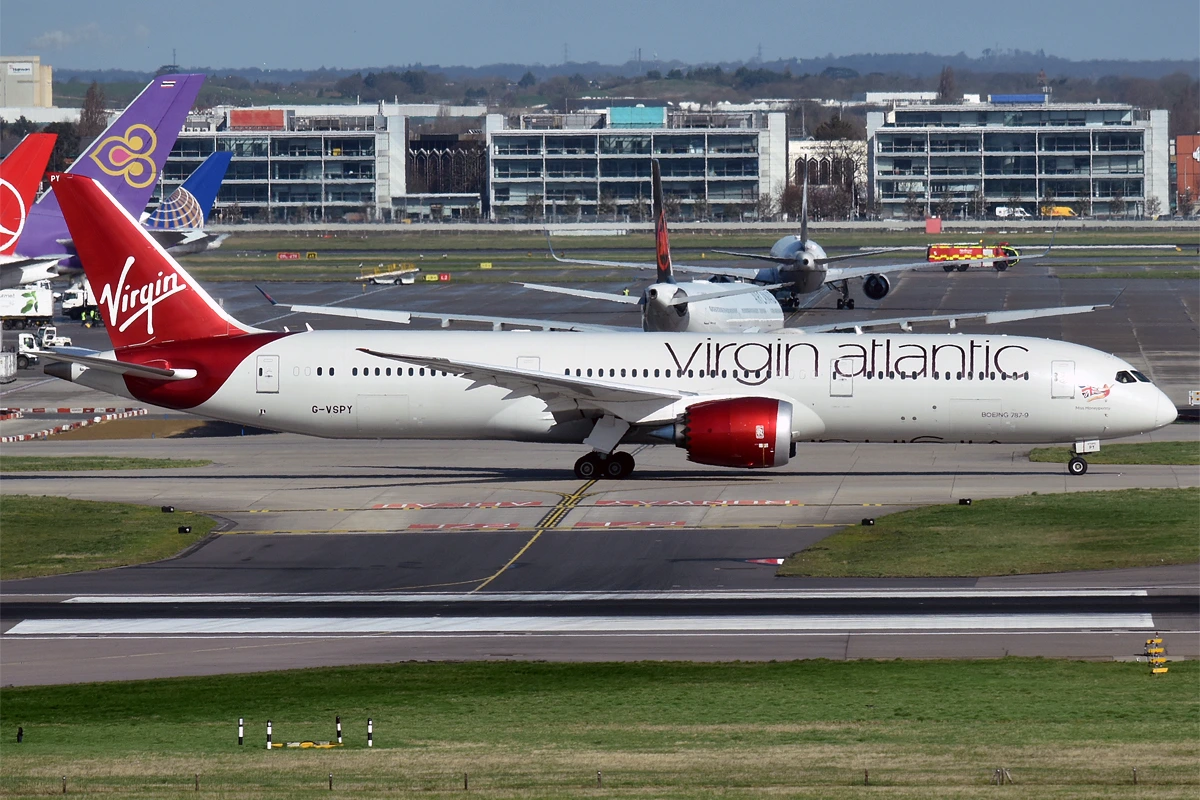
LONDON- Virgin Atlantic (VS) has strongly opposed London Heathrow Airport (LHR) plans to move its joint-venture partner Delta Air Lines (DL) from Terminal 3 to Terminal 4 in 2028. The airline warns that separating their operations could disrupt passenger connections, weaken competition and reduce consumer choice.
The proposed relocation follows Heathrow’s latest terminal occupancy review and has raised concerns about competition with British Airways (BA) and American Airlines (AA). Heathrow says the changes will improve terminal capacity, reduce congestion and accommodate future growth.
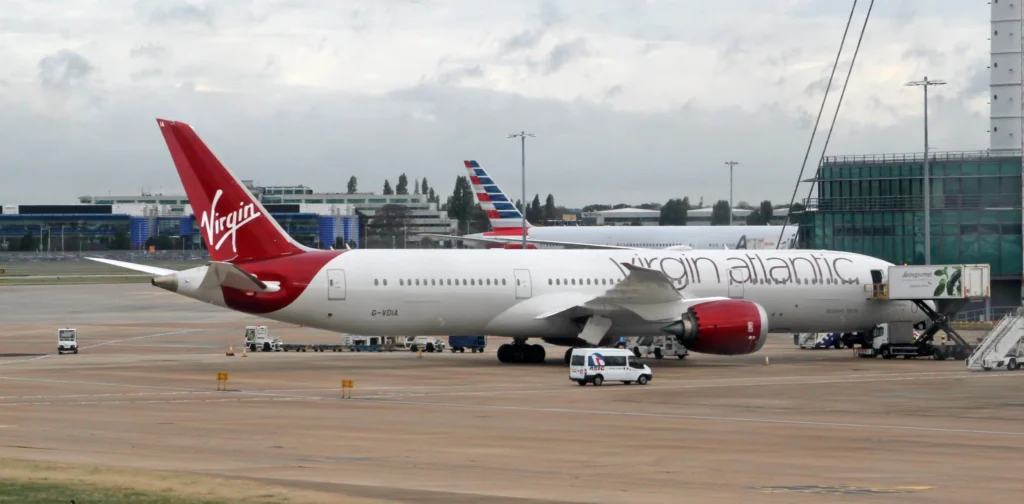
Virgin Atlantic Opposes Heathrow for Delta Relocation
The dispute centres on the close operational relationship between Virgin Atlantic and Delta Air Lines. The two carriers have shared Terminal 3 for more than a decade, allowing them to coordinate passenger services, connections and airport operations as part of their transatlantic joint venture.
Heathrow’s decision would separate the partners at one of Europe’s busiest international airports. Virgin Atlantic would remain at Terminal 3, while Delta would operate from Terminal 4 under the proposed arrangement scheduled for 2028.
Virgin Atlantic Chief Executive Officer Corneel Koster has argued that the change would undermine the commercial advantages of the partnership. He warned that the separation could “create friction for customers, weaken competition and reduce choice.”
Koster also argued that the existing partnership provides important competition against the joint venture between British Airways and American Airlines, particularly on transatlantic routes. Virgin Atlantic believes that weakening its cooperation with Delta could affect the competitive balance between the two airline groups.
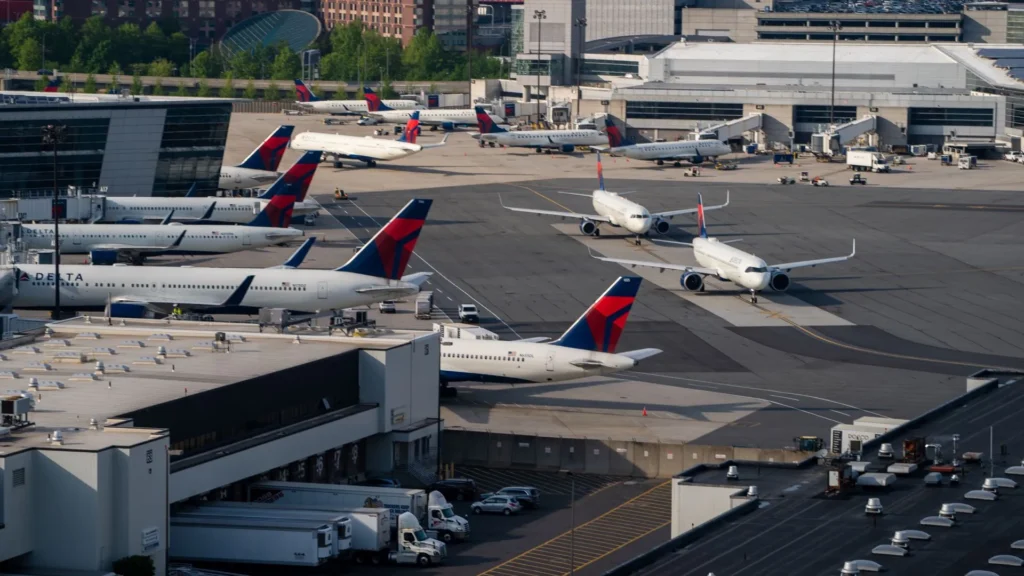
How the Move Could Affect Passengers
Terminal separation could make connecting journeys less convenient for passengers travelling between Delta and Virgin Atlantic flights.
Passengers connecting between the carriers may need to transfer between Terminal 4 and Terminal 3. Depending on the itinerary and airport procedures, this could add transfer time and require additional security screening. The exact passenger arrangements for 2028 have not yet been fully detailed.
The relocation could also affect the convenience of the airlines’ existing airport services. Travellers who currently benefit from coordinated check-in arrangements and access to facilities associated with the partnership may face a different experience after the proposed move.
Terminal 4 already accommodates major SkyTeam members, including Air France (AF) and KLM (KL). Delta would therefore be closer to more of its alliance partners, but farther from Virgin Atlantic’s main Heathrow operation. The arrangement could benefit some connecting itineraries while making others less convenient.
The following table outlines the principal differences under the proposal.
| Area | Current arrangement | Proposed arrangement |
|---|---|---|
| Delta Air Lines | Terminal 3 | Terminal 4 from 2028 |
| Virgin Atlantic | Terminal 3 | Remains at Terminal 3 |
| Delta-Virgin connections | Shared terminal operations | Transfers between terminals may be required |
| SkyTeam connections | Delta operates alongside Virgin | Delta would be closer to Air France and KLM at Terminal 4 |
| Joint-venture coordination | Operations concentrated at Terminal 3 | Airline operations would be split |
Heathrow’s Wider Terminal Reshuffle
The proposed Delta relocation forms part of a broader review of how airlines use Heathrow’s limited terminal capacity. The changes extend beyond Virgin Atlantic and Delta, with other carriers also scheduled to move.
According to reporting by InsideFlyer, the proposed changes include the following relocations.
| Airline | IATA code | Current terminal | Proposed terminal |
|---|---|---|---|
| Delta Air Lines | DL | Terminal 3 | Terminal 4 |
| Finnair | AY | Terminal 3 | Terminal 4 |
| Japan Airlines | JL | Terminal 3 | Terminal 4 |
| China Southern Airlines | CZ | Terminal 4 | Terminal 5 |
| LATAM Airlines | LA | Terminal 3 | Terminal 2 |
The wider plan shows that Heathrow is reviewing terminal assignments across several airlines rather than changing Delta’s location in isolation. However, the proposed separation of Virgin Atlantic and Delta has attracted particular attention because of the airlines’ close commercial relationship.
InsideFlyer reported that the five airlines affected by the changes collectively account for approximately 3.5% of Heathrow’s annual seat capacity. Delta represented the largest share among the carriers being relocated, with the report citing 899,582 seats annually.
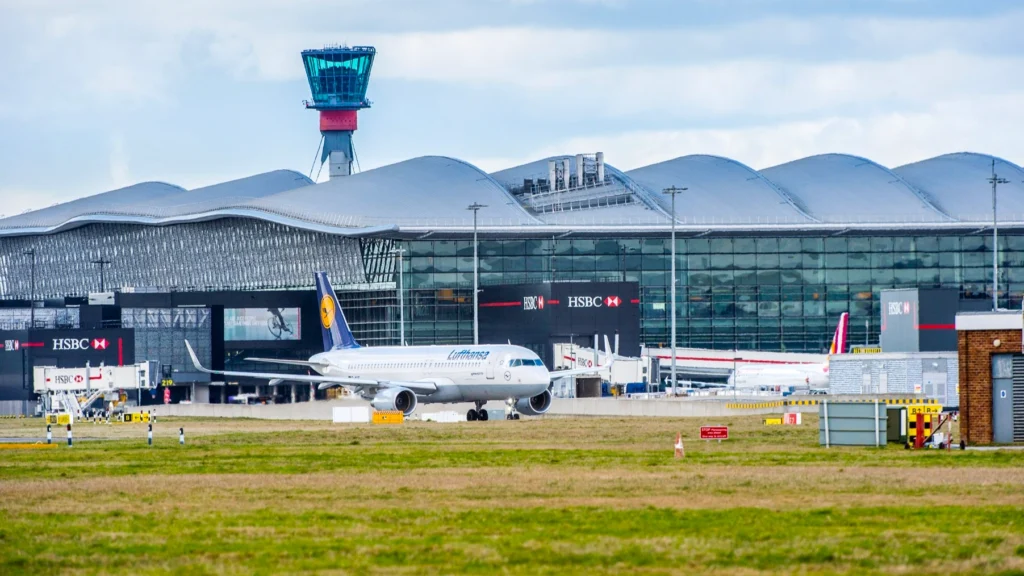
Why Heathrow Is Defending the Decision
Heathrow Airport Limited maintains that the terminal changes will make better use of existing infrastructure and improve the airport’s overall operation.
The airport says growing passenger demand and limited capacity require a more efficient distribution of airlines across terminals. Its stated objectives include reducing congestion, improving passenger flows, strengthening operational resilience and creating additional room for growth.
A Heathrow spokesperson told Sky News that the changes would “reduce congestion” and “improve the flow of passengers through the airport.” The airport also said the changes would help keep passenger costs down.
Heathrow insiders told Sky News that airlines representing 81% of the airport’s passengers supported the proposed reallocation. They also said the selected plan involved the fewest airline moves, the lowest capital expenditure and the fastest implementation among the scenarios considered.
The airport’s position focuses on the needs of the wider operation. Its review considers how terminal space can accommodate airline growth and passenger demand across approximately 80 carriers, rather than preserving every existing airline partnership within the same terminal.
However, operational efficiency and airline connectivity do not always produce the same outcome. A terminal allocation that improves capacity management at airport level could still make particular connecting journeys less convenient.

The Competition Dispute Between Virgin Atlantic and Heathrow
Virgin Atlantic’s main concern is that separating Delta could weaken one of its most important competitive advantages at Heathrow.
The airline’s joint venture with Delta supports coordinated transatlantic services and connections. Virgin Atlantic argues that the arrangement allows the two carriers to compete more effectively with the British Airways-American Airlines partnership, which has a substantial presence at Heathrow.
Koster has warned that separating the airlines’ operations and customer-facing services would undermine their joint business. He has also questioned whether the decision provides a level playing field for UK-based airlines and their international partners.
Virgin Atlantic has raised the possibility that the decision could eventually affect fares and consumer choice. However, any increase in ticket prices remains a concern expressed by the airline, not an established outcome of the terminal change.
The central issue is whether Heathrow’s efficiency gains would outweigh the potential disadvantages for passengers and the competitive position of the Virgin Atlantic-Delta partnership.
Heathrow, meanwhile, argues that its plan was developed after consultation with airline customers and is designed to benefit the airport as a whole. The airport has committed to working with airlines as the changes are implemented.

Can Virgin Atlantic Challenge the Decision?
Virgin Atlantic has made clear that it intends to examine its options rather than accept the planned relocation without a challenge.
Koster said the airline would consider “all available options” in response to the decision. He cited Heathrow’s significant market power and the potential consequences for UK long-haul competition as reasons for examining a challenge.
Possible routes include continued negotiations with Heathrow, efforts to preserve more closely coordinated operations, or seeking legal or regulatory scrutiny. However, Virgin Atlantic has not established that a particular appeal mechanism will succeed, and the available reporting does not confirm that formal legal proceedings have begun.
The airlines and airport could also explore practical measures to limit disruption. These might include improving terminal-transfer arrangements, coordinating connection procedures and clarifying lounge and check-in options for affected passengers. Such measures would address some customer concerns, although they would not preserve the existing shared-terminal arrangement.
With the move scheduled for 2028, the dispute still has time to develop. Further discussions could change the implementation details, but Heathrow has presented the reallocation as part of its wider strategy for managing capacity.
What Happens Next?
The proposed relocation puts Heathrow’s airport-wide planning priorities at odds with Virgin Atlantic’s effort to protect its joint venture with Delta. The airport wants to make better use of constrained infrastructure, while Virgin Atlantic believes the separation could weaken passenger convenience and competition.
The final impact will depend on the arrangements implemented before 2028, including how passengers transfer between terminals and whether the airlines can retain some of the operational benefits of their current partnership.
For now, Heathrow’s proposal remains a significant challenge for Virgin Atlantic and Delta at one of their most important international gateways. The dispute also raises a broader question for major hub airports: how should terminal space be allocated when operational efficiency conflicts with the benefits of keeping airline partners together?
Stay tuned with us. Further, follow us on social media for the latest updates.
Join us on Telegram Group for the Latest Aviation Updates. Subsequently, follow us on Google News
