

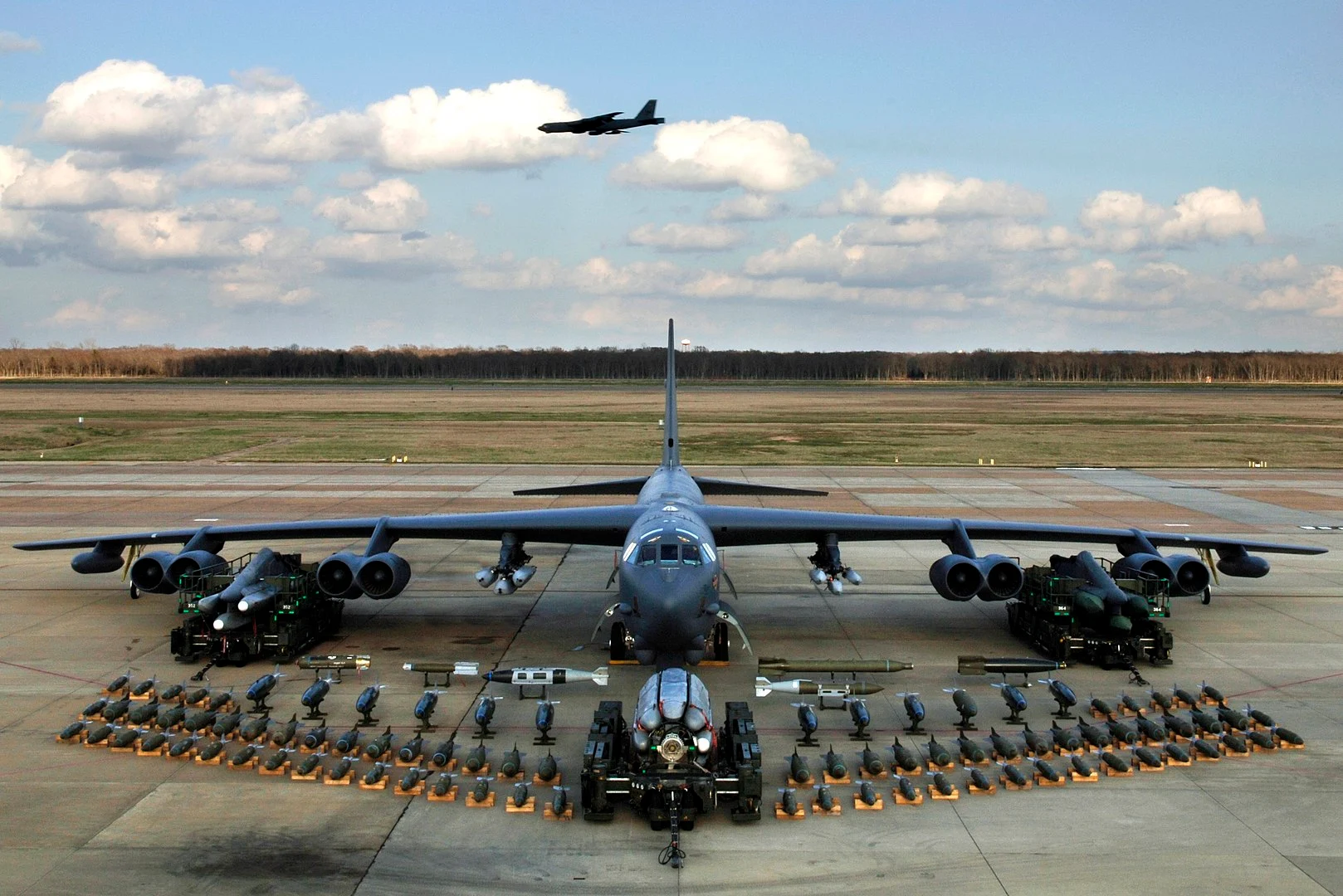
NATIONAL HARBOR, MD— The US Air Force has advanced two major B-52 Stratofortress modernization programs, moving its engine replacement effort into development while authorizing initial production of a new radar system.
The upgrades are designed to extend the bomber’s operational life into the 2050s and support its planned transition from the B-52H to the B-52J.
The Commercial Engine Replacement Program (CERP) entered the Engineering and Manufacturing Development phase after receiving Milestone B approval on June 1, 2026.
The modernization work will involve Boeing at San Antonio International Airport (SAT) in Texas, where two test aircraft are scheduled to receive the new engines and radar systems.
B-52 Engine Upgrade Program Advances
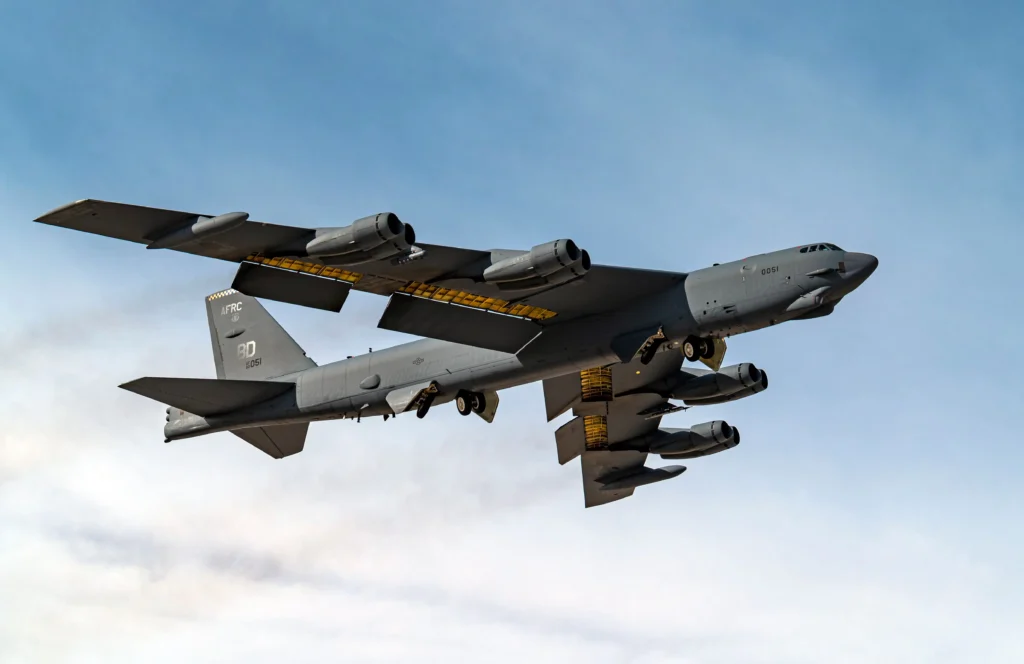
The engine program will replace the B-52’s aging Pratt & Whitney TF33 engines with Rolls-Royce F130 engines. The commercial-derived powerplants are expected to improve reliability while making spare parts and maintenance support easier to manage.
The Air Force established CERP’s total acquisition cost at $20.2 billion, covering research, development, testing, procurement and military construction. Of that amount, $2.6 billion had already been spent since 2018, according to the service.
Engine integration has also passed an important design hurdle. Earlier wind-tunnel testing identified airflow distortion around the engine inlet, prompting engineers to redesign the nacelle and inlet before validating the changes through additional testing.
Boeing and Rolls-Royce completed the program’s Critical Design Review in May 2026, allowing the project to move toward physical aircraft modifications.
The Air Force has also assessed the B-52’s structure and determined that the airframe can support the new engines, additional electrical generation, and continued operations for decades.
B-52 Radar Production Program Advances
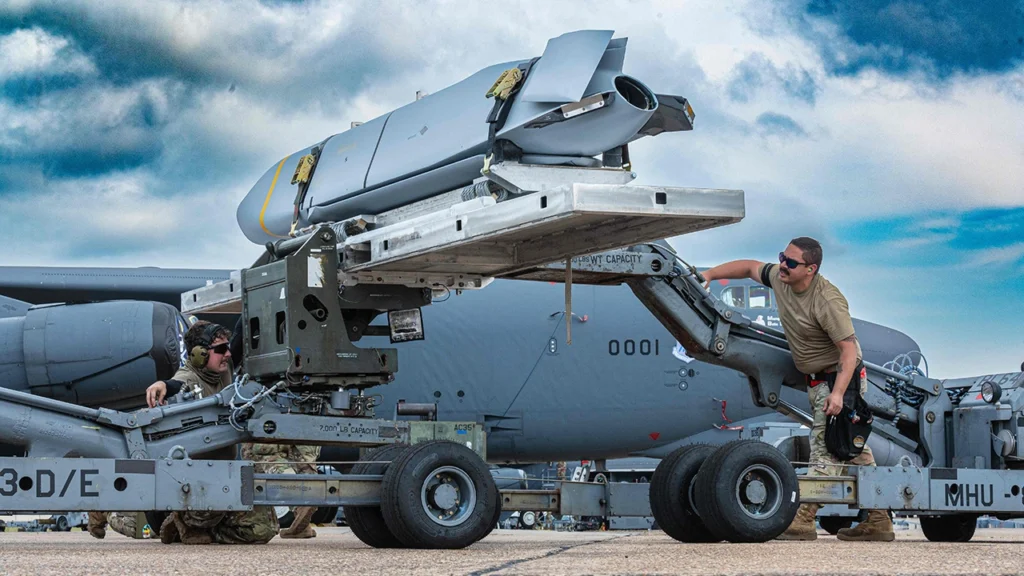
The B-52 Radar Modernization Program reached its own major milestone in August when the Air Force approved Milestone C and authorized Low-Rate Initial Production. The program will replace the older APQ-166 analog radar with the APQ-188 Active Electronically Scanned Array radar.
Raytheon Technologies received a contract worth up to $603 million for the new radar systems, while Boeing received a $163 million contract for aircraft integration kits. The production plan covers five lots and is expected to provide 74 kits for the fleet, ASF Magazines reported.
The new AESA radar is intended to improve navigation, targeting, reliability and all-weather operations. Ground testing and a Production Readiness Review completed earlier in 2026 helped demonstrate that the system was ready to enter initial production.
B-52J Testing Plans Move Forward
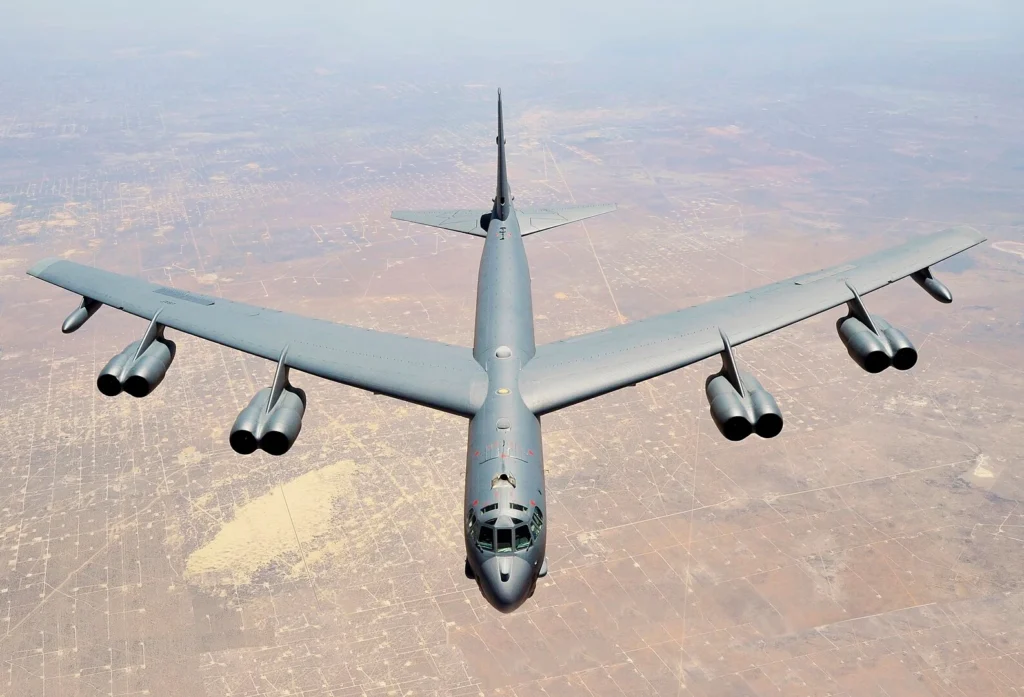
Two B-52 aircraft have been selected for combined engine and radar testing after recently completing depot maintenance.
Although the aircraft are currently supporting operational missions, the Air Force plans to send them to Boeing’s San Antonio facility for modernization in the coming months.
The modified aircraft will later undergo extensive testing to validate the new systems before wider fleet upgrades begin.
The modernization effort also includes improved communications, electrical systems, weapons integration and other technologies intended to keep the B-52 operational well beyond its original service era.
With the engine and radar programs reaching major acquisition milestones in 2026, the Air Force is moving the long-serving bomber closer to its B-52J configuration while balancing modernization work with the fleet’s continuing operational demands.
Stay tuned with us. Further, follow us on social media for the latest updates.
Join us on Telegram Group for the Latest Aviation Updates. Subsequently, follow us on Google News
