

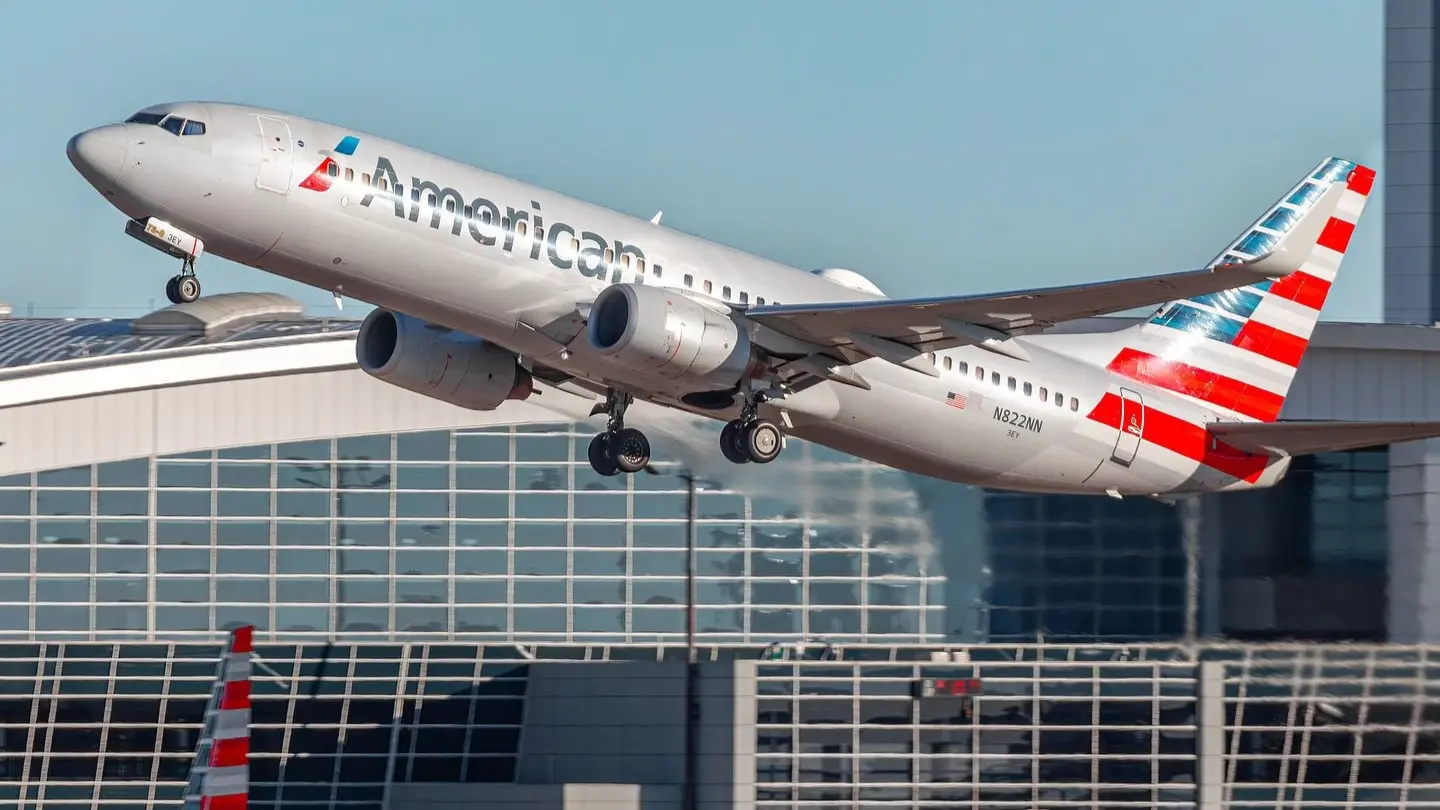
FORT WORTH- An American Airlines (AA) Boeing 737-800 made an emergency return to Chicago O’Hare International Airport (ORD) on Friday afternoon, October 16, 2026, after flight attendants suspected a fire in a rear galley trash can and smoke entered the cabin.
Flight AA618 was bound for Dallas Fort Worth International Airport (DFW). It taxied to the gate, and none of the 180 passengers and crew reported injuries.
Smoke in the Cabin Triggers Mayday Return to Chicago
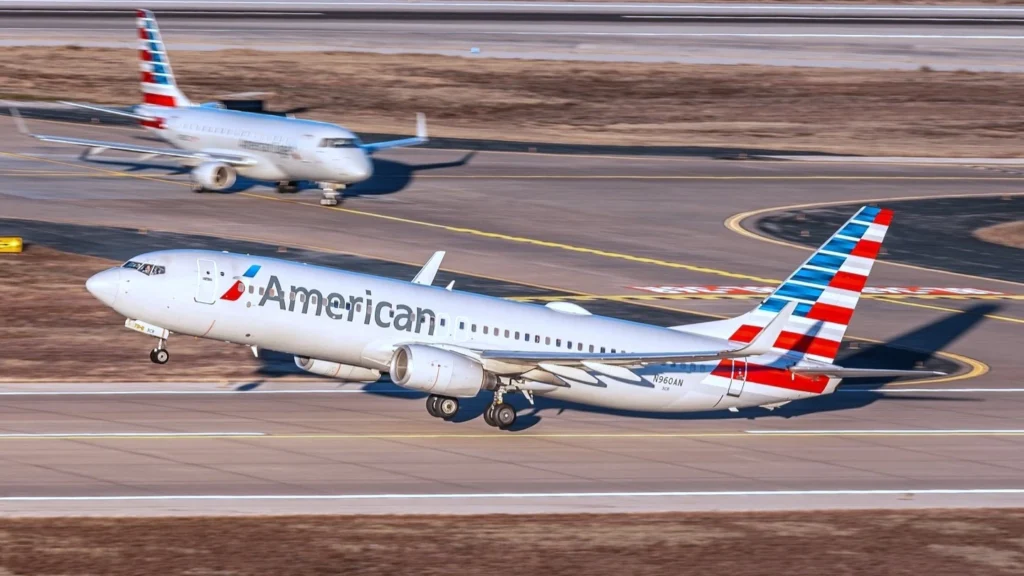
Flight AA618 departed O’Hare at around 12:19 pm on October 16 for what should have been a routine two-hour flight to Dallas Fort Worth. Minutes after takeoff, with the aircraft still in its initial climb, the pilots declared a “Mayday” emergency.
Air traffic control was giving the pilots new instructions for their climb out of O’Hare when one pilot reported: “Mayday, Mayday, Mayday… American 618, fire in the cabin.”
Flight details
- Operator: American Airlines
- Aircraft type: Boeing 737-800
- Registration: N974AN
- Flight number: AA618
- Route: Chicago O’Hare to Dallas Fort Worth
- Date: Friday, October 16, 2026
The pilots requested an immediate return to O’Hare. Air traffic control scrambled to facilitate the return and organised Airport Rescue and Fire (ARF) vehicles to meet the aircraft on arrival. Airport operations were briefly halted after the aircraft returned.
Once on the ground, the pilots decided it was safe to taxi to the gate, with fire trucks following close behind. In radio communication with ground controllers, the pilots explained that flight attendants saw smoke coming out of a trash can in the rear galley. The aircraft reached the gate without further incident, and no injuries were reported.
The aircraft was taken out of service for the rest of Friday. American Airlines found a replacement aircraft to take the passengers to Dallas, with a delay of around four hours. According to PYOK, American Airlines did not respond to a request for comment.
Reason For The Smoke
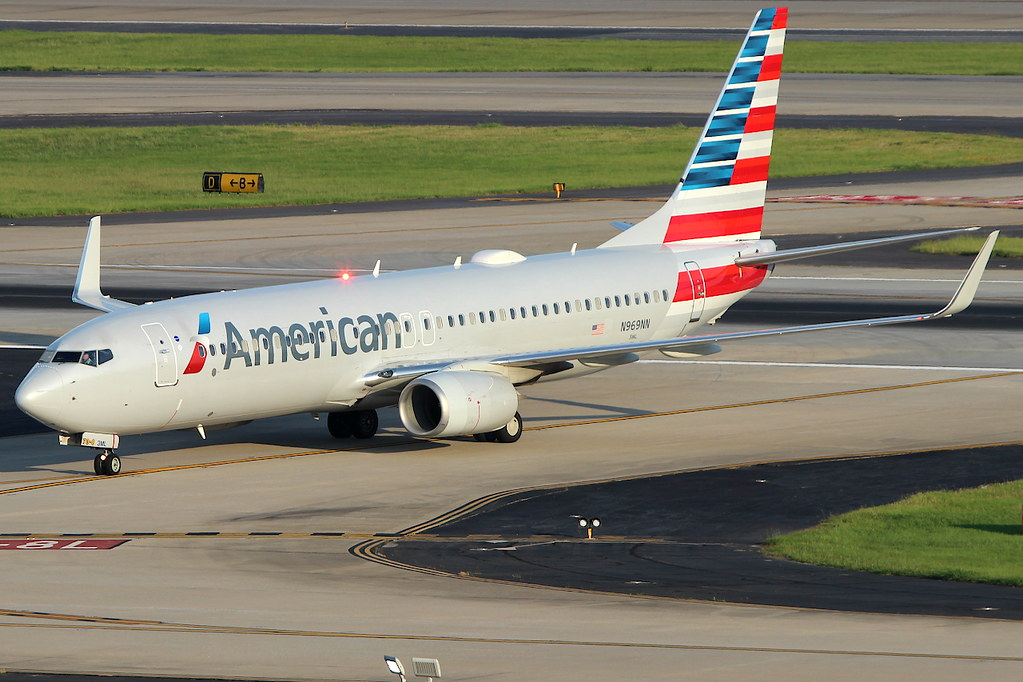
The cause of the smoke was not immediately clear. Initial reports suggested the smoke and potential fire were in the rear bathroom trash can, which would point to someone smoking in the bathroom and trying to dispose of a cigarette in the waste.
The scenario is rare but not unheard of. Every lavatory trash can on a commercial jet has a built-in, heat-activated fire extinguisher to tackle a blaze caused by a discarded cigarette butt.
Smoke from a trash can in the rear galley is a lot stranger. It suggests something electrical may have overheated there, although neither cause has been confirmed.
A concealed fire, or smoke seeping into the cabin from an unknown source, is one of the biggest threats pilots and flight attendants can face. When the source of the smoke cannot be found, crews must assume a concealed fire is quickly taking hold.
The priority is to get the aircraft on the ground as quickly as possible and be ready to start an emergency evacuation using the inflatable slides. A delay in this type of situation has led to tragic consequences in the past.
Saudia Flight 163 and the Cost of Delay
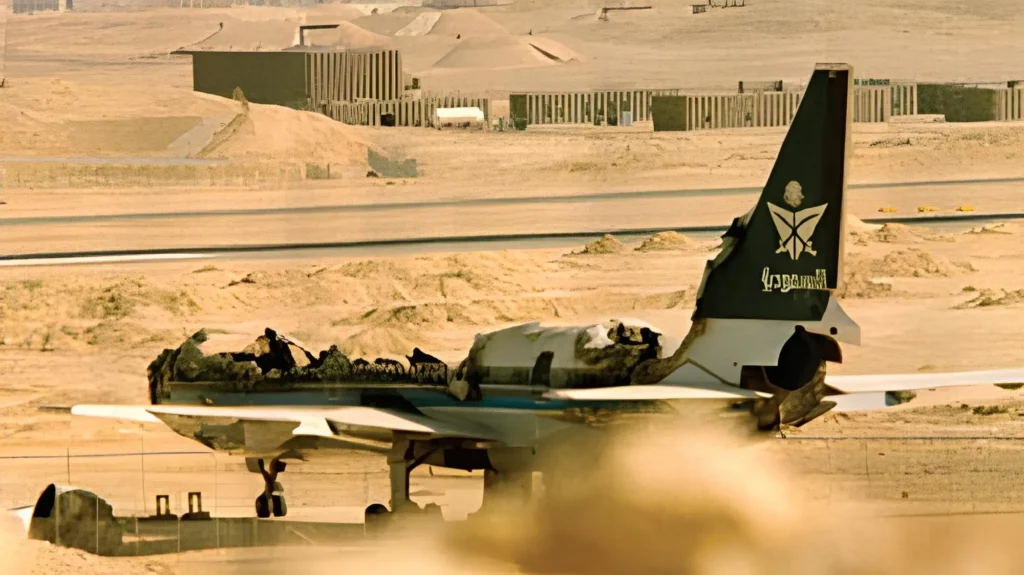
On August 19, 1980, Saudia Flight 163, a Lockheed L-1011 TriStar, took off from Riyadh. Seven minutes later, a warning indicated smoke in the aft cargo compartment.
The crew spent five minutes and 20 seconds confirming the first fire warning before the captain decided to return to Riyadh. The aircraft landed about 28 minutes after takeoff and stopped on a taxiway.
The crew told the tower they were shutting down the engines and evacuating, but the engines kept running for another three minutes and 15 seconds. That delay kept rescue crews from reaching the aircraft.
The FAA notes that running the engines after stopping may have prevented the flight attendants from starting an evacuation on their own.
Rescuers did not open the R2 door until 26 minutes after the aircraft stopped. Three minutes later, flames were seen moving forward from the rear of the cabin. All 301 people on board died in the deadliest aviation accident in Saudi Arabia’s history. Reports state the victims died of smoke inhalation rather than burns.
Investigators cited the captain’s failure to properly use his flight crew during the emergency. Saudia later revised its training procedures, and Lockheed removed insulation from the rear cargo area and added glass laminate for reinforcement.
Stay tuned with us. Further, follow us on social media for the latest updates.
Join us on Telegram Group for the Latest Aviation Updates. Subsequently, follow us on Google News
