

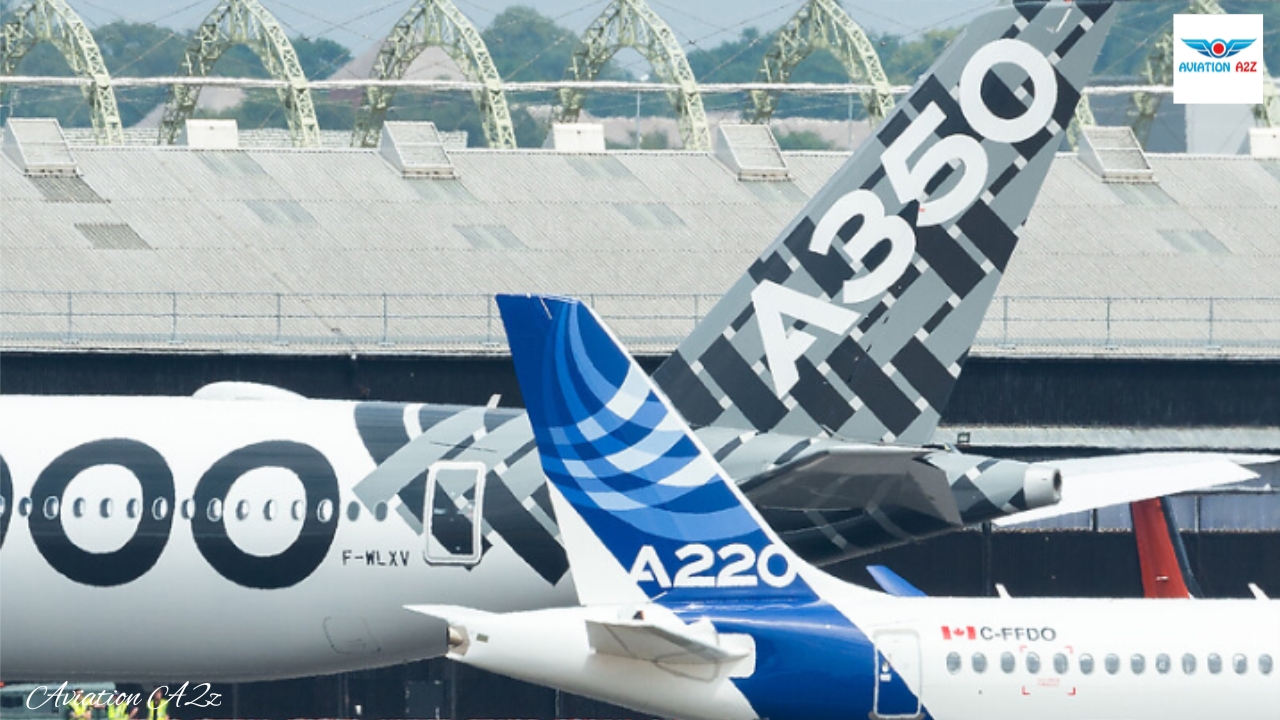
TOULOUSE- Airbus Commercial Aircraft CEO Lars Wagner expects the manufacturer to decide before 2030 whether to develop stretched versions of the A220 and A350 families. He made the announcement during a media briefing at Airbus headquarters in Toulouse, France, on October 14, as the company presented its 2026-2045 Global Services Forecast.
The potential A220-500 and A350-2000 remain unapproved concepts. Emirates (EK), based at Dubai International Airport (DXB), has been among the airlines calling for larger aircraft following the end of Airbus A380 and Boeing 747 production.
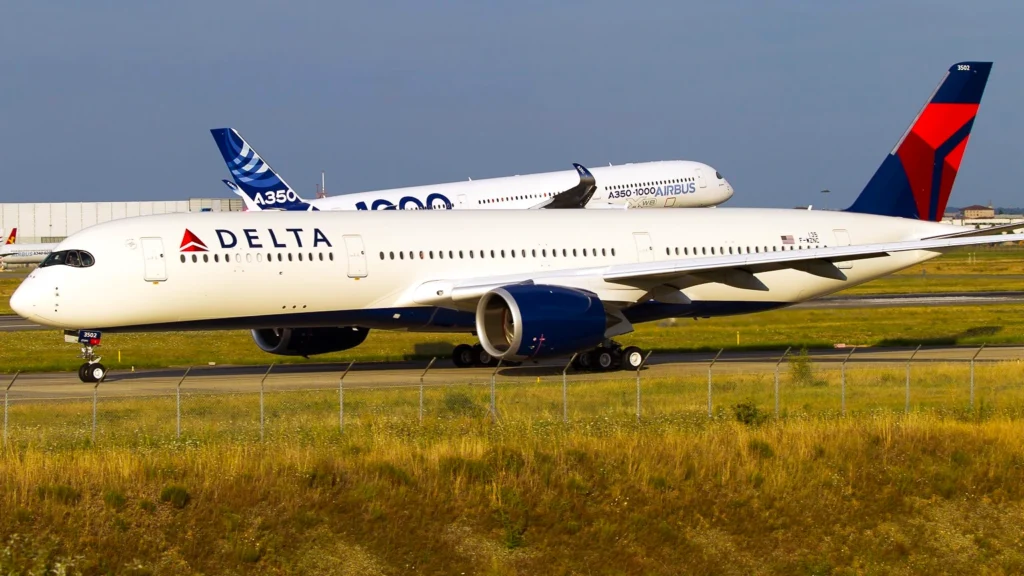
Airbus Sets Pre-2030 Target
Wagner discussed the potential aircraft extensions alongside questions about future propulsion options and the future of the A380 fleet still in service.
Wagner said airline CEOs were asking Airbus for a longer A350, reflecting demand among its high-tier customers. He also acknowledged interest in a stretched A220.
Wagner indicated that Airbus did not intend to wait until the end of a five-year planning period to make its decision. The manufacturer will proceed when the business case supports the investment and the company is ready to seek board approval.
The timeline refers to a decision, not a confirmed aircraft launch. Airbus has not announced formal approval, development schedules or entry-into-service dates for either proposed variant.
The two decisions could also take place separately because the aircraft serve different market segments and involve different engineering and manufacturing requirements.
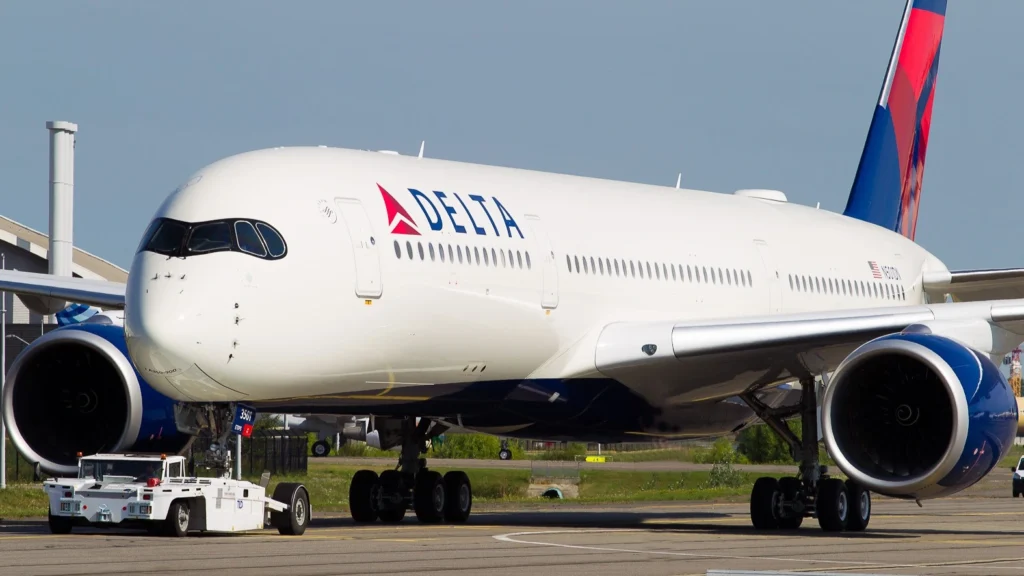
A350 Stretch Attracts Interest
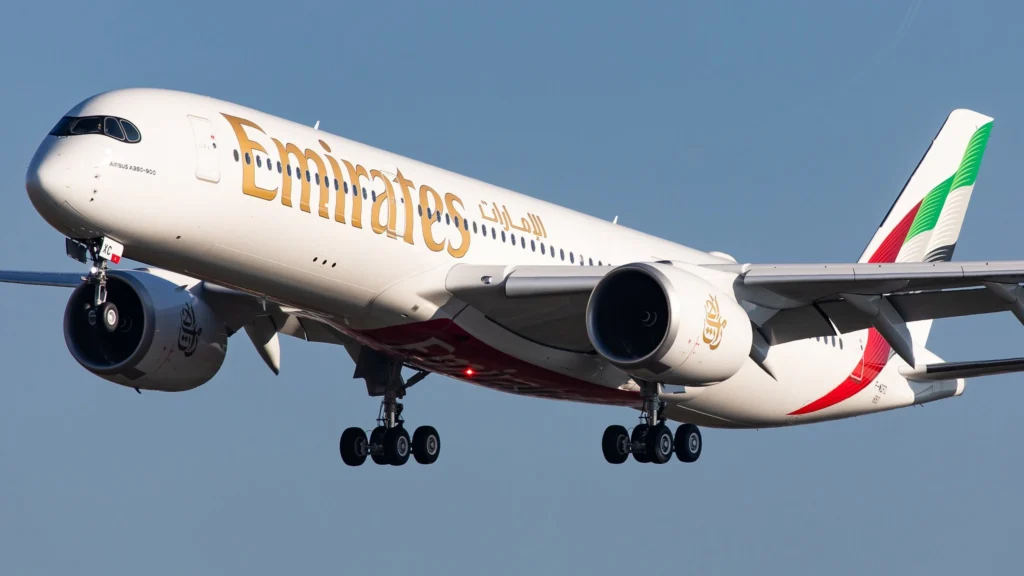
A potential A350-2000 would extend the fuselage of Airbus’s existing widebody family, allowing airlines to accommodate more passengers on long-haul routes. The name is commonly used when discussing the concept, but Airbus has not officially launched an aircraft under that designation.
The existing A350-1000 is Airbus’s largest passenger A350 variant. A larger aircraft could appeal to carriers seeking higher capacity for busy international routes, particularly as four-engine aircraft such as the A380 and 747 are no longer in production.
At the 2025 Dubai Airshow, Wagner’s predecessor, Christian Scherer, said Airbus was exploring options for a larger A350. The latest comments suggest that the manufacturer continues to examine the opportunity.
However, a longer fuselage would require careful assessment of passenger capacity, aircraft performance, propulsion requirements and operating economics. Airbus would need to establish that the additional capacity justifies the cost and complexity of developing a larger aircraft.
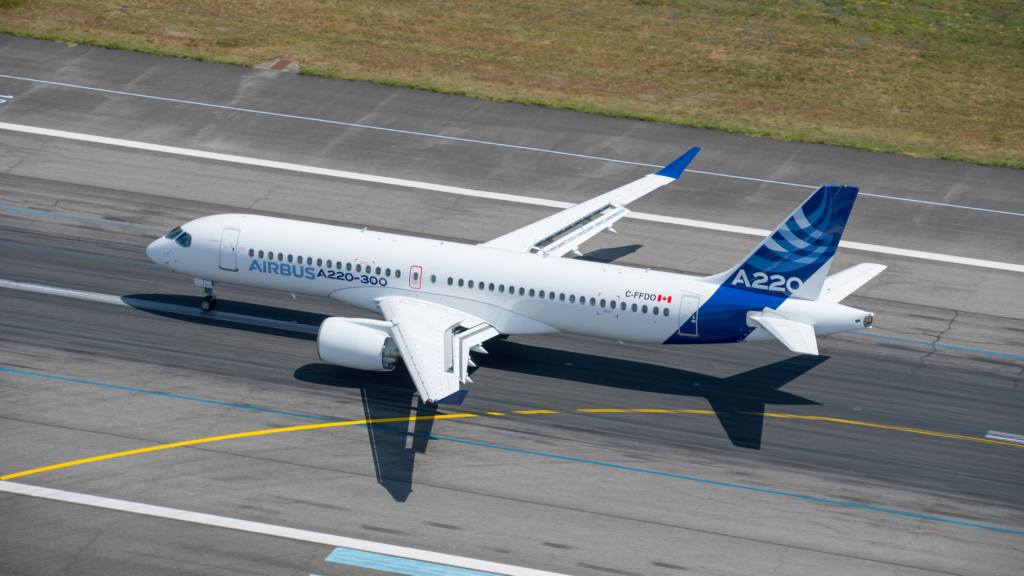
A220 Stretch Studies Accelerate
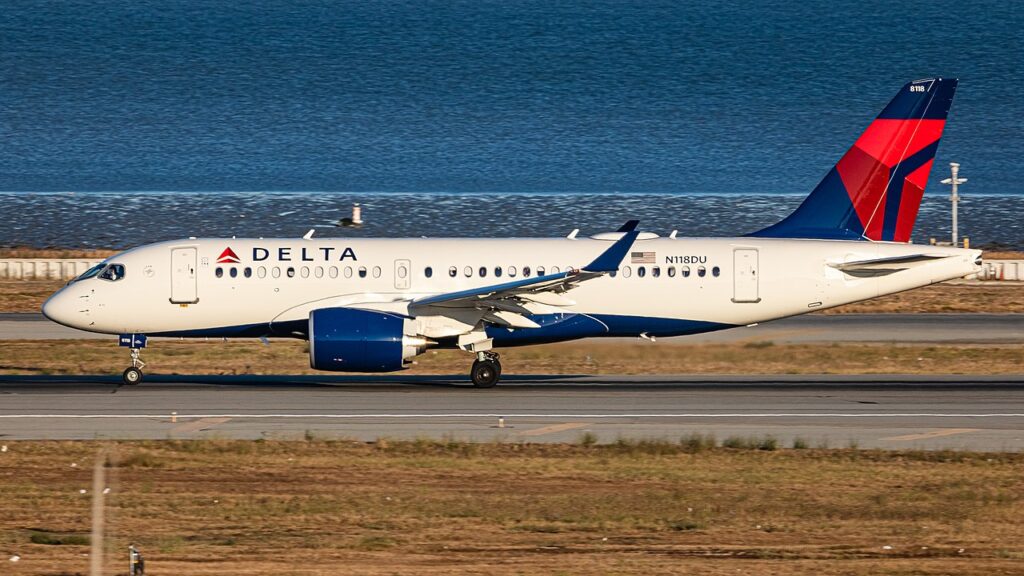
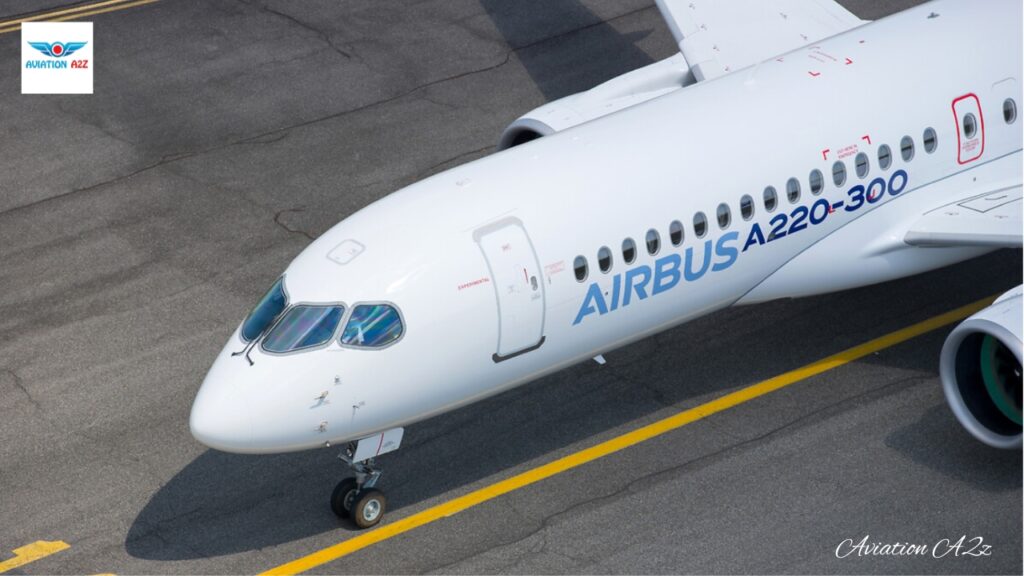
The proposed A220-500 would extend the A220 family to serve airlines seeking additional seating capacity in the single-aisle market. Airbus has not formally launched the aircraft, but its management has acknowledged growing interest in the concept.
In June 2026, Airbus Canada CEO Guillaume Chevasson said the company had accelerated its studies of a stretched A220. During a visit to Airbus’s Mirabel facility, he indicated that engineering teams were working internally on the concept and that the manufacturer wanted to be ready to make a decision.
The comments suggest that the A220 stretch is undergoing active evaluation. However, the company must still consider development costs, aircraft performance, and how the proposed variant would fit within its existing product range.
A longer A220 could give operators another capacity option without requiring them to move immediately to a larger aircraft family. Its commercial appeal would depend on whether the additional seats can be delivered without compromising the performance and economics airlines expect.

Engine Development Could Delay A350
Engine development is a major consideration for the proposed A350 stretch. The A350-1000 uses Rolls-Royce Trent XWB-97 engines, and the A350F freighter uses the same engine type.
A larger passenger A350 would require a new engine, according to the reported development assessment. Rolls-Royce has previously indicated that engine development for a stretched version could take up to seven years.
That requirement could influence the aircraft’s overall timeline even if Airbus makes a decision before 2030. Engine development, aircraft integration, certification and production preparation would all need to progress before the new variant could enter commercial service.
The A350F programme illustrates the time required to develop and test an aircraft derivative. Airbus announced the freighter in 2021, and its first test aircraft, MSN700, completed its maiden flight on September 29, 2026.
The aircraft began a planned flight-testing campaign of approximately 400 hours. Airbus’s official first-flight announcement confirms the maiden flight and the start of a testing campaign lasting more than nine months.
The A350F does not provide a direct timetable for a stretched passenger A350, since the two variants have different development requirements. It does, however, demonstrate why an aircraft programme needs substantial engineering, testing and certification work before entering service.
Production Capacity Remains Critical
Airbus must also consider the order backlog for the existing A350 family. The backlog extends into the 2030s, according to the reported assessment, meaning the manufacturer must balance current customer commitments against the potential introduction of a larger aircraft.
Before adding a stretched A350 to the production system, Airbus would need to assess how much additional capacity it could provide and whether its suppliers and manufacturing facilities could support the programme.
The decision is therefore not limited to customer demand. Airbus must weigh the cost of development, engine availability, production resources and the expected returns from selling the larger aircraft.
The A220 stretch would also require manufacturing and commercial planning, although the engineering and propulsion challenges would differ from those associated with a larger A350.
A220 Could Progress First
The A220-500 could move ahead of the A350-2000, but Airbus has not confirmed the order in which the two projects will be decided or developed.
The A220 stretch targets demand for more seats in the single-aisle market. The A350 stretch would address airlines seeking greater capacity on long-haul routes.
The proposed A350-2000 faces additional challenges because of the potential need for a new engine and increased widebody production capacity. These factors could make its development more complex and extend the time required to bring it into service.
Airbus will assess each concept on its own business case. Strong airline interest is an important factor, but it does not guarantee formal approval.
What Happens Next?
Airbus expects to decide before 2030 whether to proceed with stretched versions of the A220 and A350. The manufacturer has acknowledged customer demand but has not announced a formal launch of either aircraft.
The next steps will depend on the results of engineering studies, the financial case for development, engine availability and the ability to increase production capacity. The A220 stretch could progress first, although that remains an assessment rather than an Airbus commitment.
The decisions will determine whether the proposed A220-500 and A350-2000 move from evaluation into formal development.
Stay tuned with us. Further, follow us on social media for the latest updates.
Join us on Telegram Group for the Latest Aviation Updates. Subsequently, follow us on Google News
