

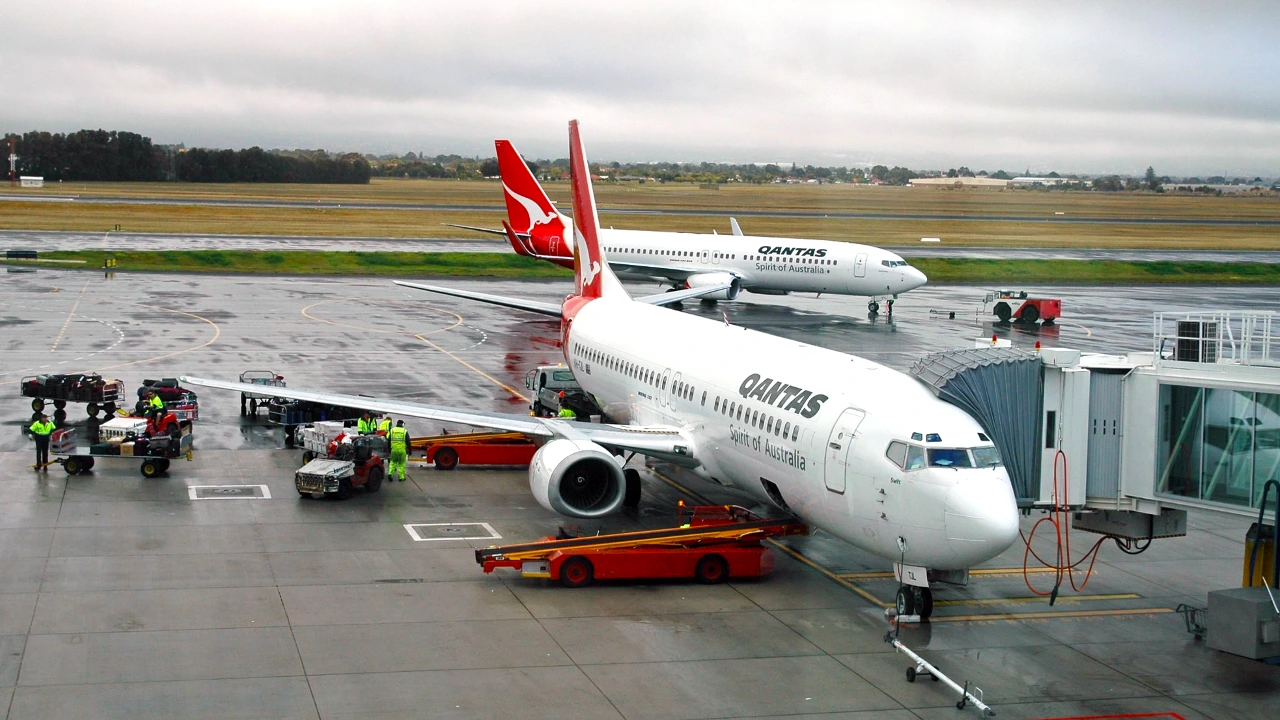
CANBERRA- Qantas (QF) is moving ahead with a major domestic fleet renewal after agreeing to sell 44 Boeing 737 Next Generation aircraft to British aviation aftermarket specialist AerFin. The transaction, announced on November 4, 2026, includes 88 CFM56-7B engines and will allow the Australian airline to progressively retire older aircraft as replacements enter service across its network.
The agreement covers aircraft transfers over seven years rather than an immediate withdrawal from operations. Qantas expects to receive up to 24 new aircraft in 2026, including Airbus A321XLRs, A220s and its first Airbus A350-1000ULR for the Project Sunrise programme, as it works towards replacing much of its ageing narrowbody fleet.
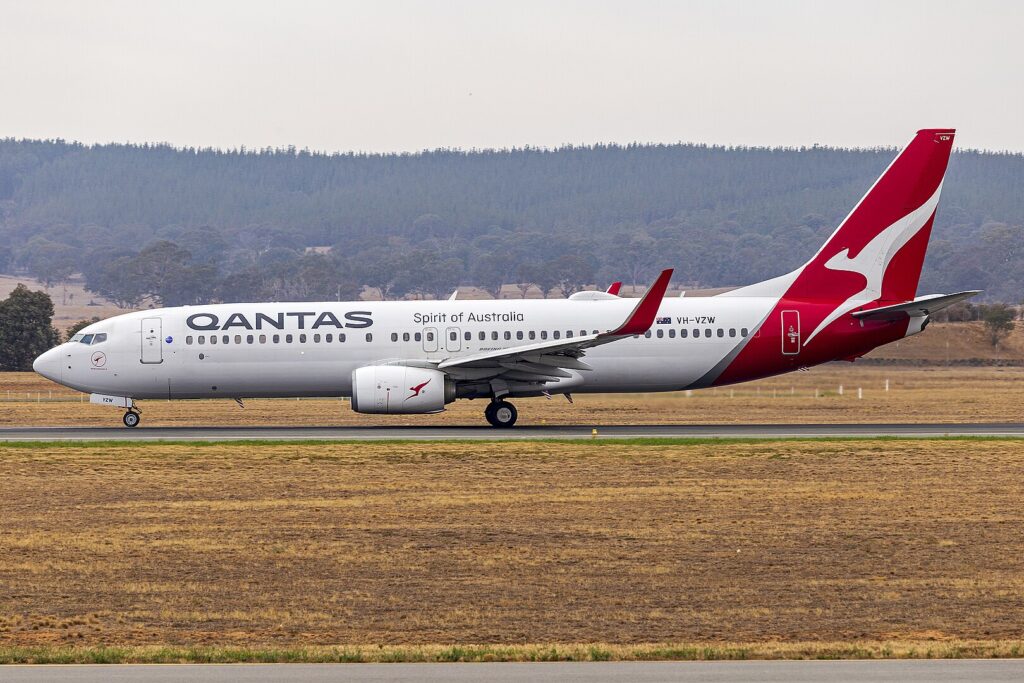
Qantas Sells 44 Aircraft
The transaction represents the largest deal in AerFin’s history and gives the British company access to 44 Boeing 737NG aircraft and their associated engines. The companies have not disclosed the financial value of the agreement, while AerFin expects to receive the first aircraft before the end of 2026.
The remaining aircraft will transfer progressively over the next seven years. This arrangement gives Qantas flexibility to determine when individual aircraft leave its fleet, depending on replacement deliveries and operational requirements.
Qantas introduced its first Boeing 737-800 in 2002, making some aircraft in the fleet almost 25 years old.
The airline has relied on the type as the backbone of its domestic operations, although newer aircraft are gradually taking over routes previously operated by the older jets.
Qantas Domestic chief executive Markus Svensson said the Boeing 737s would continue flying for several years alongside the airline’s growing next-generation fleet. He added that the agreement would help the carrier plan the retirement of most of its 737 aircraft while retaining flexibility over the timing.
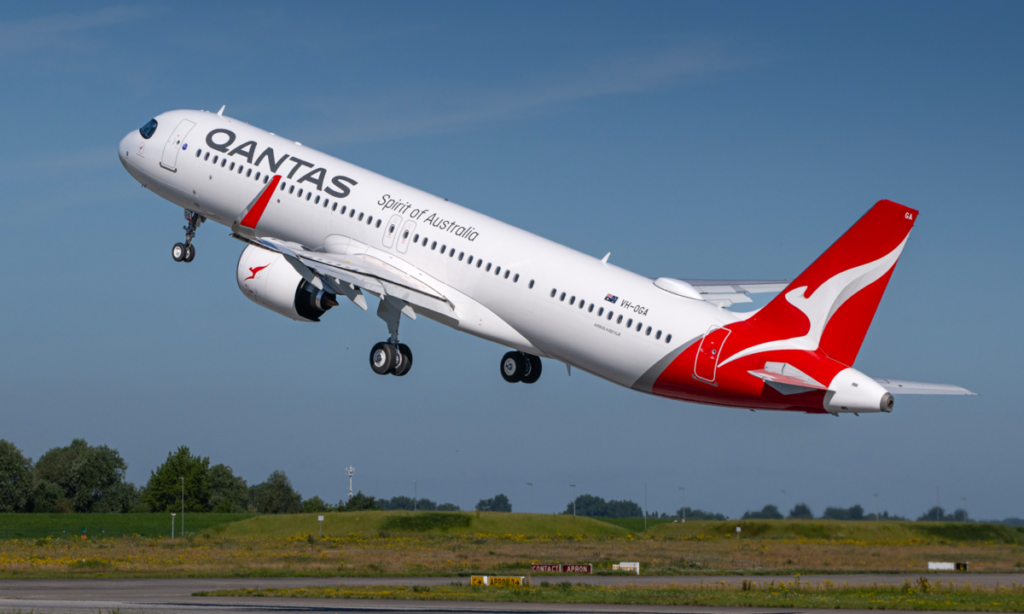
Airbus Replacements Arrive for Qantas
The Boeing 737 retirement programme forms part of Qantas’ broader fleet investment strategy, which includes new Airbus narrowbody aircraft.
The airline began receiving Airbus A321XLR aircraft in 2025, with seven delivered so far, while its QantasLink operation has received 15 Airbus A220s.
The A321XLR is expected to become an important aircraft for domestic and shorter international services, while the A220 will support the renewal of QantasLink’s regional and domestic operations. Both aircraft offer improved fuel efficiency compared with the older-generation aircraft they replace.
Qantas has 41 additional A321XLRs and 14 A220s on firm order, providing a substantial pipeline of replacement capacity, AFR reported.
The airline is also refurbishing selected Boeing 737s with updated interiors and in-flight entertainment systems to improve consistency between older and newer aircraft.
The next stage of fleet renewal will also involve the Airbus A350-1000ULR, which will operate the airline’s planned Project Sunrise nonstop flights between Australia and major international destinations.
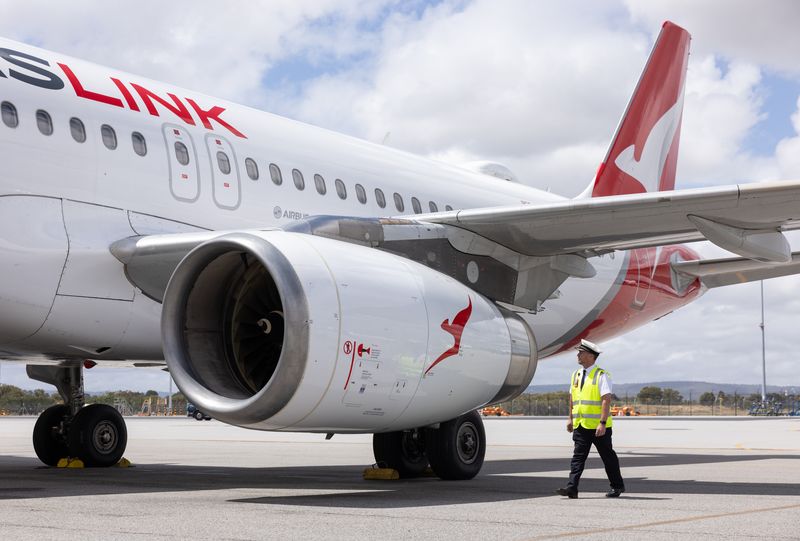
Qantas’ Deliveries and Costs
Qantas expects to take delivery of up to 24 aircraft during 2026, although the timing of individual arrivals remains important to its retirement plans. Its latest fleet strategy also reflects the need to balance aircraft investment against operating costs and changing market conditions.
New-generation aircraft offer lower fuel consumption per seat, helping airlines manage expenses as aviation fuel prices remain volatile.
The replacement programme is particularly important for Qantas as it adjusts domestic capacity in response to weaker corporate travel demand outside mining-related markets.
The airline and Virgin Australia have both reduced domestic capacity amid higher costs and softer demand from some business-travel segments.
Qantas must therefore manage incoming aircraft carefully to avoid adding capacity faster than market conditions justify.
The AerFin agreement provides a structured exit route for older Boeing 737s while allowing Qantas to retain operational capacity during the transition. As new Airbus aircraft arrive, the Australian carrier can gradually reduce its reliance on ageing aircraft and improve the efficiency of its domestic fleet.
Stay tuned with us. Further, follow us on social media for the latest updates.
Join us on Telegram Group for the Latest Aviation Updates. Subsequently, follow us on Google News
