

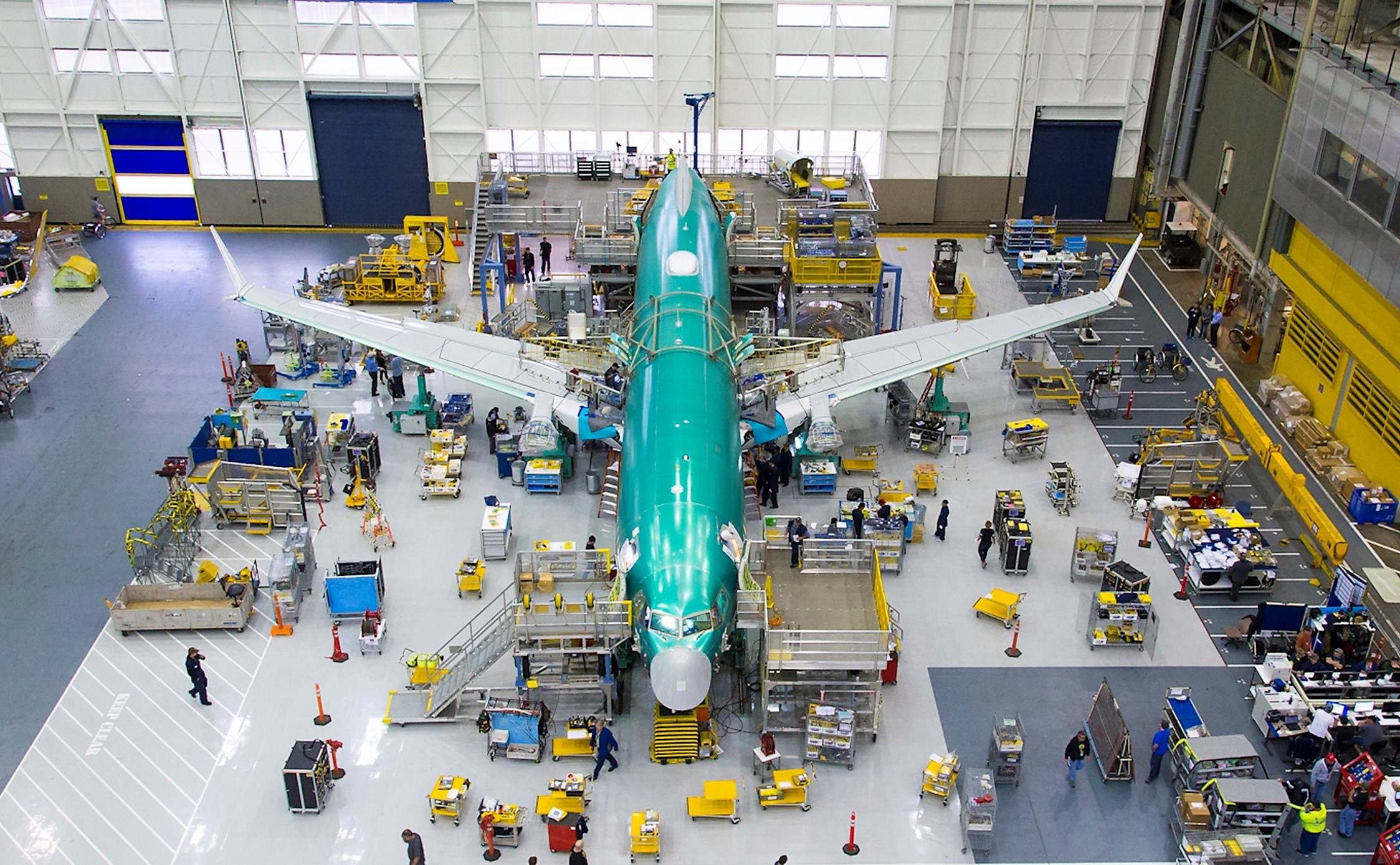
ARLINGTON- All Nippon Airways (NH) is scheduled to begin receiving Boeing 737-8 aircraft in October 2026. The deliveries mark Boeing’s first supply of 737 MAX aircraft to ANA and follow closer cooperation between the airline and manufacturer on aircraft quality checks.
Skymark Airlines (BC) received Japan’s first Boeing 737-8 in April 2026, with the aircraft arriving at Tokyo Haneda Airport (HND) on May 4. Japan Airlines (JL) has ordered 38 aircraft of the same model, with deliveries planned during fiscal 2026 and passenger operations expected to begin in fiscal 2027./
ANA’s Inspections Support Boeing’s Quality Improvements
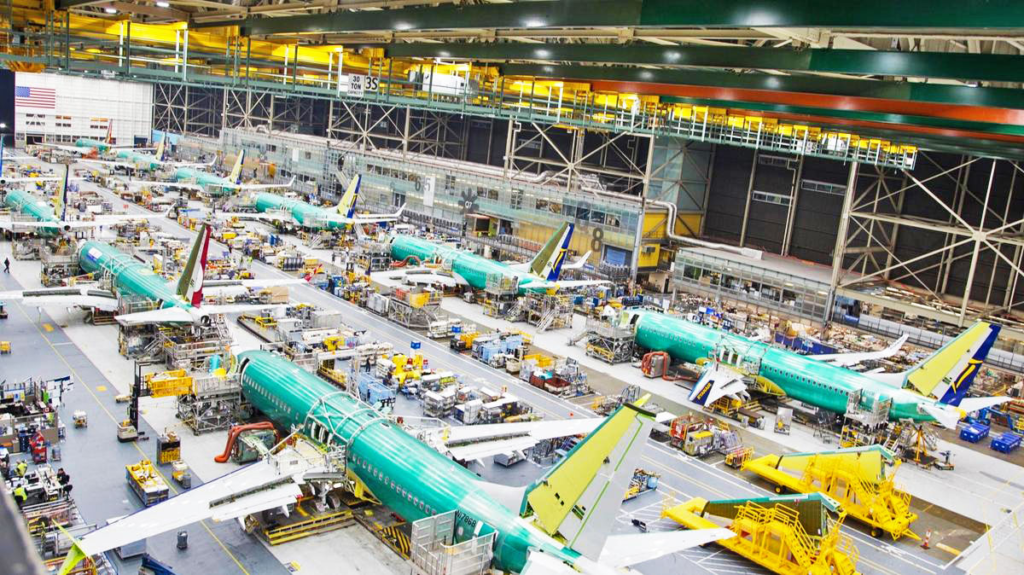
ANA is working directly with Boeing to verify that its new aircraft meet the airline’s technical and operational requirements before delivery.
The airline plans to send inspectors to Boeing’s 737 MAX production facility in Renton, Washington, about three months before each aircraft is scheduled for handover.
Although airlines commonly conduct pre-delivery inspections, not every carrier stations its own personnel at a manufacturer’s factory. ANA’s approach gives its specialists direct access to the production process and allows them to identify potential quality issues before the aircraft enters service.
Nikkei Asia reported that ANA had 319 inspectors across the company as of October 1, 2025, including three stationed at Boeing’s Renton facility. The reporting also described ANA’s plan to deploy up to 42 Boeing 737-8 aircraft.
Boeing’s public announcement in 2022 documented an order for 20 aircraft with options for 10 more, so the 42-aircraft figure should be understood as a broader reported fleet plan rather than the number in that announcement.
ANA inspectors examine aircraft against the airline’s specifications and verify the quality of completed work. One inspector explained the approach: “I physically go to the manufacturing site myself and verify with my own eyes that the aircraft are being built to specifications.”
The inspection process continues after delivery. ANA’s teams monitor aircraft in operation and report quality concerns to Boeing. This feedback can help the manufacturer investigate defects, improve production procedures and consider design changes when necessary.
Boeing Strengthens Manufacturing Controls
The Boeing 737 MAX program has faced significant safety scrutiny since two fatal crashes in 2018 and 2019 killed 346 people.
Investigations linked the accidents to technical and operational failures that led regulators to ground the aircraft worldwide while Boeing modified the aircraft and addressed safety concerns.
Further concerns emerged in January 2024 when a door plug detached from a Boeing 737-9 operated by Alaska Airlines (AS) during a flight. Investigators found that four bolts required to secure the door plug were missing.
The National Transportation Safety Board later identified inadequate employee training, guidance and oversight as key factors in the incident.
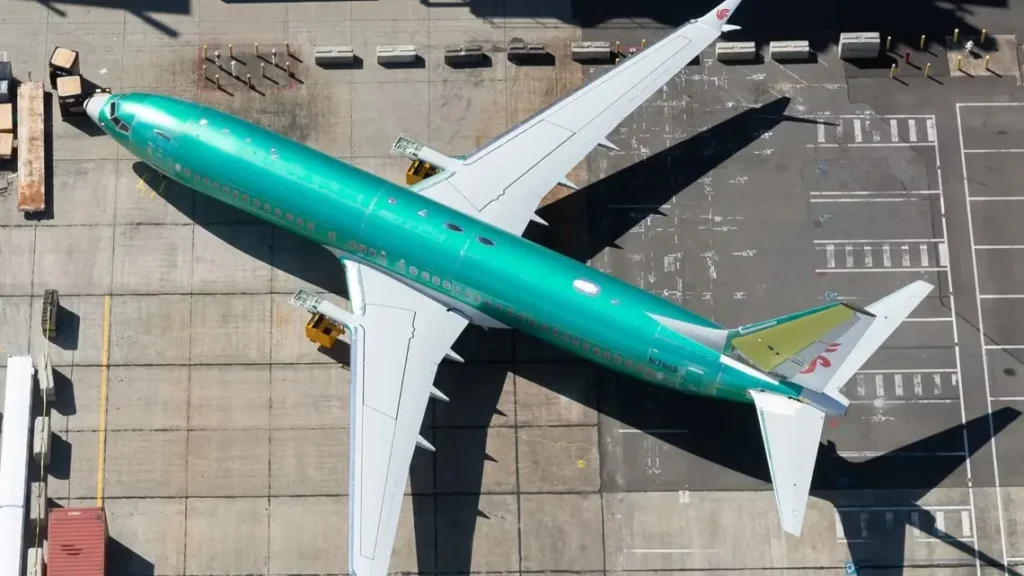
Following the incident, Boeing slowed production and introduced additional measures to strengthen quality controls. The company expanded employee training, reviewed assembly procedures and simplified aspects of production and component management.
The US Federal Aviation Administration (FAA) also restricted Boeing’s production rate while the manufacturer worked to address quality concerns.
In October 2025, the FAA and Boeing agreed to increase the permitted 737 production rate from 38 to 42 aircraft per month following a review of production performance indicators.
In July 2026, the FAA allowed Boeing to resume issuing airworthiness certificates for all newly produced 737 MAX and 787 aircraft after eight months of data showed consistent production quality.
The decision returned certificate-issuing responsibility to Boeing under continued FAA oversight. It did not remove the regulator’s wider safety and compliance responsibilities.
Employee Training and Continuous Improvement at Renton
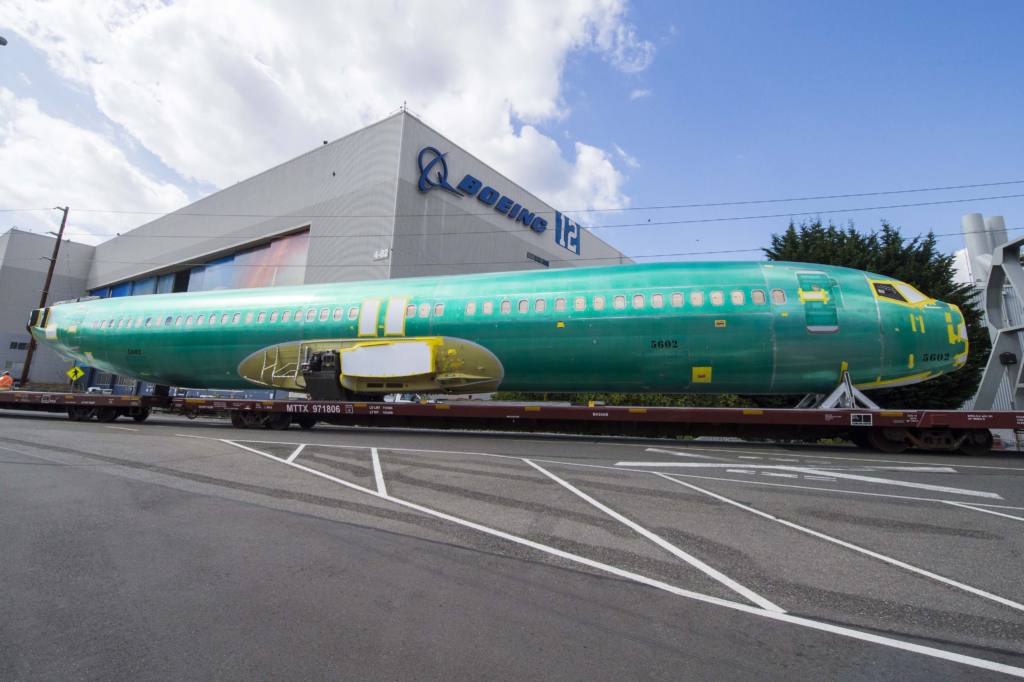
Boeing has strengthened employee training and practical assessments at its Renton production facility. During a factory visit, workers trained on modified aircraft and completed tests to demonstrate their skills. These exercises aim to reinforce correct assembly procedures and help employees identify potential defects before aircraft leave the factory.
The manufacturer has also adopted elements of kaizen, a continuous-improvement approach associated with Toyota’s production system. The method encourages workers to identify problems, review existing processes and make incremental improvements to quality and efficiency.
These changes place greater emphasis on consistent work practices and early identification of assembly problems. Boeing is also simplifying some production processes and improving component management to reduce the risk of errors.
The measures are particularly relevant to aircraft assembly, where a missed installation step or an incomplete inspection can affect the safety and reliability of a finished aircraft.
ANA’s on-site inspections provide an additional layer of customer oversight, while Boeing remains responsible for manufacturing quality and compliance with approved designs.
Boeing Expands Production Across Renton and Everett
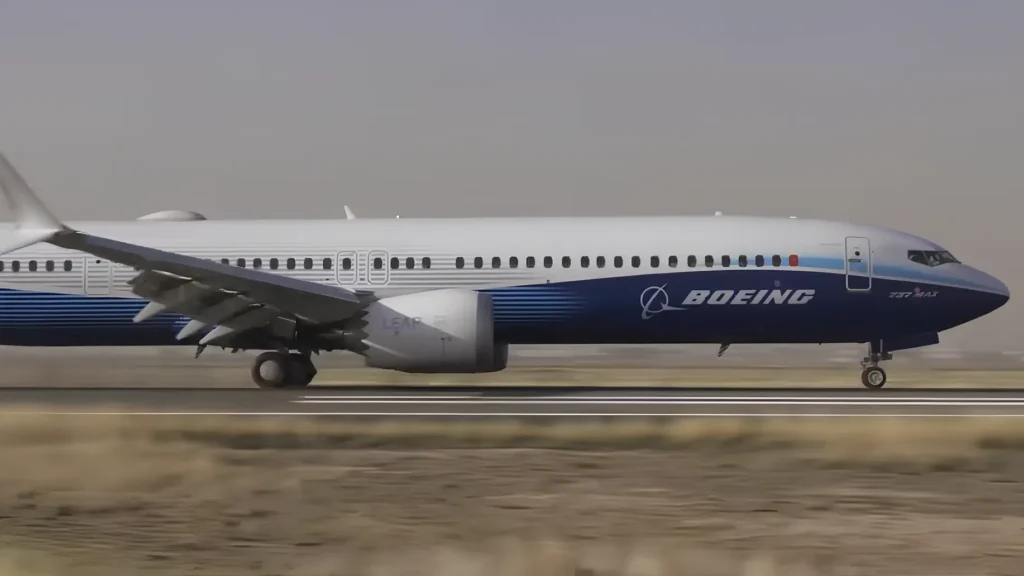
Boeing is working to increase 737 MAX production while stabilizing manufacturing performance. Its current goal is to reach a production rate of 47 aircraft per month at Renton. However, Boeing CEO Kelly Ortberg said in September 2026 that the company was not yet producing consistently at that rate.
The manufacturer also opened its new North Line at its Everett, Washington, facility in July 2026. The site began assembling 737 MAX aircraft for the first time, creating an additional production location outside Renton. Boeing plans to start with low-rate initial production so workers can validate the process, make adjustments and maintain quality before output increases.
The additional line is intended to increase production capacity and reduce reliance on a single facility. Hector Silva, head of quality for Boeing Commercial Airplanes, has highlighted the company’s effort to distribute production across sites to avoid concentrating manufacturing activity in one plant.
Boeing reported that its backlog exceeded 4,000 aircraft, with existing 737 MAX orders extending production into the 2030s. The company needs to expand output to meet customer demand, but it must also maintain stable production procedures and consistent quality standards as volumes rise.
Why Japanese Airlines Are Adding the Boeing 737-8
The 737 MAX family consists of single-aisle, narrow-body aircraft designed primarily for short- and medium-haul services. Depending on the model and cabin configuration, these aircraft can accommodate roughly 100 to 200 passengers.
Demand for narrow-body aircraft has grown as budget airlines expand and established carriers seek efficient aircraft for domestic and regional routes. Improvements in engine performance and airframe design have also increased the range of modern single-aisle aircraft, allowing airlines to serve more routes without always relying on larger, wide-body jets.
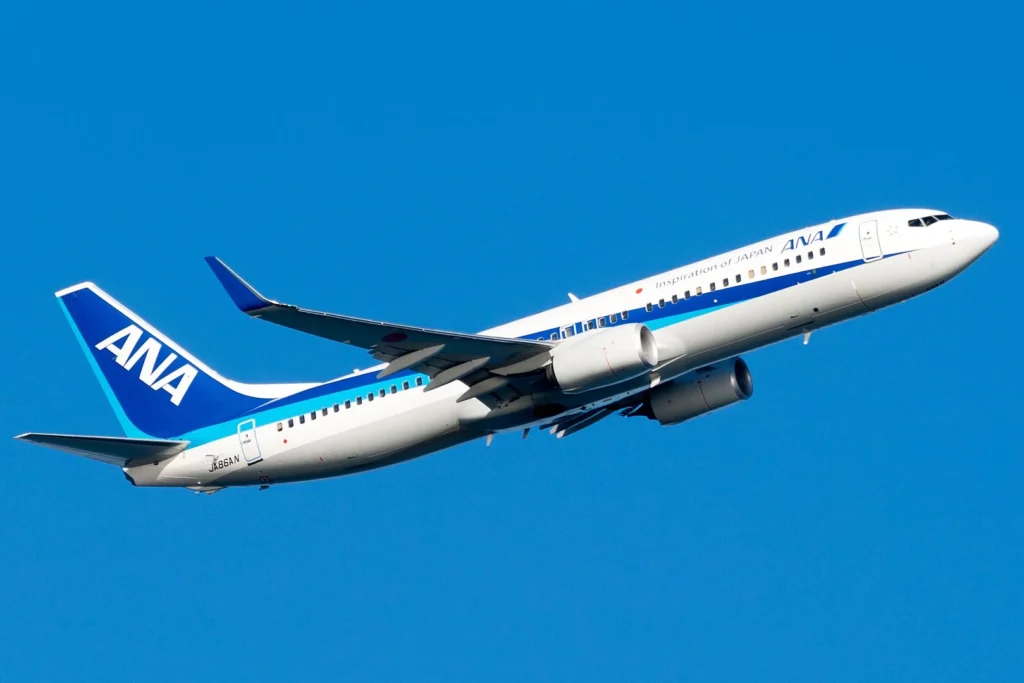
ANA’s planned introduction of the 737-8 forms part of its fleet renewal strategy. The aircraft will provide additional capacity for domestic services while allowing the airline to replace older narrow-body aircraft over time.
Japan’s other airlines are also incorporating the 737 MAX into their fleets. Skymark received its first 737-8 in April 2026, while Japan Airlines plans to introduce its 38 ordered aircraft from fiscal 2027 operations.
ANA’s planned deliveries therefore form part of a wider transition among Japanese carriers toward newer single-aisle aircraft.
Boeing 737-10 Certification Remains a Separate Issue
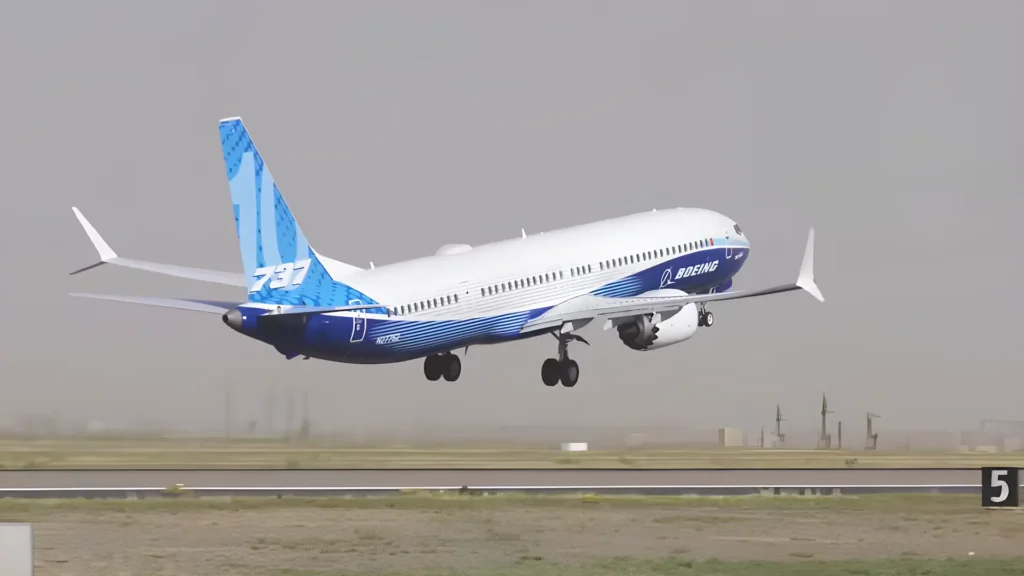
Boeing’s development of the larger 737-10 has also faced certification delays. However, this program is separate from ANA’s planned introduction of the 737-8.
In July 2026, Boeing completed the final planned certification flight tests for the 737-10 after 976 flights and more than 2,060 flight hours. The program then moved to closing the remaining technical reviews and submitting documentation to the FAA. In September 2026, Boeing said certification was expected soon, while acknowledging that production stabilization remained ongoing.
ANA has said that the delay affecting the 737-10 is unrelated to the 737-8 it plans to introduce and does not directly affect the airline’s incoming aircraft.
Quality Assurance Will Shape Future Deliveries
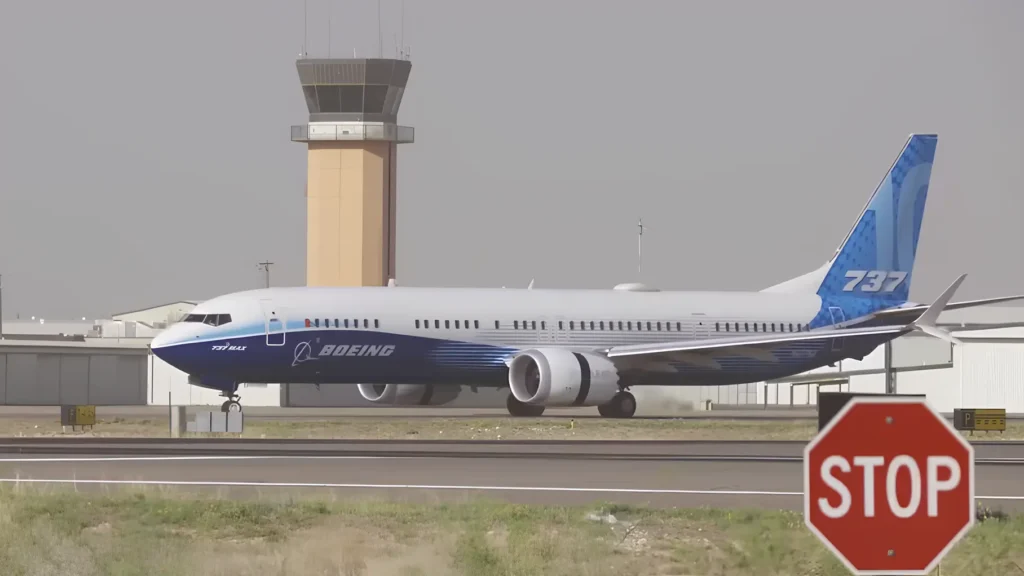
ANA’s inspection program demonstrates how an airline can maintain direct oversight of new aircraft before accepting delivery. Its factory-based checks, continued monitoring after delivery and feedback to Boeing provide additional ways to identify and address quality concerns.
For Boeing, the challenge is to increase production, reduce its order backlog and maintain reliable manufacturing standards across multiple facilities. The success of this effort will depend on consistent assembly procedures, effective employee training, strong quality controls and continued regulatory oversight.
Stay tuned with us. Further, follow us on social media for the latest updates.
Join us on Telegram Group for the Latest Aviation Updates. Subsequently, follow us on Google News
