

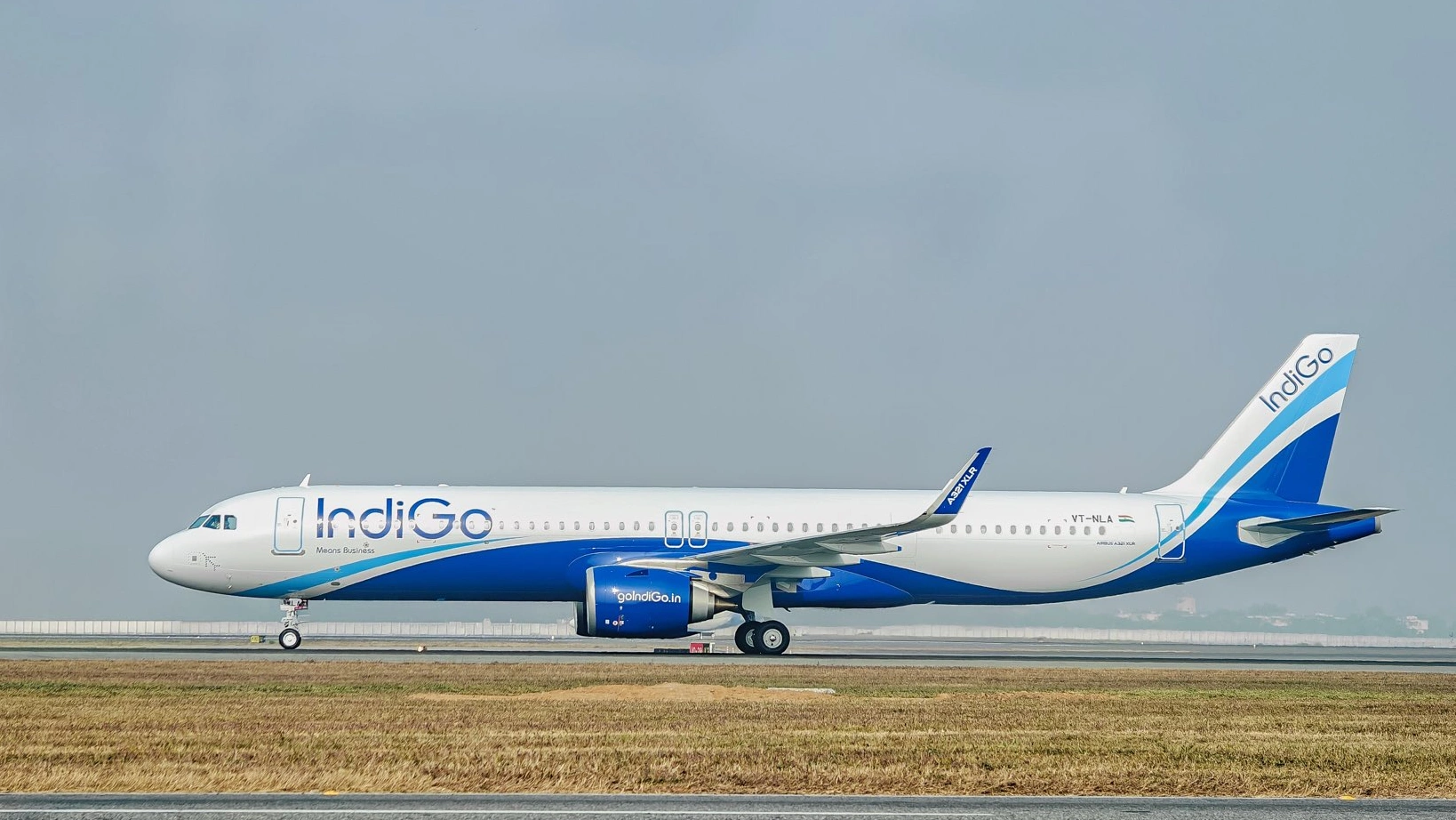
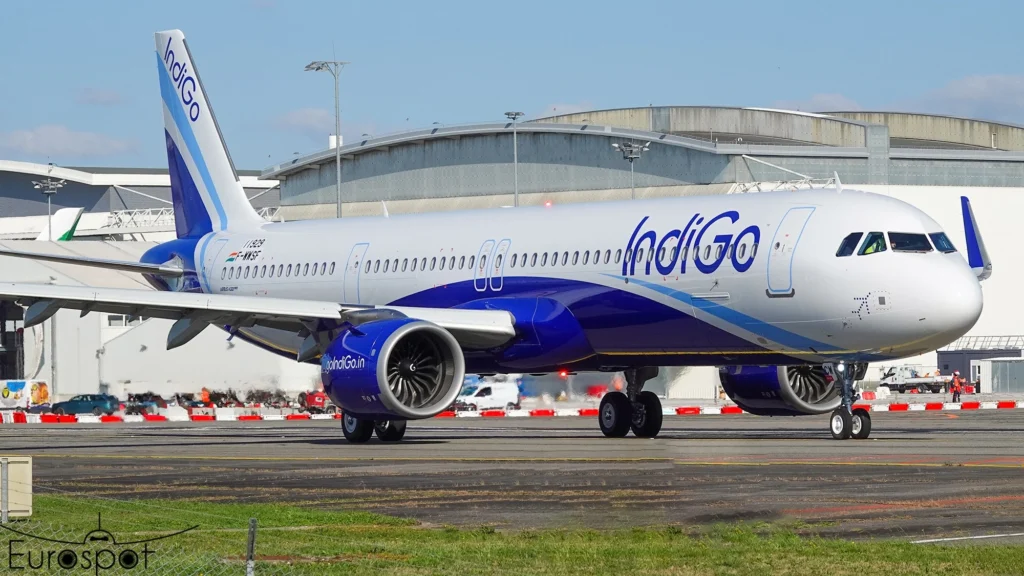
GURUGRAM- IndiGo (6E) plans to increase its Airbus A321XLR fleet from four aircraft to nine or ten by the end of March 2027. The additional aircraft will support the airline’s expansion into medium-haul markets.
Chief Strategy Officer Aloke Singh announced the target on Monday, October 12, 2026, at a GE Aerospace conference in Gurugram, near Indira Gandhi International Airport, Delhi (DEL). The announcement was reported by Telegraph India.
Why IndiGo Is Expanding Into Medium-Haul Routes
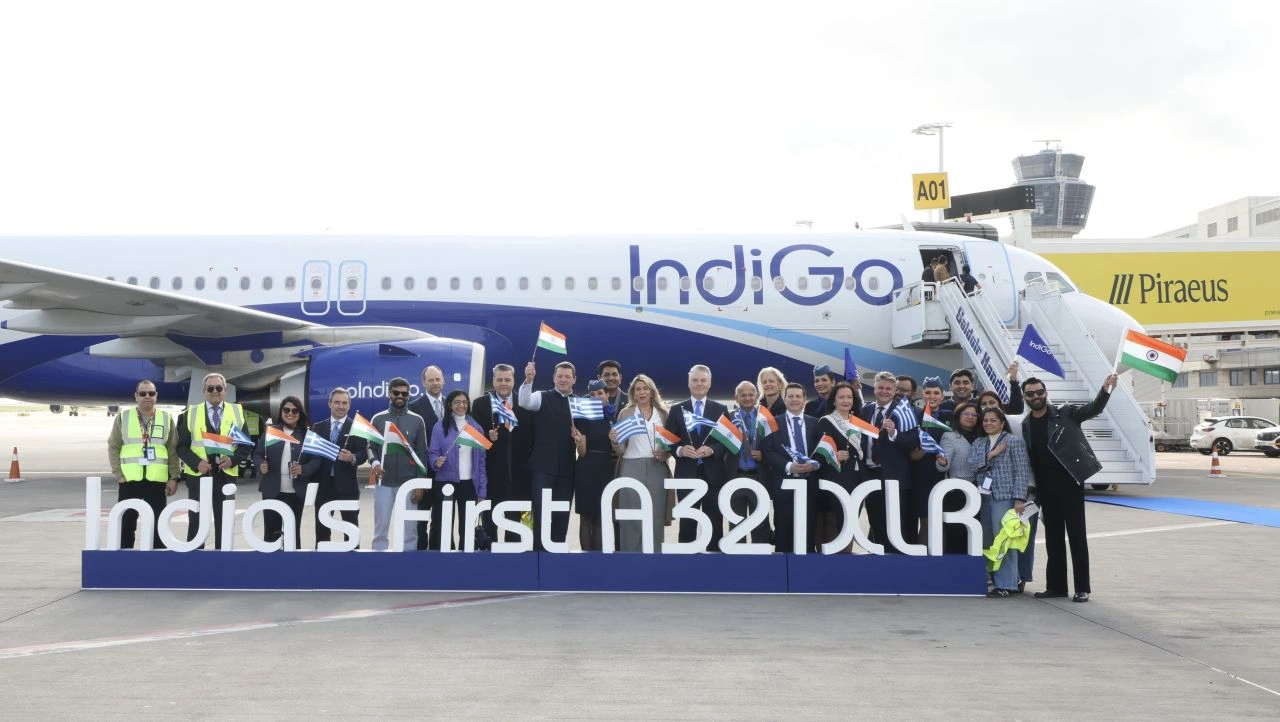
IndiGo is preparing to expand beyond the short-haul international markets in which Indian carriers already have a fair presence. The airline plans to use the Airbus A321XLR to serve medium-haul routes and explore destinations that could benefit from direct air connections.
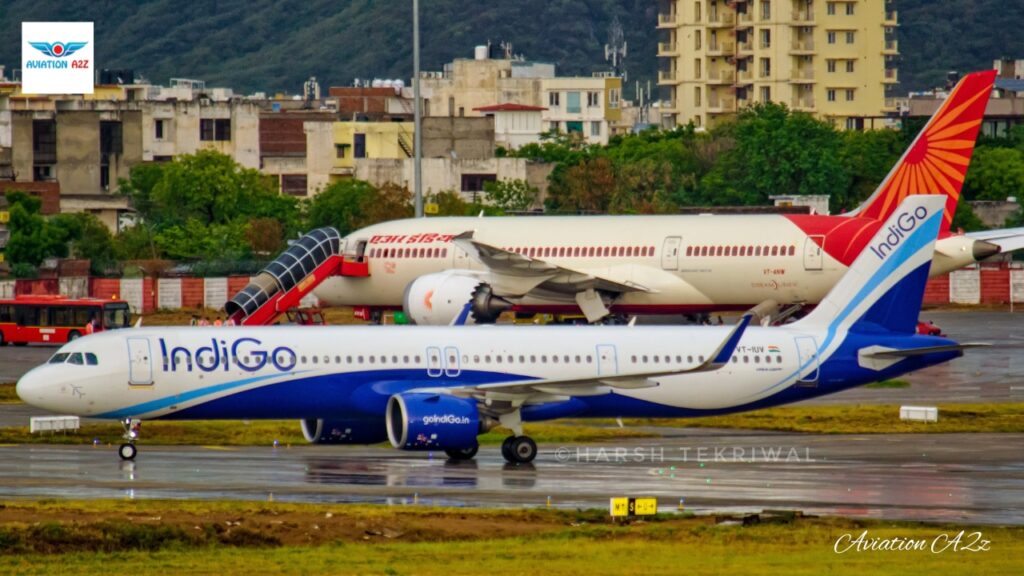
At the time of the announcement, IndiGo operated more than 430 aircraft, including 4 A321XLRs. The airline expects to increase the number of these aircraft to nine or ten by the end of the 2026-27 financial year, which concludes on March 31, 2027.
The planned expansion would add five or six A321XLR aircraft to the fleet count reported at the time of Singh’s statement. These aircraft are intended to help IndiGo enter a market segment beyond its existing short-haul operations.
Flight duration provides a general distinction between short-haul and medium-haul services. Flights lasting up to 3 hours are generally classified as short-haul, while medium-haul flights typically last from three to eight hours.
IndiGo’s A321XLR fleet expansion targets this longer-distance segment. The aircraft are intended for longer routes, allowing the airline to explore services beyond the short-haul markets that currently form part of its international network.
The announcement did not identify specific new routes or provide individual aircraft delivery dates. The stated objective is to reach a fleet of nine or ten A321XLR aircraft by the end of March 2027.
Premium Travel Shaping IndiGo’s Strategy
Singh said the Indian aviation market is maturing, with passengers showing a greater appetite for premium travel options. This shift is influencing IndiGo’s fleet planning, network strategy and onboard products.
The airline plans to increase the share of business-class seats in its domestic offering and on selected short-haul international routes. Its premiumisation strategy reflects an effort to respond to changing passenger preferences while continuing to expand its network.
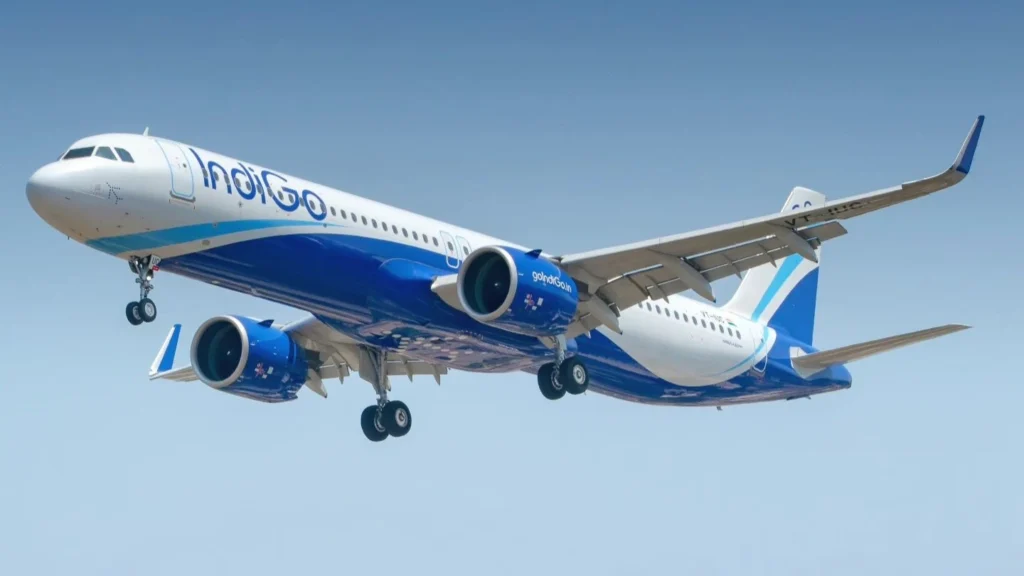
The planned A321XLR deployment forms part of this broader approach. IndiGo intends to develop its presence in medium-haul markets while adjusting its products to serve demand for more premium seating.
The distinction between the two initiatives is important. The additional A321XLR aircraft are intended for medium-haul operations, while the wider business-class expansion also covers domestic and short-haul international services.
Non-Stop Flights Could Unlock New Markets
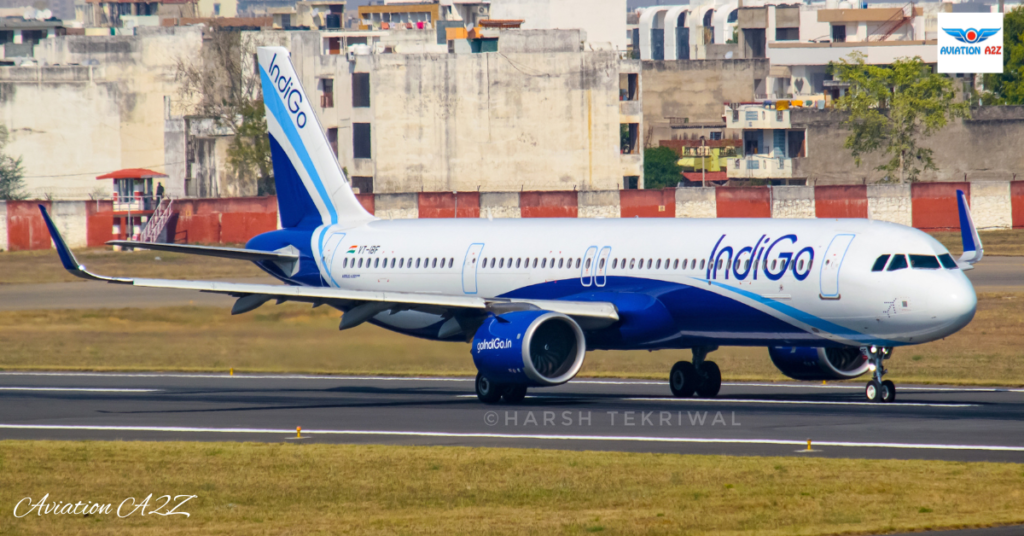
IndiGo expects the A321XLR to help open up a market segment that offers opportunities beyond existing short-haul routes. A central part of this strategy is developing direct services to destinations that do not currently have suitable non-stop connections.
Singh explained that IndiGo’s past experience suggests non-stop flights operated at high frequency can stimulate demand when they connect previously unserved destinations.
Such services can make direct travel available to passengers who might otherwise need connecting flights or have fewer travel options.
This approach focuses on creating additional demand through improved connectivity, rather than relying only on established routes. The planned aircraft expansion could support IndiGo’s assessment of new medium-haul city pairs and the potential for regular direct services.
However, the fleet target alone does not establish which destinations will be introduced. Route announcements and operational plans would be needed to determine how the additional aircraft will be distributed across the network.
Tier 2 and Tier 3 Cities Are Driving Growth
Singh identified smaller Tier 2 and Tier 3 cities as an important part of India’s aviation growth story. These markets are increasingly relevant to airlines evaluating passenger demand and opportunities to expand air connectivity.
India’s aviation market has substantial room for growth, according to Singh. He noted that relatively few markets globally combine India’s scale with its growth potential, creating a significant opportunity for the aviation sector.
Improved direct connections can help airlines serve travellers in smaller cities and develop routes that have previously lacked suitable services. IndiGo’s experience with non-stop, high-frequency flights to unserved destinations supports its focus on connectivity as a way to stimulate additional passenger demand.
The contribution of smaller cities also places the A321XLR plan within a wider industry context. IndiGo is targeting longer routes, while passenger growth across India’s broader network provides another important factor in its expansion strategy.
India’s Domestic Traffic Could Reach 1.1 Billion by 2040
India’s domestic aviation market is expected to expand significantly over the coming years. Annual domestic passenger traffic stood at 340 million in financial year 2025-26, and estimates cited in the report project that the figure could reach 1.1 billion by 2040.
The forecast highlights the potential scale of India’s future domestic air travel market. It also provides context for airline decisions involving fleet capacity, route development and service frequency.
The projection remains an estimate rather than a guaranteed outcome. Nevertheless, the expected increase in passenger traffic indicates why airlines are evaluating opportunities across established markets, smaller cities and longer routes.
For IndiGo, the target of nine or ten A321XLR aircraft by March 2027 represents a specific step towards expanding its medium-haul network. The airline’s broader strategy also includes more business-class seating and a continued focus on connecting destinations through non-stop services.
The eventual impact of the expansion will depend on aircraft availability, route selection and passenger demand. The announced fleet target establishes IndiGo’s objective, while the specific routes and deployment plans remain to be detailed.
Stay tuned with us. Further, follow us on social media for the latest updates.
Join us on Telegram Group for the Latest Aviation Updates. Subsequently, follow us on Google News
