

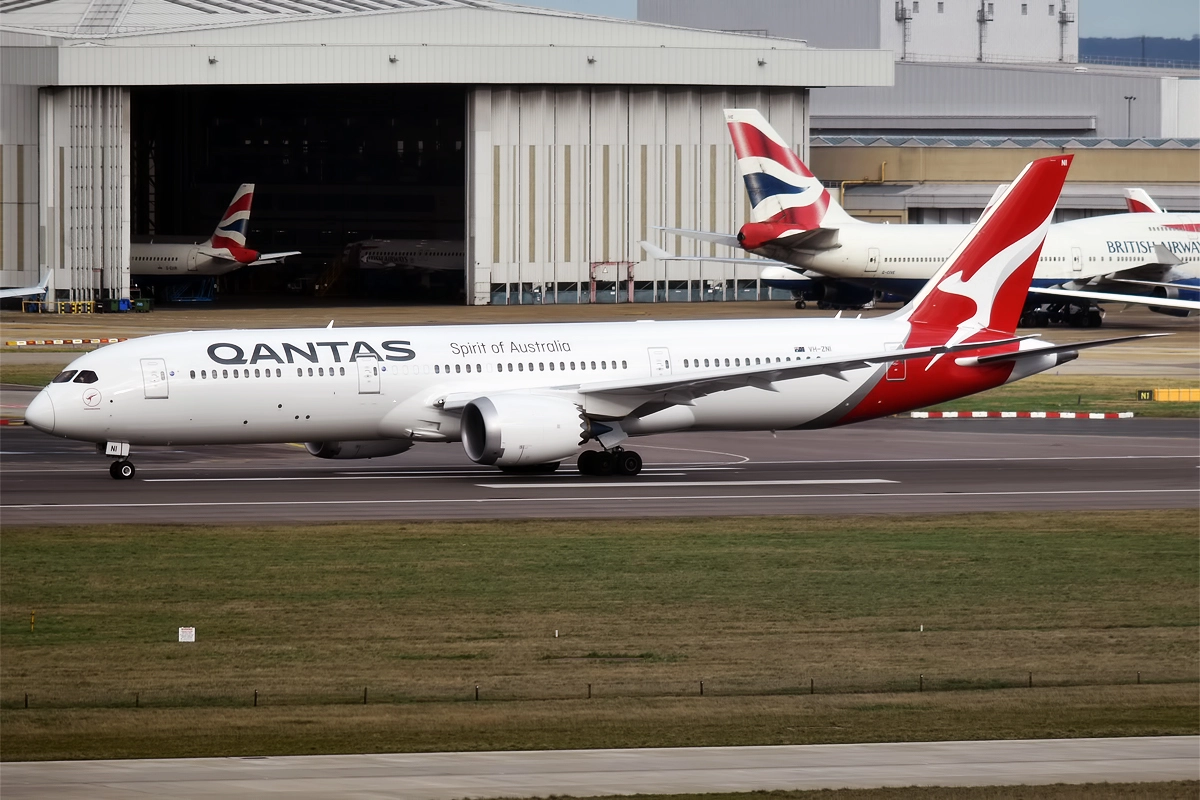
ROME- Qantas (QF) cancelled flight QF6 from Rome Fiumicino Airport (FCO) to Perth Airport (PER) on Saturday, October 10, 2026, after bedbugs were discovered aboard its Boeing 787 Dreamliner.
The incident followed Qantas flight QF5 from Perth Airport (PER) to Rome Fiumicino Airport (FCO) on Friday, October 9, when passengers on the nearly 17-hour journey reported being bitten by insects. The aircraft was grounded for a deep clean, leaving passengers facing travel delays.
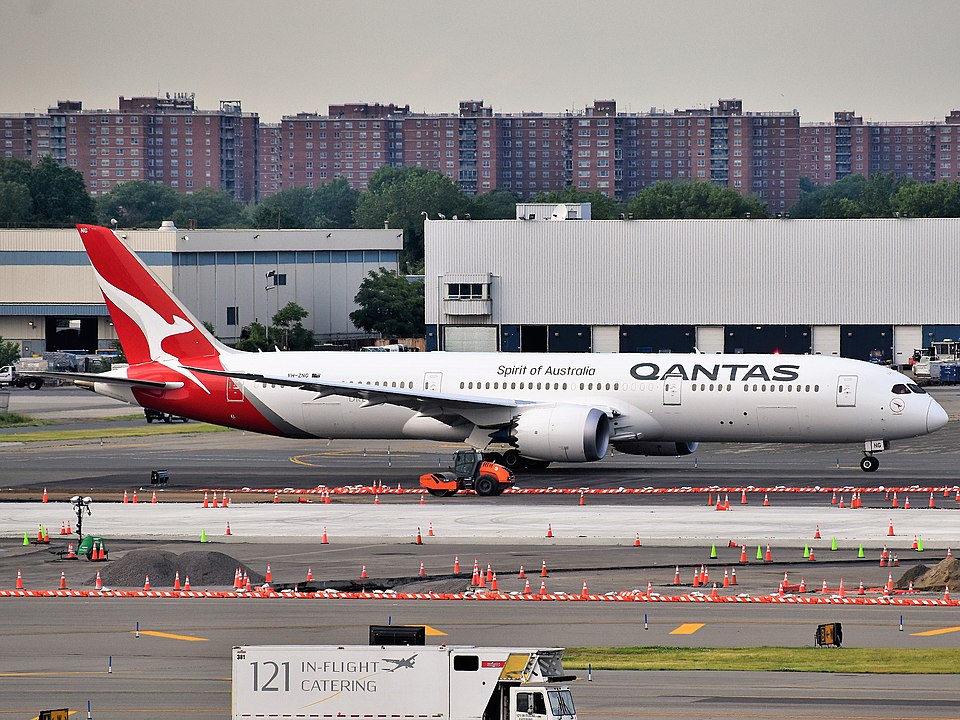
Bedbug Reports Ground Qantas Boeing 787 in Rome
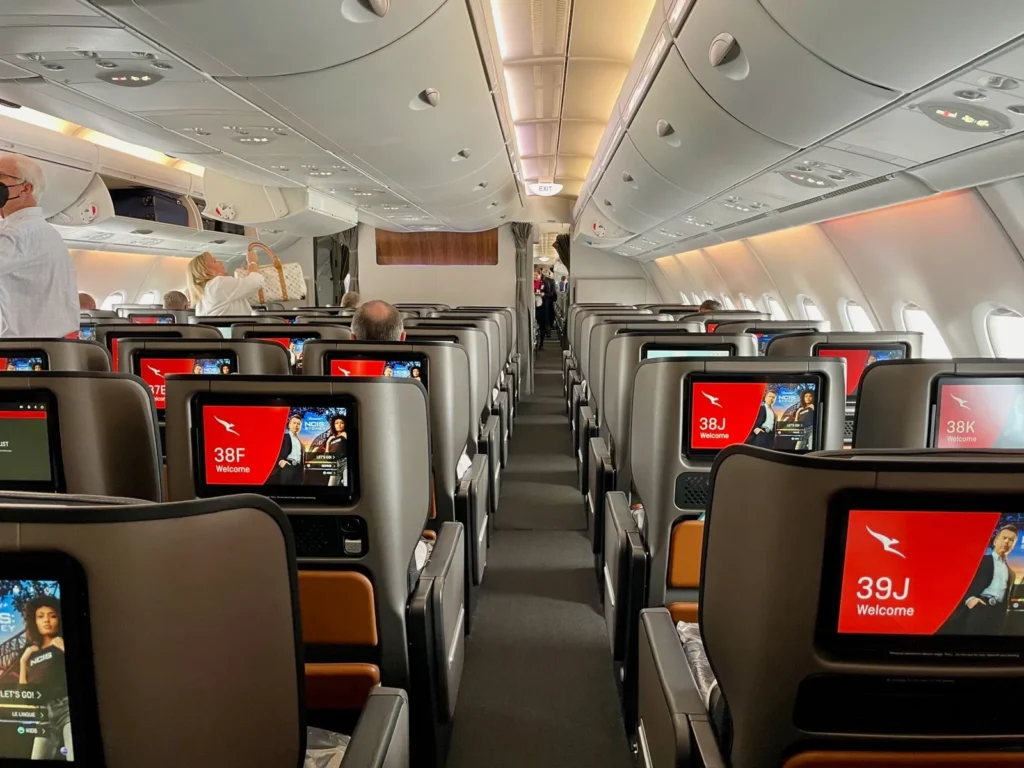
The bedbug incident forced Qantas to remove the aircraft from service after insects were found in the forward section of its economy cabin. The discovery disrupted the airline’s return service from Italy to Australia and required its engineering and maintenance teams to carry out additional cleaning.
According to reports, passengers on the Perth-to-Rome flight complained to cabin crew that insects were biting them during the journey. The affected passengers were reportedly given antihistamines on medical advice to relieve itching, but supplies eventually ran out.
Qantas confirmed that the aircraft needed a deep clean before it could return to service. A spokesperson said the issue affected a small number of economy-class seats.
The airline apologised for the disruption and said the cleaning work was necessary to address the problem before the aircraft resumed operations, BBC reported.
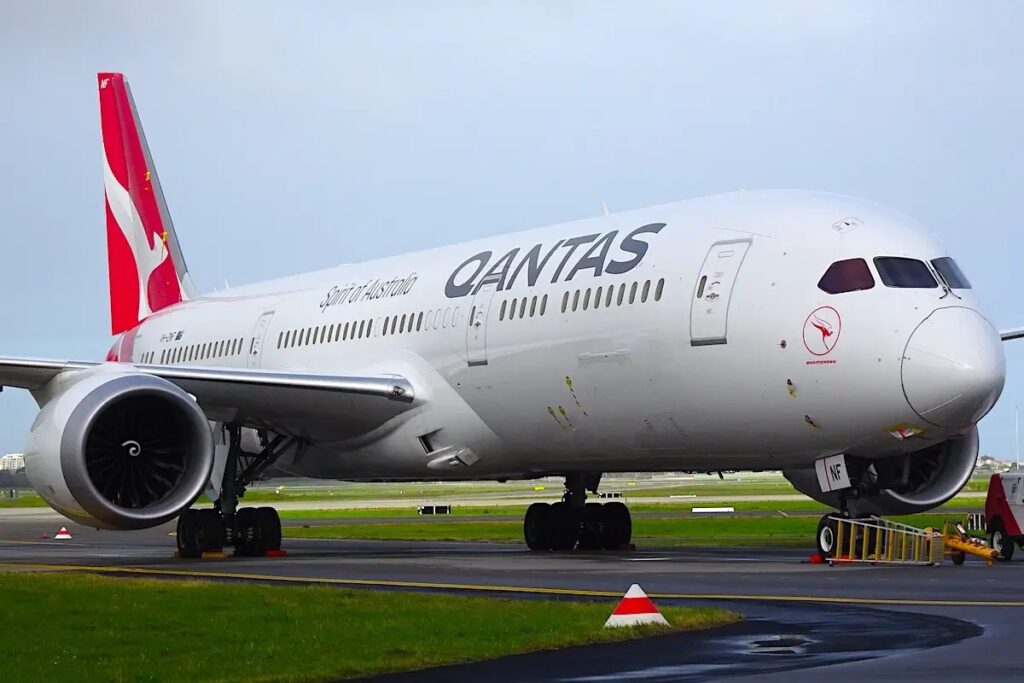
Qantas Cancels Flight QF6 to Perth
The incident led to the cancellation of Qantas flight QF6 from Rome to Perth on Saturday, October 10. The Boeing 787 Dreamliner remained out of service while engineering and maintenance teams carried out the required cleaning work.
The cancellation disrupted passengers travelling on the long-haul route between Italy and Australia. Qantas said it arranged accommodation for affected customers and rebooked them on alternative flights within 48 hours of their original departure times.
In its apology, the airline said the cancellation allowed its engineers and maintenance teams to complete a deep clean after an issue was identified on a small number of economy seats.
The aircraft could not operate the scheduled return service while the additional cleaning work was underway. Qantas did not publicly identify the aircraft’s registration in the reports about the incident.
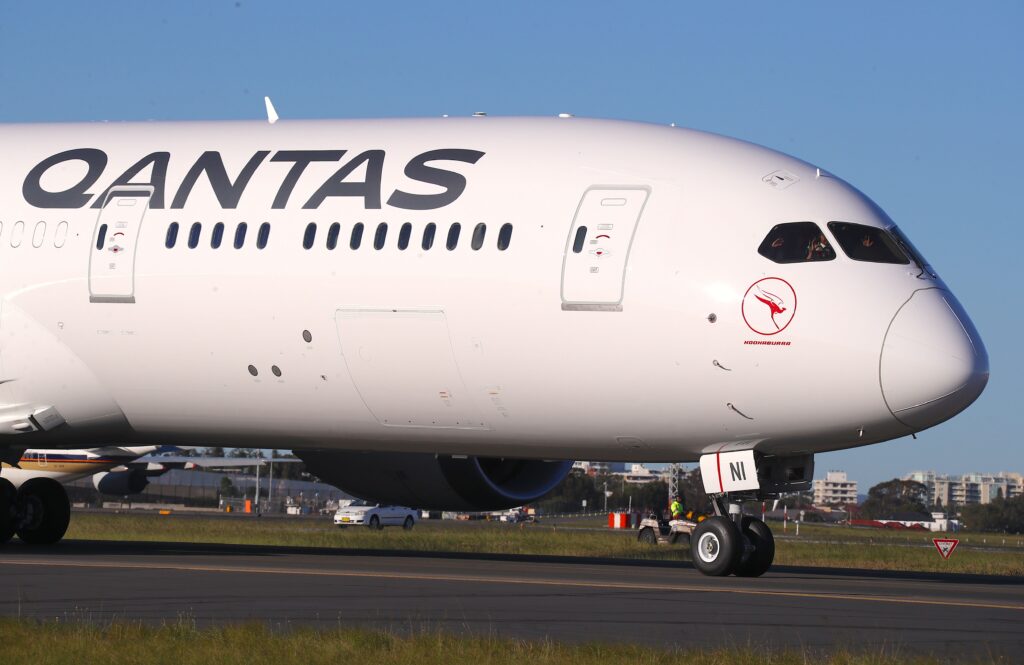
Qantas Explains Aircraft Cleaning Measures
Qantas said its aircraft cabins undergo regular cleaning to maintain hygiene standards. The airline also stated that it treats its aircraft with disinfectant every 50 days as a standard precautionary measure.
However, a bedbug infestation can require more specialised treatment than routine cabin cleaning. Bedbugs can hide in narrow gaps, seat materials, bedding and luggage, making them difficult to locate and eliminate.
The reported discovery in the economy cabin therefore required additional attention before the aircraft could return to service. The airline’s response focused on deep cleaning the affected areas and accommodating passengers whose travel plans were disrupted.
The incident also highlights the operational challenge airlines face when a cabin hygiene issue requires an aircraft to be removed from service. A cancellation can affect passengers beyond the original flight, particularly on long-haul routes with limited daily service options.
Bedbug Bites and Health Risks
Bedbugs are small, wingless insects that feed on blood and can travel between locations in luggage, clothing and other personal belongings. They often hide in dark spaces and can remain concealed in furniture and fabrics.
The UK’s National Health Service says bedbug bites can cause itching but do not usually lead to serious health problems. Some people may experience more pronounced irritation, swelling or discomfort.
Despite the generally limited health risks, eliminating bedbugs can be difficult. They can hide in small gaps and may resist some insecticides, making thorough inspection and specialised pest-control treatment important when an infestation occurs.
In an aircraft cabin, where seats and other fittings contain multiple hiding places, identifying and treating affected areas can require additional work. The Qantas incident demonstrates how a pest problem can disrupt a long-haul operation even when the reported issue involves only a limited number of seats.
Similar Incidents
Bedbugs have caused disruption across other transport services in recent years.
In October 2026, Southeastern Railway in England removed trains from service after bedbugs were identified in drivers’ cabs. The discovery resulted in cancellations while the affected trains underwent checks and treatment. Southeastern said the insects had not been found in passenger areas.
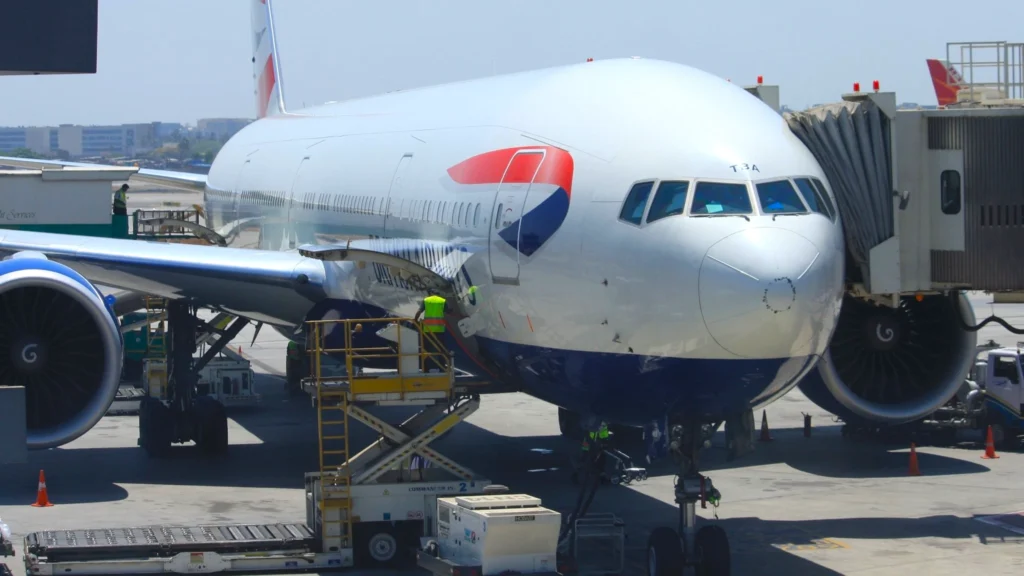
In October 2017, British Airways (BA) apologised to a Canadian family who reported being bitten by bedbugs during a flight from Vancouver to London. The airline also offered the family an upgrade on its return journey.
Turkish Airlines (TK) also faced questions about reported bedbug encounters after a January 2025 New York Times investigation described passenger accounts involving several flights. The reports included complaints about how the airline handled the incidents. Turkish Airlines said it took such matters seriously and maintained routine aircraft sanitation procedures.
These cases show that bedbug reports can create problems for airlines and other transport operators because the insects are difficult to detect and remove. Effective treatment, prompt communication and alternative travel arrangements can help limit disruption when an infestation is identified.
For Qantas, the immediate priority was to clean the affected Boeing 787 and rebook passengers following the cancellation of its Rome-to-Perth service.
Stay tuned with us. Further, follow us on social media for the latest updates.
Join us on Telegram Group for the Latest Aviation Updates. Subsequently, follow us on Google News
