


CHICAGO- United Airlines (UA) has warned crew members that citizenship or dual nationality in certain countries may prevent them from operating flights to and from Tel Aviv Ben Gurion International Airport (TLV), Israel.
An internal scheduling memo shared with Live And Let’s Fly identifies 29 countries whose citizens may face restrictions under updated Israeli entry requirements. The alert follows a reported cockpit attack involving flydubai and raises questions about crew screening, aviation security, and nationality-based restrictions.

United Airlines Updates Crew Eligibility for Tel Aviv Flights
United Airlines says Israeli authorities have introduced updated requirements covering the nationality and dual citizenship of crew members operating on or traveling aboard flights entering Israeli airspace.
The airline’s internal memo states that employees who hold citizenship in certain countries without formal diplomatic relations with Israel may not be permitted to operate or travel on these flights.
The restriction currently affects United Airlines flights to and from Tel Aviv Ben Gurion International Airport (TLV). It applies to citizenship status, including a second nationality, rather than a person’s country of birth or religious background.
United’s memo states:
“Israeli authorities have issued updated requirements regarding the nationality and dual citizenship of crew members operating on or on board flights entering Israeli airspace.
Under the new requirement, crew members who hold citizenship or dual nationality from certain countries that do not maintain formal diplomatic relations with Israel may not operate or be onboard these flights.”
The policy means that holding a United States passport does not automatically exempt an employee who also holds citizenship in a country covered by the restriction. United must account for the additional nationality when assigning crew members to affected flights, Live and Let’s Fly reported.

Which 29 Countries Are Listed in the United Memo?
The internal scheduling alert identifies 29 countries whose citizenship may affect crew eligibility for flights entering Israeli airspace. United cautions that the list may not be exhaustive.
The countries named in the memo are:
- Afghanistan
- Algeria
- Bangladesh
- Brunei
- Comoros
- Cuba
- Djibouti
- Indonesia
- Iran
- Iraq
- Kuwait
- Lebanon
- Libya
- Malaysia
- Maldives
- Mali
- Mauritania
- Niger
- North Korea
- Oman
- Pakistan
- Qatar
- Saudi Arabia
- Somalia
- Sudan
- Syria
- Tunisia
- Venezuela
- Yemen
Under the stated requirement, an employee with United States citizenship and a second nationality from one of these countries may be affected. The employee’s American passport would not, by itself, remove the restriction.
The memo does not establish that every citizen of these countries is automatically barred from all travel to Israel. It specifically addresses crew members operating on or traveling aboard flights entering Israeli airspace, and the airline says the current operational impact concerns its Tel Aviv services.

United Airlines Asks Affected Employees to Contact Crew Scheduling
United is asking employees who hold citizenship or dual nationality covered by the requirement to contact Crew Scheduling if they are assigned to affected flights.
The memo states:
“If you hold citizenship or dual nationality from a country that does not maintain formal diplomatic relations with Israel and are currently scheduled for affected flying, please contact Crew Scheduling as soon as possible. Our teams will work with you to make any necessary scheduling adjustments.”
The airline is also incorporating the requirement into its crew-planning systems. This change should help scheduling teams identify potentially affected assignments before employees report for duty.
Until those systems fully account for the restrictions, United is asking employees to disclose their relevant citizenship status when necessary. The airline has not detailed in the supplied memo how many employees or flights may require changes.
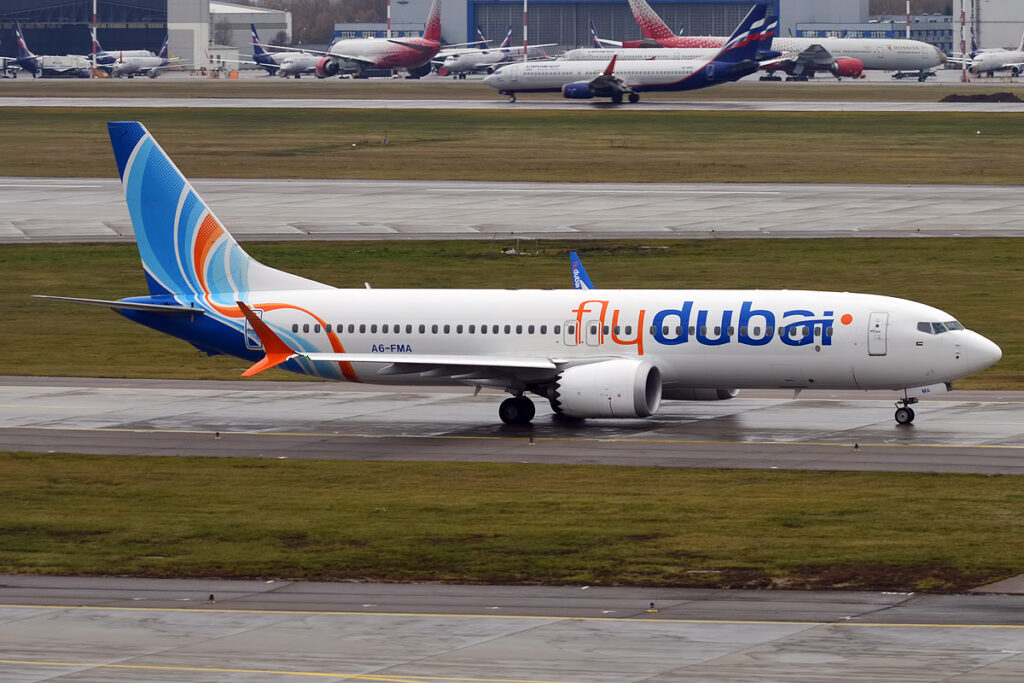
Flydubai Cockpit Attack Raises Aviation Security Questions
The reported attack involving flydubai (FZ) flight FZ1073 has brought renewed attention to crew screening and security procedures for flights operating to Israel.
According to the source report, the flight’s first officer was an Omani national. Israeli officials subsequently said that restrictions already existed for pilots from countries that do not maintain diplomatic relations with Israel. The reported operation of the flight to Tel Aviv has therefore raised questions about how those requirements were applied.
United describes the current instructions as updated requirements. However, the available information does not establish whether the restrictions represent an entirely new prohibition or a revision and reinforcement of existing rules.
The distinction matters because introducing a new requirement and enforcing an existing one are different operational issues. Airlines and authorities need clear guidance on eligibility, reliable information-sharing procedures, and consistent checks before assigning crew members to flights subject to specific entry conditions.
The incident also highlights the importance of examining the circumstances surrounding a security threat rather than relying on nationality alone to assess risk.

Nationality Restrictions Raise Questions About Crew Vetting
Citizenship-based restrictions can create practical challenges for international airlines, particularly when employees hold more than one nationality. A crew member may be a long-term United States citizen while retaining citizenship in another country listed in the memo.
Such restrictions can affect duty assignments even when an employee has no known connection to a security incident. They may also require airlines to review crew records, adjust rosters, and establish procedures for employees whose citizenship status triggers an entry requirement.
At the same time, nationality alone cannot establish whether an individual poses a security threat. A passport from a country with diplomatic relations with Israel does not independently prove that a person is trustworthy, just as a second passport from a restricted country does not establish wrongdoing.
Effective aviation security requires several layers of checks. These may include employment screening, background checks, credential verification, information-sharing between relevant authorities, and procedures for assessing specific security concerns. The exact measures depend on applicable regulations and the information available to the responsible authorities.
United must comply with the requirements imposed on its operations. The broader challenge is ensuring that nationality-related rules work alongside thorough individual screening and consistent enforcement.

What the Restriction Means for United Airlines Operations
The immediate effect is on crew eligibility for United Airlines flights to and from Tel Aviv. Employees who fall within the stated restriction may need reassignment, while the airline updates its scheduling systems to identify affected personnel.
The memo does not provide figures for the number of employees involved, the number of flights affected, or any resulting cancellations. It would therefore be premature to conclude that the policy will cause widespread disruption to United’s Tel Aviv operations.
The operational impact will depend on how many crew members fall within the restrictions, how quickly the airline can identify affected assignments, and whether replacement crew members are available.
For United, the priority is to meet Israeli requirements while maintaining safe and reliable flight operations. For employees, the alert makes citizenship disclosure and timely communication with Crew Scheduling important when an assignment involves travel into Israeli airspace.
Bottom Line
United Airlines has warned crew members that citizenship or dual nationality in certain countries may make them ineligible for flights to and from Tel Aviv Ben Gurion International Airport (TLV). The internal memo lists 29 countries and directs affected employees to contact Crew Scheduling for necessary adjustments.
The alert follows a reported flydubai cockpit attack that has renewed scrutiny of crew eligibility and security procedures. Although airlines must follow applicable entry requirements, nationality restrictions and individual security vetting address different issues. Clear rules, consistent enforcement, and effective screening remain essential to protecting aviation operations without assuming that citizenship alone establishes a person’s level of risk.
Stay tuned with us. Further, follow us on social media for the latest updates.
Join us on Telegram Group for the Latest Aviation Updates. Subsequently, follow us on Google News
