

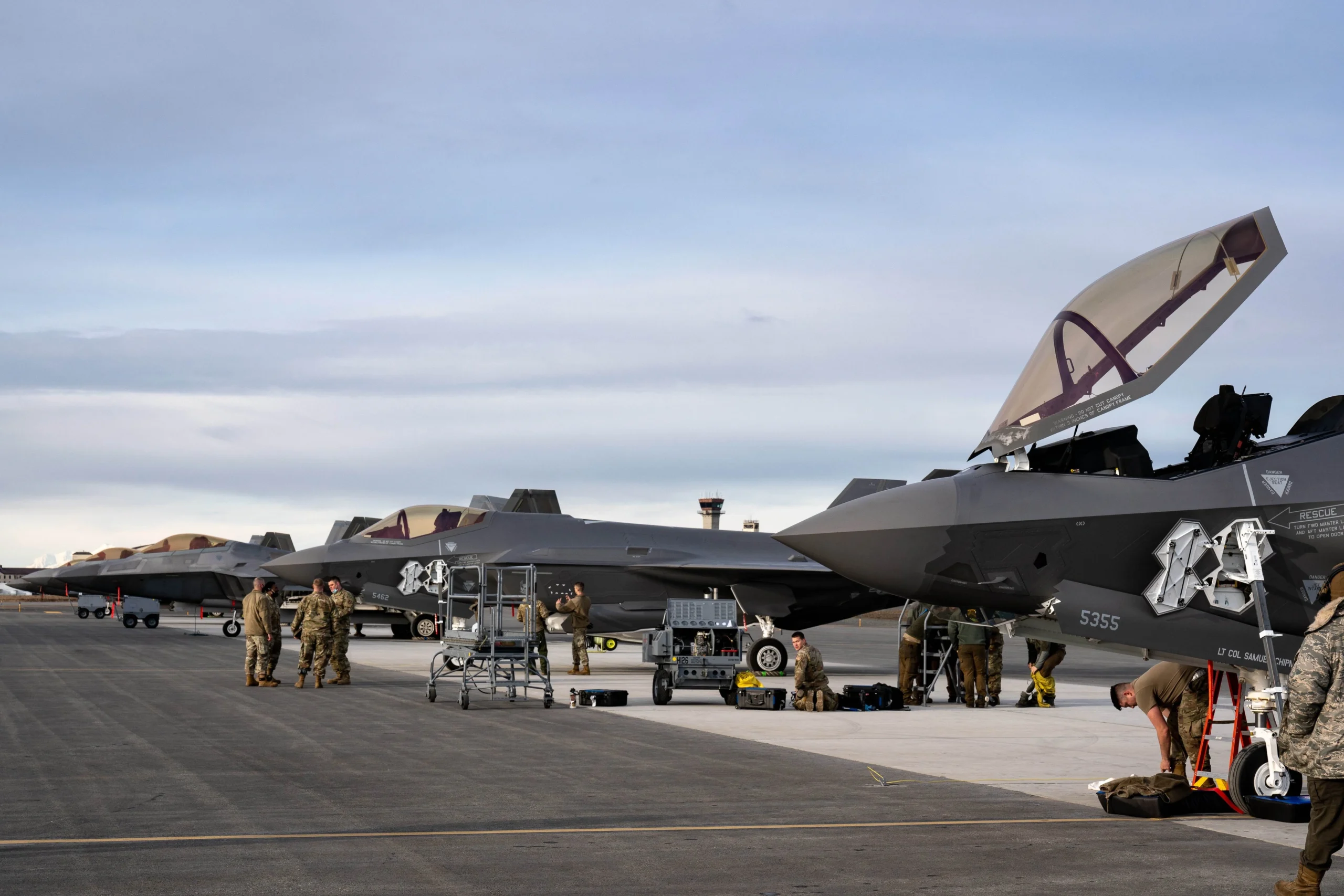
ARLINGTON- The US Air Force is revising its aircraft maintenance career overhaul from an earlier plan centered on seven Air Force Specialty Codes (AFSCs) to a broader structure targeting 14 AFSCs, according to Lt. Gen. Kenyon K. Bell.
The revised 2A career field strategy is scheduled to enter an 18-month pilot program in mid- to late-2027. Bell described the effort as a multiyear transformation of how the Air Force recruits, trains and develops maintenance personnel.
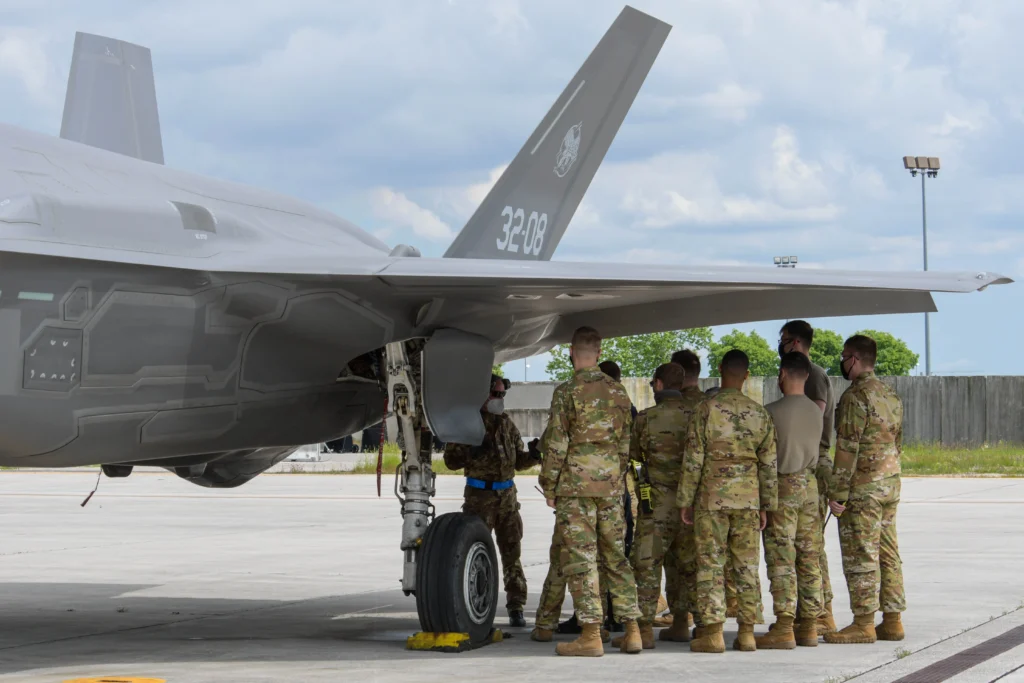
Revised 2A Strategy Expands Maintenance Specialties
The Air Force first announced its maintenance career-field transformation in January 2025. The original proposal sought to consolidate more than 50 aircraft maintenance specialties into a much smaller structure.
Under that concept, enlisted maintainers would initially enter a generalist track under one AFSC. They would spend the early part of their careers developing common maintenance skills that could apply across multiple aircraft types.
The original model envisioned Airmen moving into specialized areas after reaching the Senior Airman rank and preparing to become noncommissioned officers. That structure included six aircraft-agnostic specialties alongside the initial generalist AFSC, creating a 7 AFSC model.
The Air Force is now refining that concept after collecting feedback from maintainers across the service. The revised plan keeps a broad first stage but increases the number of specialties to 14.
Bell, the Air Force’s deputy chief of staff for logistics, engineering and force protection, told Air & Space Forces Magazine that the transformation will take years rather than being completed through a single implementation cycle.
The revised plan begins with a training phase that is similar to the original proposal.
New aviation maintenance technicians, or AMTs, would spend their first 18 months of service learning fundamental maintenance skills across multiple aircraft platforms. The objective is to establish a common technical foundation before maintainers move into narrower specialties.
The opening phase will also emphasize aircraft sortie generation. The Air Force wants new maintainers to understand how their work directly supports the ability to launch and sustain aircraft operations.
Bell linked the training approach to the service’s broader focus on generating and sustaining airpower, including in situations where aircraft must continue operating under attack.
The Air Force’s operational logic is straightforward: maintenance work has a direct effect on whether aircraft can return to service and generate sorties.
Bell summarized that emphasis by saying, “We fly, fix, fight, and win.” He also questioned the value of maintenance work if it cannot ultimately help get aircraft into the air.
The approach is intended to give new maintainers an early understanding of the operational purpose behind their technical duties rather than treating maintenance skills as isolated tasks.
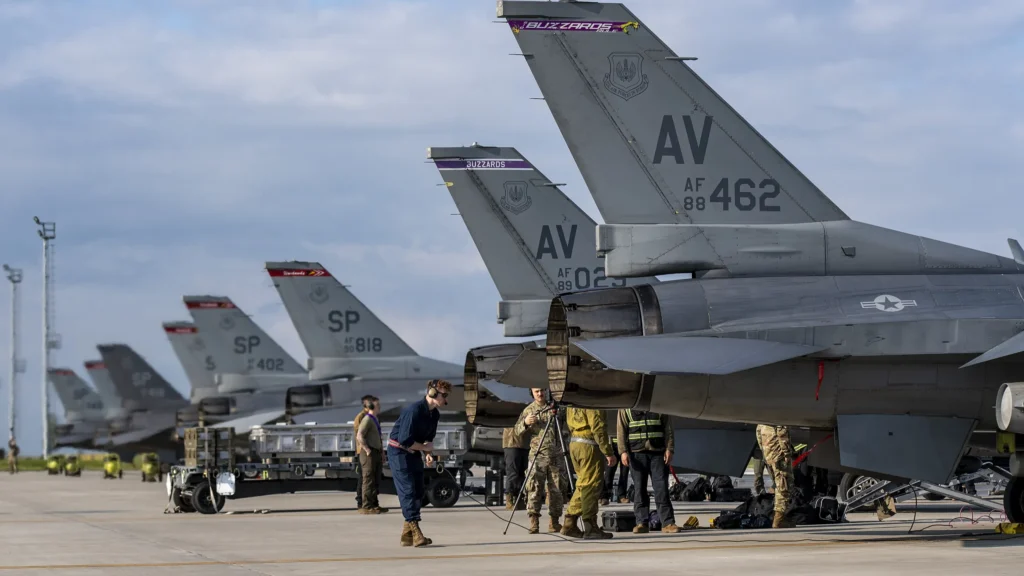
14 AFSCs Will Follow Generalist Phase
After the initial 18-month foundation, maintainers will transition into one of 14 specialty tracks.
The Air Force has not yet released the final list of the 14 specialties because officials are still determining how the structure will be organized. That means the current 14-AFSC target should be treated as the revised framework rather than a finalized list of career codes.
The planned structure includes 6 aircraft-agnostic specialties and 8 additional specialties divided among three aircraft groups:
- Fighter/Attack
- Mobility/Strike
- Tactical Lift/Rotary
The 6 aircraft-agnostic specialties are expected to retain the concept of skills that can apply across aircraft platforms, although officials have not confirmed whether the final categories will match the six specialties announced in the original 2025 proposal.
That distinction matters because the Air Force is still refining the organization of the career field rather than simply relabeling the original seven-AFSC structure.
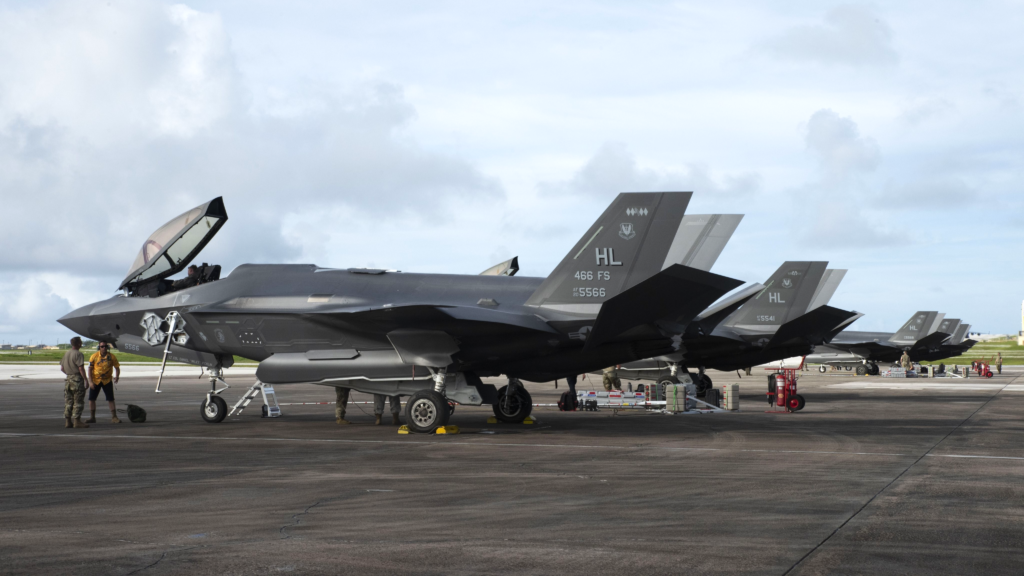
Original 6 Specialty Areas
The January 2025 proposal identified six aircraft-agnostic specialties that would follow the initial generalist phase.
- Avionics and Electrical: This category would combine avionics maintenance with the electrical portion of the Environmental and Electrical specialty.
- Aerospace Ground Equipment: This area would remain broadly similar to its existing structure.
- Advanced Mechanical: This specialty would combine crew chiefs, fuels, hydraulics and the flight-line portion of engine maintenance.
- Crew Support Systems: This category would combine ejection-seat systems with the environmental portion of Environmental and Electrical maintenance.
- Fabrication: This area would combine aircraft structural maintenance, aircraft metals technology and nondestructive inspection.
- Intermediate-Level Engines: This specialty would focus on maintainers assigned to intermediate-level engine maintenance.
The Air Force has not confirmed that these six categories will remain unchanged in the revised 14-AFSC model.
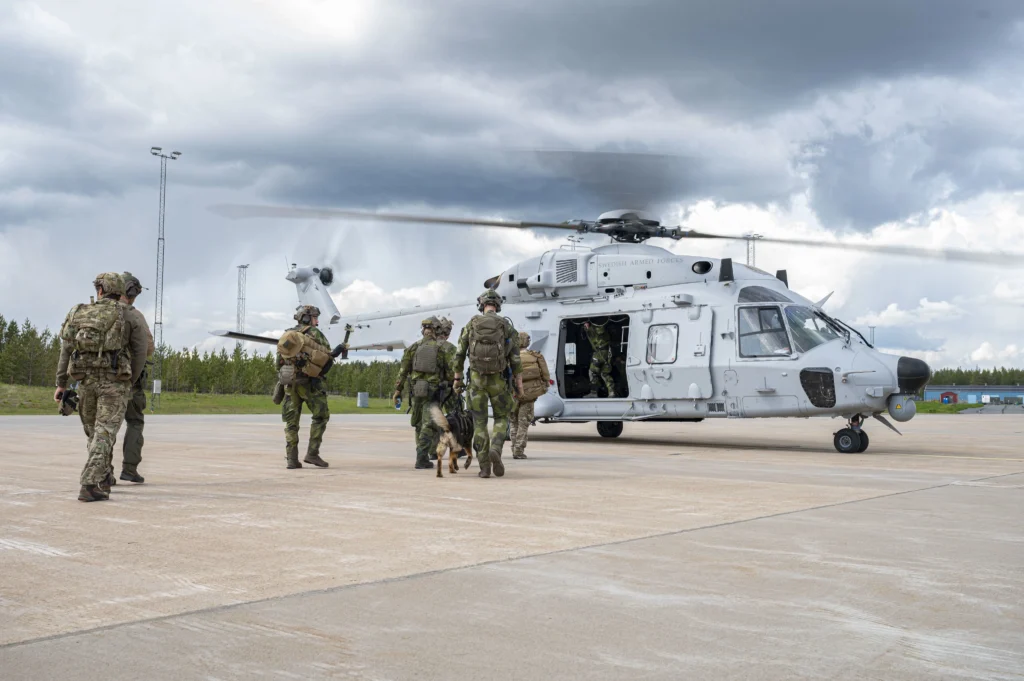
Maintainers Helped Shape Revised Plan
The expansion from seven AFSCs to 14 followed a feedback process involving current maintenance personnel.
Bell said the Air Force established 10 working groups and brought in nearly 280 maintainers from across the service to examine the strategy and refine its details.
The consultation covered a broad set of issues related to training, specialties and career development. The additional specialty options emerged as officials reviewed concerns and recommendations from maintainers involved in the working groups.
Bell said major commands were asked to send highly capable personnel who could challenge assumptions and identify potential weaknesses in the proposal. He described them as “constructive disruptors” whose input could help improve the strategy.
The feedback process also created a channel for maintainers who opposed the original concept to explain their concerns and participate in finding ways to reduce potential problems.
Bell said the Air Force cannot continue its current approach while expecting a different result, making the feedback process part of the service’s attempt to alter the existing maintenance career model without ignoring implementation risks.
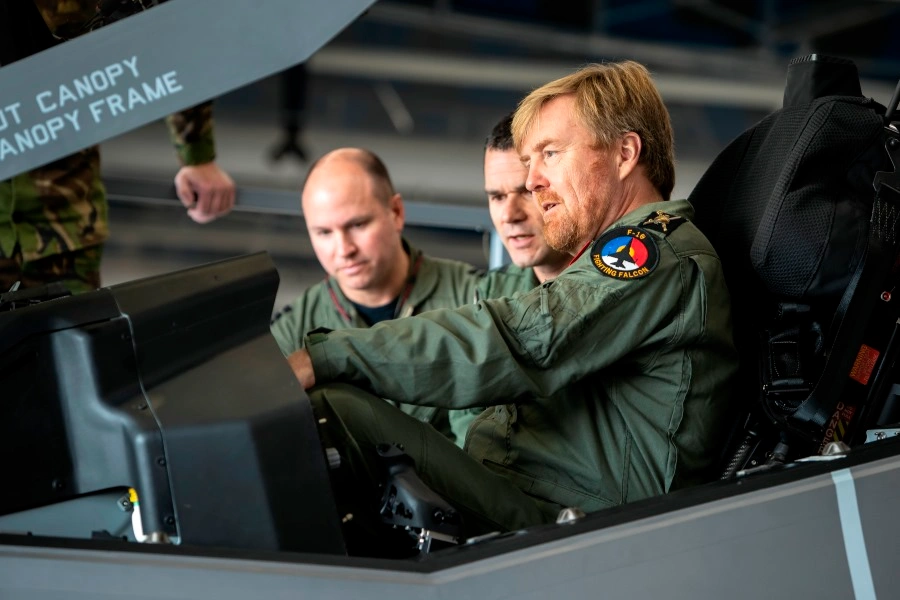
Specialty Choice Could Increase
The revised model introduces another major change: maintainers would have an opportunity to change or choose their specialty after gaining initial experience.
The existing system can be influenced heavily by an Airman’s Armed Services Vocational Aptitude Battery (ASVAB) results. Most enlisted Airmen take the ASVAB while still in high school, and their scores can affect the career fields available to them.
Bell questioned whether an aptitude test taken at that stage should effectively determine the direction of an individual’s career for many years.
The revised strategy would provide a later decision point. After receiving broad maintenance training and seeing different areas of the career field, an Airman could have more information about personal strengths, interests and technical preferences.
This creates greater optionality while allowing the Air Force to align specialty assignments with manpower requirements.
The service would still control the available specialties and career opportunities, but the model could give maintainers more influence over their technical path within aircraft maintenance.
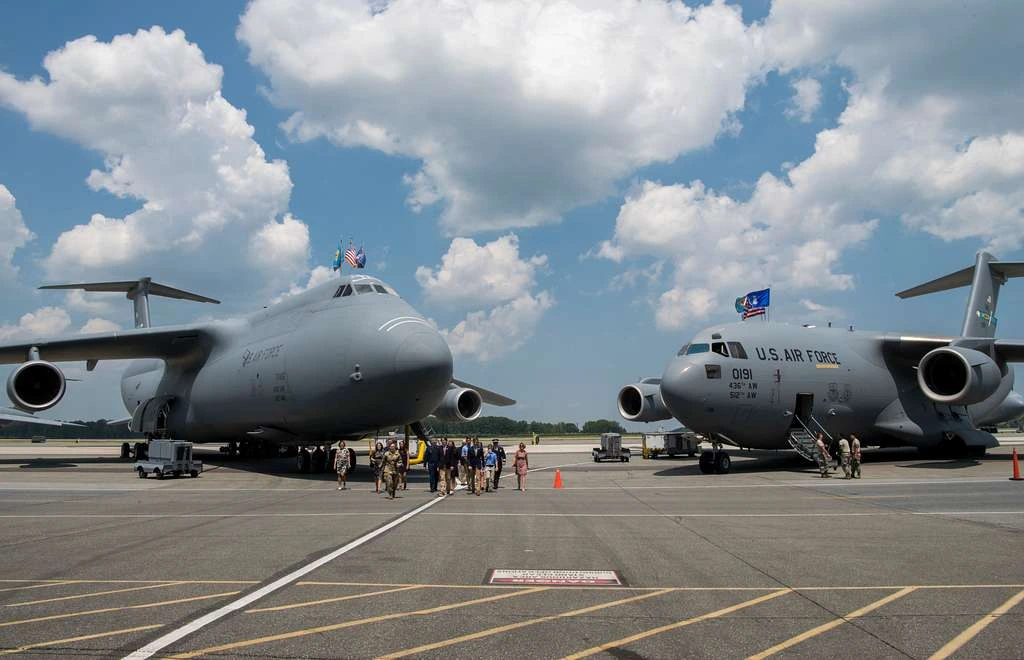
Aviation Technician Track Targets Deep Expertise
The specialty track will eventually provide another advancement opportunity for selected maintainers through the Master Aviation Technician (MAT) track.
The MAT pathway is intended for only a small percentage of the maintenance force. Rather than creating another broad specialty, it is designed to develop highly skilled maintainers with deep, cross-functional expertise on specific aircraft.
These technical experts would focus on diagnosing and resolving more complex aircraft problems. They are intended to become a core group that maintenance organizations can rely on when aircraft experience difficult or technically demanding failures.
The MAT track therefore serves a different purpose from the broader specialty system. Most maintainers would follow general training and specialty development, while a smaller group would receive additional specialization aimed at solving the hardest technical maintenance problems.
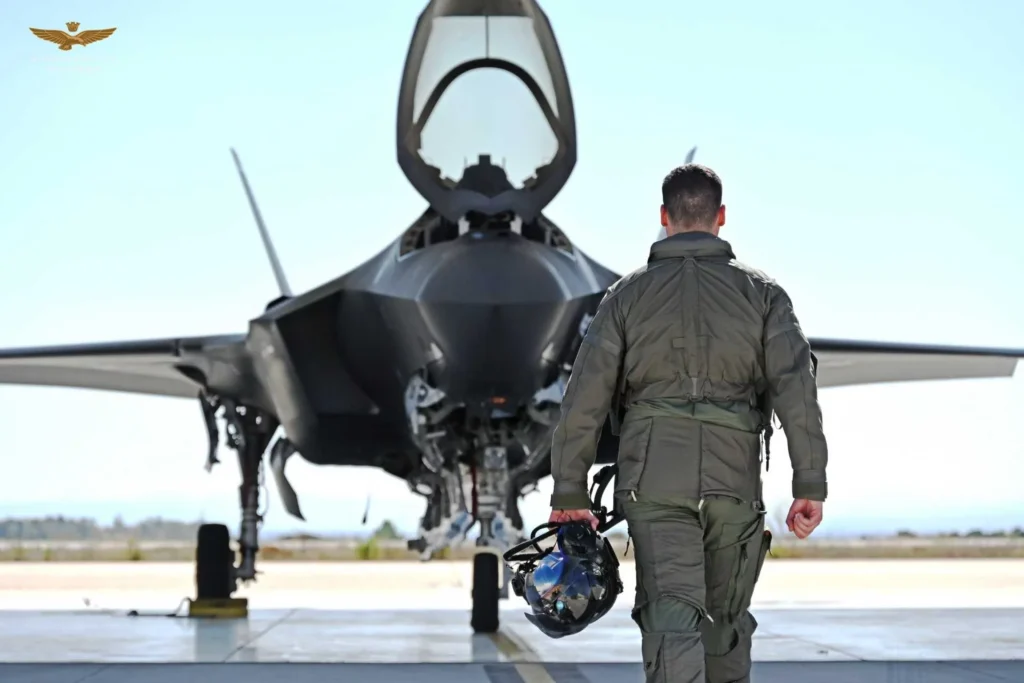
Concerns About Expertise Remain
The original transformation generated concerns among some current and former Air Force maintainers.
Critics questioned whether consolidating maintenance specialties could reduce technical depth across the career field. They also raised concerns that local leaders might have fewer highly specialized personnel immediately available to handle complex maintenance issues.
Bell acknowledged that those concerns were legitimate issues for the Air Force to address.
The revised strategy’s use of a broad foundation, multiple specialty options and a selective MAT track reflects the service’s effort to balance cross-functional capability with advanced technical expertise.
The Air Force has not presented the new model as a finished system. Instead, officials are using working groups and the planned pilot to refine the structure before moving toward wider implementation.
Major Implementation Challenge
The transformation is also being developed while the Air Force faces maintenance manning challenges.
Changing training pipelines and career structures requires the service to maintain operational maintenance capacity while introducing a new system for incoming personnel. That creates a practical challenge for units that already depend on experienced maintainers to keep aircraft available.
Bell said the 2A strategy could also support retention by giving new maintainers a clearer sense of purpose early in their careers.
The service is placing greater emphasis on what it calls “airmindedness” during Basic Military Training and technical training. The intent is to help Airmen understand that their individual duties contribute directly to combat airpower.
The maintenance strategy extends that concept by teaching sortie generation from the beginning of a maintainer’s career.
Bell said maintainers who can see their direct contribution to getting aircraft into the air may have a stronger sense that they are adding value. He identified that sense of purpose as a potential retention benefit of the revised career model.
18-Month Pilot Expected in 2027
The next major step is an 18 month pilot test planned for mid to late-2027.
The pilot will allow the Air Force to evaluate how the revised career structure works in practice, including its foundational training, specialty selection and development model.
The service expects the overall transformation to take years. The 14-AFSC structure therefore remains subject to further refinement as officials gather additional feedback and evaluate the pilot.
The revised strategy represents a shift away from a highly consolidated maintenance career structure toward a model that combines broad initial training, more specialty options and a smaller cadre of highly advanced technical experts.
The Air Force’s central objective remains tied to aircraft readiness: develop maintainers who can generate sorties early, build deeper technical skills over time and support complex maintenance requirements as they advance.
Stay tuned with us. Further, follow us on social media for the latest updates.
Join us on Telegram Group for the Latest Aviation Updates. Subsequently, follow us on Google News
