


PHOENIX- Honeywell Aerospace has introduced a new P40 upgrade for the F-35 Lightning II’s Power and Thermal Management System (PTMS), increasing cooling capacity from about 32 kilowatts to 40 kilowatts.
The company says the upgrade will provide a 25% increase in cooling capacity while improving reliability and supporting the fighter’s growing demand for thermal management.
The upgrade comes as the F-35 receives more advanced sensors, mission systems and computing equipment that generate additional heat.
Honeywell Aerospace says P40 can be integrated without airframe modifications and could be installed alongside the planned Engine Core Upgrade, allowing operators to add thermal capacity during scheduled maintenance.

F-35 Cooling Upgrade Boosts Thermal Capacity
The P40 package combines software improvements with targeted liquid-cooling enhancements within the existing PTMS architecture.
Honeywell says the approach avoids the extensive redesign and integration work that would be required to replace the deeply integrated system with a completely new architecture.
The company expects the technology to enter service between 2029 and 2030. That timeline would provide additional cooling capacity before a replacement PTMS architecture could be developed, qualified, and introduced across the F-35 fleet.
Honeywell has designed the PTMS to perform several critical functions beyond thermal management.
The system supports auxiliary and emergency power, engine starting, environmental control and cooling for aircraft mission equipment, making it an important part of the F-35’s overall systems architecture.
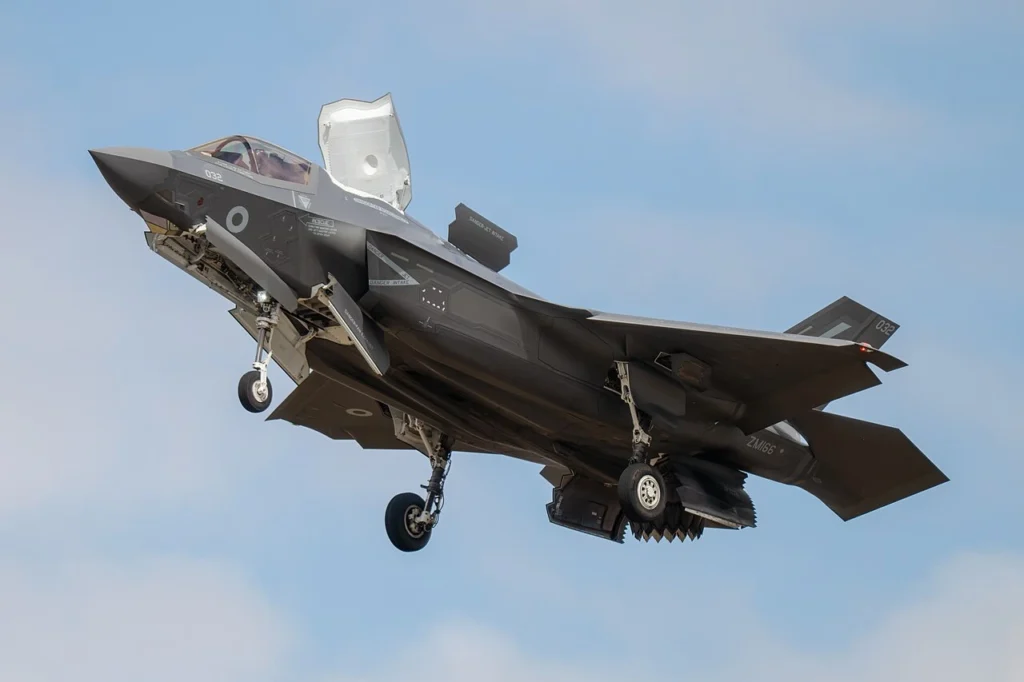
PTMS Reliability Gains Across Fleet Operations
Honeywell says P40 also targets reliability issues identified through analysis of almost 1 million F-35 flight hours.
The company has identified the causes of Honeywell-attributable non-resettable in-flight shutdowns and expects the corrective measures included in P40 to reduce such events by about 30%.
The PTMS has already accumulated more than 1 million flight hours across the global F-35 fleet.
Honeywell previously reported that the system had supported more than 1,100 F-35 aircraft, highlighting the scale of the existing architecture and its established support network.
The upgrade is also intended to reduce maintenance pressure while retaining the existing repair, tooling and technical-support infrastructure.
Operators would therefore be able to expand cooling capability without establishing an entirely new sustainment system.
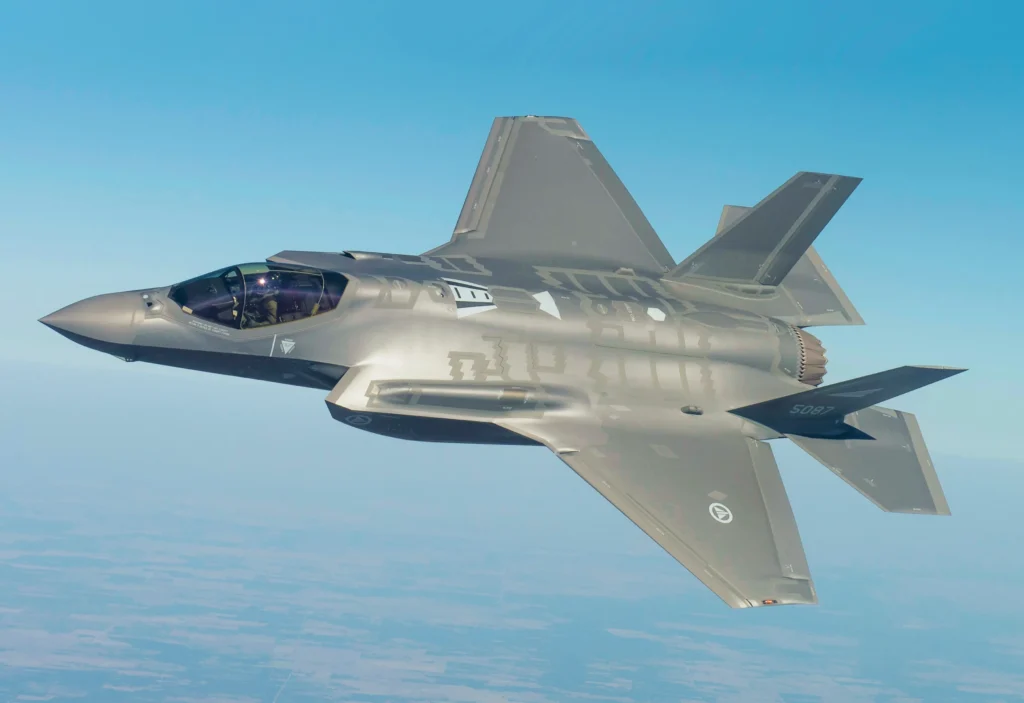
Future F-35 Thermal Capacity For Modernization Needs
Honeywell describes P40 as an intermediate step toward higher cooling levels as the F-35 continues to receive new mission equipment.
The company says the existing architecture can eventually support capacity increases to 62 kilowatts and beyond through phased upgrades.
That scalability is significant because future F-35 modernization will continue to increase electrical and thermal demands.
Honeywell has previously outlined upgrade paths that could push PTMS cooling capacity further while reusing much of the existing hardware and software, reducing the amount of new integration work required.
The P40 upgrade therefore focuses on expanding the capabilities of an established F-35 system rather than replacing it entirely.
Honeywell says this approach can preserve existing fleet investments while giving operators additional cooling capacity for future mission-system upgrades.
Stay tuned with us. Further, follow us on social media for the latest updates.
Join us on Telegram Group for the Latest Aviation Updates. Subsequently, follow us on Google News
