


ATLANTA- Delta Air Lines (DL) has chosen Amazon Leo instead of Starlink for its next-generation inflight connectivity, with the first 500 aircraft scheduled for installation beginning in 2028. The decision has gained new attention after reports about comments CEO Ed Bastian allegedly made about Elon Musk.
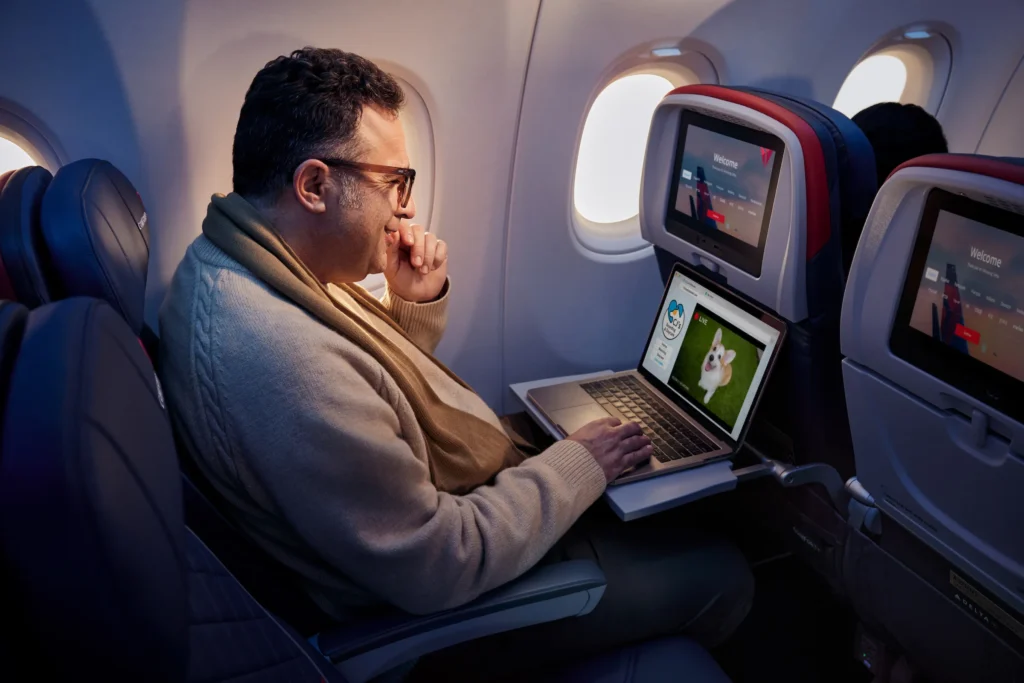
Delta already offers fast, free Wi-Fi across most of its fleet and plans to add Amazon Leo on hundreds of aircraft from 2028.
Delta’s Starlink Decision Comes Under Scrutiny
Delta’s decision not to adopt Starlink has become a bigger point of discussion after reports that Bastian addressed the issue at company events. The reported comments focus not only on connectivity technology but also on whether Delta wanted a commercial relationship with Musk.
According to reporting by OMAAT, JonNYC said Bastian was asked about Delta’s position on Starlink and reportedly replied, “We do not want to be with Elon Musk. Trust me.”
A separate earlier comment attributed to Bastian said Delta had tested Starlink but did not want to partner with Musk, adding, “If you know his reputation, it’s all true what they say about him.”
The quotations remain unverified firsthand. JonNYC said the information had been sent to him from a company event and that he did not know whether the quoted wording was accurate.
That limitation is important because the remarks form a major part of the story but have not been publicly confirmed by Delta in the sources reviewed.
What Delta Has Confirmed About Amazon Leo
Delta has publicly confirmed that it selected Amazon Leo for future inflight connectivity. The airline announced a long-term agreement with Amazon on March 31, 2026, saying it would introduce Amazon Leo on hundreds of aircraft, beginning with an initial installation on 500 aircraft in 2028.
The announcement also says the agreement builds on Delta’s existing use of Amazon Web Services.
Delta plans to use the service for high-speed, low-latency connectivity across domestic and international flights, including streaming, communications and other connected experiences.
Delta has not announced a commitment to equip its entire fleet with Amazon Leo. Its public announcement currently specifies hundreds of aircraft and an initial 500-aircraft installation beginning in 2028.
The 2028 date also needs careful context. Amazon Leo’s wider satellite network is being developed for commercial service earlier, while Delta’s own aircraft installations are scheduled to begin in 2028. Describing 2028 as the launch date for Amazon Leo itself would therefore be inaccurate.

Delta Already Has Extensive Wi-Fi Coverage
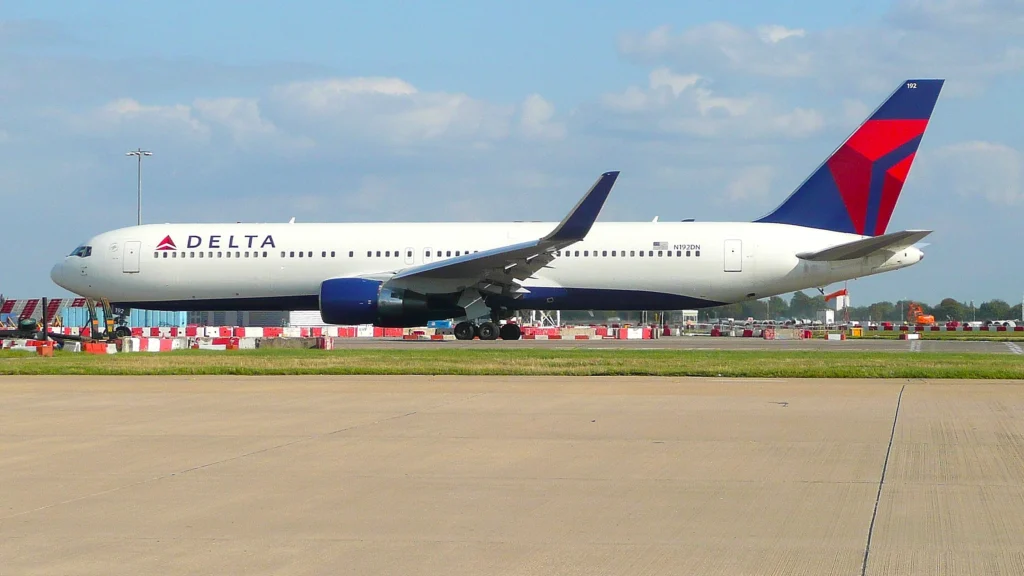
Delta is not waiting until 2028 to provide inflight internet. Airline said in May 2026 that its Delta Sync Wi-Fi, provided by T-Mobile and free for SkyMiles members, was available across more than 1,200 aircraft.
The airline said more than 160 million customer sessions had been recorded since the service launched and that its network covered most of its global operation, with trans-Pacific coverage coming online during 2026.
Amazon Leo is therefore intended to provide a new generation of satellite connectivity rather than replace an otherwise empty Wi-Fi system. Delta has positioned the future service around higher performance and additional digital experiences.
Amazon says its Leo network uses thousands of satellites in low Earth orbit and is designed to deliver high-speed, low-latency internet.
Its aviation antenna is specified to provide up to 1 Gbps of download speed and 400 Mbps of upload speed, with one antenna designed to support a full aircraft.
Delta has highlighted the system’s upload capacity as a particular benefit. The airline says passengers will be able to share photos and videos in real time and send large business files without waiting until landing.
The competing Starlink system has already gained significant adoption among airlines, which is what makes Delta’s longer installation timeline relevant to the debate.
United’s Starlink Rollout Highlights the Timing Gap
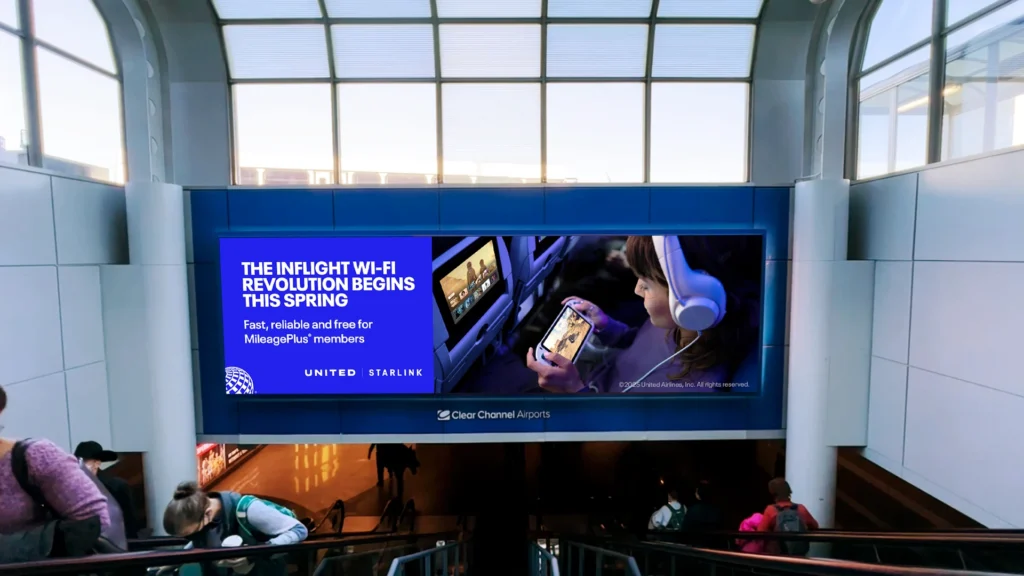
United Airlines has moved much more quickly with Starlink. In its second-quarter 2026 results, United said Starlink had been installed on 450 mainline and United Express aircraft and that the airline remained on track to equip its entire fleet by the end of 2027.
United also said Wi-Fi satisfaction on Starlink-equipped flights was more than twice as high as on other United flights.
A September 28 post by John LeFevre claimed that United had more than 600 Starlink-equipped aircraft, representing about 36% of its fleet, and that full coverage remained targeted for the end of 2027.
The figure was later cited in reporting about Musk’s response, but it was not the same as United’s most recent formal quarterly disclosure available in the sources reviewed.
The timing difference is straightforward. United is already expanding Starlink across its aircraft, with a stated fleetwide target for 2027, while Delta’s announced Amazon Leo installations do not begin until 2028.
Why Delta Chose Amazon Leo Remains Unclear
The reported Bastian comments raise questions about whether Musk personally influenced Delta’s decision or whether other commercial factors were more important.
One possibility raised by the original commentary is that Bastian genuinely objects to associating Delta with Musk. That interpretation cannot be independently established from the reported remarks alone.
Another possibility is that negotiations between Delta and Starlink created disagreements that have not been publicly disclosed. Public reporting has discussed talks between the companies, but neither Delta nor SpaceX has provided a complete public account of the negotiations in the sources reviewed.
A third possibility raised in the commentary is that Delta has concerns about Starlink’s long-term business or technical position. No public Delta statement reviewed here establishes that such a concern was a deciding factor.
The original analysis also raised the possibility that Bastian’s comments could have been influenced by Musk’s public involvement in the controversy. That remains an interpretation rather than an established explanation.
Original Report Included Other Company Comments
JonNYC’s reported account contained several other comments from the same company-event material that were separate from the Starlink discussion.
It included an unverified claim that Delta would generate roughly 70% of industry profits while representing about 20% of market share.
JonNYC specifically said he wanted to fact-check that claim and did not know the full context, including whether it referred only to US airlines or to a broader industry comparison. It should therefore not be treated as established data.
The same account reportedly said Delta would not match the previous year’s profit but would be close. It also relayed a statement that higher ticket prices had not reduced sales. Neither of those statements was independently verified in the reporting reviewed here.
The post also said Bastian had strongly reaffirmed Delta’s intention to begin Riyadh service. That point is separate from the Starlink dispute but was included in the company-event material supplied to JonNYC.

Musk Responds to Delta Debate
The issue became more public after Musk responded on X to the discussion about Delta and United.
After John LeFevre wrote that United had more than 600 Starlink-equipped aircraft and that passengers would book accordingly, Musk replied, “Delta will lose a lot of customers.” That statement was Musk’s prediction and should not be presented as an established forecast of Delta’s future demand.
Musk’s response adds another layer to the dispute because it moves the discussion beyond airline technology choices and into a direct public exchange involving the chief executive of SpaceX.
Starlink’s Appeal to Airlines
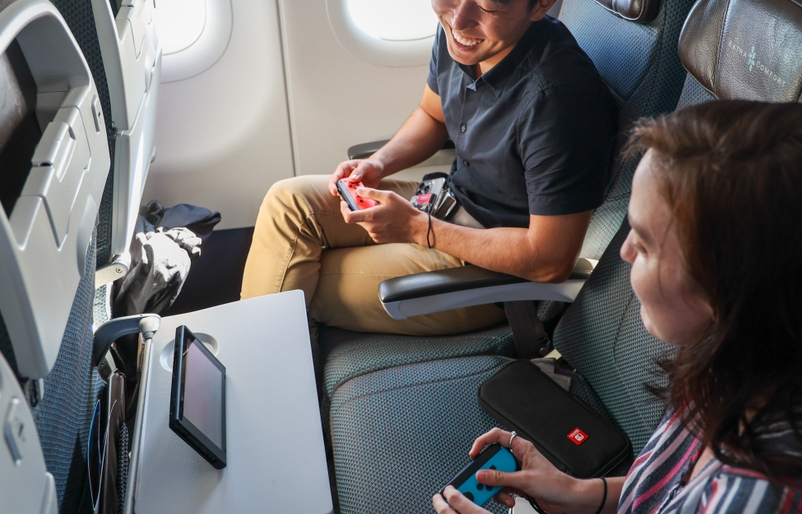
The original commentary argued that Starlink is a substantial improvement over conventional inflight connectivity and that there is currently no alternative delivering the same combination of speed and performance at comparable scale.
That assessment is partly supported by airline customer data. United reported that customer satisfaction with Wi-Fi on Starlink-equipped flights was more than twice as high as on its other aircraft in its second-quarter 2026 results.
The wider airline market is also moving toward low-Earth-orbit satellite connectivity. That trend makes the timing of Delta’s 2028 Amazon Leo rollout more consequential, particularly for travelers who place a high value on inflight internet.
At the same time, the choice of connectivity provider remains a business decision. Airlines can consider pricing, technical performance, integration requirements, supplier relationships, operational needs and other commercial factors when selecting a system.

Questions Around Bastian’s Position
The reported remarks have led to a more specific question: why would Delta reject Starlink if its own testing reportedly showed the system was technically viable?
The available evidence does not provide a definitive answer.
Delta’s public communications emphasize Amazon Leo’s capabilities and its relationship with Amazon and AWS. The reported Bastian comments emphasize Musk and the decision not to partner with him. Those two explanations can coexist, but the available public record does not establish how much weight each factor carried in Delta’s final decision.
The original commentary also questioned whether Bastian’s position should be interpreted as a personal principle, noting that he has made favorable comments about other individuals. Because that comparison is subjective and the relevant remarks were not established in the source material, it is better understood as editorial analysis rather than evidence about the Starlink decision.
The source likewise contrasted the word “principled” with Delta’s strong emphasis on its premium positioning. That is a characterization from the original commentary, not an independent factual assessment of Bastian’s motives.
Current Evidence
The confirmed facts are more limited than the speculation surrounding the story.
Delta has chosen Amazon Leo and plans to begin installations on 500 aircraft in 2028. Delta already provides fast, free Wi-Fi across most of its fleet. United is rapidly expanding Starlink and says it remains on track for fleetwide deployment by the end of 2027. Musk has publicly criticized Delta’s choice.
The reported Bastian comments provide a possible explanation for why Delta did not choose Starlink, but they do not establish whether his personal view of Musk was the primary reason.
Until Delta or other directly involved parties provide more detail about the decision process, the commercial and strategic reasoning behind the choice remains only partly public.
Bottom Line
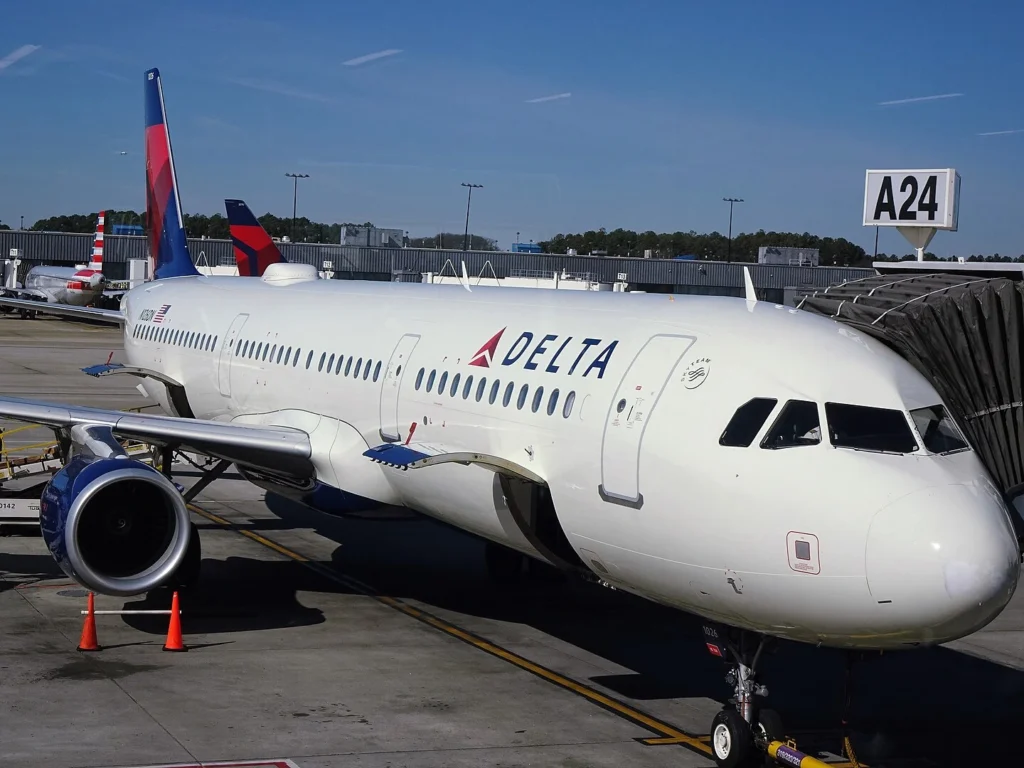
Delta Air Lines (DL) has selected Amazon Leo rather than Starlink for its next-generation inflight connectivity, with the first 500 aircraft scheduled to receive the system beginning in 2028. Delta has not publicly committed to installing Amazon Leo across its entire fleet.
Reports attributed to CEO Ed Bastian suggest that his reluctance to partner with Elon Musk may have played a role in Delta’s rejection of Starlink. However, those remarks have not been independently verified firsthand, and the public record does not establish whether personal concerns, commercial negotiations, technology considerations or other factors were decisive.
The competitive backdrop is clear: United is already expanding Starlink and targets fleetwide coverage by the end of 2027, giving Delta and Amazon a later timetable for their next-generation connectivity rollout.
Stay tuned with us. Further, follow us on social media for the latest updates.
Join us on Telegram Group for the Latest Aviation Updates. Subsequently, follow us on Google News
