


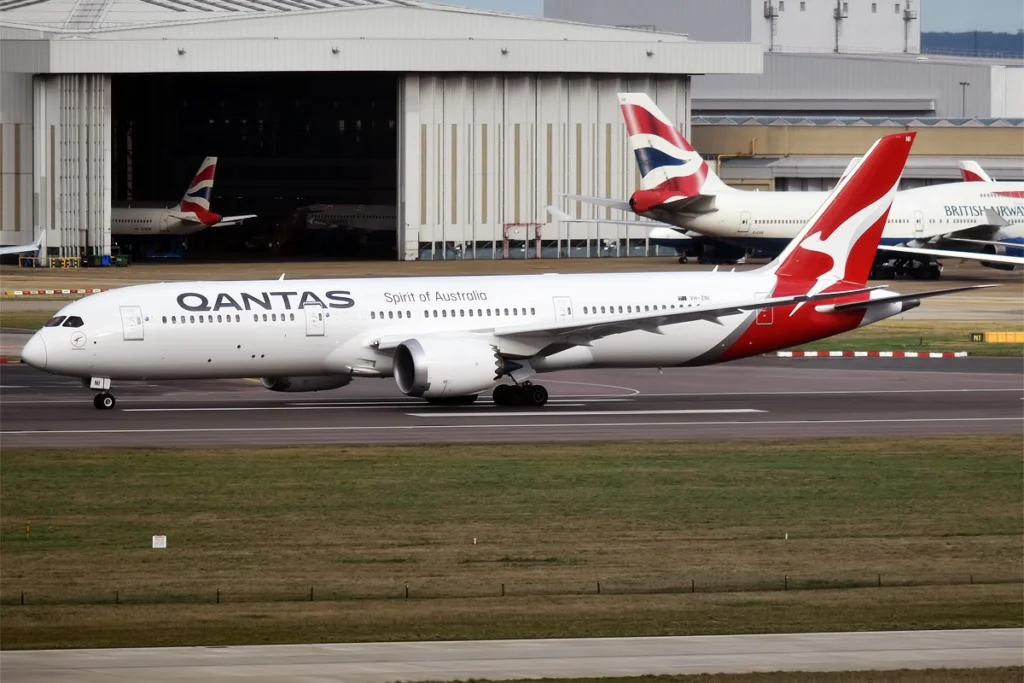
SYDNEY— Qantas (QF) is in discussions with Airbus and Boeing to convert around 20 existing widebody purchase options into firm orders as it prepares to gradually retire its 10 Airbus A380s from 2028.
The potential aircraft additions would strengthen Qantas’ international fleet from 2030, supporting long-haul operations such as Perth (PER)-London (LHR) and Auckland (AKL)-New York (JFK). The airline is also preparing to introduce the Airbus A350-1000ULR on non-stop Sydney (SYD)-London (LHR) flights in October 2027.
Qantas Considers 20 Additional Widebody Aircraft
Speaking at Qantas’ annual general meeting in Canberra on November 6, 2026, Group CEO Vanessa Hudson confirmed that the airline is negotiating with Airbus and Boeing over its existing aircraft purchase options.
The discussions involve converting approximately 20 widebody purchase options into firm orders from 2030. These options provide Qantas with the right to purchase additional aircraft beyond its existing commitments.
The options cover the Airbus A350-1000 and Boeing 787 families, which already form an important part of the airline’s international fleet renewal strategy.
However, Qantas has not announced the final number of aircraft it intends to purchase from each manufacturer or confirmed the specific delivery schedule for the additional orders.
The potential commitments would support two objectives: replacing older aircraft and expanding international capacity as demand for long-haul travel grows.
Hudson also stressed that the Airbus A380 would remain an important part of Qantas’ operations during the transition.
She said the aircraft would continue flying for several years, even as the airline gradually begins retiring the fleet from 2028, Executive Traveller reported.
Qantas’ Existing Airbus A350 and Boeing 787 Orders
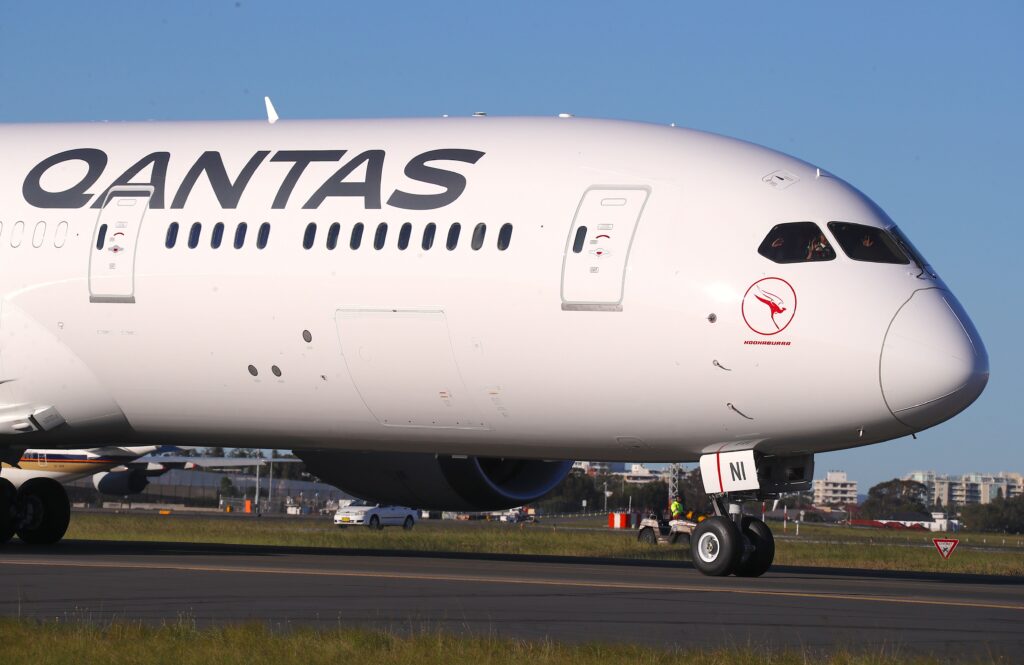
Qantas already has three major widebody aircraft commitments covering Airbus A350-1000s and Boeing 787 Dreamliners.
The existing orders include 12 Airbus A350-1000ULRs for Project Sunrise, 12 standard Airbus A350-1000LR aircraft and 12 Boeing 787s.
The combined firm orders represent 36 aircraft, separate from the approximately 20 additional purchase options currently under discussion.
The aircraft form the backbone of Qantas’ plans to modernise its international fleet and gradually replace older Airbus A380 and A330 aircraft.
The existing aircraft commitments include the following:
| Aircraft | Firm orders | Planned introduction |
|---|---|---|
| Airbus A350-1000ULR | 12 | First delivery in April 2027 |
| Airbus A350-1000LR | 12 | First delivery expected in FY2029 |
| Boeing 787-9 | 4 | Deliveries from FY2028 |
| Boeing 787-10 | 8 | First delivery expected in FY2031 |
Delivery timelines reflect Qantas’ published fleet plans and remain subject to changes.
Project Sunrise A350-1000ULR Deliveries
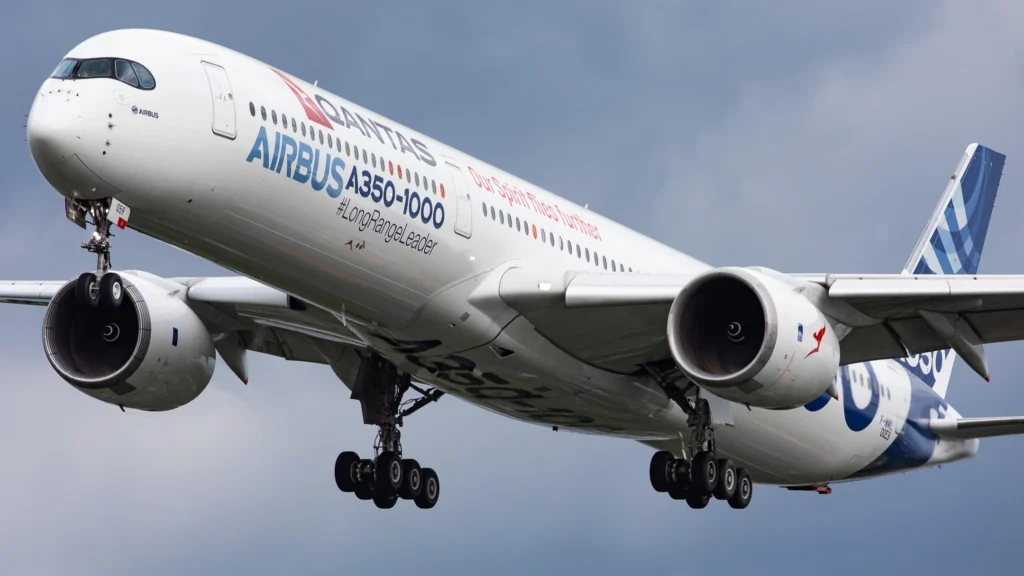
The first Airbus A350-1000ULR, named Vega, is scheduled for delivery in April 2027.
The aircraft will operate Qantas’ new non-stop Sydney-London service from October 2027 under Project Sunrise. The airline plans to introduce 12 aircraft, each configured with 238 seats across four cabins.
The A350-1000ULR features an additional 20,000-litre fuel tank, allowing it to fly more than 16,000 kilometres and operate flights lasting up to 22 hours.
Qantas expects the aircraft to transform its ultra-long-haul operations by reducing journey times and eliminating intermediate stops on selected international routes.
Sydney-New York is also part of the airline’s planned Project Sunrise expansion, with the route expected to follow Sydney-London.
Boeing 787-9 and 787-10 Deliveries
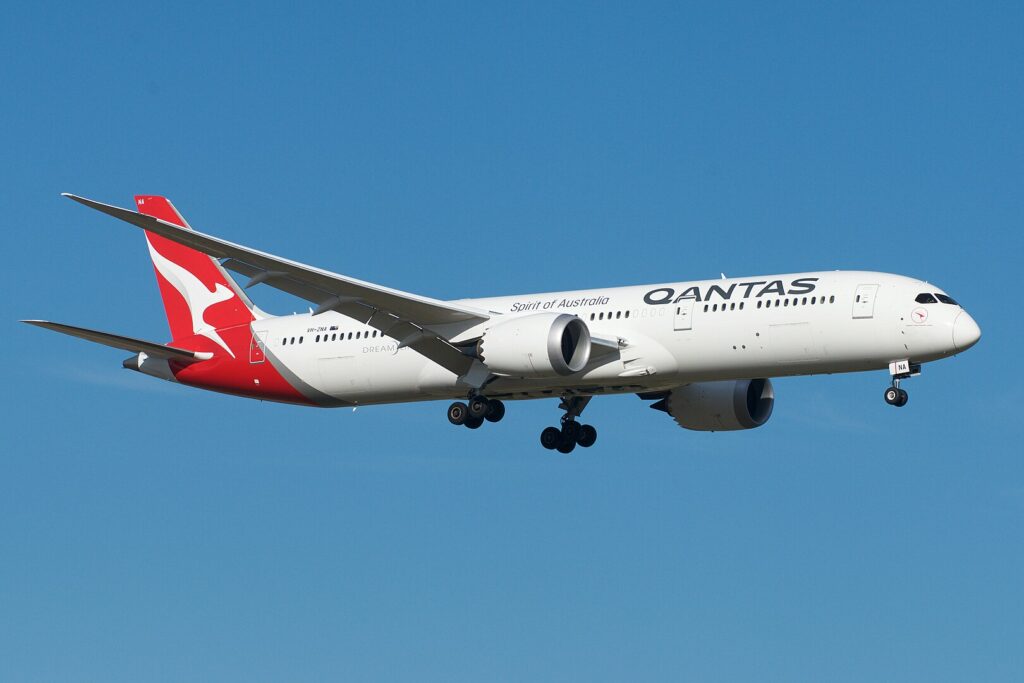
Qantas will also expand its Boeing 787 fleet through the arrival of 12 additional Dreamliners.
The order includes four Boeing 787-9 aircraft and eight larger Boeing 787-10 aircraft.
The first additional 787-9s are expected to arrive from FY2028, followed by the introduction of the larger 787-10s.
The new aircraft will feature Qantas’ updated Business Class product, with additional personal space, sliding privacy doors and larger entertainment screens.
Qantas expects the additional Dreamliners to provide greater flexibility across its international network while supporting the retirement of older aircraft.
The airline has also indicated that some of the new aircraft will support international network expansion rather than simply replacing existing capacity.
Its seasonal non-stop Australia-Cape Town services, planned between October 2027 and March 2028, demonstrate how the additional Dreamliners could support new international routes.
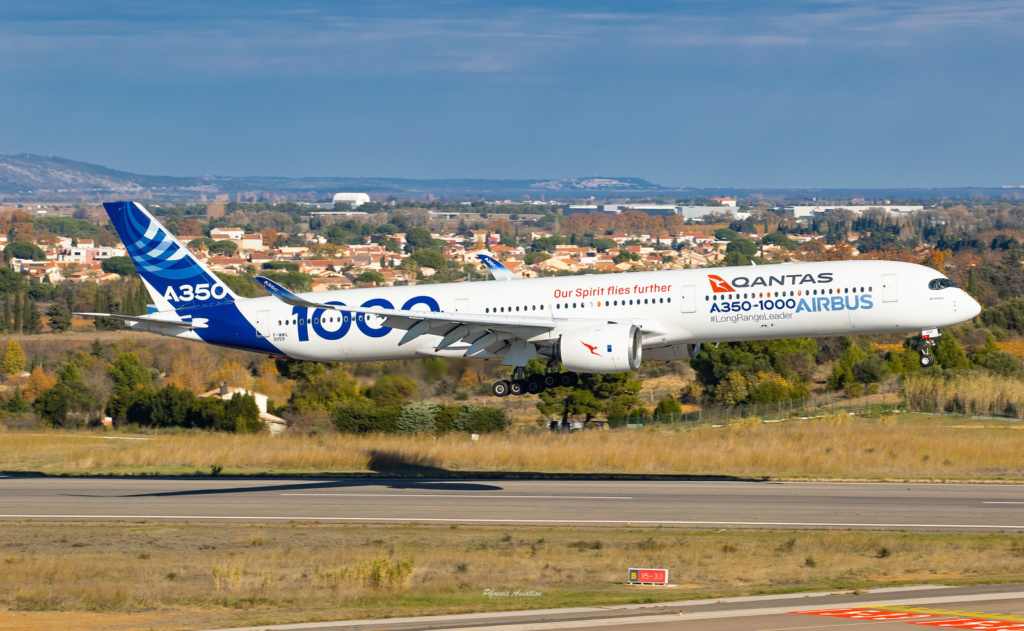
How the A350 Will Transform Qantas’ International Network
Qantas’ aircraft renewal strategy involves assigning different aircraft to routes based on their range, capacity and passenger demand.
The Airbus A350-1000ULR will initially support Project Sunrise services between Sydney and London, followed by Sydney and New York.
The standard A350-1000LR will serve the airline’s broader long-haul network. Qantas’ August 2026 fleet presentation lists the LR version separately, with its first delivery expected in FY2029.
Meanwhile, the Boeing 787 continues to serve important long-distance routes, including Perth-London and Auckland-New York.
Qantas’ published fleet plans do not confirm that the A350-1000ULR will replace the 787 on Perth-London or that three Dreamliners will immediately become available through such a change. The announced ULR deployment is centred on Project Sunrise.
The additional aircraft will eventually provide more flexibility to allocate capacity between existing international routes and new destinations.
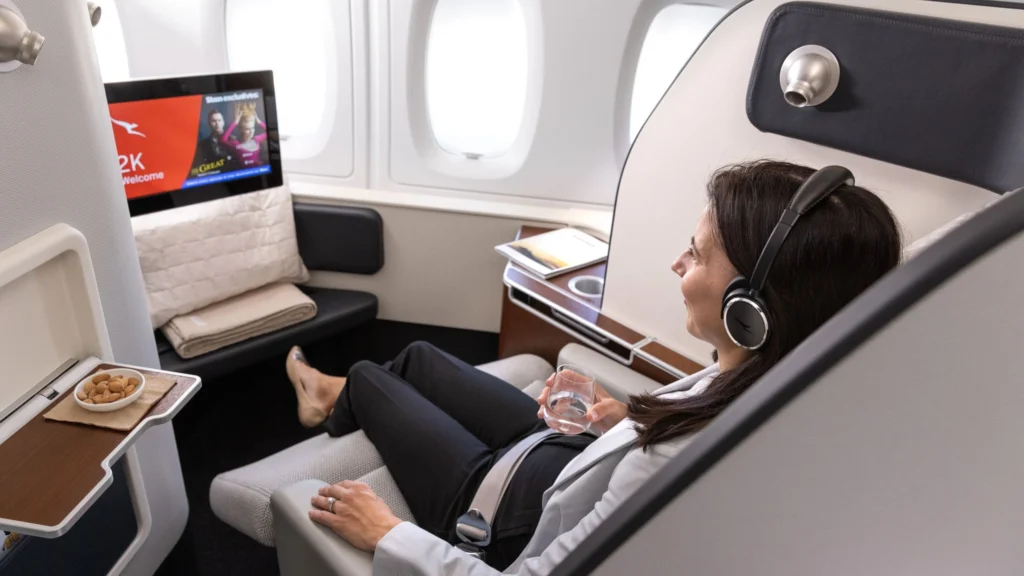
Qantas Strengthens Its Premium Cabin Strategy
Another important part of Qantas’ fleet renewal is the expansion of premium cabin capacity.
The airline expects its next-generation aircraft to attract higher-paying international passengers through improved Business Class, First Class and Premium Economy products.
At its August 2026 investor update, Qantas International CEO Cam Wallace outlined plans to increase the premium cabin mix from 19% in FY2026 to 28% by FY2031.
The airline also reported that its premium cabin revenue per available seat kilometre (RASK) was approximately four times the equivalent figure for Economy Class.
International premium cabin revenue increased 15% during FY2026, highlighting the importance of premium travel to Qantas’ future earnings strategy.
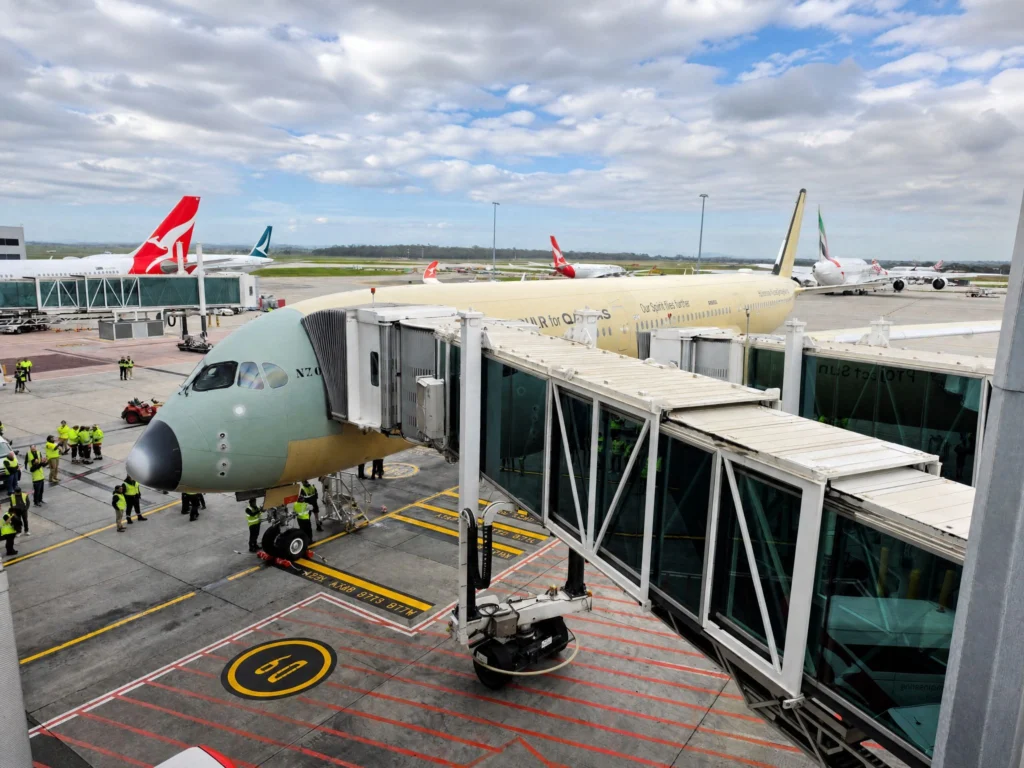
A350 Aircraft Will Feature More Premium Seats
Qantas’ planned Airbus A350-1000LR and A350-1000ULR aircraft will dedicate more than 40% of their available capacity to premium cabins.
This represents a significant increase compared with the existing Boeing 787 and Airbus A380 configurations, where premium cabins account for approximately 30% of capacity.
The A350-1000ULR will feature 238 seats across First Class, Business Class, Premium Economy and Economy.
The standard A350-1000LR is expected to accommodate more than 250 passengers, with its final configuration subject to confirmation.
The A350 aircraft replacing the A380s are also expected to retain six First Class suites, although they will not include the dedicated Wellbeing Zone developed for Project Sunrise flights.
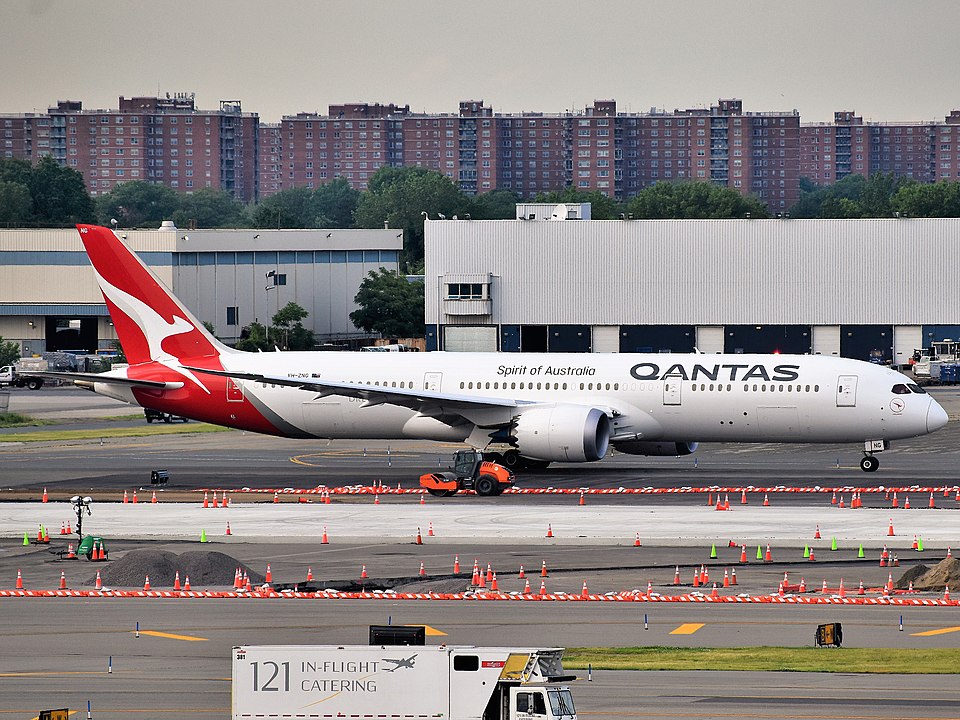
Boeing 787s Will Receive Updated Business Class Cabins
Qantas is also investing in its Boeing 787 passenger experience.
The updated Business Class suites will introduce sliding privacy doors, providing passengers with greater privacy during long-haul flights.
The redesigned seats will also feature 19-inch entertainment screens, compared with the previous 16-inch displays, alongside additional legroom and improved knee clearance in the footwell.
The aircraft will retain Business Class, Premium Economy and Economy cabins, allowing Qantas to maintain consistent passenger offerings across its international network.
Qantas is also introducing Economy Plus, which provides additional legroom, priority boarding and more overhead locker space.
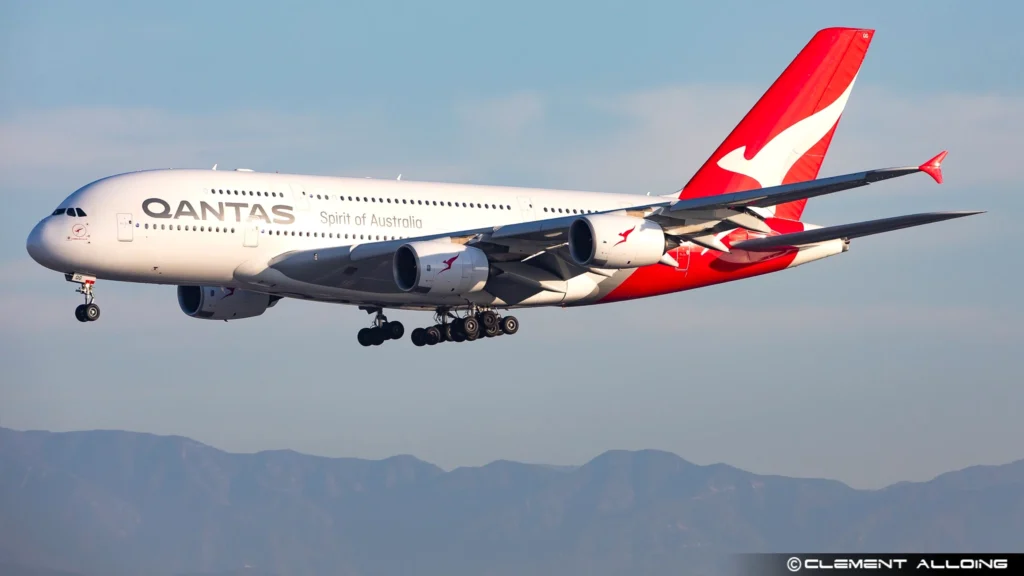
Qantas Prepares for Airbus A380 Retirement From 2028
The Airbus A380 retirement programme represents a major part of Qantas’ international fleet transformation.
The airline operated 10 A380s as of June 2026, each offering significantly greater passenger capacity than its Boeing 787-9 fleet.
Qantas’ published fleet planning data lists the A380 with 485 seats, compared with 236 seats on its Boeing 787-9.
This difference makes replacing the superjumbo more complicated than simply introducing smaller aircraft. Qantas must carefully manage capacity, frequencies and passenger demand across its major international routes.
The airline plans to use the Airbus A350 and Boeing 787 families to maintain its international network while improving fleet efficiency.
Hudson has indicated that the A380s will continue operating for several years, suggesting that the airline will manage their retirement progressively rather than withdraw the entire fleet immediately.
The first retirements are scheduled to begin in calendar year 2028.
The potential conversion of approximately 20 additional aircraft options into firm orders would provide Qantas with further flexibility as it approaches this transition.
With its existing 36 widebody aircraft commitments, Project Sunrise expansion and planned A380 retirements, Qantas is preparing for one of the most significant transformations of its international fleet in recent years.
Stay tuned with us. Further, follow us on social media for the latest updates.
Join us on Telegram Group for the Latest Aviation Updates. Subsequently, follow us on Google News
