

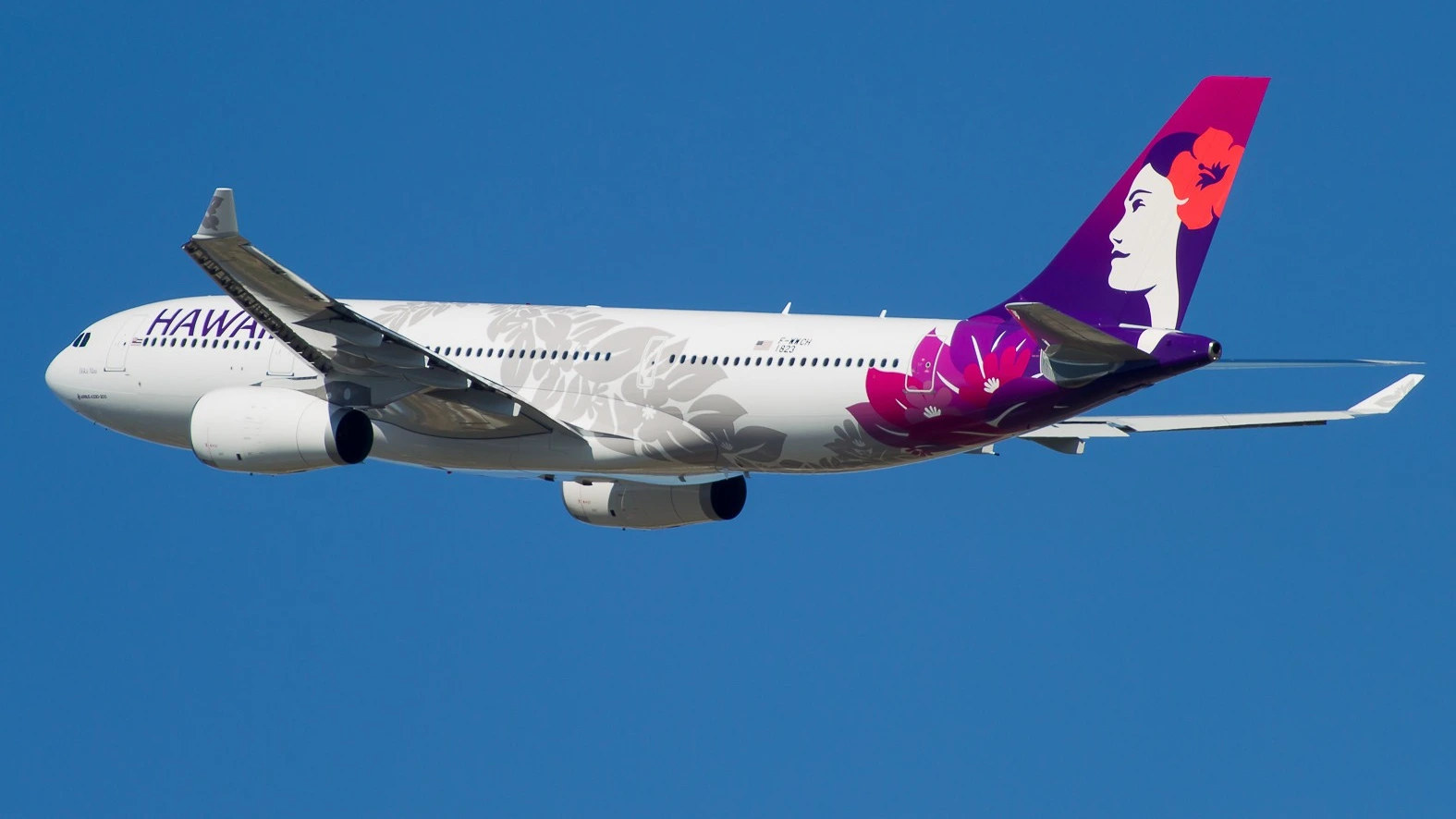
SEATTLE- Alaska Airlines (AS) flight AS 803 from Los Angeles International Airport (LAX) to Daniel K. Inouye International Airport (HNL) on September 24, 2026, became the focus of a cabin odor incident after 7 flight attendants reported symptoms including nausea and headaches. Emergency medical responders met the aircraft after it landed in Honolulu.
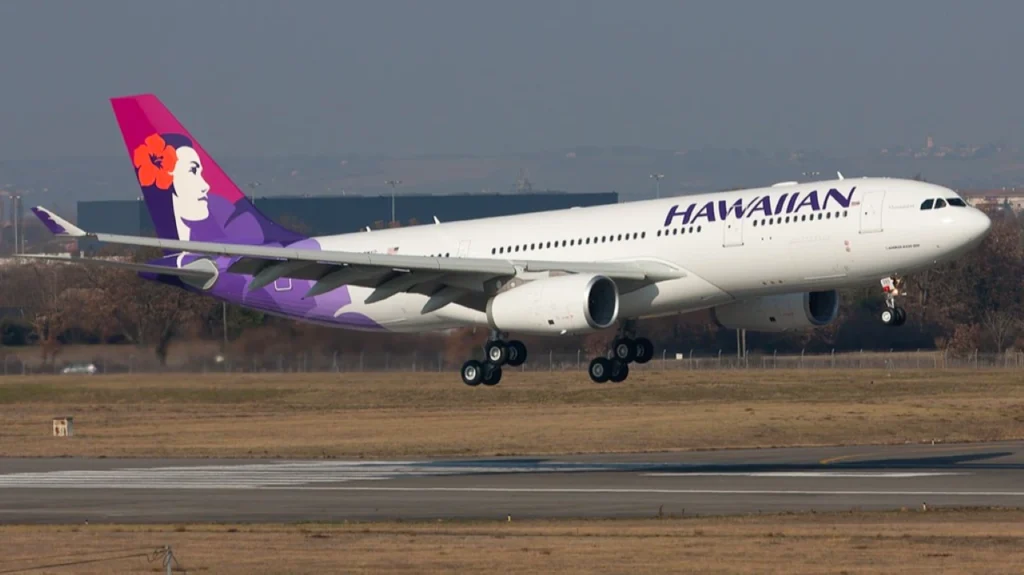
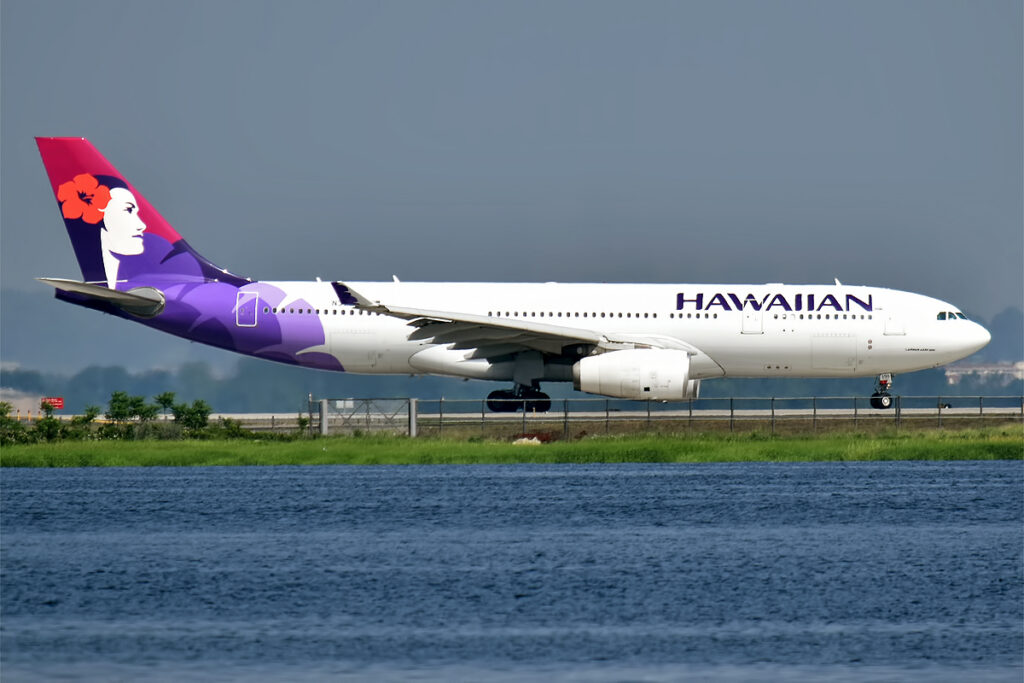
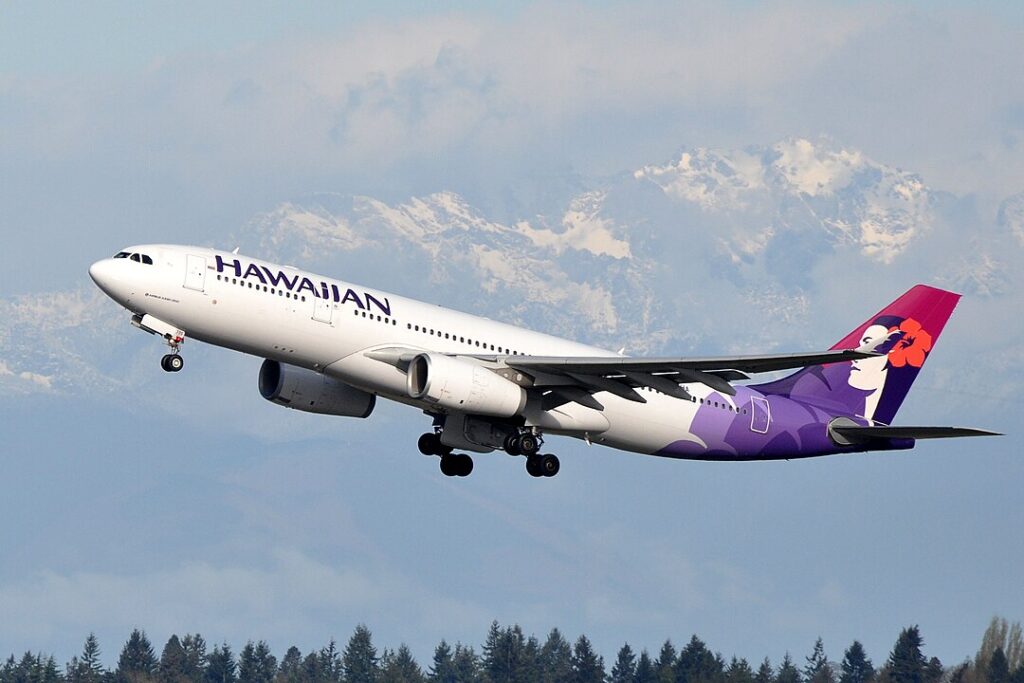
The flight was marketed by Alaska Airlines but operated by Hawaiian Airlines (HA) using an Airbus A330-200 registered N375HA. The source of the odor has not been publicly identified, while the same aircraft was involved in another unusual odor incident in 2025.
Seven Crew Members Report Illness After Cabin Odor
The incident occurred on Alaska Airlines flight AS-803, which operated from Los Angeles to Honolulu on September 24.
Alaska’s flight status information confirms that the service was operated by Hawaiian Airlines and that aircraft N375HA, an Airbus A330-200, was assigned to the flight.
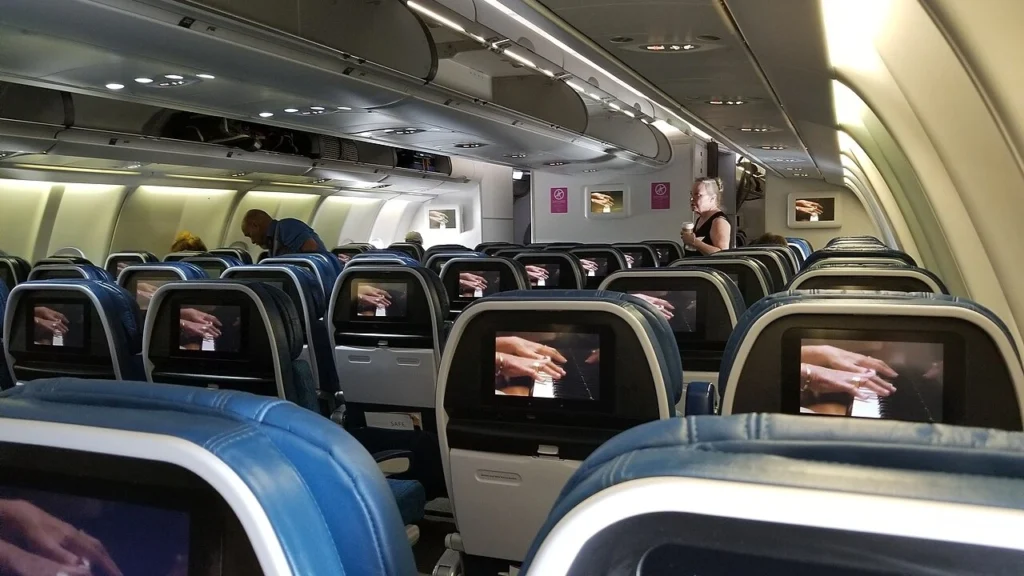
According to reporting by PYOK, the aircraft carried 252 passengers. During the flight, several crew members noticed an unusual odor, and 7 flight attendants later reported feeling physically ill. Their reported symptoms included headaches and nausea.
Medical responders met the aircraft at Honolulu after arrival. The seven flight attendants were assessed on the ground, but none accepted transportation to an emergency department. Hawaiian Airlines said that no guests required medical attention.
| Detail | Information |
|---|---|
| Airline marketed as | Alaska Airlines (AS) |
| Operating airline | Hawaiian Airlines (HA) |
| Flight | AS-803 |
| Route | Los Angeles (LAX) to Honolulu (HNL) |
| Aircraft | Airbus A330-200 |
| Registration | N375HA |
| Reported passengers | 252 |
| Arrival airport | Daniel K. Inouye International Airport (HNL) |
Alaska Airlines and Hawaiian Airlines have operated under the same corporate group since Alaska Air Group completed its acquisition of Hawaiian Holdings in September 2024.
The companies retained both airline brands, and Alaska’s current flight-status system identifies Hawaiian as the operator of AS-803.
Aircraft Had Previous Odor Incident
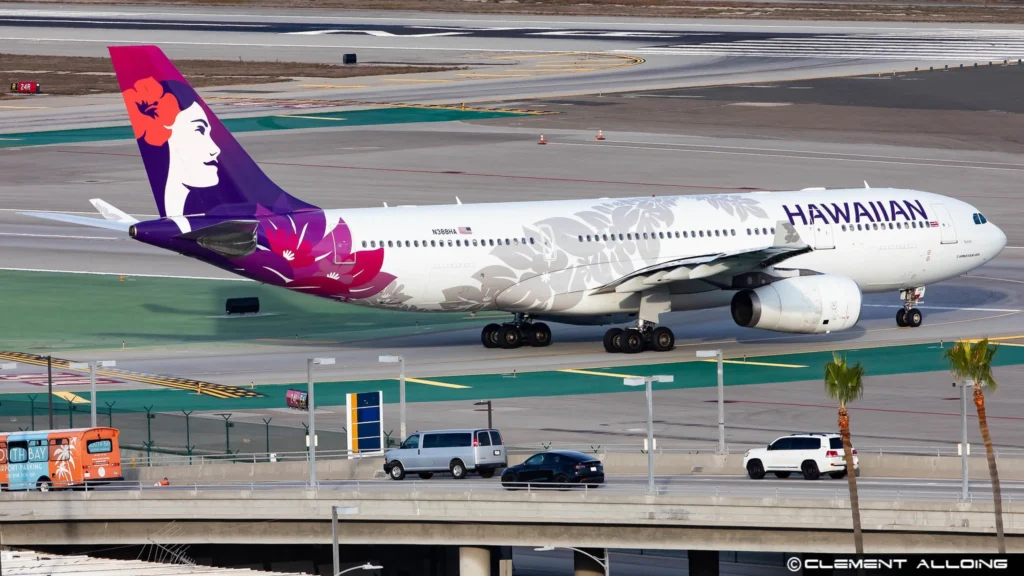
The latest event is notable because N375HA was involved in a similar incident on June 23, 2025.
The Airbus A330-200 was operating Hawaiian Airlines flight HA-864 from Tokyo Haneda Airport (HND) to Honolulu when the flight crew detected an unusual odor in the cockpit shortly after departure.
The aircraft returned to Haneda without reported injuries and was removed from service for approximately 26 hours while inspections were carried out.
The 2025 aircraft incident involved the same registration, N375HA, making the September 2026 occurrence a repeat odor-related event involving the aircraft. Available reporting does not establish that the two incidents had the same mechanical cause.
Following the September 24 event, N375HA returned to service. Alaska’s flight records show the aircraft operating flight AS-808 from Honolulu to Las Vegas later that day.
Cause of Odor Remains Unconfirmed
There is no public evidence establishing what caused the odor on AS-803. That distinction is important because aircraft cabin odor incidents can have several possible sources, including mechanical, electrical, environmental-control, or fluid-related problems.
The Federal Aviation Administration states that rare mechanical issues, such as an engine oil seal failure or problems involving recirculation fan bearings, can allow fumes to enter an aircraft cabin. The agency requires airlines to report such incidents and investigates the causes as part of the safety process.
Aviation research has also examined contaminated air events associated with oil or hydraulic-fluid leaks. FAA research describes how oil or other fluids can enter aircraft air-conditioning systems through engine or auxiliary power unit systems during abnormal conditions.
That mechanism is one possible explanation for some fume events, but it should not be presented as the confirmed cause of the AS-803 incident. No public maintenance finding has identified the source of the odor on this flight.
Another Fume Incident
The AS 803 event followed another aviation incident that brought emergency responders to Honolulu.
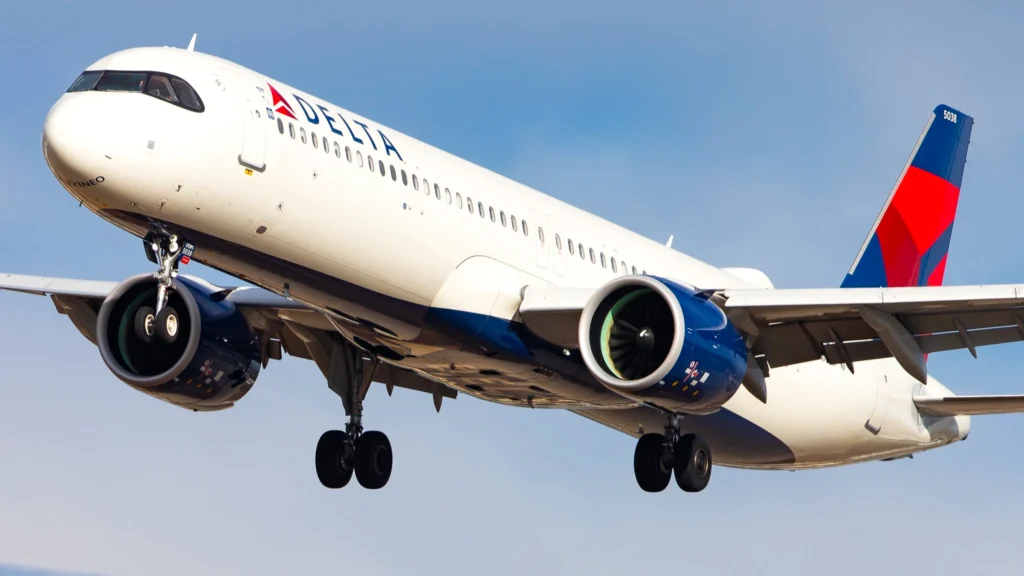
On September 20, 2026, Delta Air Lines flight DL-394 from Kahului Airport (OGG) to Seattle experienced reported fumes shortly after departure and diverted to Honolulu. Hawaii News Now reported that several people experienced headaches and nausea after exposure to the fumes.
Three passengers were transported to an emergency room, while another person was also treated and transported by the Federal Fire Department.
AeroInside reported that the Delta crew described the problem as fuel fumes and that fuel was observed discharging from the aircraft after landing. The aircraft involved was an Airbus A321neo.
The two incidents occurred within the same week and involved different airlines and aircraft types. They should therefore be treated as separate events unless investigators establish a common cause.
Why Cabin Air Systems Matters?
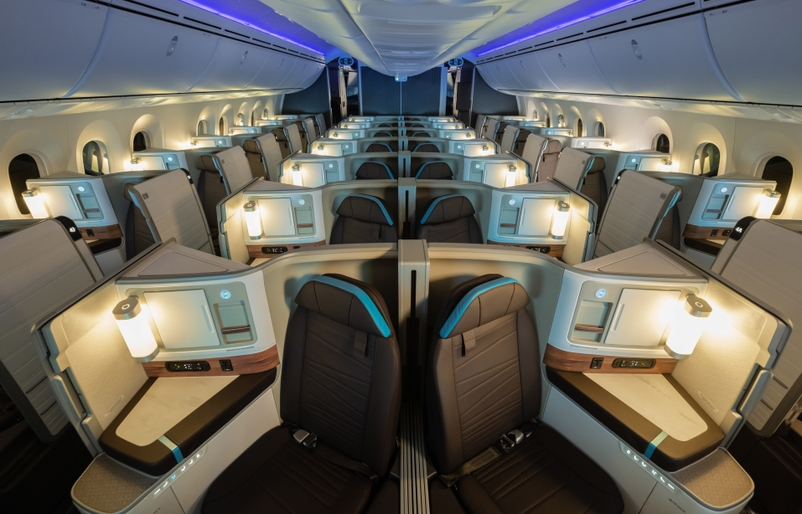
Many commercial aircraft use environmental-control systems that incorporate air supplied through engine or auxiliary power unit systems. When a mechanical fault allows oil, hydraulic fluid, or other substances to enter an air supply system, unusual smells or fumes can sometimes reach the cabin or cockpit.
The FAA describes these events as rare and notes that U.S. aircraft certification requirements are designed to ensure that cabin and crew-compartment air remains free from harmful concentrations of smoke, vapor, or toxic or noxious fumes during normal operations and probable failure conditions.
The agency also says that normal cabin air quality generally meets established standards and continues to study air-quality events to improve detection and response. This provides important context when evaluating reports of individual odor incidents.
Symptoms reported during an odor or fume event can vary. Headache, nausea, dizziness, and irritation have been reported in connection with cabin-air contamination events, but the presence of those symptoms alone does not establish the chemical composition or source of a particular odor.
Eastman Turbo Oil Draws Labor Concerns
The recent incidents also come as the aviation industry debates a new lubricant called Eastman Turbo Oil 2330, or ETO 2330.
Eastman developed ETO 2330 specifically for aircraft auxiliary power units. The company says the product has an “inoffensive odor profile” and is intended to reduce cabin odor events and related unscheduled maintenance. Eastman also says the oil can enter cabin air systems if it leaks from equipment and reacts with heat and moisture.
The product is not described by Eastman simply as a replacement for the oil used in an aircraft’s main engines. Its stated application is the auxiliary power unit, which supplies power on the ground and supports other aircraft functions.
Labor organizations have raised a separate safety concern about the product’s reduced odor. The International Transport Workers’ Federation said in August 2026 that crew members need to be able to recognize and report cabin-air contamination events and called for an investigation and occupational-health review of ETO 2330.
The Association of Flight Attendants-CWA has also criticized the introduction of low-odor aviation oils, arguing that odor can provide an early warning that helps crews identify and document a fume event. These are union positions, not regulatory findings that ETO 2330 is unsafe.
What Is Known About AS 803
The September 24 incident establishes that 7 flight attendants reported illness after an unusual odor was detected during the Alaska Airlines service to Honolulu. Emergency medical personnel responded after landing, and the crew members declined hospital transportation.
The aircraft was identified as Hawaiian Airlines’ Airbus A330-200 N375HA, and flight records show that it returned to service later the same day.
What remains unresolved is the source of the odor and whether it was caused by an aircraft mechanical issue, a cabin-system issue, or another source. Until maintenance findings or an official investigation identify the cause, links to engine oil, bleed air, or any particular lubricant remain possible explanations rather than established facts.
Stay tuned with us. Further, follow us on social media for the latest updates.
Join us on Telegram Group for the Latest Aviation Updates. Subsequently, follow us on Google News
