

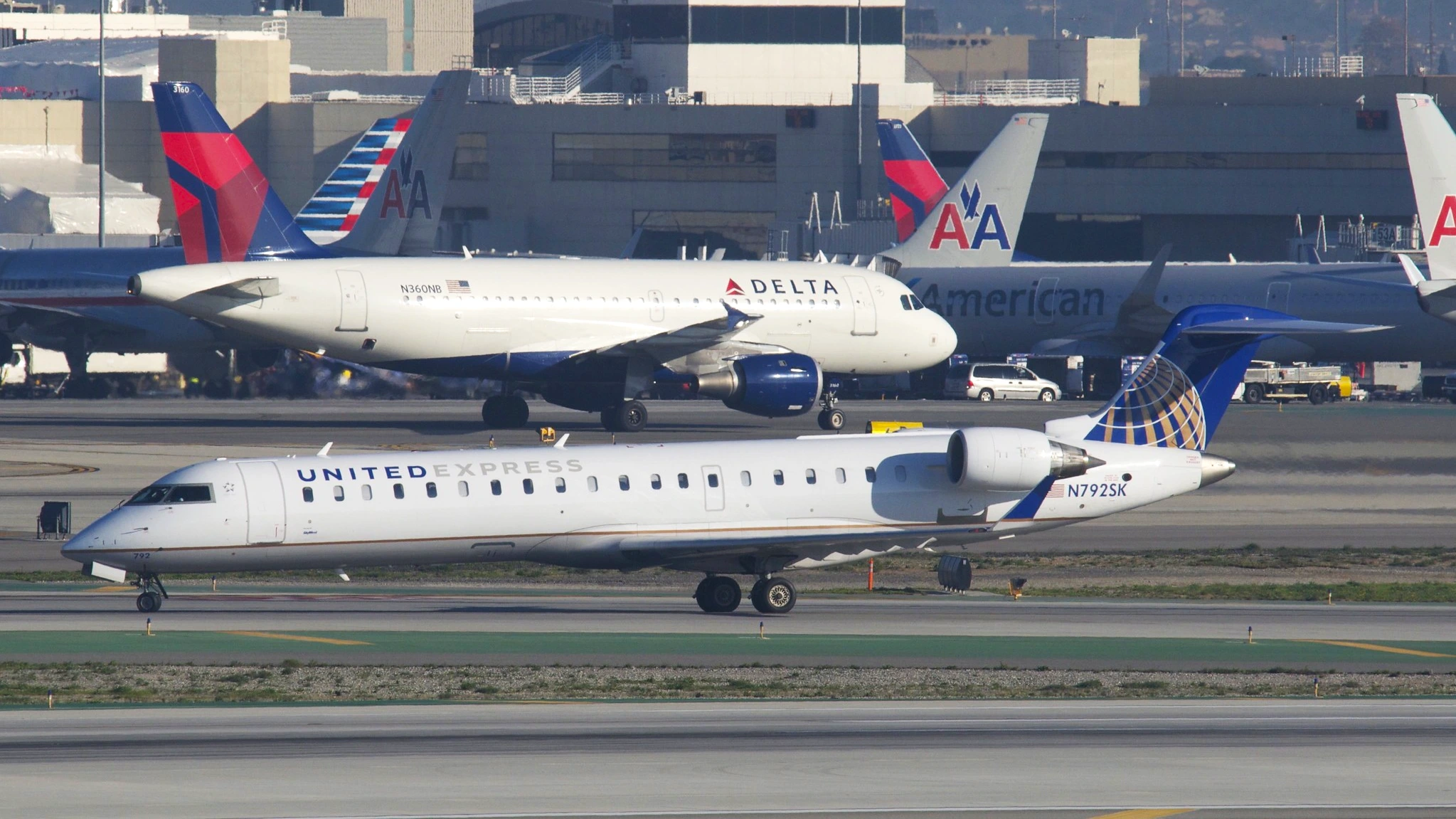
FORT WORTH- American Airlines (AA) is headquartered in Fort Worth, Texas, while Austin-Bergstrom International Airport (AUS) is the key airport in the carrier’s Austin network. Delta Air Lines (DL) and Southwest Airlines (WN) have secured larger long-term gate allocations at AUS than American.
American’s earlier Austin expansion depended on smaller regional aircraft to test routes that were not ready for mainline service. Its pilot contract restricts much of that regional flying to qualifying hubs, limiting one of the tools American used to build the market.
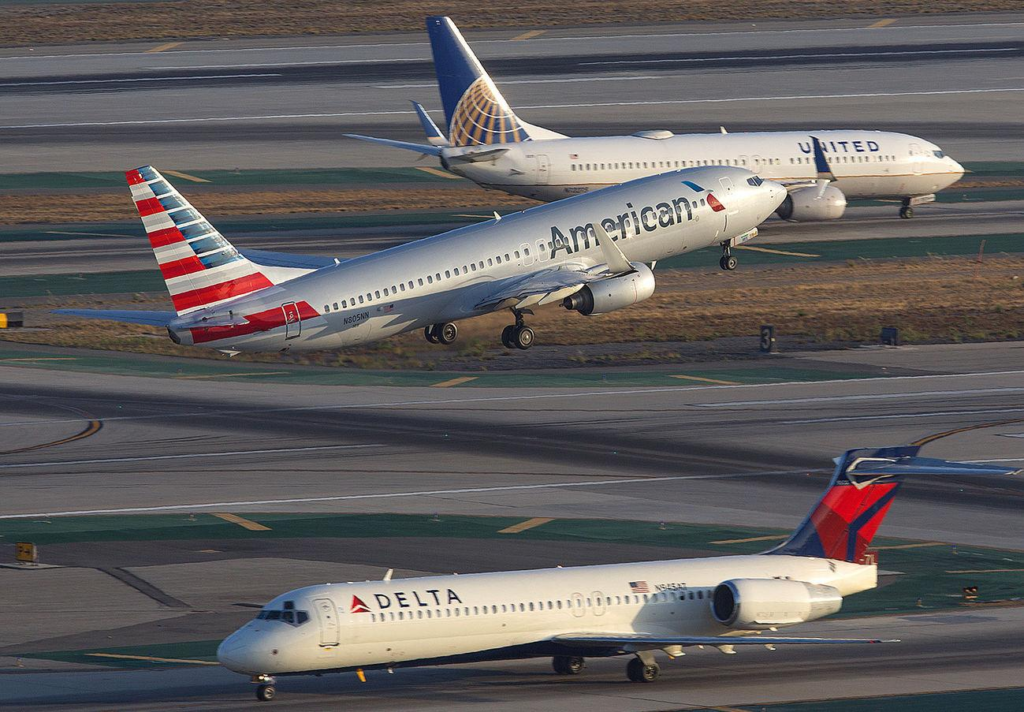
American’s Austin Growth Strategy Hit Contract Barrier
American’s Austin strategy changed sharply after the pandemic. Before the expansion, the airline’s Austin operation was centered largely on service to its hubs. In 2021 and 2022, American instead pursued a broad point-to-point growth plan, backed by existing corporate relationships and a base of local customers.
Former Chief Commercial Officer Vasu Raja described Austin as his “love language,” reflecting the importance American placed on the market during that period.
In March 2021, American announced 10 new, returning and seasonal routes from Austin. In June, it added another 14 destinations, including 10 domestic and four international markets. American and its partners planned nearly 100 peak-day departures from Austin that fall.
The strategy covered destinations across the United States, Mexico and the Caribbean. Smaller regional aircraft were important because they allowed American to test routes with demand that was not yet sufficient for larger mainline aircraft.
American’s Alaska Airlines (AS) and JetBlue Airways (B6) partnerships added more destinations to the customer proposition in Austin.
Those partnerships gave travelers additional reasons to remain within the AAdvantage program rather than divide their flying among several airlines. Both partners have since reduced their Austin presence.
The partnerships also served a broader commercial purpose. American linked the expansion of its partner network to AAdvantage enrollment, credit-card acquisition and customer spending.
In 2021, Raja told investors that the fastest-growing markets for AAdvantage enrollment included cities served through the Alaska and JetBlue partnerships.
Delta has pursued a similar commercial logic in Austin. Delta CEO Ed Bastian has identified Austin and Raleigh as markets where the airline acquires a large number of credit-card customers, describing the card opportunity as an important part of the strategy.
That makes Austin more than a route-development exercise. Building a larger local customer base can also support loyalty enrollment and the airline’s co-branded credit-card business.
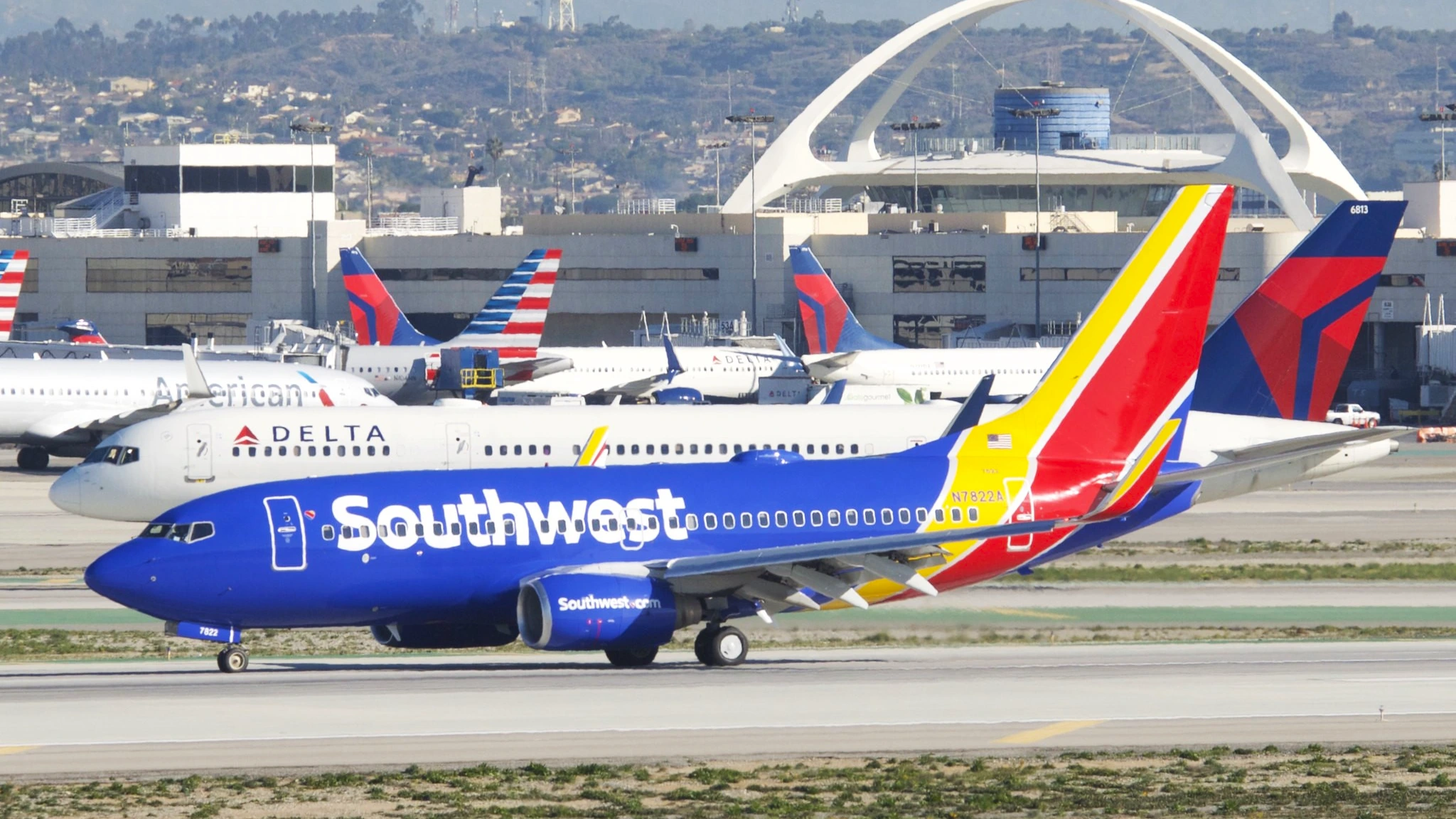
Pilot Contract Limits Regional Flying
The central issue is the location of regional flying, not simply the total number of regional aircraft American can operate.
Former Wall Street Journal airline writer Scott McCartney identified American’s pilot contract as one reason the airline has struggled to use small regional jets to develop non-hub markets such as Austin. His explanation is that a large portion of small regional-jet flying is tied to legacy American hubs.
The contract framework described in the source requires at least 85% of American’s regional flying to operate to or from qualifying hubs. Qualifying airports include legacy American hubs and airports with at least 100 daily flights. Austin did not meet that threshold under the cited rule.
As a result, Austin regional flights to other non-hub cities count toward the remaining 15% systemwide allowance, and pilots grieved some of that flying.
This is different from saying that American has an unusually small regional fleet allowance overall. Industry analysis has noted that American’s scope terms can permit more regional aircraft than the corresponding provisions at Delta and United in important categories. The Austin problem is primarily a restriction on where that flying can be used.
The contract serves a clear labor purpose. Pilot scope provisions limit the ability of airlines to replace mainline flying with lower-cost regional operations.
The concern is not regional flying itself, but the possibility that regional carriers could perform work that would otherwise support mainline pilot positions.
The same protection can create a conflict when an airline wants to use regional aircraft to establish a new market that could eventually support more mainline flying.
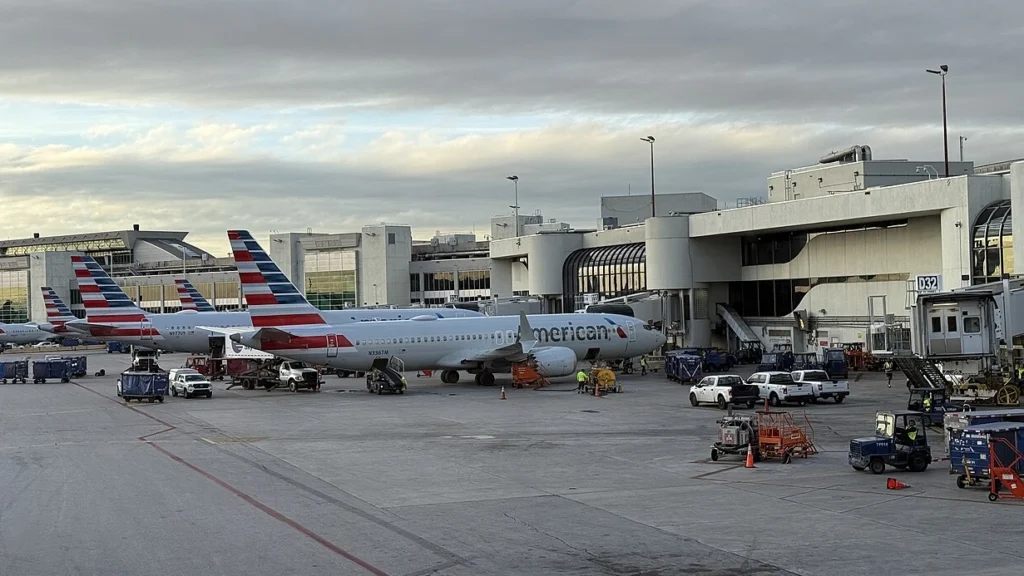
Regional Jets Give Airlines More Flexibility
American can operate mainline aircraft from Austin, but a larger aircraft carries more seats and therefore requires more demand to support the flight.
That creates a practical difference for a new route. A regional aircraft can allow an airline to enter a market with fewer seats and potentially offer more frequency. Two smaller flights can also provide more scheduling options than a single larger aircraft without requiring the airline to fill as many seats on each departure.
The original Austin strategy relied on exactly that type of flexibility. American could use smaller aircraft to establish service before a route had enough demand to justify mainline equipment.
When regional flying is restricted on non-hub routes, the airline has fewer choices. It can use mainline aircraft, accept a smaller schedule or leave a market underserved. American’s later Austin cuts show that not every route could support the economics the company expected, including some mainline services that were ultimately removed.
The pilot contract was therefore one constraint within a larger business problem. Management still chose the network, aircraft deployment and investment levels, and the airline had to operate within the contract it had negotiated.
Delta Is Building Austin While American Has Pulled Back
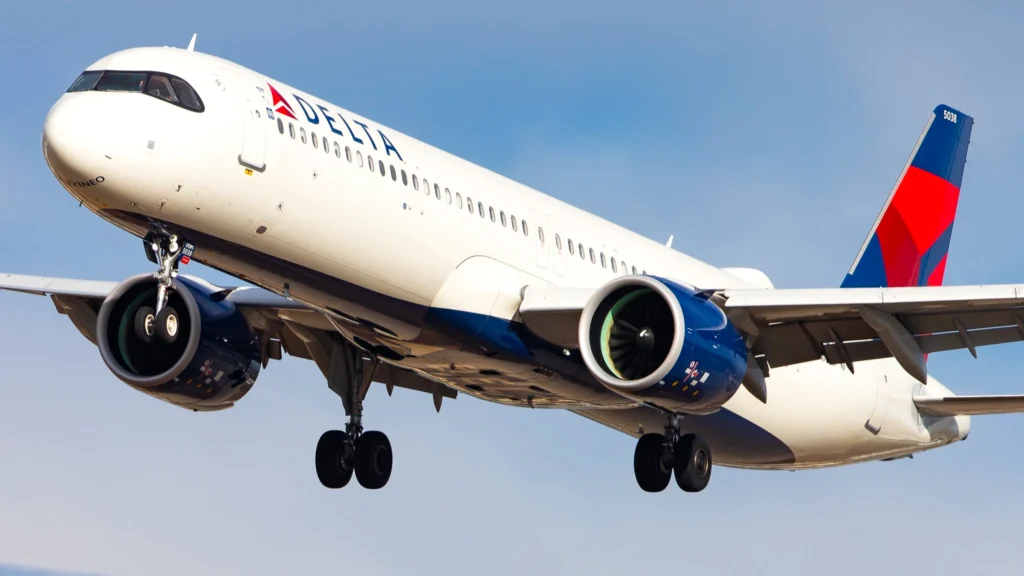
Delta had considered Austin a focus-city opportunity before the pandemic. During American’s pullback, Delta was able to build its position while using available gates for regional services before expanding them more fully.
The timing matters because American’s earlier Austin strategy was intended to build a network, not simply launch individual routes. A broader network can support more AAdvantage enrollment, corporate relationships and credit-card acquisition.
American’s retreat therefore created more room for Delta to pursue those customers. Delta’s own statements about Austin show that management views the market as part of a larger customer and credit-card strategy rather than solely a route-by-route decision.
American Will Have 9 Gates
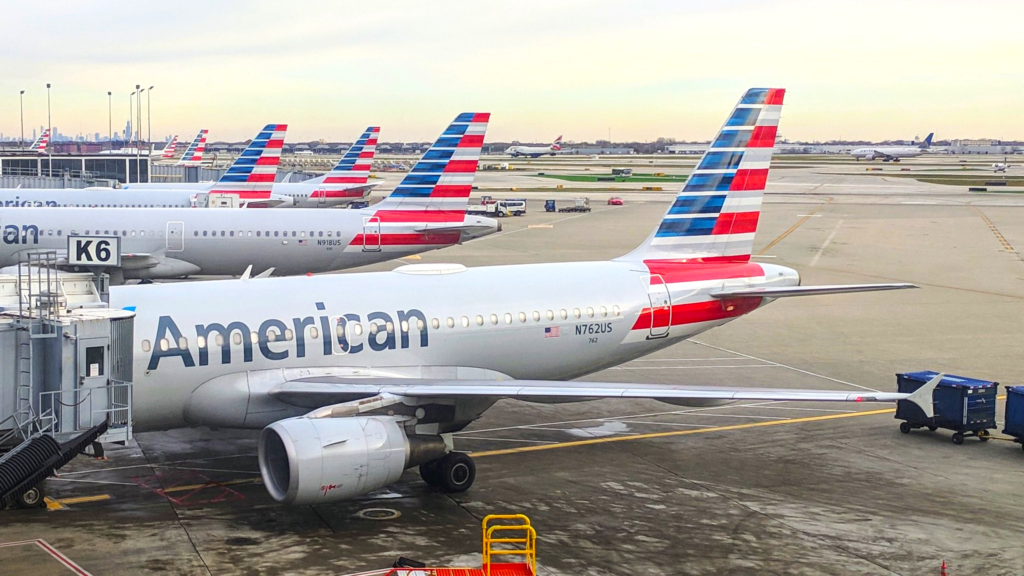
American’s long-term position at Austin is still significant. City of Austin records show four preferentially leased American gates in the current allocation and 9 planned gates in 2031. Delta is scheduled to have 15, Southwest 18, and United Airlines (UA) 5. Alaska Airlines (AS) is scheduled to retain one preferentially leased gate.
The city’s 2031 figures follow the planned opening of the Concourse A west-gate expansion in 2026 and Concourse B in 2030. The number of loading-bridge-equipped gates is expected to rise from 33 to 60.
American’s nine gates remain in Concourse A, while Southwest’s 18 are planned for Concourse B. Alaska’s gate remains adjacent to American’s allocation.
The additional gates give American room to rebuild its Austin operation, but they do not solve the immediate competitive timing issue.
Delta is expanding its customer base before American receives the full benefit of the future gate allocation. The lease also includes minimum-use requirements, making sustained use of the allocated gates important once the larger capacity becomes available.
American’s Austin Retreat
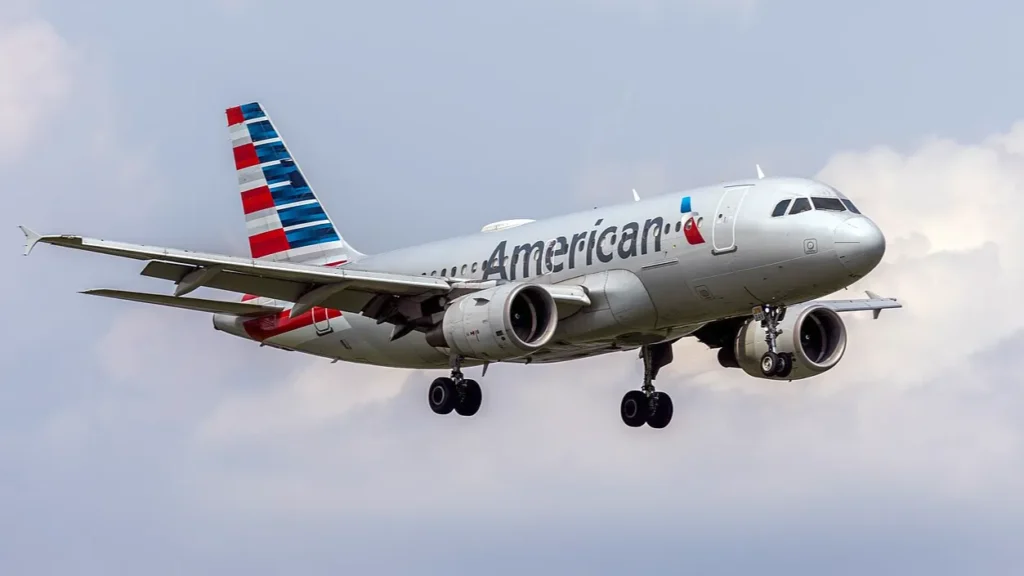
American’s current Austin operation is significantly different from the expansion announced in 2021.
Former American AAdvantage chief and Chief Information Officer Maya Leibman recently pointed to the airline’s remaining Austin service and planned lounge when discussing its presence in the city. The broader network history, however, shows that American has already withdrawn many destinations introduced during its earlier growth period.
The Austin lounge itself dates to the expansion period. American first announced a new Admirals Club in November 2021, when the airline was aggressively adding service. The lounge’s location and plans have since changed.
The lounge is therefore a useful marker of the shift in strategy. It remains an investment in Austin, but it was conceived during a period when American expected a much larger local network.

American’s Pilots Opened Contract Negotiations
The contract issue could be addressed sooner than a normal 2027 bargaining cycle because American’s pilots opened negotiations early.
The current agreement becomes amendable on August 1, 2027. On August 7, 2026, the Allied Pilots Association formally entered Section 6 negotiations after determining that implementation of the 2023 collective bargaining agreement was insufficient.
The union invoked an implementation provision, and APA said the issue was primarily connected to the company’s decision not to implement the LCP program, along with other implementation matters.
APA delivered its formal Section 6 opener on August 19, 2026. The union said its priorities include pilot retention, scheduling and work rules, process improvements and ensuring pilots contribute to and benefit from American’s strategic plan.
Union president Nick Silva has also criticized American’s financial performance and argued for different leadership. At the same time, he has acknowledged that the company is finally making customer investments the union had wanted, saying management is now trying to focus on the customer, although later than the union would have preferred.
Contract Change
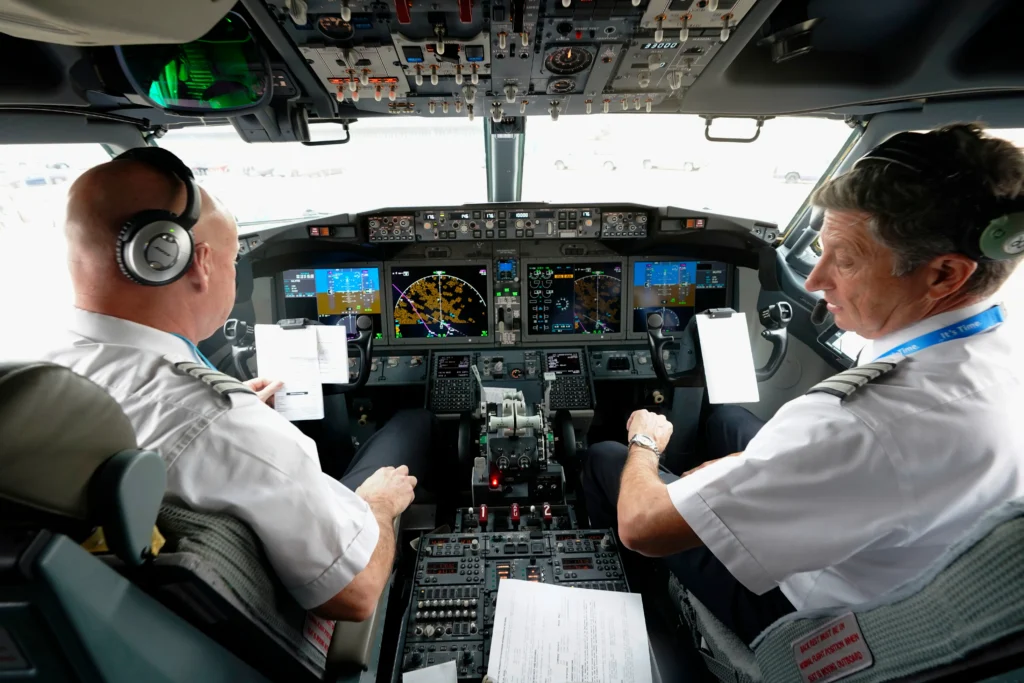
The central labor question is whether American and its pilots could create limited flexibility for developing markets without weakening the broader protection of mainline jobs.
One possible structure would be an Austin-specific exception that permits additional regional flying while establishing enforceable commitments for mainline growth as the market develops. The concept would preserve a distinction between temporary market development and permanent substitution of mainline flying.
The proposal remains an argument for future bargaining, not an agreed contract term. Its logic is that regional aircraft could help build demand first, while stronger demand could later support more mainline service and mainline pilot jobs.
Scope provisions remain important because pilots have strong reasons to resist outsourcing that replaces work they could perform. The challenge is determining whether narrowly defined exceptions can support growth without creating a broader path for job substitution.
United provides an example of a limited exception
A recent United Airlines flight-attendant agreement illustrates how a scope rule can contain a specific exception without expanding the overall amount of regional flying permitted under the pilot contract.
United’s 2026 flight-attendant tentative agreement allows the company to own a wholly owned regional carrier conducting United Express flying. The agreement states that the exception does not increase the amount of regional flying because that flying remains subject to the limits in the pilot agreement.
That example is relevant because it shows that scope provisions do not necessarily have to operate as all-or-nothing rules. A future American agreement could similarly define a narrow exception with specific conditions, although no such arrangement has been announced.
Same Question Could Apply Beyond Austin
The original analysis also identifies San Jose as another market where American and its pilots could consider a similar model.
The underlying idea is straightforward: developing markets may need smaller aircraft and greater schedule flexibility before they can support substantial mainline service.
A contract that allows carefully controlled regional development, while linking that flexibility to enforceable mainline commitments, could address that transition.
That would not guarantee that every route becomes profitable or that regional flying automatically produces mainline growth. It would give American another tool for testing markets that may be difficult to support with larger aircraft from the outset.
American still has a long-term path to rebuild in Austin. The nine-gate allocation gives it more physical capacity after the airport expansion, and its pilot contract can be reconsidered during the negotiations that are already underway.
The issue is timing. McCartney’s analysis is that waiting years for broader contract flexibility could leave American trying to rebuild a market after competitors have already established stronger positions.
That concern applies particularly to fast-growing cities where customer relationships, loyalty enrollment and corporate accounts can develop before an airline returns with a larger network.
Austin therefore illustrates a broader airline strategy problem. Pilot scope rules are intended to protect mainline jobs, but rigid limits on regional flying can also affect how an airline enters new markets.
American’s next contract negotiations will determine whether the company and its pilots can create more flexibility while maintaining the job protections that the scope provisions were designed to provide.
Stay tuned with us. Further, follow us on social media for the latest updates.
Join us on Telegram Group for the Latest Aviation Updates. Subsequently, follow us on Google News
