

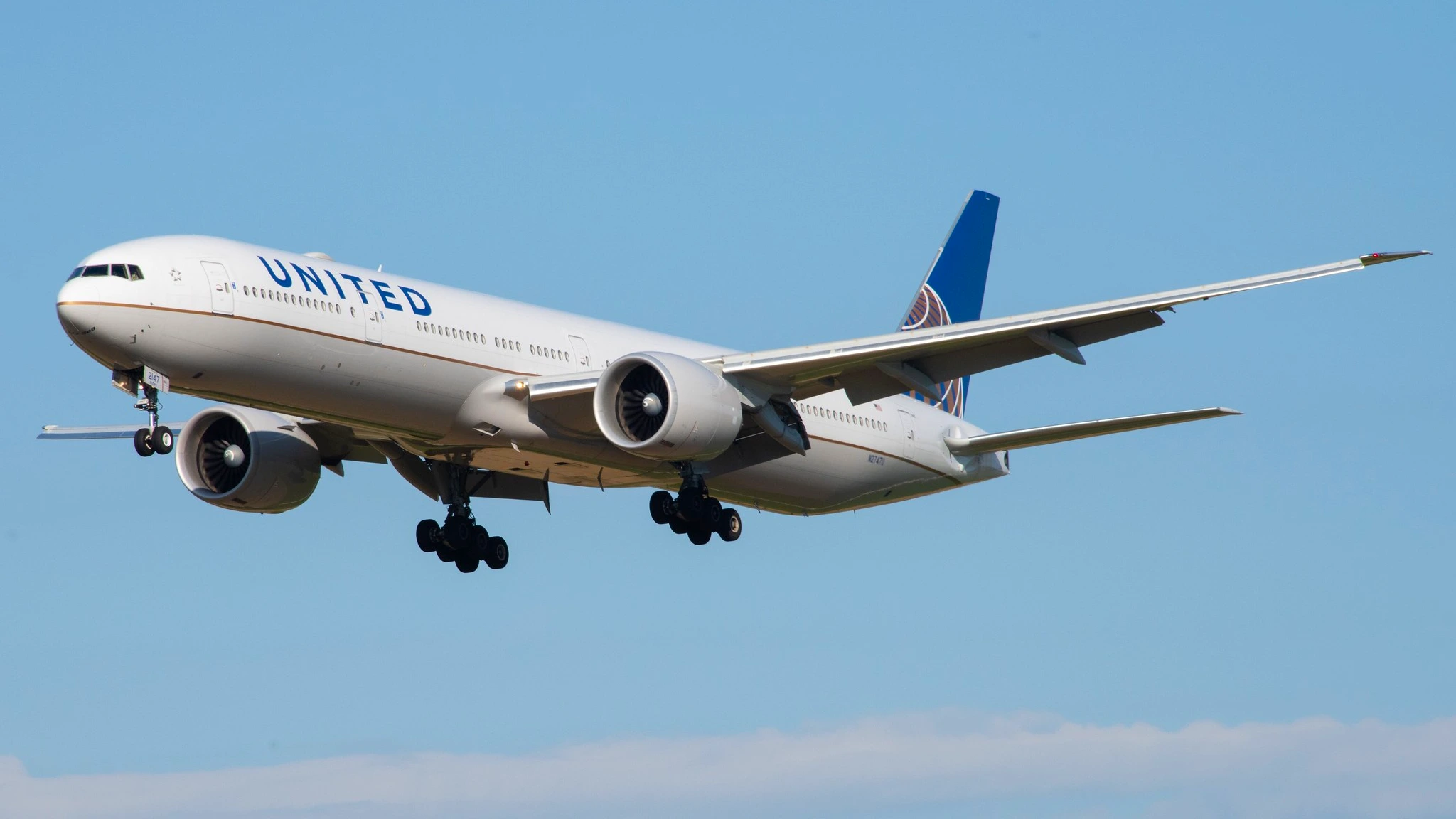
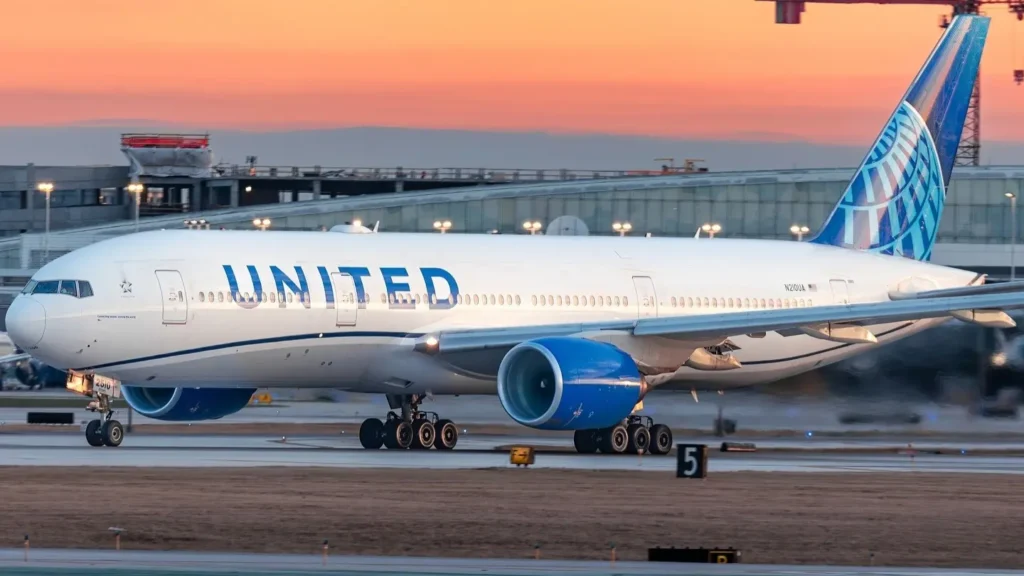
CHICAGO- United Airlines (UA) flight UA18 from Milan Malpensa (MXP) to Newark Liberty International Airport, New Jersey (EWR), diverted to Bangor International Airport, Maine (BGR), on September 8 after an intoxicated passenger allegedly defied crew instructions and assaulted a flight attendant.
The Boeing 777 was flying at about 35,000 feet over the Atlantic Ocean when the passenger allegedly demanded more alcohol, refused to return to her seat, filmed crew members, and bit and kicked a flight attendant during an attempt to restrain her.
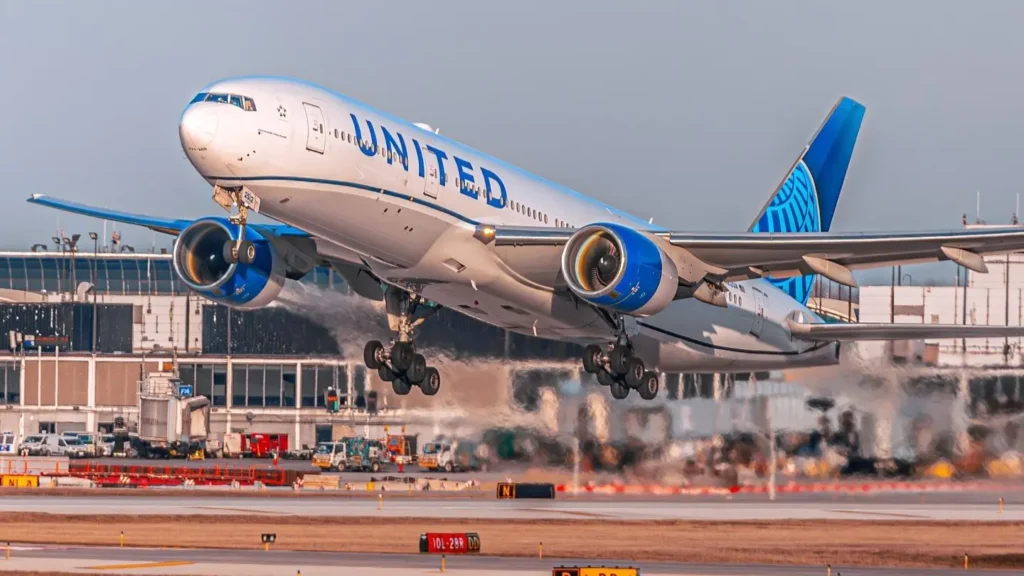
United Airlines 777 Diverts After Passenger Assaults Crew
A transatlantic United Airlines flight from Milan to Newark was diverted to Bangor after an onboard confrontation involving Kristina Kedysheva, who was later charged with interference with crew members, a federal offense.
According to an FBI affidavit cited in reporting by PYOK, Kedysheva became increasingly combative after flight attendants refused to serve her additional alcohol during the flight.
The incident eventually required the crew to seek assistance from passengers and an off-duty pilot before the captain diverted the aircraft to Maine.
Flight attendants reportedly served Kedysheva several glasses of red wine during the main meal service.
Shortly afterward, she went to the rear galley and asked for a rum and coke. A flight attendant refused to serve her hard liquor but offered her a glass of wine and some water instead.
About 15 minutes later, Kedysheva returned to the galley and again demanded more alcohol. Crew members told her that they would not serve her any more alcohol, but she reportedly continued arguing with them.
Kedysheva also allegedly began filming the flight attendants. The crew repeatedly asked her to stop recording them, but she continued to argue with them.
As the confrontation continued, one of the flight attendants contacted the cockpit and asked the captain to activate the fasten seatbelt sign.
The crew then instructed Kedysheva to return to her seat. She reportedly refused, even after the flight attendants pointed out that the fasten seatbelt sign was illuminated.
The sign is not used only during turbulence. It can also direct passengers to remain seated when the captain determines that doing so is necessary for safety or operational reasons. The original case reporting states that refusing to follow the instruction conveyed by the sign can constitute a federal offense.
Kedysheva allegedly continued arguing with the crew and spoke a combination of English, Italian, and Russian.
An Italian-speaking flight attendant then attempted to communicate with her directly and again asked her to return to her seat.
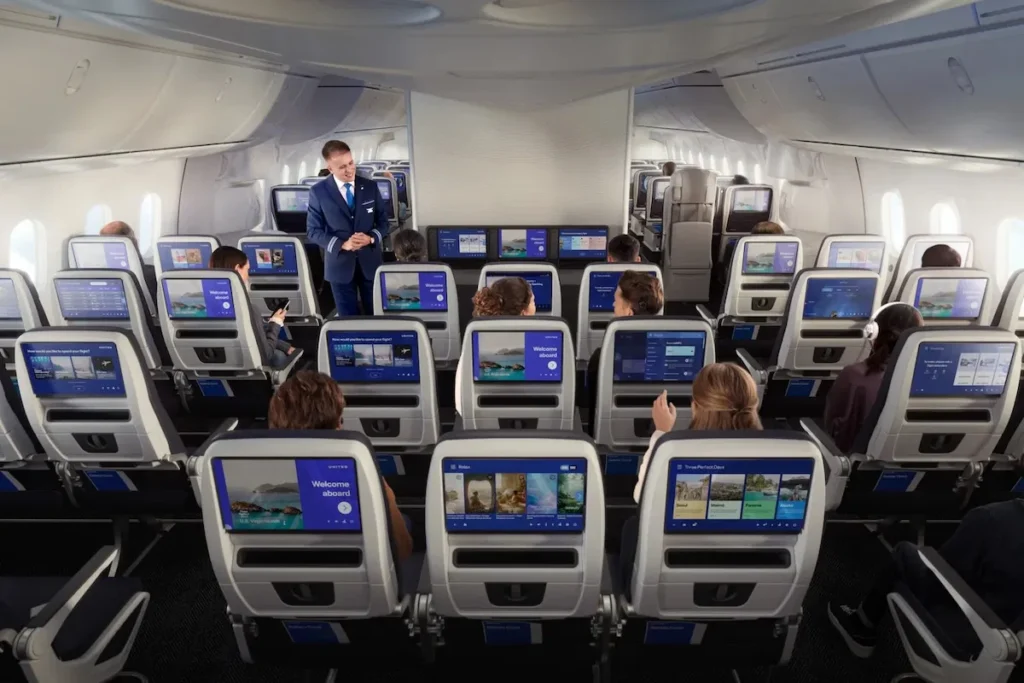
Flight Attendants Sought Help From Passengers
The situation eventually became serious enough that the crew decided to restrain Kedysheva.
Several able-bodied passengers were asked to help, including an off-duty pilot. One eyewitness later told investigators that the flight attendants appeared scared during the confrontation.
The crew used flexi-cuffs in an attempt to restrain Kedysheva. When she saw the restraints, she allegedly fought back against the flight attendants and assisting passengers.
During the struggle, Kedysheva allegedly bit one flight attendant on the wrist and kicked the same crew member in the stomach.
The crew and assisting passengers eventually managed to secure Kedysheva with flexi-cuffs.
She then complained that the restraints were too tight. The crew decided to replace them with a second set of flexi-cuffs that were slightly looser.
According to the allegations, Kedysheva then attempted to escape from the restraints. The second set of cuffs was subsequently tightened.
The sequence demonstrates how the restraint itself became another part of the confrontation rather than immediately ending it.
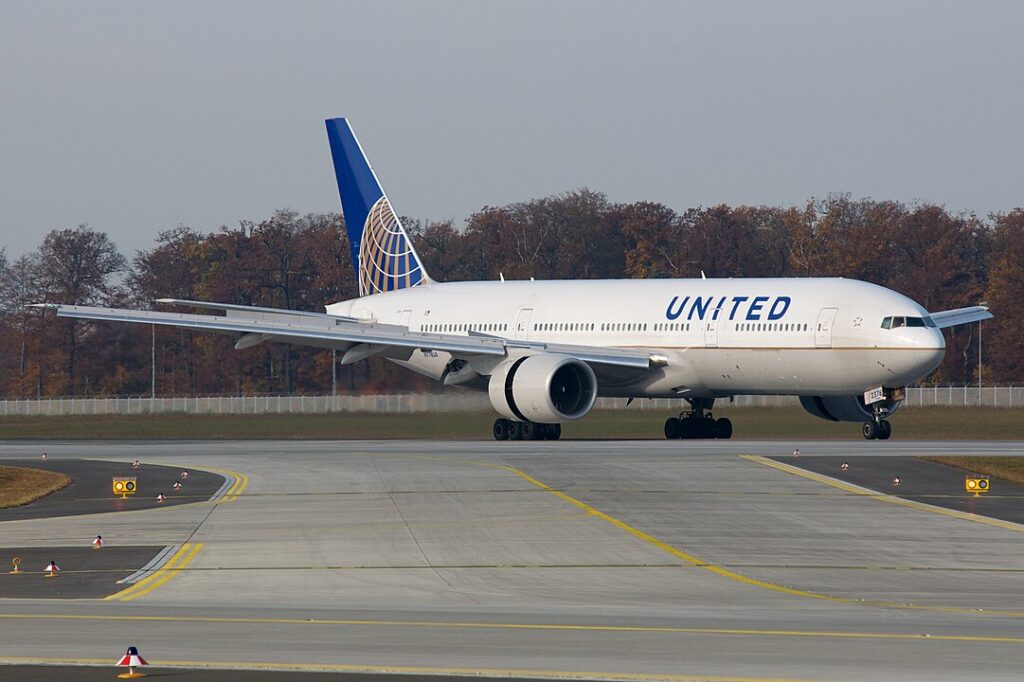
Captain Diverted Flight to Bangor
After Kedysheva was restrained, the captain decided to divert UA-18 to Bangor instead of continuing to Newark.
The Boeing 777 landed in Bangor, where Kedysheva was taken into custody. The diversion ended the immediate onboard security problem, but it also left the other passengers with another leg to complete before reaching their original destination in the Newark area.
A diversion of this kind allows the crew to transfer a serious onboard security issue to authorities on the ground rather than continue a long transatlantic flight with the situation unresolved.
Passenger Faces Federal Crew Interference Charge
Kedysheva was charged with interference with crew members. The federal offense described in the source material carries a potential maximum penalty of up to 20 years in prison and a fine of as much as $250,000.
Those figures represent the statutory maximum described in the case reporting, not a prediction of the sentence that would ultimately be imposed.
Following her arrest, Kedysheva reportedly told investigators that the flight attendants were racist and maintained that she had not done anything wrong.
Prosecutors requested that she remain in custody on remand, citing concerns that she was a flight risk.
The allegations in the FBI affidavit are part of the criminal case and should not be treated as established facts unless proven in court.
United Differs From American on Restraints
The incident also highlights a difference between United Airlines and American Airlines procedures for dealing with violent or severely disruptive passengers.
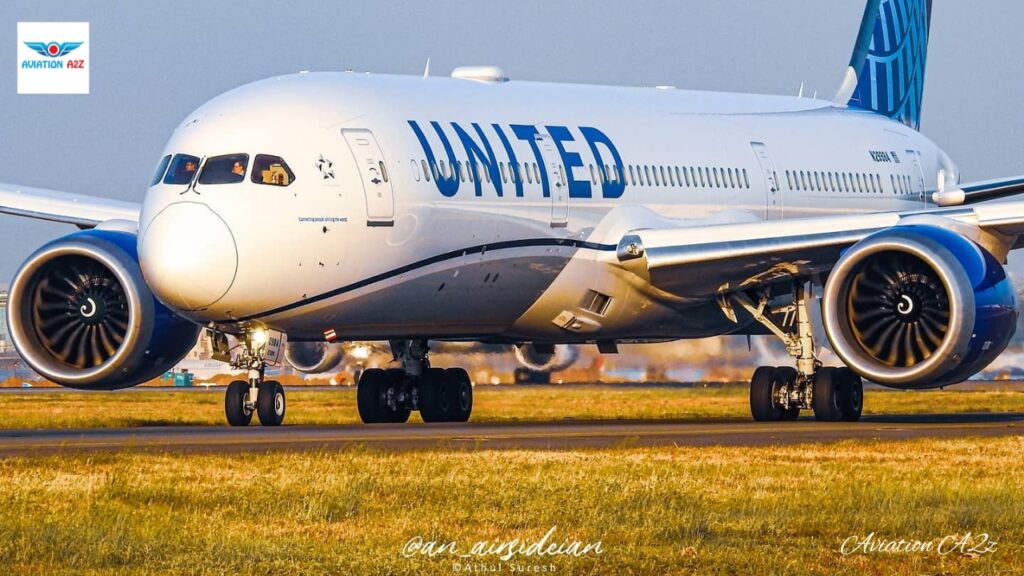
According to the source material, United Airlines flight attendants are prohibited from using duct tape to restrain violent or unruly passengers.
The comparison follows an incident on American Airlines flight AA618 on September 3, when a disruptive passenger reportedly attacked flight attendants and fellow passengers and was physically restrained with duct tape.
The two incidents show that airlines may use different restraint practices depending on their internal procedures and the circumstances faced by the crew.
In-Flight Security
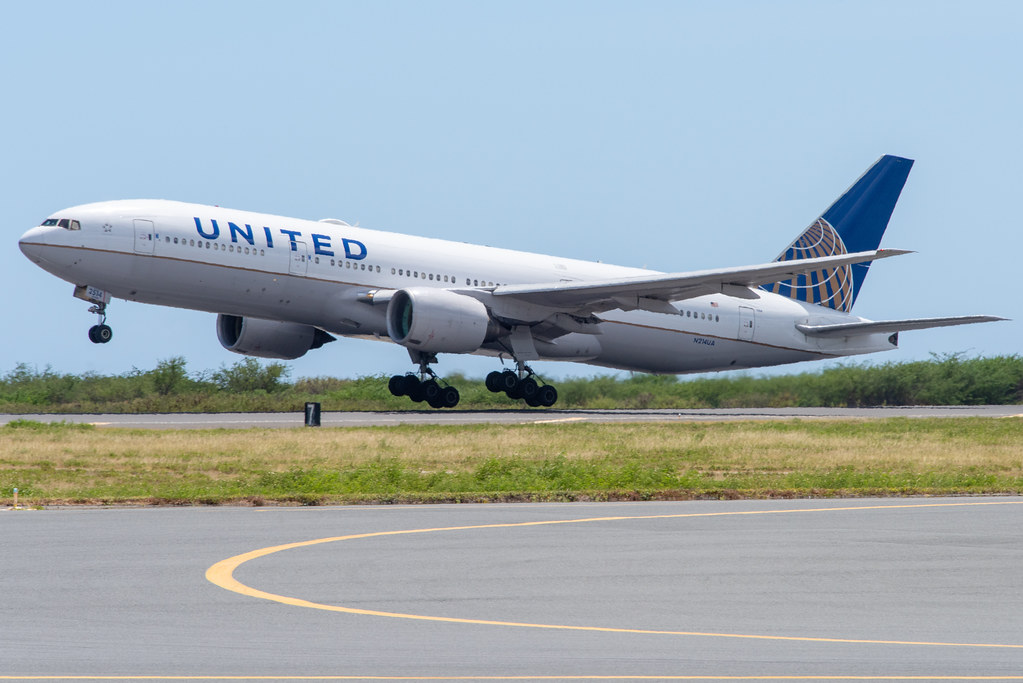
The UA-18 incident developed through several stages, beginning with an alcohol dispute and progressing to refusal to follow crew instructions, continued filming and arguing, physical resistance, alleged assault, restraint, and an eventual diversion.
The fasten seatbelt sign played a specific role in the crew’s attempt to regain control without immediately resorting to physical restraint. When that effort failed, the crew sought assistance from passengers and an off-duty pilot before securing the passenger and diverting the aircraft.
The incident also underscores the legal importance of following crew instructions during commercial flights. A captain’s instructions and signals related to passenger safety are not limited to turbulence situations and can form part of a broader response to an onboard security problem.
Stay tuned with us. Further, follow us on social media for the latest updates.
Join us on Telegram Group for the Latest Aviation Updates. Subsequently, follow us on Google News
